Desktop UV Printers & 3D Printing: Collision Course

UV printing has been around for ages, of course. But, since a few years ago, desktop UV printers have made their way into households, small businesses, and enterprises. These machines can often print textures and print on things like mugs. They’ve become money makers for solopreneurs and helped small businesses make souvenirs, mementos, and products.
We can all remember Rize, which combined color inkjet with Material Extrusion to make tough but colorful parts. It’s easy to see how inkjet on top of Material Extrusion or Vat Polymerization parts would solve a lot of our problems. At the same time, by separating the printing and coloring steps into two different machines, or two processes in one machine, it could be more efficient.
To me it’s clear: we’re on a collision course with the UV printer industry. I don’t know how realistic it is to take any 3D printed part and somehow spin it around so an inkjet can color all of it. This is an obvious idea, but I’m not sure how hard it would be to make it real, it looks complex. But, people are working on making different versions of this process real. I do know that it would be totally doable to do this for some parts, designed in a particular way to be colored easily through inkjet printing. Imagine that as long as you had flat surfaces, round surfaces of certain angles, and planes of a certain size, the machine could color those areas. That alone would be huge for us.
At the same time we can see that UV printers are very successful. And some companies such as Anker, Mimaki, Roland DG, and Snapmaker are active in both 3D printing and UV printing. So I know that given their capabilities, eventually we will get an Advanced 3D printing and UV printing capability whereby advanced UV 3D printers will be able to color some surfaces through inkjet. It seems completely obvious (although not easy!) to me, so I thought I’d share what is going on.
Eufymake
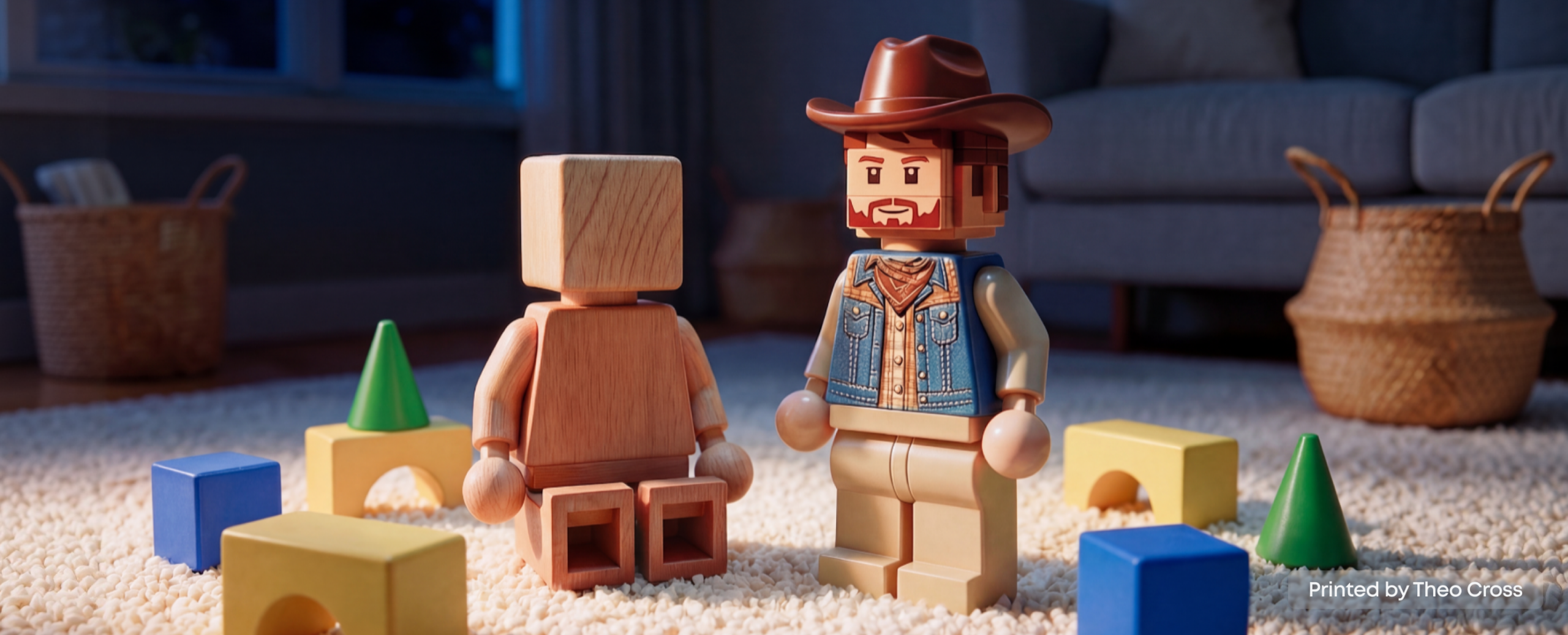
The most obvious success point in this arena is EufyMake. You may not have heard of desktop UV printers, but you may have heard about their whopping $46,762,258 Kickstarter. The Eufymake E1 is a full-color desktop texture UV printer, selling for around $2500. The same firm raised $8 million for the AnkerMake 3D printer. And yes, that means they are backed by Anker. This firm has shown incredible marketing prowess in 3D printing and UV. Anker is a $4.24 billion revenue firm, but more than this, the company makes its money from power banks, headphones, security cameras, and plugs. Making money from power banks is really the coal face of capitalism. I can not imagine how difficult it would be to launch and maintain a headphone company now. Do you fear Bambu? Well, Anker is what keeps the panda up at night. UV on 3D is already a point of interest for the firm and I just feel that they’re working on it.
Snapmaker
Snapmaker is well known in 3D printing. Their U1 is an interesting multi tool head system. It also has the Artisan 3-in-1 system, which has a laser and CNC as well as 3D printing. It’s easy to see this company going deeper into integrating UV into their experience and making a 4-in-1.
Mimaki
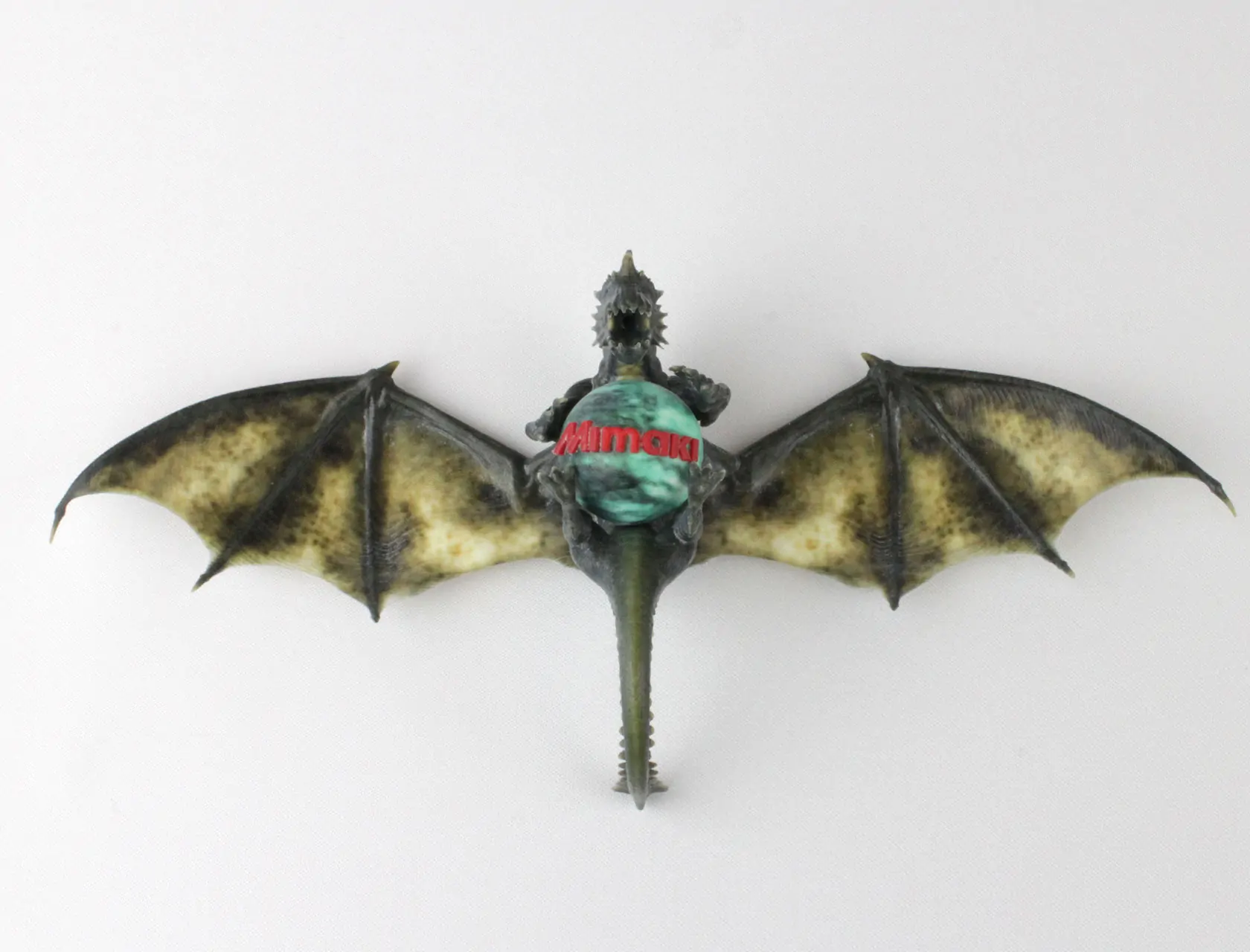
Japanese firm Mimaki already makes a 3D printing machine that is full color. It also makes a lot of other flatbed machines in small to large models. Here, Mimaki will probably stick to its inkjet-based 3D printing. But, the company has done a lot of the hard work in color mapping and the like, so its print heads or technology could be a basis for a combined solution.
Roland DG
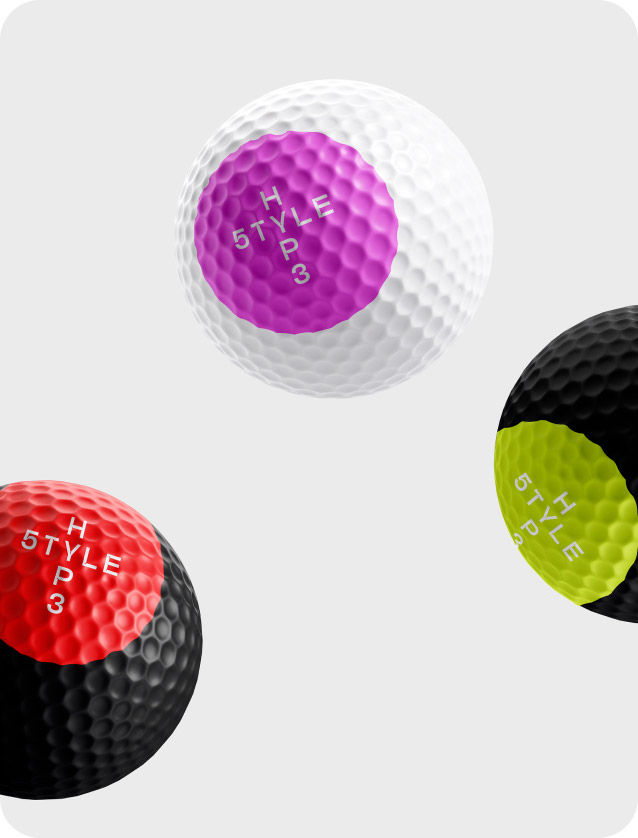
Japanese firm Roland makes a lot of CNC and other tools generally. The firm is also a leader on UV and inkjet on a lot of different surfaces. In its VersaStudio BD series, it already has a desktop UV flatbed, but it’s priced at around $6000. Roland typically makes good machines though, and is pioneering effective printing on things like golfballs and other non-traditional surfaces.
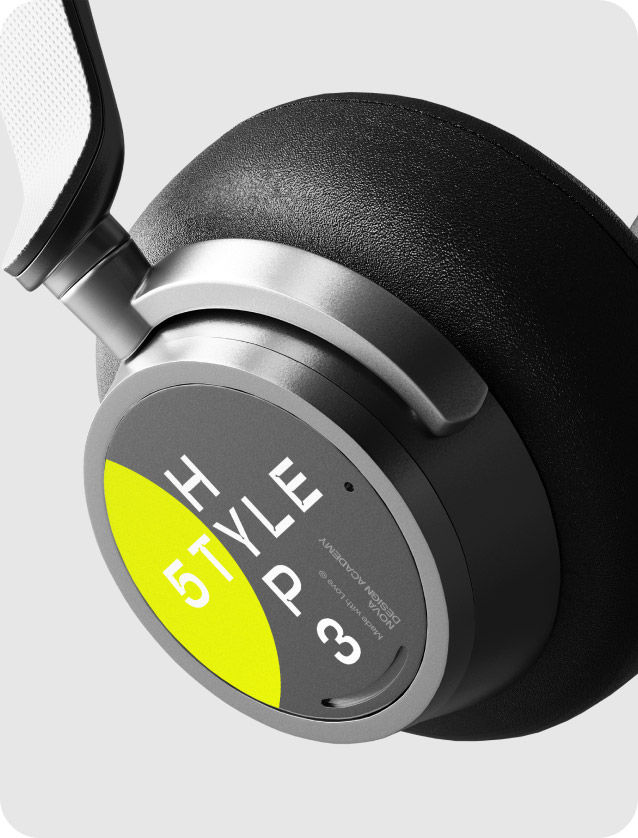
It also has a bunch of desktop CNC and milling machines so it could also master getting things in the right position. The firm also has a binder jet 3D printer, and in yet a different division, has a desktop SLA printer for dental. Roland is the company that could totally do this and has all the relevant experience in-house, including printing on many different substrates. As we so far have learned from Japanese corporations, this is the most logical company to do this, but because it is straightforward, they will probably not do it.
Epson
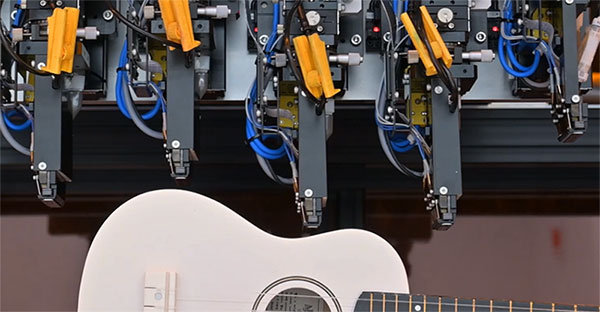
A case in point is Epson of course, which has a series of UV flatbed printers. As you can see, the company is actually developing direct to object printing. The high-end system pairs robots and print heads using its Direct to Shape Printing System. The system uses a “6-axis robot and lifting mechanisms that independently raise and lower the printheads are used in combination to allow Direct to Shape Printing System to flexibly accommodate printing on objects from different angles with outstanding quality and accuracy.” I didn’t know about this when I started the article, so it’s nice that they’re working on making this real. They have everything in-house and I think that it would be interesting for them to commercialize a system to work in combination with 3D printing to finish parts. I’m not sure how real it would be, but this would be incredible for our industry if we could get one.
HeyGears
HeyGears has been making waves as of late with vat polymerization systems. Now. the company wants to make the G1 Series, which combines UV printing with 3D printing.
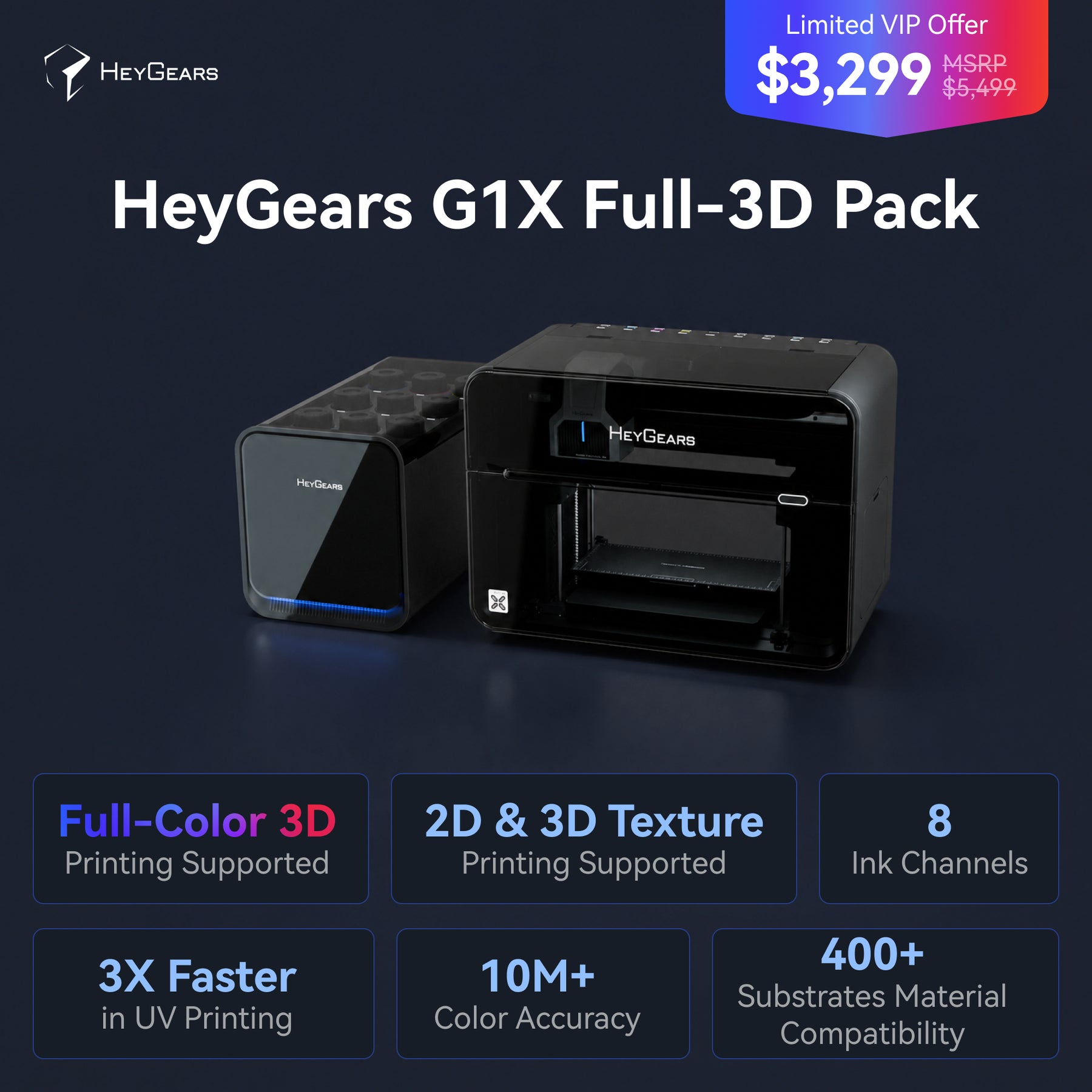
The HeyGears setup claims to offer 10 million colors with eight channel ink and automated calibration. They showcase a desktop system that can 3D print and UV print. It’s still a bit hazy what they’re doing, but this seems like it will be a combination between vat polymerization and inkjet or UV LED. Maybe it just prints on some cross sections to get color? One crazy thing is that they seem to have nine different ink tanks with a liter capacity each. I’m most excited about HeyGears in the short term because this looks like it’s very interesting indeed.
Procolored
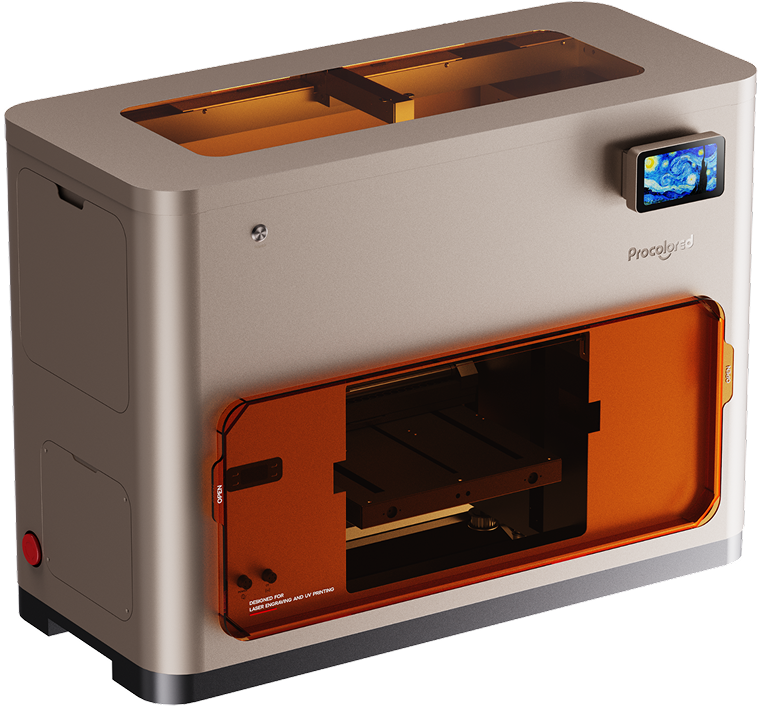
Procolored already has direct-to-garment and other UV systems. Its new X One system costs $3800 and combines laser cutting with UV printing. This could be a really inexpensive way to make colored items, but adding a third dimension to it will probably be hard for the firm.
Inew3D (Simba3D, Tuoyuan)
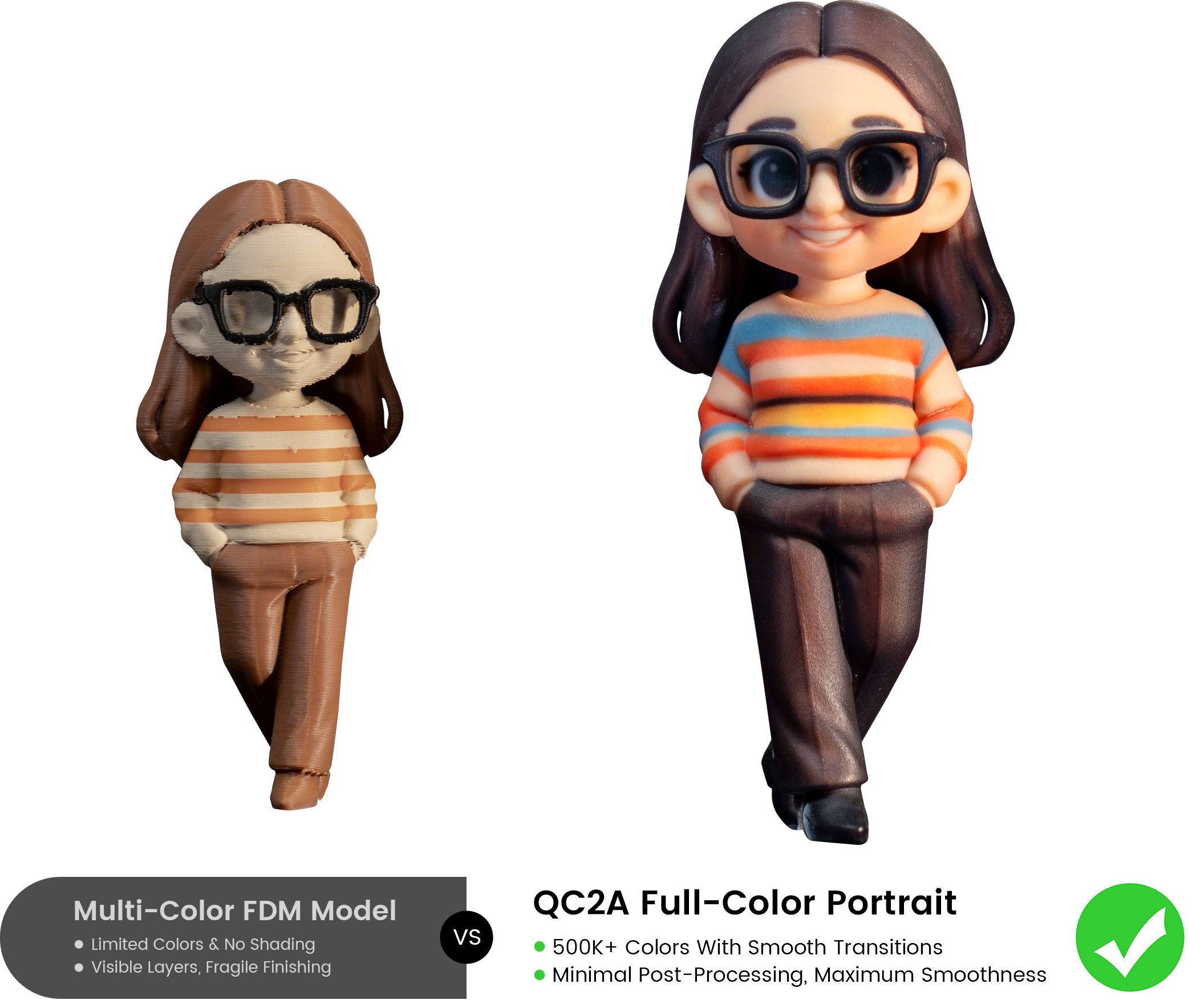
Inew3D wants to combine 3D printing with AI, so it can take your selfie and turn it into a 3D print. From what I can tell, this could just be a complete copy of Stratasys PolyJet. The company says it has water soluble supports and wants to do a Kickstarter. Its new machine is firmly aimed at consumers, but under the Simba3D and Tuoyuan names, the company previously commercialized the QC2A. Its Kickstarter for the inew3D has raised over a million.
Stratasys
Stratasys of course could do either a PolyJet version for the desktop, or a combination of inkjet and FDM, but there are no signs of this.
3D Systems
3D Systems used to do desktop Material Extrusion, and now has MJP. Conceivably, the company could also mix and match a few technologies to do something similar.
Canon
Canon previously developed a 2.5 printing technology that made beautiful textures on parts, which it used for museum copies. The company could get involved, but there is no sign of this beyond its UV flatbed technologies.
xTool
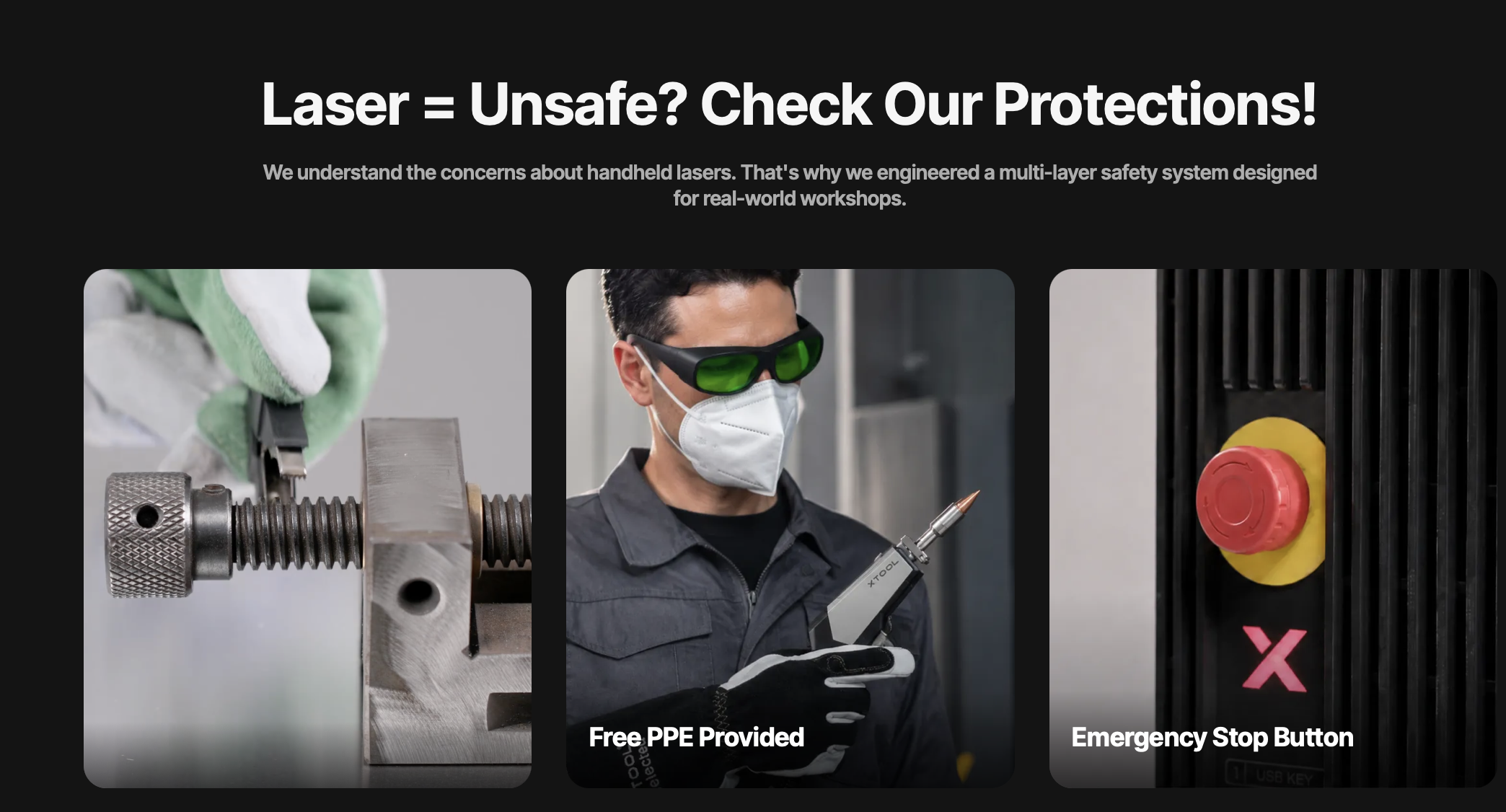
xTool has made a bunch of devices, such as a laser welder and CNC cutter, a heat press, several laser cutters, a screen printer, and a garment printer. Its new Omni can print on fabric, rigid objects, decals, and more. In doing rolls and objects, they’ve managed to make a really complex system that sells for around $2700. I would never fully sleep well if I was competing with a company that makes a digital screen print machine and a handheld laser welder and cutter with a 1200W fiber laser. This is completely insane. You do not know what these guys will do next. And so far they’re making excellent tools, printers, and laser cutters.
Glowforge
Glowforge is making desktop laser cutters and engravers. They really have owned the category for a lot of customers and make accessible products. Nothing they do is complex, it’s just made specific to the user and inexpensive. I have no inclination of them doing something like this, but I wouldn’t be surprised if they’re thinking about it.
Omtech
Omtech makes desktop engravers, UV printers, fabric printers, and embroidery machines. The company mainly caters to services who sell to consumers, so I’m not sure that the firm would make a desktop machine. But, they could make some kind of hybrid system for a more industrial user.
Ricoh
Ricoh has a medical 3D printing service, provides inkjet heads to 3D printing firms, a ceramics binder jet machine, and a full color inkjet solution. This could mean that they’re most likely to focus on the industrial side of things, but they could of course make a full color 3D printer for the desktop.
Morpho
Morpho uses an Epson i3200 print head to make objects up to 60mm. The 8-channel printhead has 400 nozzles for CMYK and 400 for white, and the company claims its system is significantly faster than others.
HP
HP is very active in 3D printing on the industrial side, and also has a lot of different inkjet printers. It does not seem to be in the company’s strategy to make a more desktop-sized, full color unit.
Conclusion
We can see a lot of movement in the desktop UV printer space. Millions are being raised, while new companies are emerging that dominate the space. At the same time, people are integrating lots of different types of devices. One of these days someone will find a way to combine inkjet and desktop 3D printing.
We don’t know it this will be through inkjet and material extrusion, inkjet and vat polymerization, combining two machines in one machine, two separate machines, a combo with robot arms or positioning tools, for many objects, or just some of a particular series. But, I think that 3D printing and UV desktop printing are two worlds that are set to collide.
If these firms compete with us, then we will have to deal with more scrappy, more agile, and much bigger firms than we have been accustomed to. I think that the collision of 3D printing with UV inkjet could be one of the more fundamentally interesting things ever to happen to our market.
Subscribe to Our Email Newsletter
Stay up-to-date on all the latest news from the 3D printing industry and receive information and offers from third party vendors.
Print Services
Upload your 3D Models and get them printed quickly and efficiently.













You May Also Like
The Manufacturing Race Behind the Drone Revolution
We are in the middle of a major manufacturing shift focused on the production speed and payload capacity of uncrewed aerial systems (UAS), or drones. A recent Manufacturing Dive article...
ADDMAN to Buy Up to $10.8M in Nickel 718 Powder from 6K Additive Over 30 Months
After years of buildup, we’re finally starting to see what the US metal additive manufacturing (AM) market could look like at scale. To be sure, it’s still not quite there,...
Metal AM in a Multipolar World, Part 2: How PBF and DED Could Change by 2035
The first decades of PBF development were heavily shaped by machine capability: more power, more lasers, larger build volumes, better recoating, and improved process monitoring. These developments will continue, but...
Advanced Manufacturing at IMTS 2026: 3D Printing and AI and Drones, Oh My!
Last week’s International Manufacturing Technology Snow (IMTS) in Chicago welcomed over 90,000 attendees to the jungle that is McCormick Place. With over 1.17 million square feet of exhibit space, and...