EBM Contract Manufacturer Zenith Tecnica Acquired by Ownership Group


New Zealand-based Zenith Tecnica has been acquired by a new ownership group. The firm was an early Electron Beam Melting (EBM) pioneer and has played an outsized role in the region. And given New Zealand’s remoteness, MRO needs are more acute, and suppliers become more important than if you were in Europe, for example. Along with Ram3D, Zenith practically makes up the metal portion of the country’s additive industry.
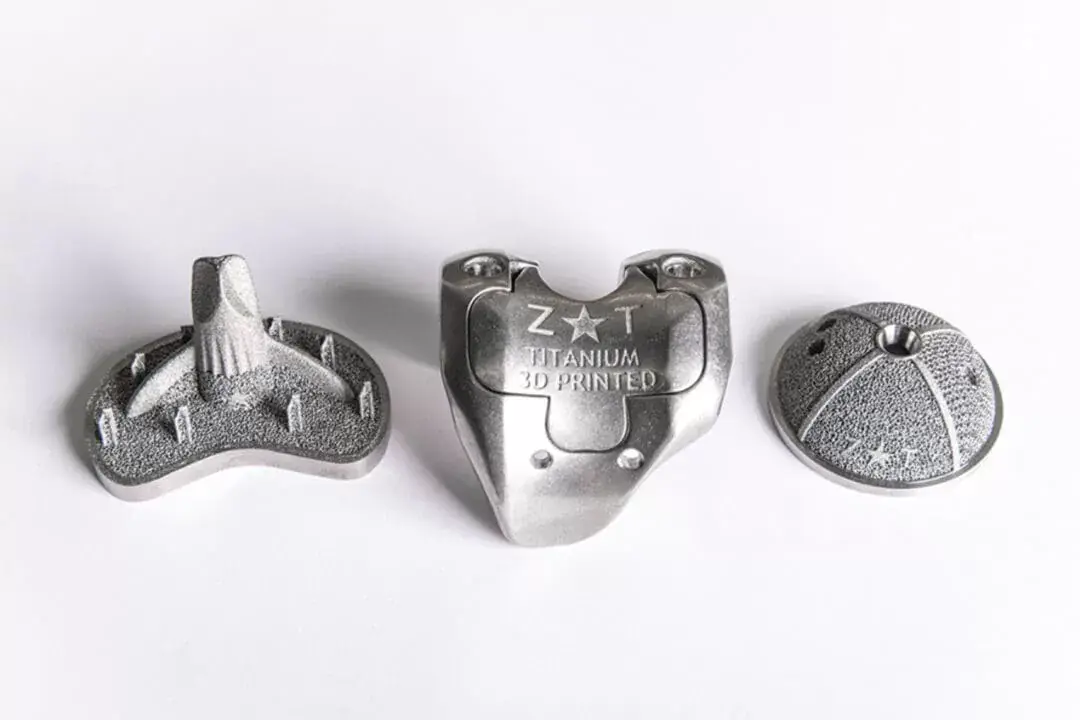
Especially given the firm’s location far away from the goings-on in the US and Europe, the company has done well. Zenith is making parts for Air New Zealand, has built adaptive tools for athletes, and has made over 260 parts for satellites. Especially in the medical, defense, space, and aviation sectors, Zenith’s acquisition is going to be an important moment for the local 3D printing industry.
The new owners want to scale the business further after seeing its revenue increase by 490% since 2020. Given that it is now fully using its six existing E-beam systems, the firm wants to grow through adding two more.
The departing General Manager Heather Grace sated,
“When I took ownership of Zenith after my tenure as General Manager, my goal was always to strengthen the business, continue to nurture and build our capable team, and ultimately transition it into the hands of owners who could drive its next stage of growth. I couldn’t be happier with where the company stands today and the opportunities that lie ahead. The rapid expansion of demand we are seeing has only been possible after years of relationship building and developing the technical prowess to become a name that is trusted time and time again, no matter the industry. For us, it’s not just about being the best at understanding the technology, but it’s about understanding the customer; their projects, their timeline, and what they need out of us as a manufacturing partner.”
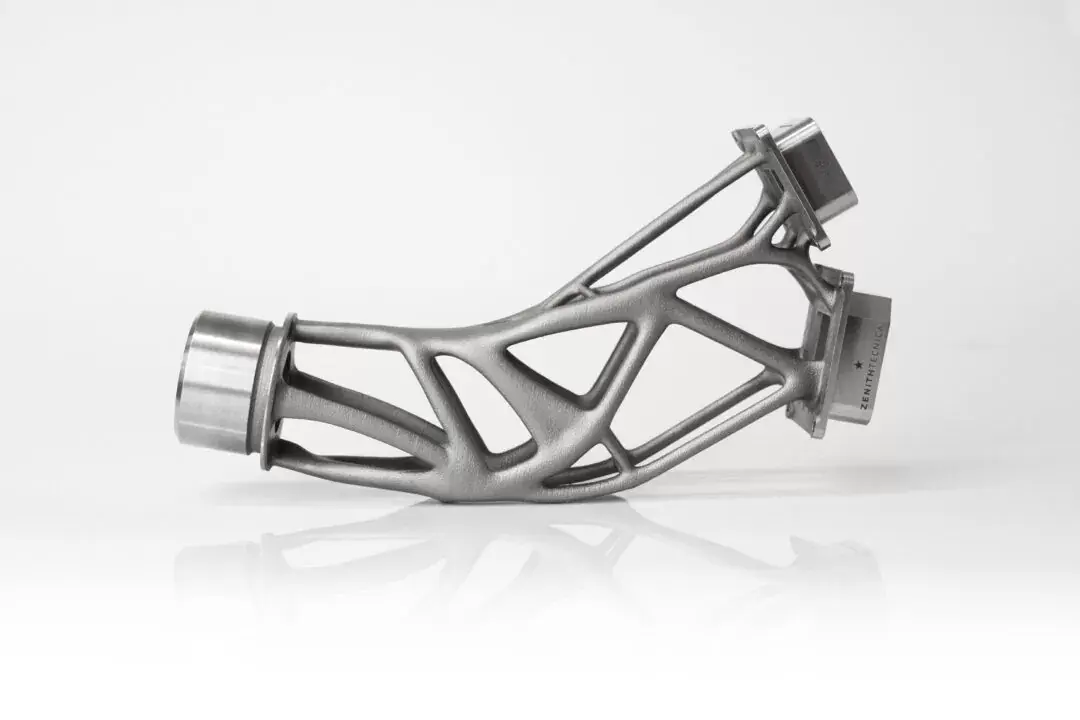
Grace will remain until August, and then be replaced. The company thinks that building on the Lanteris Space Systems (Intuitive Machines) satellite production partnership is one key element of further growth. Zenith has worked on the NASA’s Psyche mission, as well as the Space Development Agency’s Tranche 1 and Tranche 2 Tracking Layer. These are LEO coms and tracking networks key to US missile defense and communications. Additionally, the company hopes to do well with orthopaedic implants and guides.
The new owners are Andrew Burgess and Blair Jordan. They have backgrounds at Boeing and at Amazon, as well as dairy manufacturing. New Managing Director Jordan said,
“What we found at Zenith is rare. We’ve got a team that has earned trust across a mix of extremely highly regulated industries, all by positioning ourselves as an extension of our customers’ engineering and quality departments. Looking ahead, our goal is simple: focusing on scaling alongside our customers in a way that stays true to how we operate. That means continuing to invest in the capability behind the business, whether that is equipment, people, or floor space, so we can grow capacity without losing the speed and flexibility that our reputation has been built on.”

The AS 9100 and ISO 13485-certified service will now enter into a crucial new phase. Personalities are important at small firms, forged by experience and teamwork. Cross-disciplinary integrated design and process improvement work requires a lot of collaboration. So the new management getting along with experienced employees is very important here. If the firm wanted to cut corners or do things radically differently, they’d also be in for a rough time. But, more money and gradual improvement would be a great way to keep the firm on its successful path.
We also don’t know what kind of money the two partners have. Are they working with PE money, someone else’s money, or loans? That will also depend what kind of strategies seem attractive to them and what they would need to do. If it’s long-term money, theirs or someone else’s, this could be a great investment.
Too short-termist, too greedy in thinking, or grand visions not rooted in 3D printing reality, on the other hand, will see the built-up trust in this key firm evaporate. But, if they manage their new investment well and for the long term, then it could become a continually profitable essential part of New Zealand’s defense, space, and aviation sectors. If it’s a prized bit of infrastructure that performs well and is focused on long-term performance, then this could be a spectacularly good investment indeed.
Subscribe to Our Email Newsletter
Stay up-to-date on all the latest news from the 3D printing industry and receive information and offers from third party vendors.
Print Services
Upload your 3D Models and get them printed quickly and efficiently.













You May Also Like
AMPulse Asia: Major Funding Rounds Lead APAC 3D Printing Market Roundup
The first half of June saw additive manufacturing activity across China, Japan, South Korea, Taiwan, Hong Kong, India, and Australia. Here are 15 developments worth watching, from TDK’s planned acquisition...
US Continues to Transfer Expeditionary 3D Printing Know-How to the Pacific
At this year’s Balikatan event, an annual joint exercise hosted by the Philippines military with participation from Western allies, the US military trained Filipino troops in expeditionary manufacturing enabled by...
3D Printed Chip Packaging Specialist XTPL Enters Japanese Market
The additive manufacturing (AM) industry naturally wants to move beyond prototyping to production at scale, and the industry is certainly starting to demonstrate success with that objective, especially in Asia....
3D Printing Financials: XTPL Adds New Semiconductor and Defense Customers in Q1 2026
Polish microprinting company XTPL (WSE: XTP) reported first-quarter 2026 revenue of PLN 1.6 million (roughly $441,000) as the company expands into the semiconductor and advanced electronics markets, while also launching...