AM Research: Satellites Identified as Major 3D Printing Market Growth Opportunity

Over the last ten years, the satellite industry has grown significantly. In the “new space race” going on between the more industrialized nations of the world, stiff competition has resulted in new and improved ways to manufacture satellites, and from Swissto12 and Rocket Lab to Sidus Space and even NASA, 3D printing has played a major part. And there is great potential for the satellite industry to grow even more in the coming decade, so long as it’s able to match, or even exceed, its obvious willingness to keep innovating.
In 2022, Joris Peels, the Vice President of Consulting for Additive Manufacturing Research (AM Research) called 3D printing for satellites a billion-dollar opportunity. Now, AM Research has published a new market study, titled “AM for Satellites: a 3D Printing Market Opportunity.”
According to AM Research, “Built on proprietary AM Research market data, this report analyzes the rapid expansion in satellite launches and the AM industry’s potential to penetrate that market.”
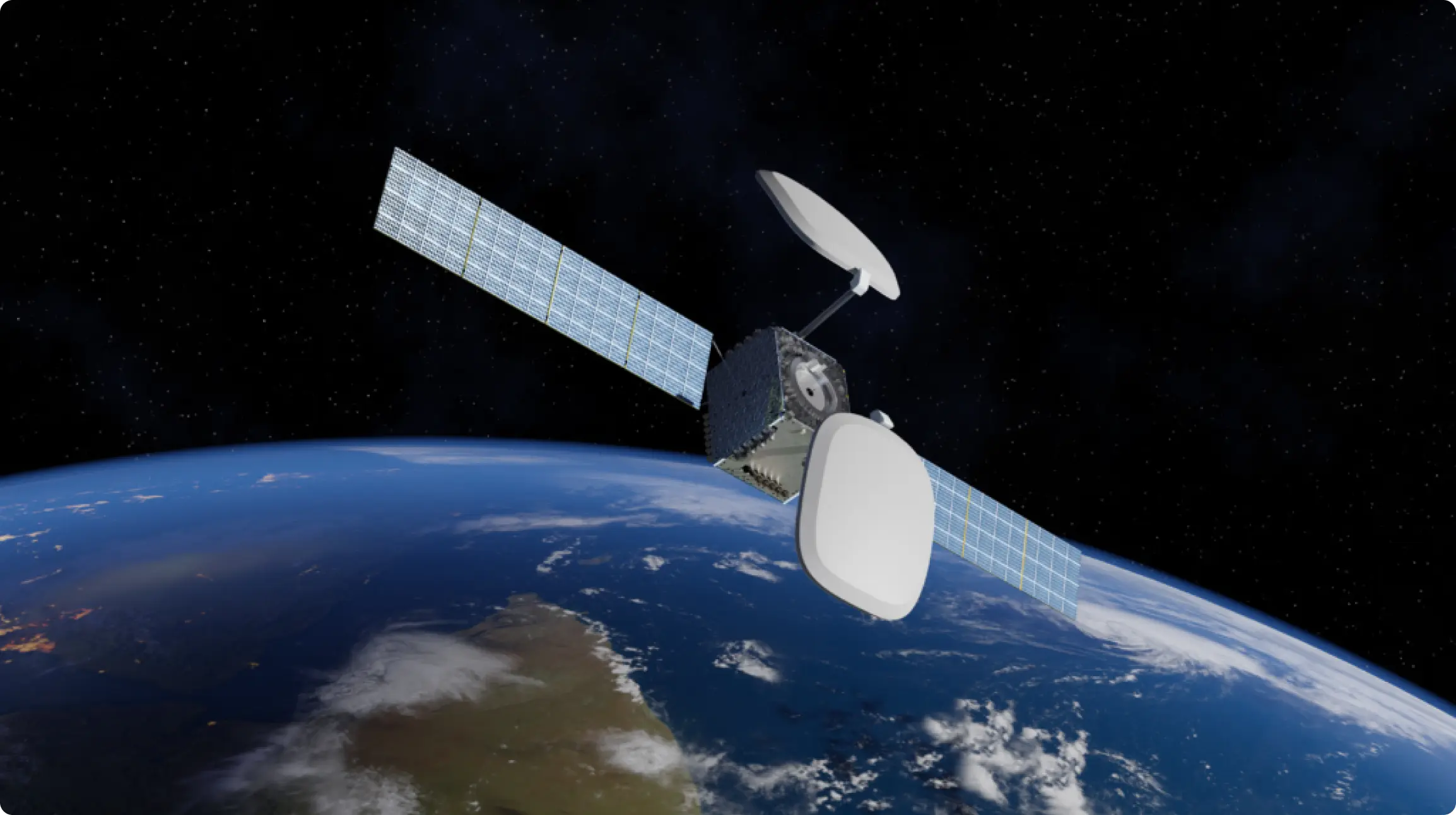
ARAMIS flexible payload. Image courtesy of SWISSto12
The leading industry analyst firm in the 3D printing/additive manufacturing sector, AM Research (formerly SmarTech Analysis) has been publishing market data and research reports since 2013, focused on the many important revenue opportunities in this industry. All AM Research reports are meant to offer strategic input to any senior executives who are planning market strategies for 3D printing products, as well as investors interested in taking equity positions in 3DP/AM firms.
In its latest report, AM Research sees the market for metal additive manufacturing hardware used in satellite production growing more than four times its current size by the year 2033. So in less than a decade, our analysts are forecasting that at least half of the metal components and parts on launched satellites could feasibly be fabricated using AM technology. Titanium and aluminum are, unsurprisingly, the most commonly used materials for satellite parts, but steels and nickel alloys are next in line.

Proprietary modeling and current AM Research data are used to build the penetration rates, forecasting, and market data that make up this report and others. Research and direct interviews with key industry players help contextualize the information.
The companies and organizations mentioned, or even profiled, in the AM Research report include those already mentioned above, along with SpaceX, Velo3D, Thales Alenia Space, Maxar Technologies, Markforged (now part of Nano Dimension), and the Department of Defense (DoD). The written report also includes a companion Excel market data file that you can download on your own computer.
You can purchase the new “AM for Satellites: a 3D Printing Market Opportunity” report by AM Research here. You can also request a free excerpt of the report.
Subscribe to Our Email Newsletter
Stay up-to-date on all the latest news from the 3D printing industry and receive information and offers from third party vendors.
Print Services
Upload your 3D Models and get them printed quickly and efficiently.











You May Also Like
3D Printing News Briefs: February 19, 2026: Market Data, Africa, Metal Parts for Defense, & More
We’re starting with some business news for you in today’s 3D Printing News Briefs! The Wohlers Report 2026 is now available, Carbon announced its new Chief Technology Officer, and Farsoon...
“A More Complete End-to-End Solution”: Stratasys Launches Post-Processing Partnership Program
I think it’s safe to say that post-processing is no longer considered the “dirty little secret” of 3D printing that it once was, with users realizing that finishing is just...
Why SiC-Dedicated Additive Manufacturing Is Gaining Industrial Relevance
Silicon carbide is not a material problem—it’s a manufacturing one. Silicon carbide (SiC) has become a critical material across semiconductors, aerospace, energy, and defense. Its exceptional thermal stability, chemical resistance,...
3D Printing News Briefs, February 5, 2026: Advisory Board, Virtual Twins, & More
We’re starting with business in today’s 3D Printing News Briefs, including a new website launched by Metamorphic AM. Massivit appointed two senior leaders to its advisory board, and Dassault Systèmes...