Nike’s 3D Printed Shoes Mix AM and AI into a Hype Sauce Yawnevent

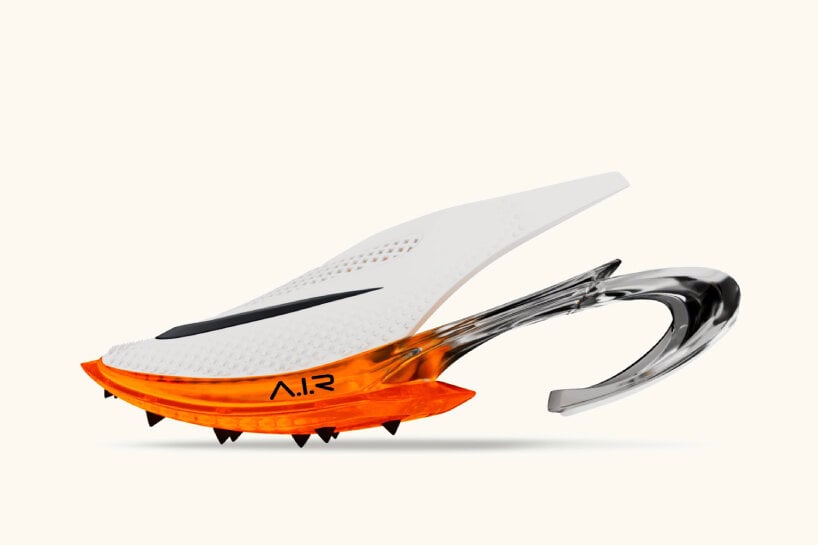
Nike has released Athlete Imagined Revolution (A.I.R), a line of 13 sneaker concepts featuring the use of additive manufacturing (AM). Developed from sketches through generative AI and interviews with Nike athletes, these shoes are not currently for sale. They appear to utilize powder bed fusion (PBF) to add or wrap parts around traditional footwear. Although definitely creative, this does not bridge the gap between the shoe industry, which is advancing with 3D printed footwear, and Nike, which has been a technological laggard.
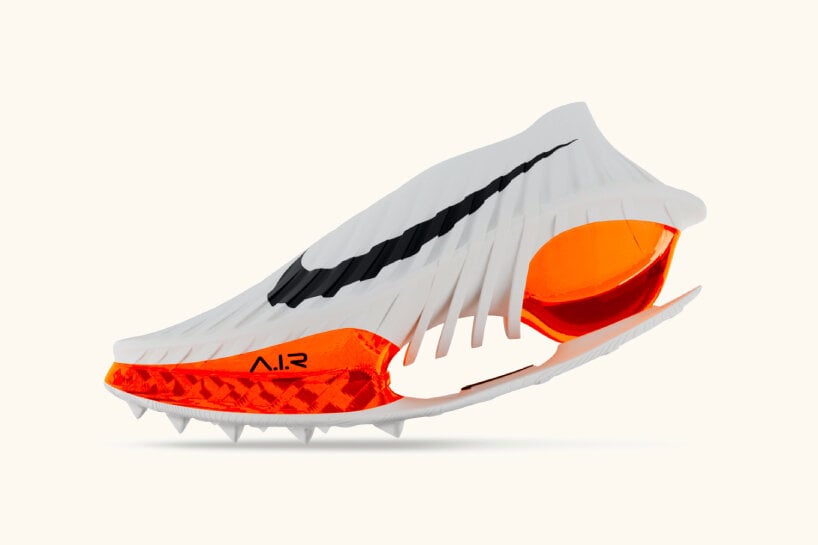
Personalized shoe projects at Brooks have been underway since 2017, featuring 3D scanning and 3D printing for footwear. Adidas has produced over 100,000 shoes across half a dozen models with additive insoles, while Puma has collaborated with Porsche Design on 3D printed shoes shoes. Decathlon has introduced 3D printed midsoles, Reebok has focused on fashion shoes, and Under Armour on running shoes. Asics has developed sandals and mountain climbing shoes, among others. Through Zellerfeld and Hilos, many brands, including Dior and Rains, have joined the 3D printing trend. In contrast, Nike’s latest collection appears to be more of a fun design exercise than a serious attempt at producing wearable footwear. This release seems to be a marketing event rather than a genuine product line, indicating that Nike does not seem intent on catching up to, let alone leapfrogging, other players in the market.
To create the A.I.R. suite, Nike used input from famous athletes like Kylian Mbappé, Erling Haaland, and Eliud Kipchoge to make shoes inspired by each of them. They asked the athletes about the people or places that inspired them, then used large language models to quickly generate images for discussion—a practice many designers already employ. After refining the concepts, presumably involving considerable typing, they revisited the athletes to present the designs. Then, Nike employed a method known as phygital design, creating 3D prototypes from these images using 3D printers. OMG people, the AM industry has been doing phygital design for decades now. All those prototypes and all those times you’ve magically made a 3D prototype from an image, this is phygital design, with ‘phy’ from physical and ‘gital’ from digital. This is standard industry practice and something many people I know do every day. I’ve been working on phygital design since 2009 and didn’t even know it, how about you? I’ve literally done four projects making 20 different products over the past months, all using ChatGPT and other large language models, showing those to customers, prototyping on desktop machines, iterating and then printing them out.
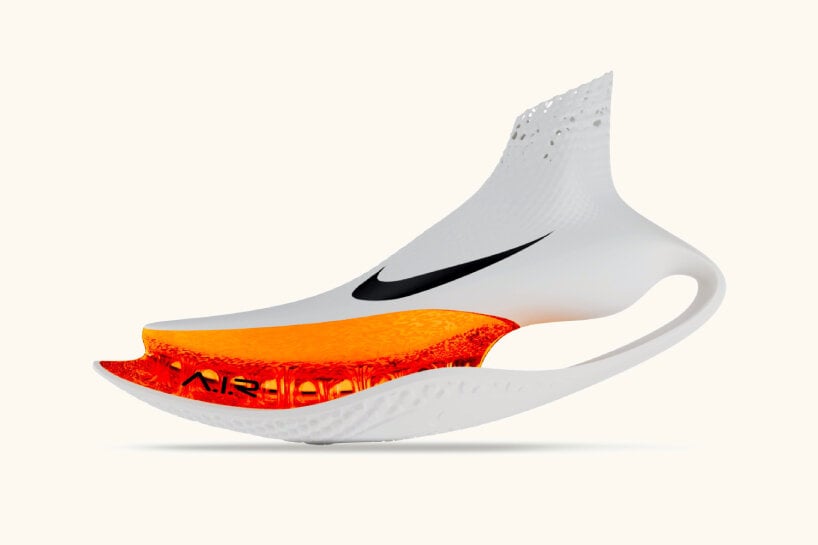
The shoes were then tested out on small machines and then printed on sintering systems at Nike Air MI, the plant that makes the air cushions. The only thing that Nike actually makes before being showcased at Palais Brongniart in Paris. Now I don’t want to be too negative here, but I was so excited when I read about a 3D printed Nike collection of shoes, and this was such a letdown for me. I just wish Nike would get its act together and make some wearable 3D printed shoes already. We are waiting for someone to up their game and really make shoes wearable. 3D printed shoes can be unique at every voxel, we can give them unique textures to heal or help your foot, they can be made for each of your feet, made unique for your size, made to perform just how you need them to. For any company truly interested in athletic performance having a higher performance shoe that is more comfortable is a no brainer. True to size, true to your foot and made just for you should be a frontier that is readily explored by a performance oriented company that wants to make better footwear. But, this is embarrassing, sloganeering and aping business processes that an entire industry has been using for decades and selling them as a new thing is just terrible. Nike, just do better.
Subscribe to Our Email Newsletter
Stay up-to-date on all the latest news from the 3D printing industry and receive information and offers from third party vendors.
Print Services
Upload your 3D Models and get them printed quickly and efficiently.













You May Also Like
The Manufacturing Race Behind the Drone Revolution
We are in the middle of a major manufacturing shift focused on the production speed and payload capacity of uncrewed aerial systems (UAS), or drones. A recent Manufacturing Dive article...
Kickstarter is Testing the Next Wave of Desktop 3D Printing
3D printers are raising serious money again…on Kickstarter, that is. Over the last few months, a new group of 3D printer campaigns has attracted millions of dollars and thousands of...
3D Printing News Briefs, October 1, 2026: Defense, Enclosures, & More
In today’s 3D Printing News Briefs, we’re starting with defense news, first from Massivit and then from AML3D. Then we’ll move on to U.S. manufacturing of a new large-format LPBF...
South Korea’s Lincsolution Lands Hanwha Defense Deal as Hanwha Invests Billions in US
I recently wrote about how the South Korean additive manufacturing (AM) firm Lincsolution is building an aerospace and defense hub, part of the company’s construction of “the largest AM facility in...