6K Additive & AMR Chart the Metal AM Terrain with Latest Survey

In the dynamic landscape of additive manufacturing (AM), metal AM is a formidable pillar of innovation. From the intricate designs of aerospace to the life-saving advancements in the medical sector, metal AM’s capabilities are decisively transforming industries across every vertical imaginable. As we navigate this technological crossroads, there’s a pressing need to deeply understand the current state of metal 3D printing and its untapped potential.
Additive Manufacturing Research (AMR), in collaboration with 6K Additive, have launched a new Metal AM in 2023 survey. This initiative aims to understand the opportunities and challenges within the metal AM domain, estimate its current usage, and predict future trends. By participating in this survey, contributors are adding to a comprehensive body of knowledge that can offer insights into the evolving landscape of metal AM. Complete the survey and receive a complimentary subscription to 3DPrint PRO articles. This premium bi-monthly content provides deep insight into the business complexities of AM, a resource valued at $149 per year.
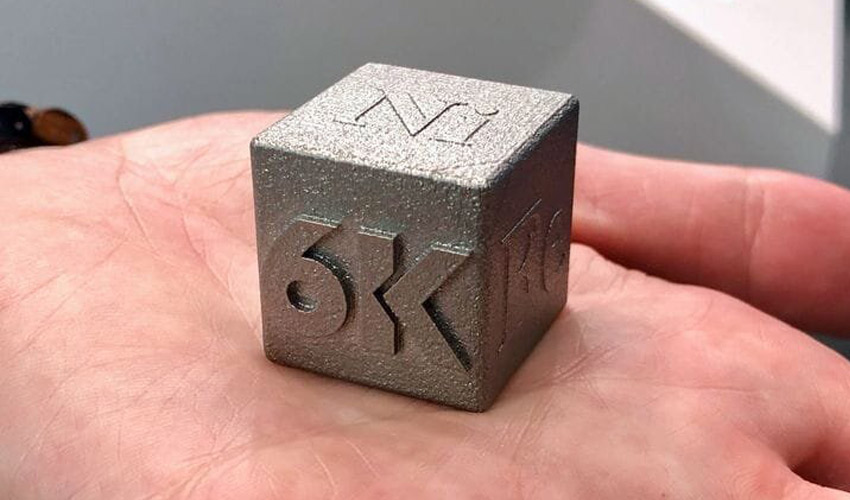 6K Additive metal powders. Image courtesy of 6K.
The Metal AM in 2023 survey seeks to gather a broad range of information about this subsegment within the AM industry. It aims to understand participants’ industry verticals and their involvement with metal 3D printing. With AMR estimating around 30 million metal parts produced globally via AM each year, the survey will help understand each organization’s role and contribution to this figure.
The survey emphasizes understanding which metals have been used for AM in the past year and assessing their suitability for various applications. Given the growing use of refractory metals in areas like hypersonics, medical devices, and aerospace, it also seeks to estimate organizations’ interest and use of these materials.
Understanding how organizations manage unused or spent powder, failed builds, and scrap is crucial. Moreover, the survey delves into how additive manufacturing scrap is viewed compared to conventional scrap. AMR and 6K Additive are eager to determine the duration typically taken to qualify a new material for applications and the key criteria organizations prioritize when purchasing their materials.
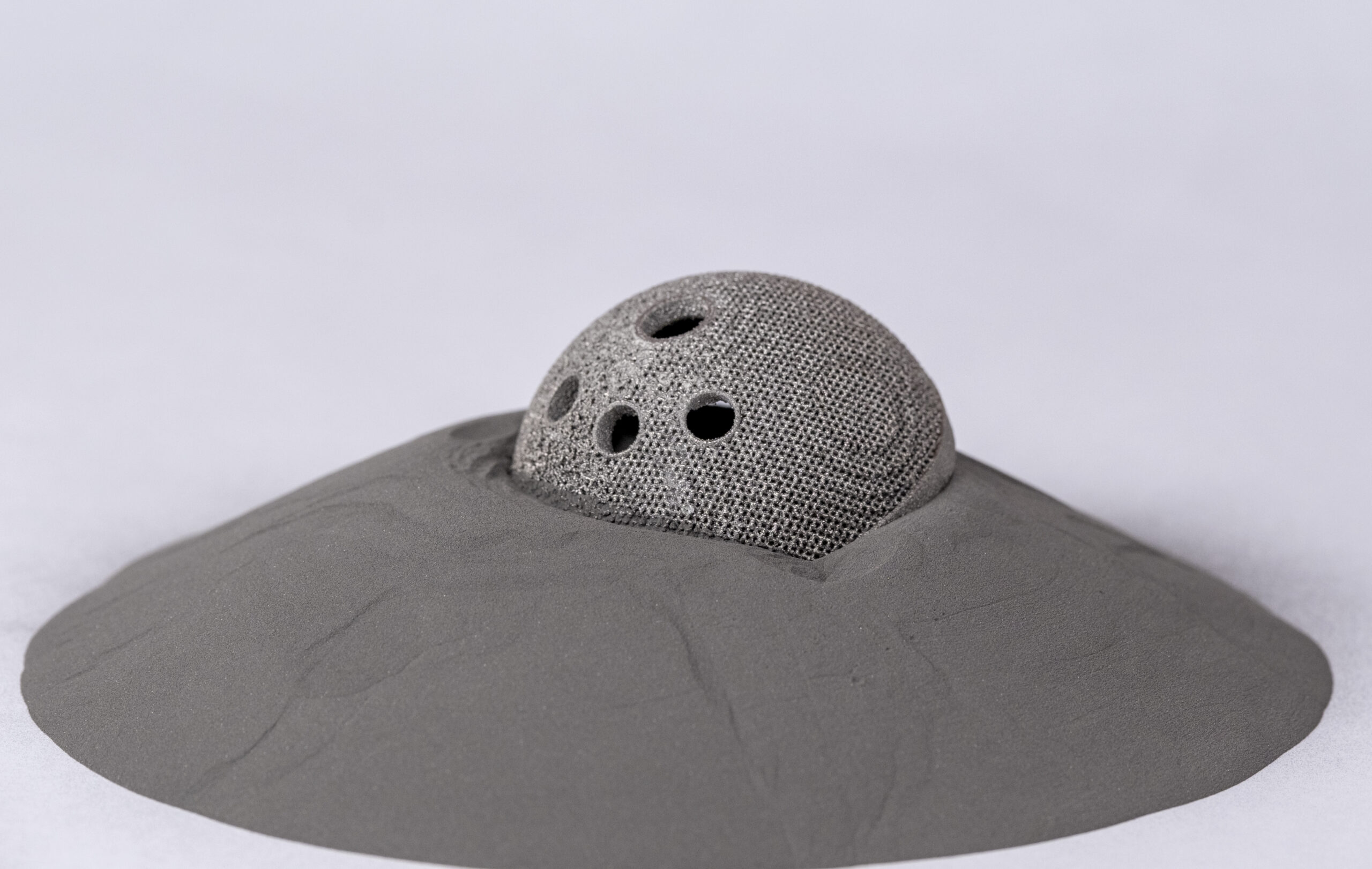 A hip cup 3D printed with used and out-of-spec implant powder. Image courtesy of 6K Additive.
Accurate data and market analysis are essential to effective decision-making. This is where organizations like AMR play a pivotal role in the industry. Formerly known as SmarTech Analysis, AMR has emerged as a powerhouse in market research dedicated to 3D printing and additive manufacturing. Furthermore, this rebranding initiative highlights the firm’s efforts to monitor and analyze key developments and trends in the space. For nearly a decade, AMR has examined the 3D printing industry every quarter, building a large database in the process. This data is recognized as one of the field’s most comprehensive and regularly updated analyses. Its offerings span industry reports complemented by tailored consulting for clients that need more profound insights, like 3D Systems, HP, Autodesk, BASF, and Siemens.
In this evolving landscape of AM, companies like 6K Additive have also established a niche, particularly in producing high-quality metal powders. The brand’s innovative methods, emphasizing sustainability through recycling, have made it a key player in the AM materials sector. The company can use its proprietary UniMelt® platform to produce powders from sustainable sources, such as recycled metals and alloys. This approach not only ensures premium quality but also promotes a greener, more circular economy in the AM industry.
As the metal 3D printing sector continues to rise, the collaboration between companies like AMR and 6K Additive highlights the importance of data-driven choices. By bringing together different viewpoints from the industry and sharing knowledge, the road ahead for metal AM looks promising, marked by innovation and steady progress in 3D printing.
For those interested in participating in this vital exploration of the Metal AM landscape, the survey can be accessed here. Your responses will contribute to a comprehensive understanding of current practices, challenges, and opportunities in the Metal AM industry. Join the conversation and help guide industry direction.
Subscribe to Our Email Newsletter
Stay up-to-date on all the latest news from the 3D printing industry and receive information and offers from third party vendors.
Print Services
Upload your 3D Models and get them printed quickly and efficiently.











You May Also Like
Where the Money Is Going: The New Infrastructure Landscape
This is Part 1 of a two-part PRO series examining where infrastructure investment is flowing and how those trends are reshaping manufacturing, energy, logistics, and additive manufacturing. Part 2, by...
3D Printing & Drone Dominance: Speed, Performance, and Derisking the Supply Chain
A shift is underway in drone manufacturing. Government programs like the U.S. Department of War’s Drone Dominance, a $1.1 billion effort to deliver low-cost, one-way attack (OWA) sUAS at scale,...
3D Printing Financials: Stratasys Bets on Defense and Drones as Printer Sales Slow
Stratasys (Nasdaq: SSYS) started 2026 with lower revenue and a larger loss as customers continued to slow down spending on new 3D printers. Still, the company pointed to stable recurring...
INDOPACOM Advanced Manufacturing Team Saves Thousands Per Week at Joint Exercise in the Philippines
In the summer of 2025, the US Indo-Pacific Command (INDOPACOM) opened a new advanced manufacturing facility at Schofield Barracks, the Hawaiian home of the US Army’s 25th Infantry Division. INDOPACOM...