RIC Robotics Collaborates with K4k Construction on 3D Printed ADU in Sacramento

In 2024, RIC Robotics, the additive construction (AC) firm based in Denver, completed the build of an accessory dwelling unit (ADU) in Walnut, California, which was apparently an industry first. In his post about the build that he wrote at the time it was announced, Joris Peels noted how ADUs could be a winning application for 3D printed construction, given their relatively small construction footprint combined with the manageable size of the market relative to AC capacity.
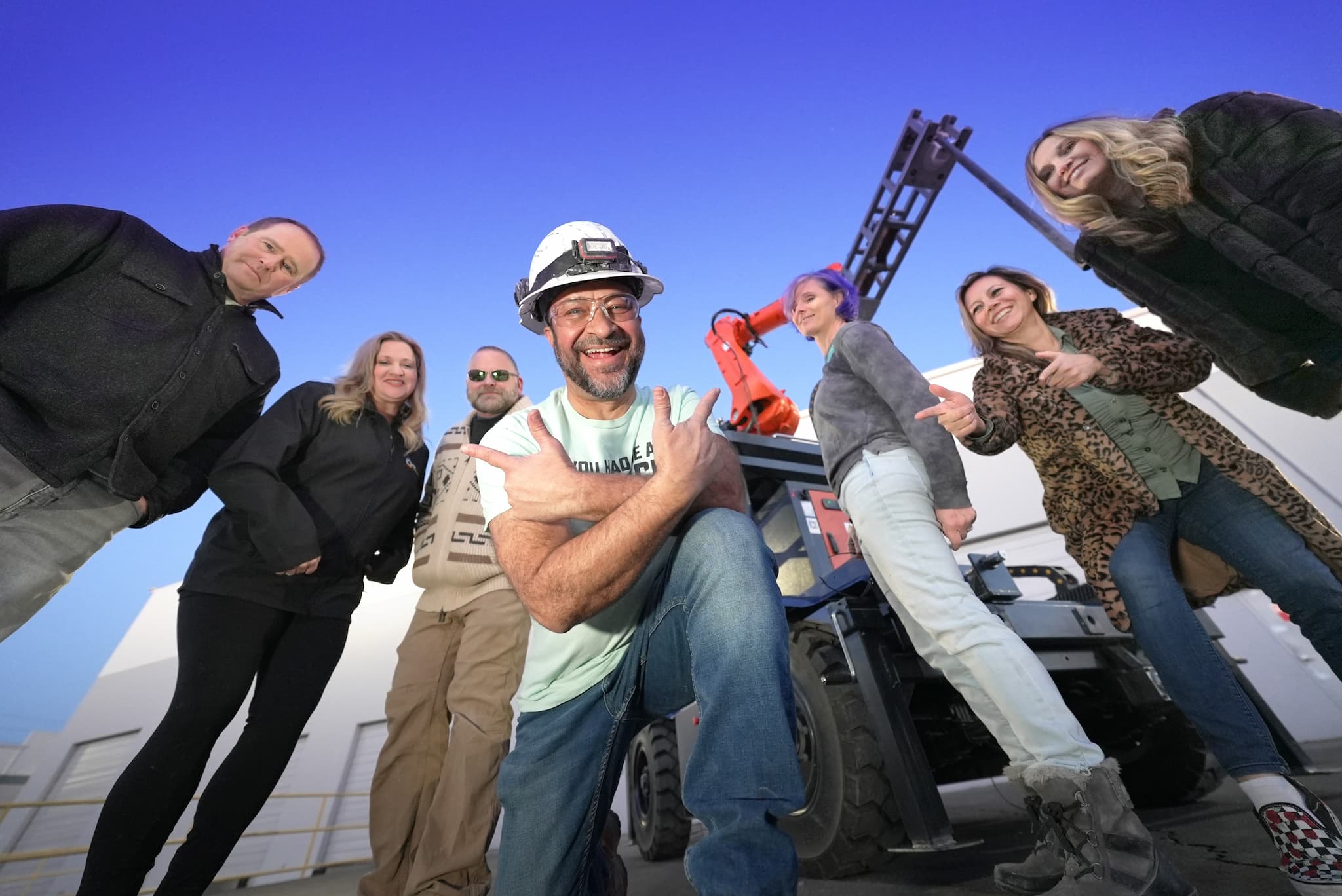
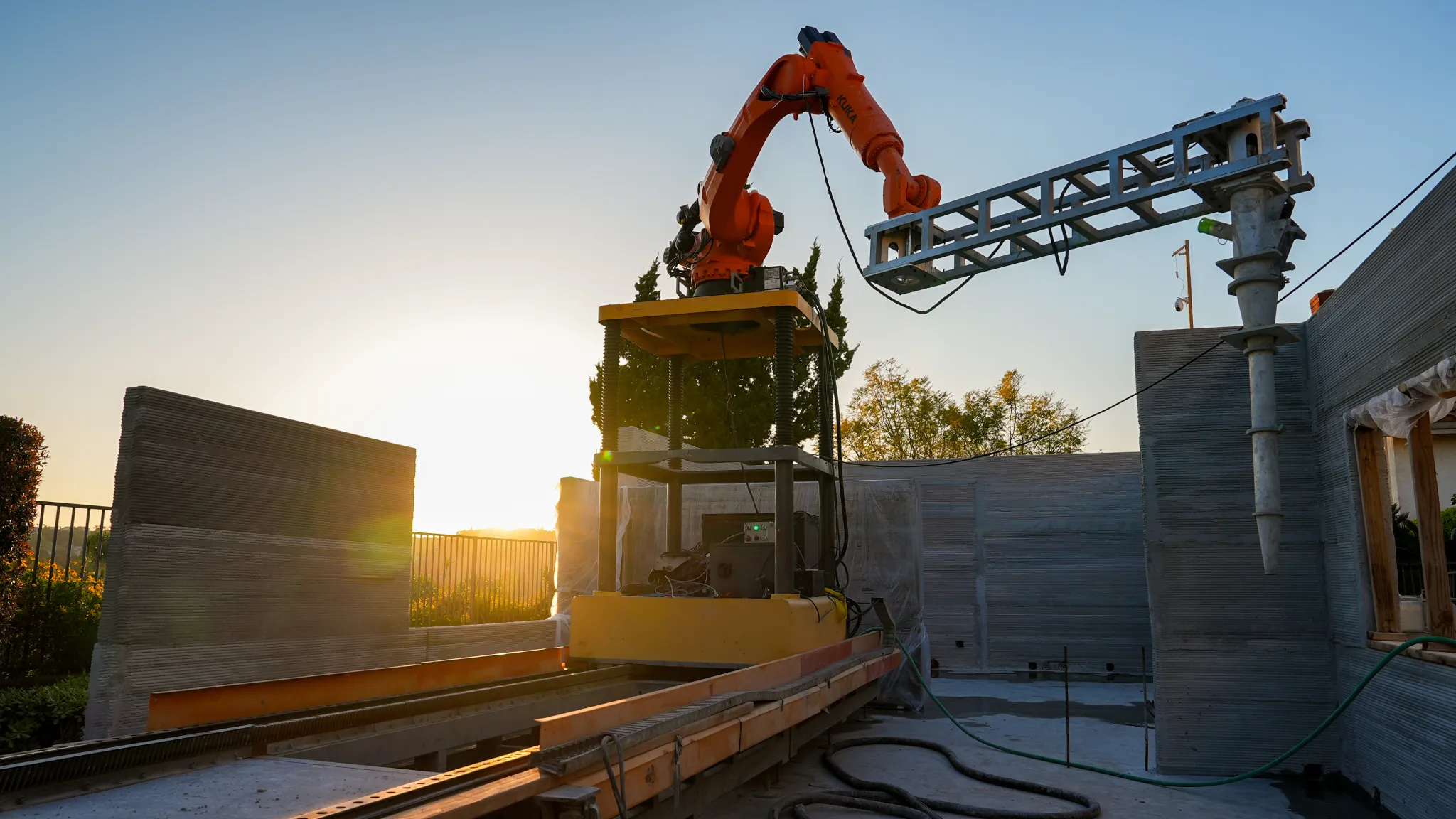
Now, RIC Robotics is announcing that it has followed up on that 2024 project with an ADU in Sacramento, which is the first permitted 3D printed building in California’s capital city. The build was executed by K4k Construction, a local company aiming to leverage AC hardware to help customers reimagine what to expect from the construction industry.
In that vein, K4k has put its money where its mouth is: the build actually took place on property owned by the company’s founder and CEO, David Gonzalez, and his wife, Estelle, an engineer at K4k. According to RIC, K4k completed the build of the wall system for the 1200 square foot dwelling in just 12 days, with the home destined for Estelle’s parents.
The news comes right after RIC Robotics announced that, along with partners in Colorado, it has begun work on a unique community in the state that will include dozens of 3D printed homes — what RIC Robotics is calling the first standalone metro district built with the latest generation of advanced construction technologies. RIC Robotics is also the company whose hardware is behind Alquist’s collaboration with Walmart, rounding out the diverse range of venues where its technology is being showcased.
In a press release about K4k’s use of RIC Robotics’ AC hardware to build an ADU in Sacramento, David Gonzalez, the co-founder and CEO of K4k, said, “When we decided to build this home, it wasn’t simply about trying a new construction method, it was about proving that innovative technology can deliver high-quality, code-compliant housing while helping address some of the biggest challenges facing our industry. Building this home for our own family gave us complete confidence in technology, and reaching this milestone reinforces our belief that autonomous construction is a practical solution that can help shape the future of homebuilding.”
First off, is David Gonzalez not the son-in-law of the year? As for the project itself, I think it’s a pretty genius idea. Aside from everything Joris wrote about AC for ADUs in 2024, this specific build gives K4k instant credibility with potential customers.
Moreover, putting the project right in Sacramento, maximizing its visibility and accessibility to state lawmakers, is good marketing, but it’s equally important in terms of the precedent it sets for the permitting process going forward. As I noted in the post on the in-progress community in Colorado, one of the ways that AC could benefit from changing federal policy on affordable housing is by a streamlined permitting process for builders working from a catalog of pre-approved designs.
Ziyou Xu, the founder of RIC Robotics, said, “This project demonstrates that autonomous construction has moved beyond experimentation into real-world residential development. By successfully delivering a permitted residential project, we’re demonstrating how robotics can help builders meet growing housing demand more efficiently while maintaining the quality and standards homeowners expect.”
Now that this home has officially been permitted in the capital, counting as at least the second 3D printed ADU in California, state lawmakers there have a pre-approved design validated multiple times that they can reference in aligning California policy with federal policy on affordable housing. A proof of concept is one thing, but a proof of concept that has been permitted, in this context, is the genuine beginning of commercial viability.
RIC Robotics may be the character foil that ICON needs in order to stay motivated. I like that the two companies, in addition to providing such different technologies, also seem to have fairly different business models. If it is indeed in the process of reinventing itself, the construction industry needs as many different viable solutions on the table as it can get right now.
Images courtesy of K4k
Subscribe to Our Email Newsletter
Stay up-to-date on all the latest news from the 3D printing industry and receive information and offers from third party vendors.
Print Services
Upload your 3D Models and get them printed quickly and efficiently.













You May Also Like
AM & National Competitive Advantage, Part One: the Real Problem with US Manufacturing
The problem with US manufacturing is the productivity growth rate. Depending on the source, US manufacturing productivity has either been flat or slightly declined since 2010. Before going any further...
Advanced Manufacturing at IMTS 2026: 3D Printing and AI and Drones, Oh My!
Last week’s International Manufacturing Technology Snow (IMTS) in Chicago welcomed over 90,000 attendees to the jungle that is McCormick Place. With over 1.17 million square feet of exhibit space, and...
Let the Games Begin! Xi Throws Down the Advanced Manufacturing Gauntlet
Sangmin Lee went to TCT Asia back in March and reported on the event for 3DPrint.com. He wrote two articles arguing that China’s AM industry looks “ready to scale.” This...
What 3D2GO Says About 3D Printing’s Growth in Southeast Asia
The Philippines offers an interesting case study in how 3D printing can develop in Southeast Asia, and Manila-based 3D2GO helps illustrate it. 3D printing in Southeast Asia doesn’t have to...