Janne Kyttanen: Live Entrepreneurship and 3D Printing Value Networks 3D Pops in Retail


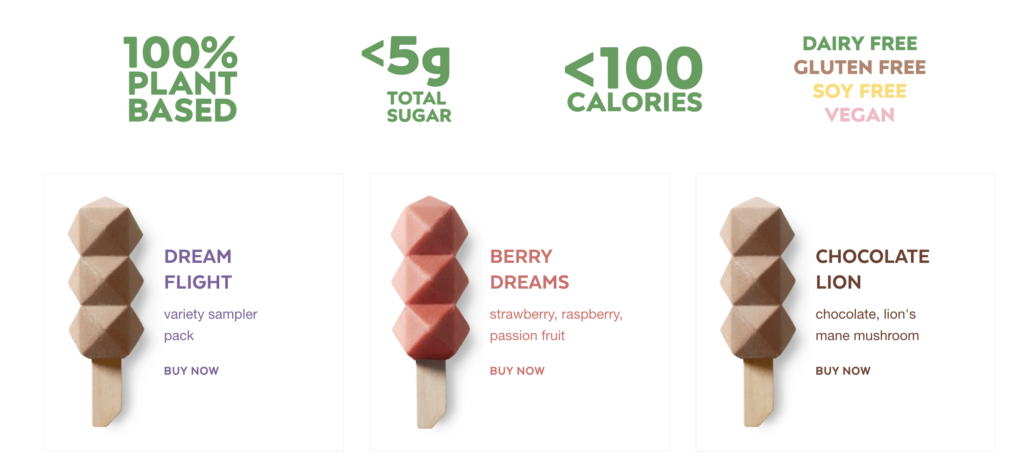
This time on my 3D Value Networks chats, I had the pleasure of chatting with David Greenfeld, co-founder and CEO of Dream Pops. Dream Pops develops innovative, plant-based foods. Their ice creams are dairy- and gluten-free, have less than 100 calories, and less than 5 grams of sugar. We spoke about Dream Pops’ path to market in retail and how it got where it is today.
If I could summarize three key takeaways from our talk, they would be:
1. The hardest part is not getting onto the shelves, but flying off them and then staying in the mix
2. Patience is a virtue. If you go too fast to retail and you have not built your following prior, you have a big chance of being dropped out and never to return again
3. Magic and the X-factor do not come from easy solutions.
If you wish to understand what it takes to get 3D printing empowered products in high volume retail, please follow this link for the entire interview.
Subscribe to Our Email Newsletter
Stay up-to-date on all the latest news from the 3D printing industry and receive information and offers from third party vendors.
Print Services
Upload your 3D Models and get them printed quickly and efficiently.













You May Also Like
Metal 3D Printers for the Desktop Are Finally Starting to Feel Like Desktop Products
FDM 3D printing is becoming increasingly accessible, yet metal 3D printers designed for everyday desktop use remain rare on an ordinary workbench. The real challenge is not making a metal...
What 3D2GO Says About 3D Printing’s Growth in Southeast Asia
The Philippines offers an interesting case study in how 3D printing can develop in Southeast Asia, and Manila-based 3D2GO helps illustrate it. 3D printing in Southeast Asia doesn’t have to...
The Frankenservice Part 2: Have Your Cake and Eat it Too
This series of articles delves into a thought experiment. What if we let go of using a few machines very optimally, but instead use lots of different machines to meet...
Silencer Market Set to Test Metal Additive’s Readiness for Production Prime Time With Enormous Market Expansion
Throughout the history of additive manufacturing (AM) technologies, there are only a couple of really interesting case studies in which we see a market significantly disrupted and revolutionized by AM....