Rare Museum Artifacts, Now Available for Purchase and Print at 3D Design Marketplace, Threeding

 Just yesterday, we published a story about the UCL Petrie Museum of Egyptian Archaeology, beginning to scan and upload interactive 3D models of their artifacts for anyone to view. Today, we learn that things are beginning to progress even more quickly for the digitalization of museum artifacts.
Threeding, a marketplace for digital 3D designs, which just launched a redesign of their entire website yesterday, has informed 3DPrint.com that they have signed contracts with several museums to 3D scan and sell 3D printable copies of their artifacts.
“It is especially interesting our cooperation with the archeological museum of the Black Sea City of Varna,” explained Stan Partalev, Founder of Threeding.com to 3DPrint.com this morning. “The city has been under the control Thracians Kingdom, Greeks, Roman, Ottoman Empire and Bulgarians.”
Currently there are 20 objects from the museum in Varna, but by next week, they expect to add over 100 more. On top of this, there are 23 objects currently available for purchase and print from the Historical Museum of Pernik.
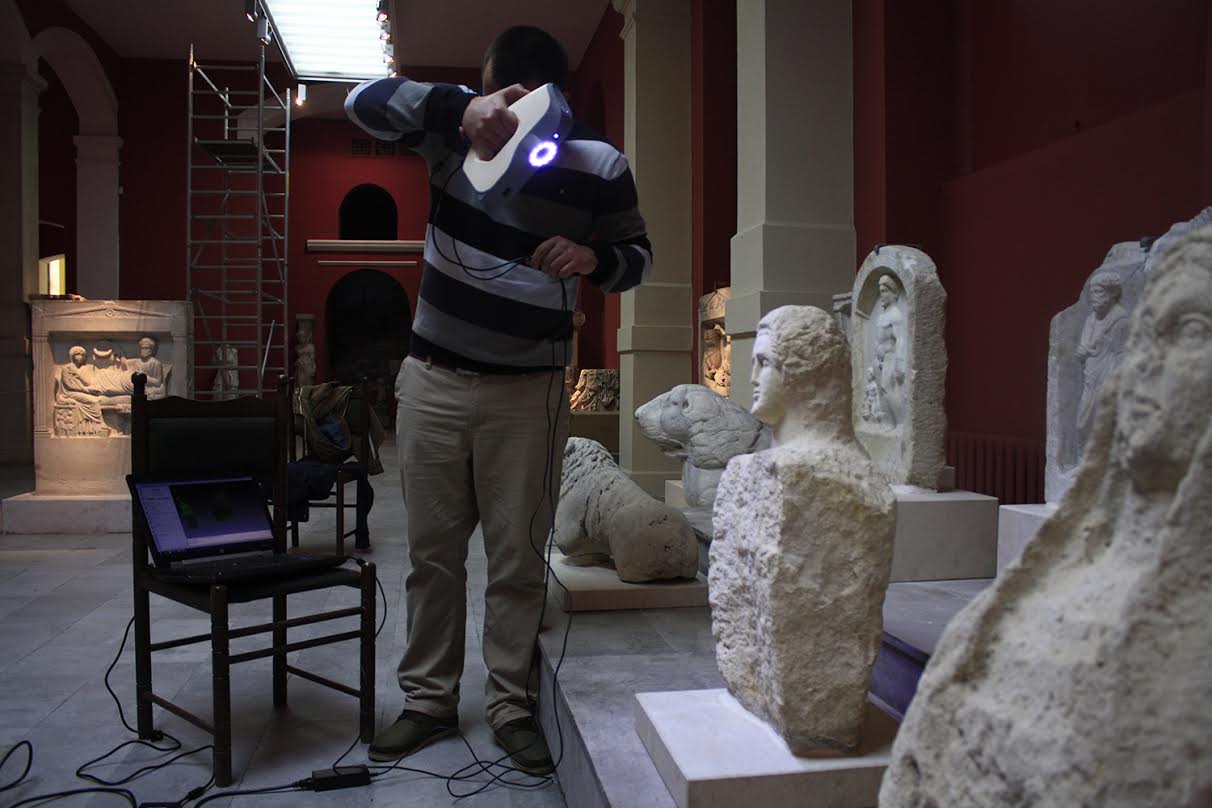
“Our aim is to add in our portfolio at least 1000 objects in the next couple of months,” said Partalev. “We have the privilege to be based in one of the richest regions in terms of historical artifacts, so we have a lot to scan.”
Also on Threeding, are 40-50 antiques provided from private collections. Threeding is currenlty scanning objects from other museums as well, including models from the Art Academy of Sofia, and the Hunters Museum. Located in Bulgaria, Threeding is currently negotiating with most of the Bulgarian museums as well as a couple of museums in Greece, to digitalize and sell their artifacts.
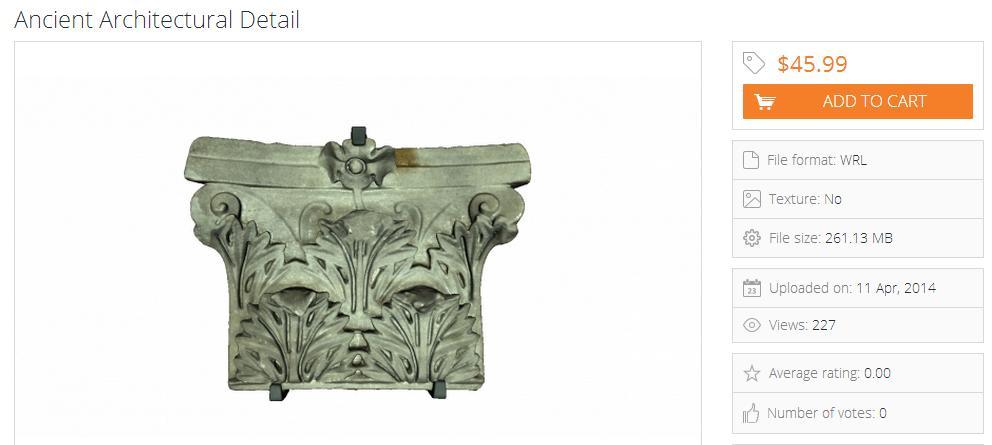
So you may wonder exactly how they have managed to have these famous museums agree to cooperate.
“We usually work with a very simple model; we 3D scan artifacts and pay royalty for each sale through the website,” said Partalev to 3DPrint.com. “Furthermore, we give for free the scanned models for education and restoration purposes.”
This could be the start of something special, in the world of ancient history. Imagine all the schools that could have their own 3D printed museums for students to browse and research. It is nearly impossible for students to travel all around the world in order to see these ancient pieces of history. However, if a replica could be printed out on a 3D printer that is located in the school, the possibilities are endless.
Be sure to check out the redesigned Threeding.com. Also check out all the photos of the scanning process that Stan Partalev was nice enough to share with us, in the Threeding discussion thread on 3DPB.com
Subscribe to Our Email Newsletter
Stay up-to-date on all the latest news from the 3D printing industry and receive information and offers from third party vendors.
Print Services
Upload your 3D Models and get them printed quickly and efficiently.













You May Also Like
10 Years of Multi Jet Fusion: Onsite at HP’s Vancouver, Washington Facility
At this year’s RAPID event in Boston, HP Additive Manufacturing Solutions celebrated ten years in the additive manufacturing (AM) market. The company ushered in the milestone with several innovations, including...
These 3D Printed Lattices Can Sense Damage Before Failure
A new paper, “Full-Field Damage Monitoring in Architected Lattices Using In situ Electrical Impedance Tomography,” points to lattices being able to detect damage. This could really help composites in critical...
3D Printing News Briefs, October 3, 2026: Hypersonics, Hotends, & More
We’re starting off with defense in this weekend’s 3D Printing News Briefs, as Titomic was awarded a $5 million U.S. defense contract, and VulcanForms announced a partnership with Specter Aerospace...
3D Printing News Briefs, October 1, 2026: Defense, Enclosures, & More
In today’s 3D Printing News Briefs, we’re starting with defense news, first from Massivit and then from AML3D. Then we’ll move on to U.S. manufacturing of a new large-format LPBF...