LSD Effects Without LSD? 3D Printed ‘MOOD’ Glasses Provide Psychedelic Visuals


 If you want all of the visual experience of psychedelic music with none of the nasty side effects of doing heavy drugs, then the MOOD glasses created by Hungarian designer Bence Agoston might be exactly what you are looking for. The glasses were the result of a class project in which each student was assigned another student in the section for whom they had to design some personal object. Agoston and his classmate quickly found a connection in music and so Agoston set about the task of designing something that would enhance the listening experience.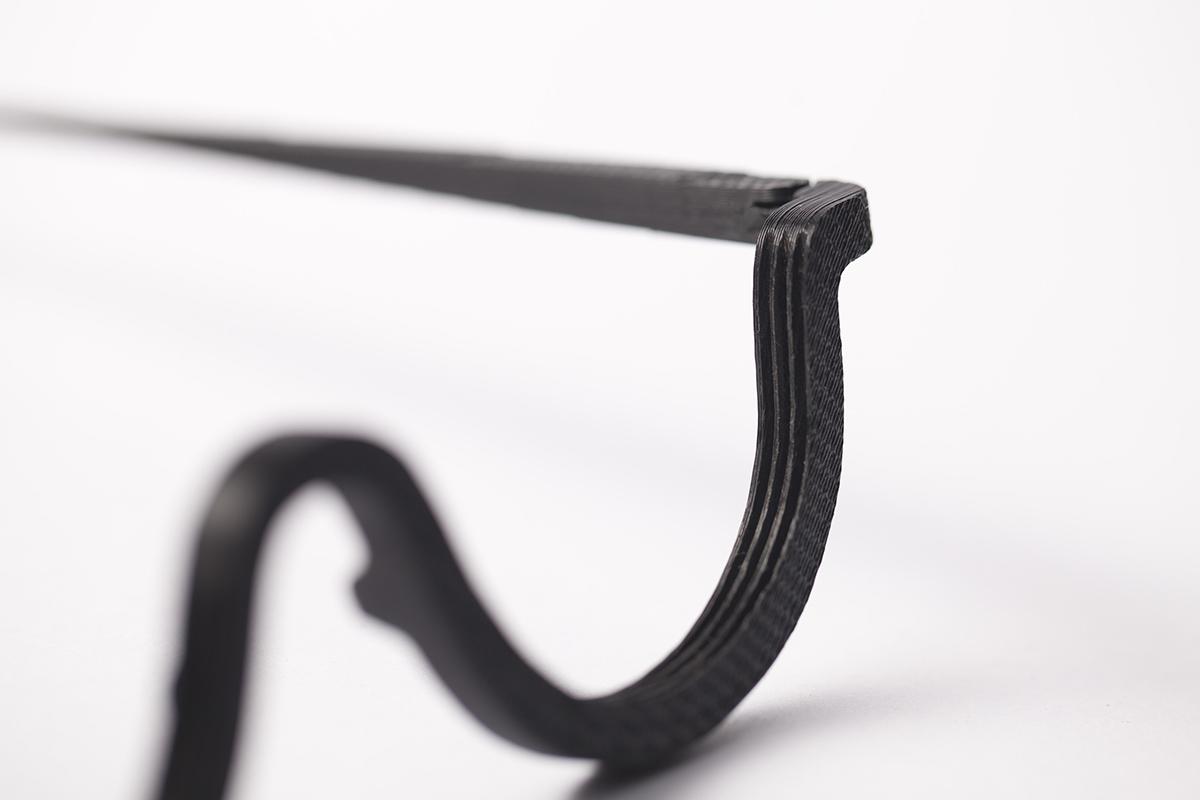
“The person for whom I was designing, whose name I pulled from a hat, first had to get to know each other to see if we could find a common point,” said Agoston. “I interviewed my ‘client’ and luckily he really likes music and he always listens to music while he is traveling. That became the point for our connection because I also love music, but I just listen to it, really a first stage kind of activity. When embarking on this project my goal was to take it to a second stage and give the user a way to experience music by both listening to it and altering their visual experience of it.”
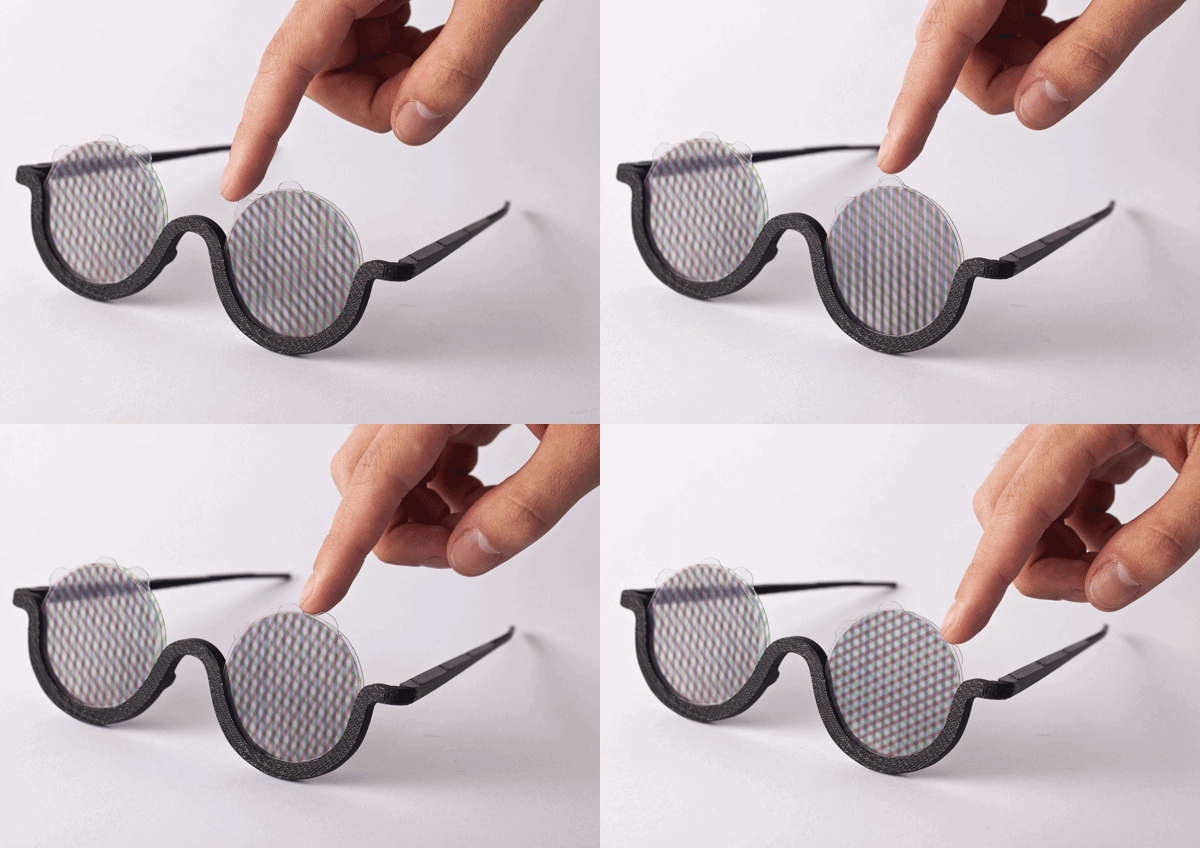
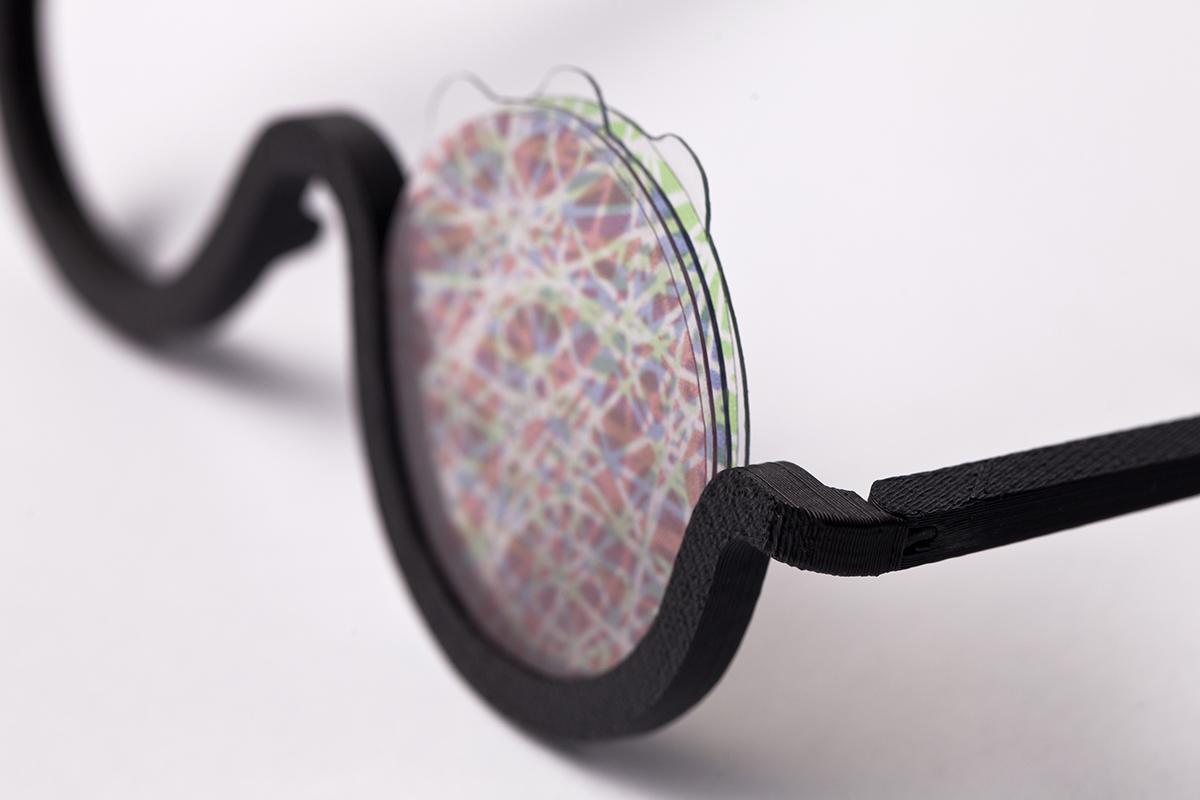
The frames themselves, 3D printed in ABS plastic, are designed to accept a number of different patterned lenses that can be combined in a variety of ways. In addition to layering the lenses, they can be twisted in relationship to each other to further vary the options for viewing. Looking through the lenses creates a landscape modified by combinations of colors and patterns. In other words, you shouldn’t wear these while driving. But combined with a changing landscape, such as that seen from the window of a moving vehicle, the visual experience becomes sufficiently distorted that it can provide the psychedelic experience without requiring the ingestion of mind-altering substances.
 Agoston notes that while he designed the glasses for a particular type of music, he is working with the idea that different lenses may be required for different music.
“Originally, I designed the lenses for psychedelic music, or indie mostly, that’s why I selected the three colors for the lenses. I researched the colors used in the visuals that accompany that kind of music on album covers, in photos, etc. and these were the three most common. At this point I don’t want to rule out the possibility that I will make other patterns and colors for other types of music. However, the feedback I have gotten from those who use my glasses is that they enhance most types of music; they make the experience richer and more intense,” Agoston explains.
Agoston is quick to reassure that he did not use drugs to inspire him but he is glad that there is a note of humor in his creation. Sure you could just close your eyes, but you’d look better with a pair of MOOD glasses…just take them off before trying to exit the train. Let us know if these glasses might brighten your outlook in the 3D Printed MOOD Glasses forum thread over at 3DPB.com.
Subscribe to Our Email Newsletter
Stay up-to-date on all the latest news from the 3D printing industry and receive information and offers from third party vendors.
Print Services
Upload your 3D Models and get them printed quickly and efficiently.













You May Also Like
Australia’s AMCRC Funds Titanium 3D Printing R&D
In terms of the global economy’s presently existing state, there is no realistic path to economic resilience that doesn’t start with critical minerals security. This is a problem for pretty...
Phillips Corporation Rebrands Additive Hybrid Division, Now Called Phillips Advanced Manufacturing
Phillips Corporation announced that it will rebrand its Additive Hybrid division to become Phillips Advanced Manufacturing. The focus will now be on advanced manufacturing in the broadest sense. Brian Kristaponis...
AMCRC to Give $3.25 Million to SMEs & Startups Adopting 3D Printing in Australia
Australia’s Additive Manufacturing Cooperative Research Centre (AMCRC) is set to give $3.25 million in funding to Australian startups and small- and medium-sized enterprises, or SMEs. The money will go to...
Austal, Curtin University and AMCRC Work on R&D Together
Australia’s Additive Manufacturing Cooperative Research Centre (AMCRC) works with 70 industry partners to deliver collaborative R&D projects. They also work on workforce development and technology transfer. It’s kind of analogous...