Nestle Researchers are Looking to Create a ‘Star Trek’ Replicator or Food Synthesizer


If you are a fan of Star Trek, then probably one of your favorite futuristic gadgets on the show is the Star Trek Replicator. The Star Trek Replicator, not to be confused with the MakerBot Replicator, was a 24th century  device capable of materializing any non living object, as long as the molecular code for that object was on file. The Replicator was an advancement of the 23rd century’s ‘food synthesizer’ on the show.
During the original Star Trek series in the 1960’s, I’m willing to bet that most viewers would have viewed such technology as a mere pipe dream, even if the shows plot took place around the 2260’s. The incredible thing is that we are actually beginning to see the early versions of both the replicator, and the food synthesizer. In fact, Mega-billion dollar Swiss company, Nestle, is trying to create the latter.
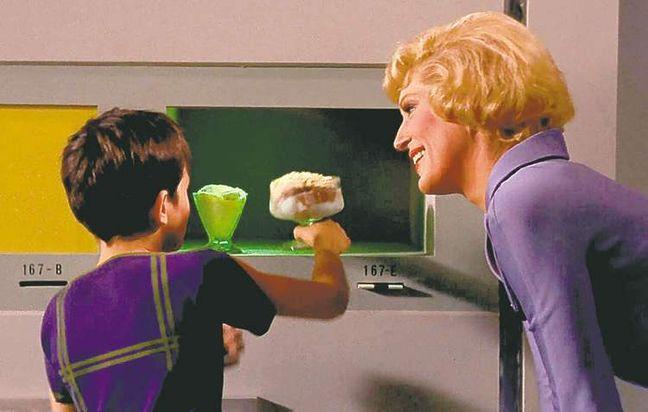
The Star Trek Food Synthesizer
Nestle, known for their lineup of candy bars, dairy products and frozen foods, is spending big bucks on research and development so that they can manufacture customized food, dependent on a person’s health. In fact this project means so much to the company that they are said to have 110 scientists working on various forms of nutritional science projects, which includes linking vitamin deficiencies to illnesses like cancer and diabetes. The program, which is code-named ‘Iron Man’, looks to eventually use a device similar to that of their Nespresso machines to tailor supplements for an individual’s needs, as well as possibly 3D print them into food.
“Iron Man is an analysis of what’s missing in our diets, and a product, tailored to you, to help make up that difference,” NIHS director Ed Baetge told Bloomberg, “In the past, food was just food. We’re going in a new direction.”
Star Trek Replicator

Ultimately the goal of the company is to figure out a cheap and fast method of analyzing a person’s dietary needs, or those supplements they are lacking. They then hope to feed this information into a machine, which could work in the same basic way as their Nespresso machines do, in that the user puts several powder capsules into the machine, and then it synthesizes a customized meal for that person. The chief of Nestle’s Institute of Health Sciences (NIHS), Emmanuel E. Baetge, says that the machine could eventually work like the Star Trek Replicator, to synthesize a meal.
“Out comes your food at the press of a button,” Baetge said. “If we do this right, it can be the next microwave in your kitchen.”
Such technology is still likely over ten years away, but Nestle will continue to make strides in its development. The first machines may not function like that of the ‘food synthesize’ from Star Trek, but it’s certainly a pretty interesting step towards such technology.
Do you think that Nestle will eventually produce a ‘food synthesizer’? How many years off are we from an eventual device which works like that of the Star Trek replicator? 20, 50 100, 200? Let’s hear your opinion in the Nestle food sythesizer forum thread on 3DPB.com
[Source: Bloomberg]Subscribe to Our Email Newsletter
Stay up-to-date on all the latest news from the 3D printing industry and receive information and offers from third party vendors.
Print Services
Upload your 3D Models and get them printed quickly and efficiently.











You May Also Like
Beyond the Prototype: How TPM3D Is Putting Industrial SLS to Work on the Factory Floor
A structural component for an autonomous police patrol vehicle in Dubai went from weighing 27 kilograms to just four. Delivery time dropped from seven days to two. The component was...
AMPulse Asia: The Push to Scale Up 3D Printing
China’s latest metal AM investments, Japan’s new hybrid manufacturing systems, and Australia’s defense-related projects lead this edition of AMPulse Asia. The 12 stories also cover advances in single-crystal 3D printing,...
Kratos Buys an AMCM M 8K to Increase Its AM Capacity in Indiana
As is true concerning the growth of any market, increasing AM adoption happens primarily through industrial clusters, hubs of economic activity which harness and accelerate innovation. While Indiana may not...
Aurora Labs Raises A$6M to Scale 3D Printed Turbojet Production
Australian metal 3D printing company Aurora Labs (ASX: A3D) is raising A$6 million ($4.2 million) to expand production of its small turbojet engines for defense and aerospace customers. The financing...