VirtuMake & Shapeways Create the First 3D Printed Porcelain Figurine From 3D Scanned National Monument

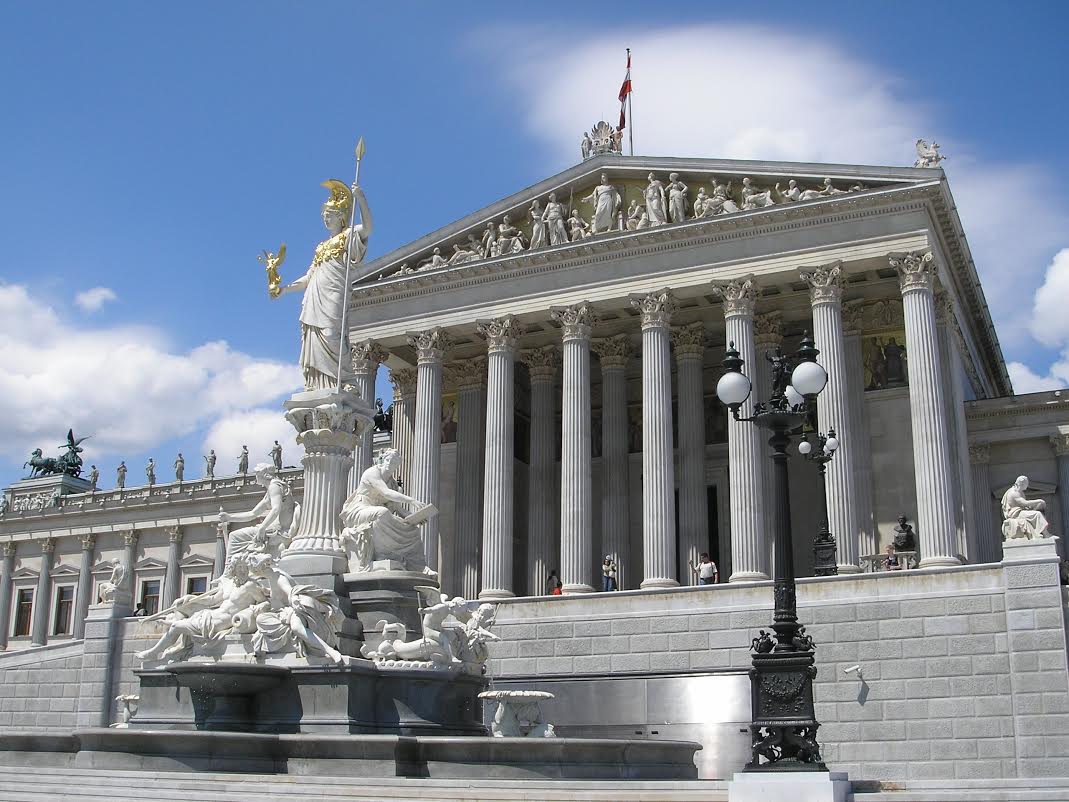
Austrian Parliament
Back in November, we reported on something new to the 3D printing space; porcelain. Shapeways, at the time, announced the launch of this new 3D printing material option. While the porcelain itself isn’t actually 3D printed, Shapeways uses selective laser sintering 3D printers in order to create molds for the porcelain. Today comes news that this method, which still remains in a beta phase, was used to create a porcelain figurine of a 3D scanned statue.
The project, a collaboration between VirtuMake and Shapeways, really goes to prove that 3D printing can be used to create virtually any custom porcelain object that a designer can conceive of or scan into their computer.
Using an Artec Eva 3D scanner, VirtuMake was able to create a 3-dimensional scan of the famed “Giffin Sculpture” located in front of the Austrian House of Parliament, and then turn it into a 3D printable model. They decided to use the Griffin sculpture because it is a unique piece of art, and they wanted to explore the potential that handheld scanners like the Eva had in outdoor situations.
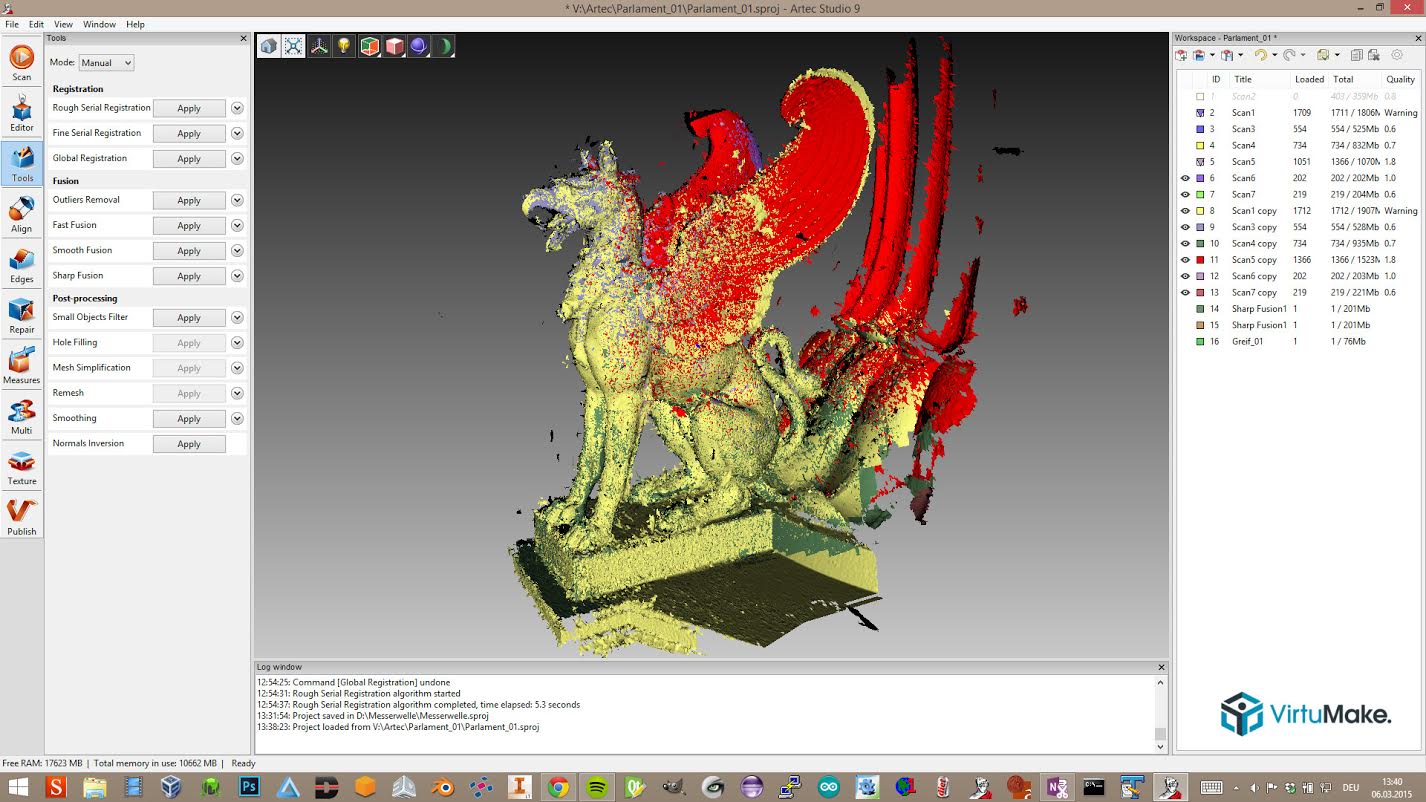
“We did an outdoor 3D scan of a Griffin sculpture,” Bernhard of Virtumake tells 3DPrint.com. “We are lucky to be part of Shapeways’ beta phase of 3D printing procelain. The scan was done within a few minutes. We received the printed figurines today and were astonished at the quality of the prints. You have to hold it in your own hands to feel how awesome the perfect glazed surface is and the 16 cm figurines have quite some weight, so you get the impression of a premium product.”
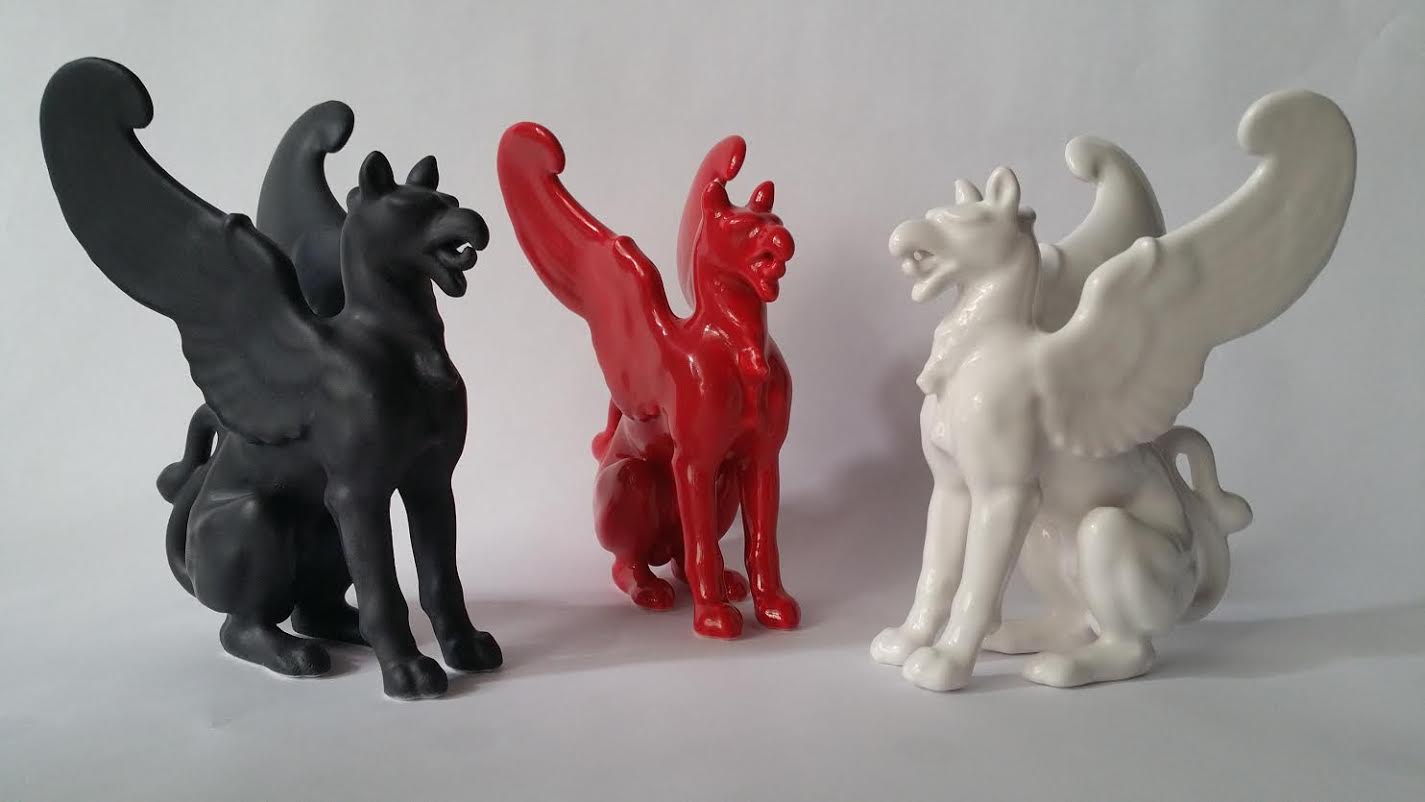
The 3D printed porcelain Griffin Sculptures
Bernhard really believes that this new method of 3D printing, utilized by Shapeways, will attract quite a lot of new customers to the 3D printing space. Bernhard and VirtuMake have a lot of other things planned for this material in the future.
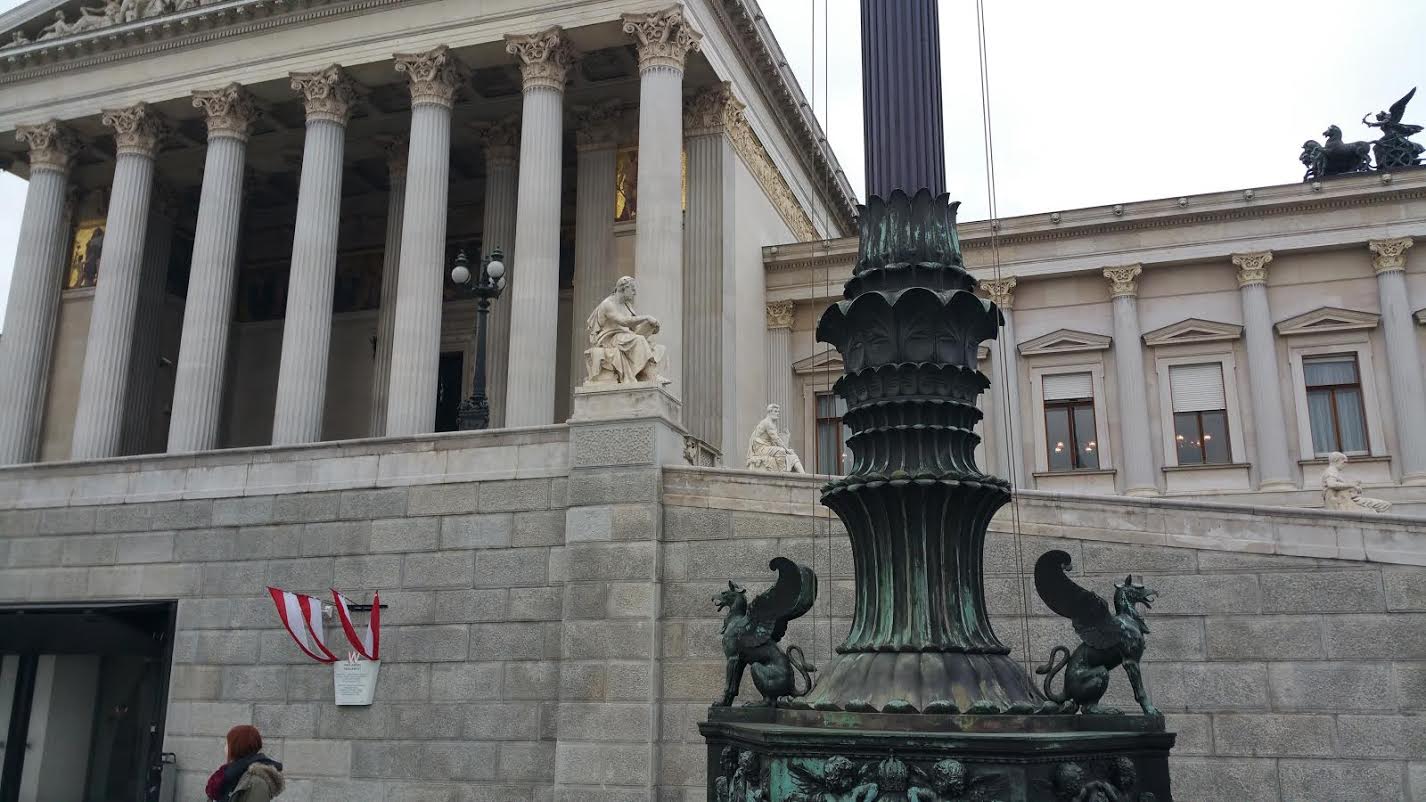
Original Griffin Sculpture (bottom right)
“We are going to run some experiments with fully customized household articles, replicas, and maybe jewelry,” Bernhard tells us. “The big thing about this material is that you can customize it very easily. Each model can be unique. If you combine this premium material with the power of 3D scanning technologies, you get endless possibilities.”
It should really be interesting to see all of the new product options which come about once Shapeways’ porcelain material becomes available to all of their designers.
What do you think of these porcelain replicas that VirtuMake has 3D printed using Shapeways’ new method? Discuss in the 3D printed porcelain forum thread on 3DPB.com.
Subscribe to Our Email Newsletter
Stay up-to-date on all the latest news from the 3D printing industry and receive information and offers from third party vendors.
Print Services
Upload your 3D Models and get them printed quickly and efficiently.











You May Also Like
Rice Researchers Use Microwaves to 3D Print Electronics
Rice University researchers have found a way to 3D print using focused microwaves. Published in Science Advances, Professor Yong Lin Kong and his team believe the technology could be used...
RAPID Roundup 2026: New Machines and Market Moves
RAPID + TCT 2026 wrapped up yesterday, but the show floor proved there’s a lot happening across the additive manufacturing (AM) space, especially when it comes to new hardware and...
RAPID Roundup 2026: Simulation, IPQA, Materials, Depowdering, & More
This year’s RAPID+TCT trade show is in full swing in Boston this week, and we already have plenty of news to share with you, from a simulation and optimization platform...
HP Continues to Lower Barriers to Adoption with Compact MJF 1200 & Other RAPID + TCT Announcements
This week at RAPID+TCT in Boston, HP Additive Manufacturing Solutions is celebrating ten years in the AM market. The company launched its Multi Jet Fusion 3D printing technology in Barcelona...