3D Printing News Briefs, December 3, 2025: Vapor Smoothing, Microneedles, & More

Happy 3D Printing Day! In today’s 3D Printing News Briefs, we cover everything from a 3D printer order and vapor smoothing to microneedles, surgical training models, and more. Read on for all the details!
AML3D Supplies ARCEMY X to Defense & Industry Supplier FasTech
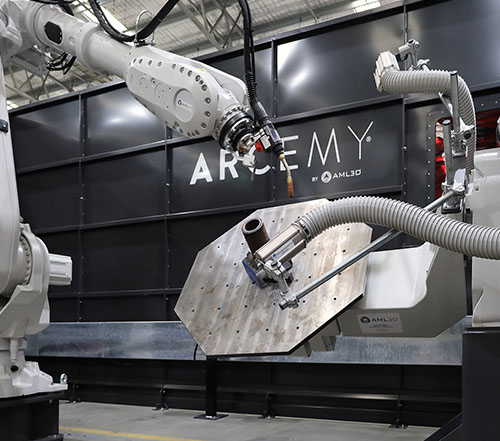
Image courtesy of AML3D.
Wire additive manufacturing (WAM) OEM AML3D announced that FasTech LLC has placed an order for a ~A$1.69 million2, large-scale ARCEMY X system. A supplier for high-demand sectors like aerospace, defense, and energy, FasTech is based near the U.S. Navy’s Additive Manufacturing Center of Excellence (AMCOE) in Danville, Virginia. The ARCEMY X, which will be supplied from AML3D’s recently opened US Technology Centre in Stow, Ohio, will expand FasTech’s capabilities, and help AML3D continue with its U.S. scale-up. The company’s strategy includes ARCEMY sales and contract manufacturing to support applications in the defense sector, and move into other industrial manufacturing markets, like oil & gas, aerospace, utilities, and maritime. FasTech’s ARCEMY X system will be the 9th one installed in the U.S., and is expected to be operational during the third quarter of 2026. It will be supplied with a 6,000-pound (~2.7 tonne) positioner from AML3D’s fleet of systems in order to speed up delivery.
“The FasTech ARCEMY® X sale builds on AML3D’s success in supporting the US Defense sector and demonstrates relevance to the broader US industrial manufacturing. ARCEMY® technology delivers large-scale industrial parts faster, using less energy, creating less waste and to a higher standard than traditional manufacturing process,” said AML3D CEO Sean Ebert.
“Demand for ARCEMY® systems and their high-speed component manufacturing capability continues to grow in the US. The addition of FasTech to the network of US based, ARCEMY® enabled, third party industrial manufacturers which helps to meet that demand. AML3D is becoming increasingly embedded and indispensable at multiple levels across the US manufacturing landscape.”
AM Solutions & LuxYours Partner for Vapor Smoothing of 3D Printed Parts
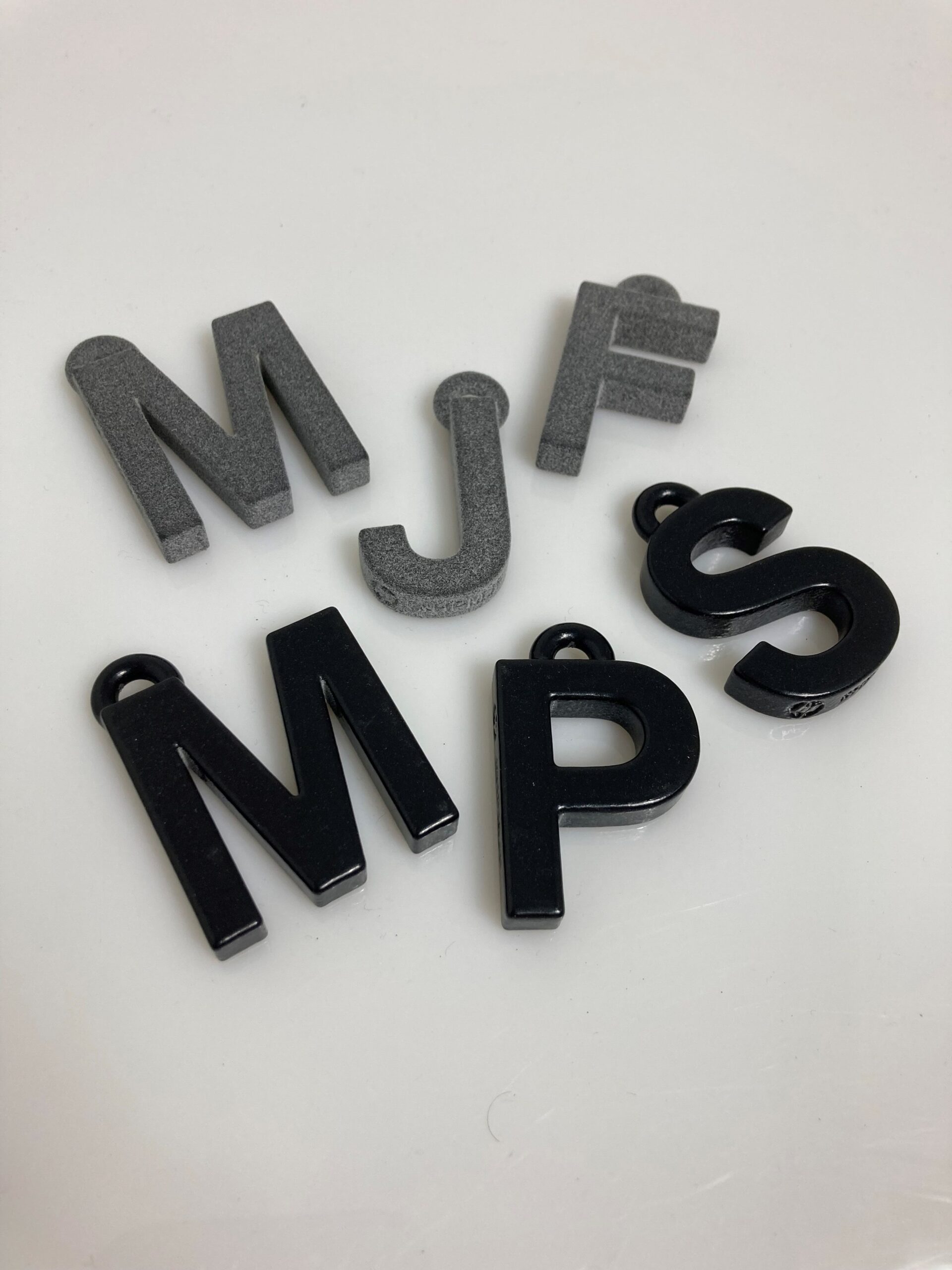
TPU parts produced with HP Multi Jet Fusion (MJF), shown post-print and after LUX Multi Purpose Smoothing (MPS) finish, compared side by side. (Source: LuxYours GmbH)
Just ahead of this year’s Formnext 2025, post-processing specialist AM Solutions – 3D post processing technology announced a strategic partnership with LuxYours, an expert in smoothing and finishing 3D printed polymer parts. Founded in 2017 and based in Planegg, Germany, LuxYours developed a patented process for cost-efficient, environmentally friendly surface finishing, called Multi Purpose Smoothing (MPS). Its main advantage is gentle, precisely controllable treatment, which enables preservation of fine details and selective smoothing of internal channels for thermoplastic parts made with a variety of AM processes, including MJF, SLS, FDM, and more. As part of the collaboration, AM Solutions’ parent company, Rösler Oberflächentechnik GmbH, has acquired a stake in LuxYours, an investment that adds vapor smoothing to the AM Solutions portfolio. In turn, AM Solutions and Rösler bring their established strengths in the AM industry to the collaboration, including decades of experience, surface finishing know-how, and a global sales and service network.
“With our investment in LuxYours, we are sending a clear signal of the strategic relevance and long-term perspective of this partnership,” said Stephan Rösler, President and CEO of Rösler. “We are convinced that the patented Multi Purpose Smoothing process and the resulting part quality set new benchmarks, deliver tangible added value for our customers, and significantly expand our unique post-processing portfolio. There is currently no comparable offering on the market with such technological breadth and depth.”
Data-Driven Quality Assurance in 3D Printing for Semiconductor Supply Chain
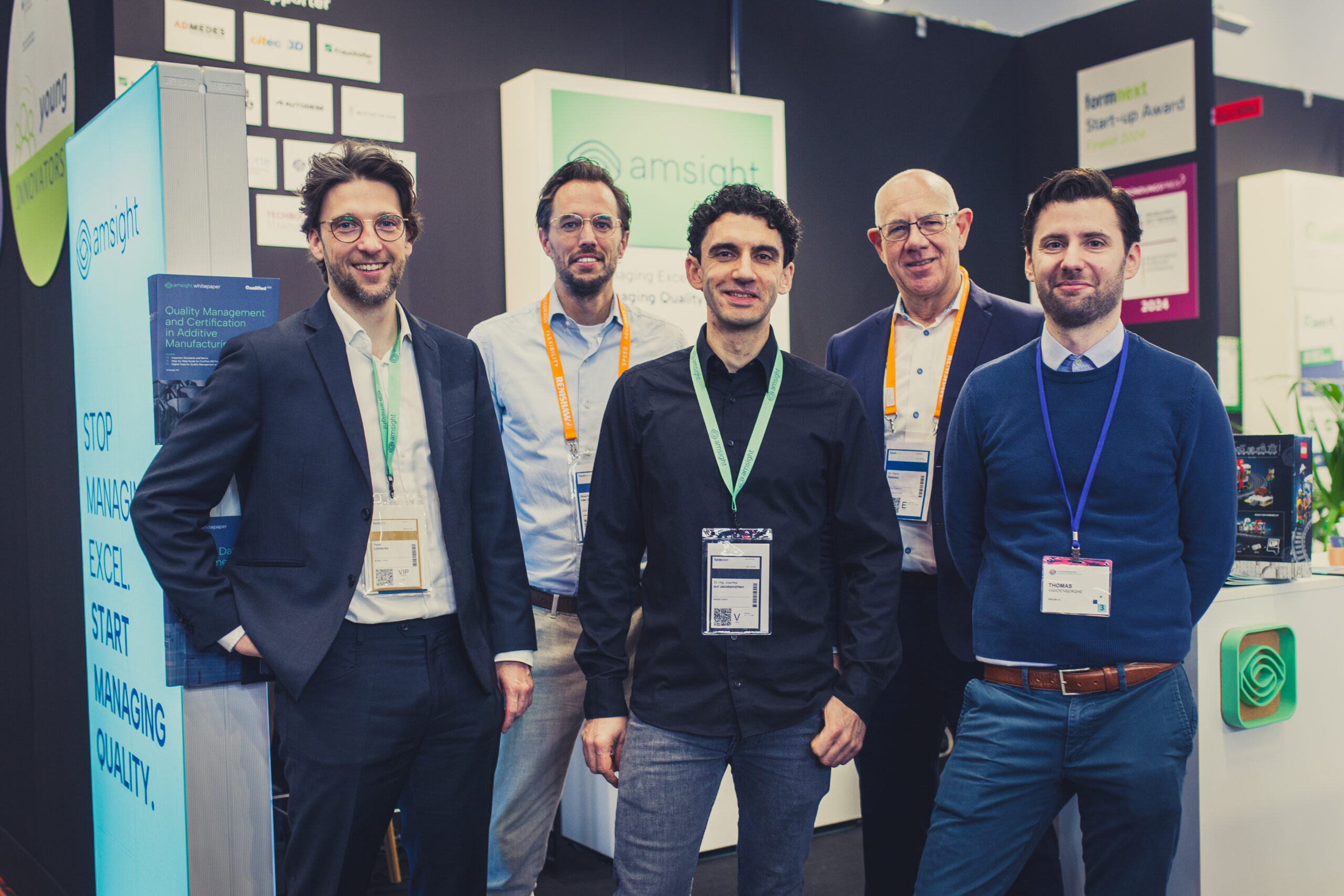
L-R: Peter Lindecke (amsight), Maarten van Dijk (Additive Center), Joschka zur Jacobsmühlen (amsight), Harry Kleijnen (Additive Center), Thomas Vandenberghe (Melotte).
Also at Formnext, amsight, Melotte, and Additive Center launched a pilot project to strengthen data-driven quality assurance (QA) in AM for the semiconductor supply chain in the Netherlands. There are increasing demands for precision, scalability, and efficiency in semiconductors, all of which additive can help with, but to industrialize AM in this sector, cost reduction and easier QA are necessary. This is where QA driven by hard data comes in. The goal of this collaborative project is to set up a scalable approach to quality management that can achieve automated, traceable, and efficient process control for 3D printing semiconductors. Dutch Additive Center will share its AM experience for semiconductor applications and make sure everything aligns with industrial quality requirements, while Belgium-based precision engineering company Melotte will implement the joint approach in production in order to validate its value and demonstrate results. A spin-off of Fraunhofer IAPT, amsight will contribute its industrial quality assurance AM software solution for analytics and process transparency. Together, the team will demonstrate how data-driven QA can improve manufacturing transparency for a more robust AM semiconductor supply chain.
“As a manufacturing partner in the semiconductor sector, we constantly seek methods to strengthen process stability and traceability. This pilot allows us to validate how data analytics and automated documentation can improve efficiency and strengthen confidence in additive manufacturing for critical applications,” said Thomas Vandenberghe, AM and Design Engineer at Melotte.
DLP 3D Printing Microneedle Arrays with Photopolymer Resins
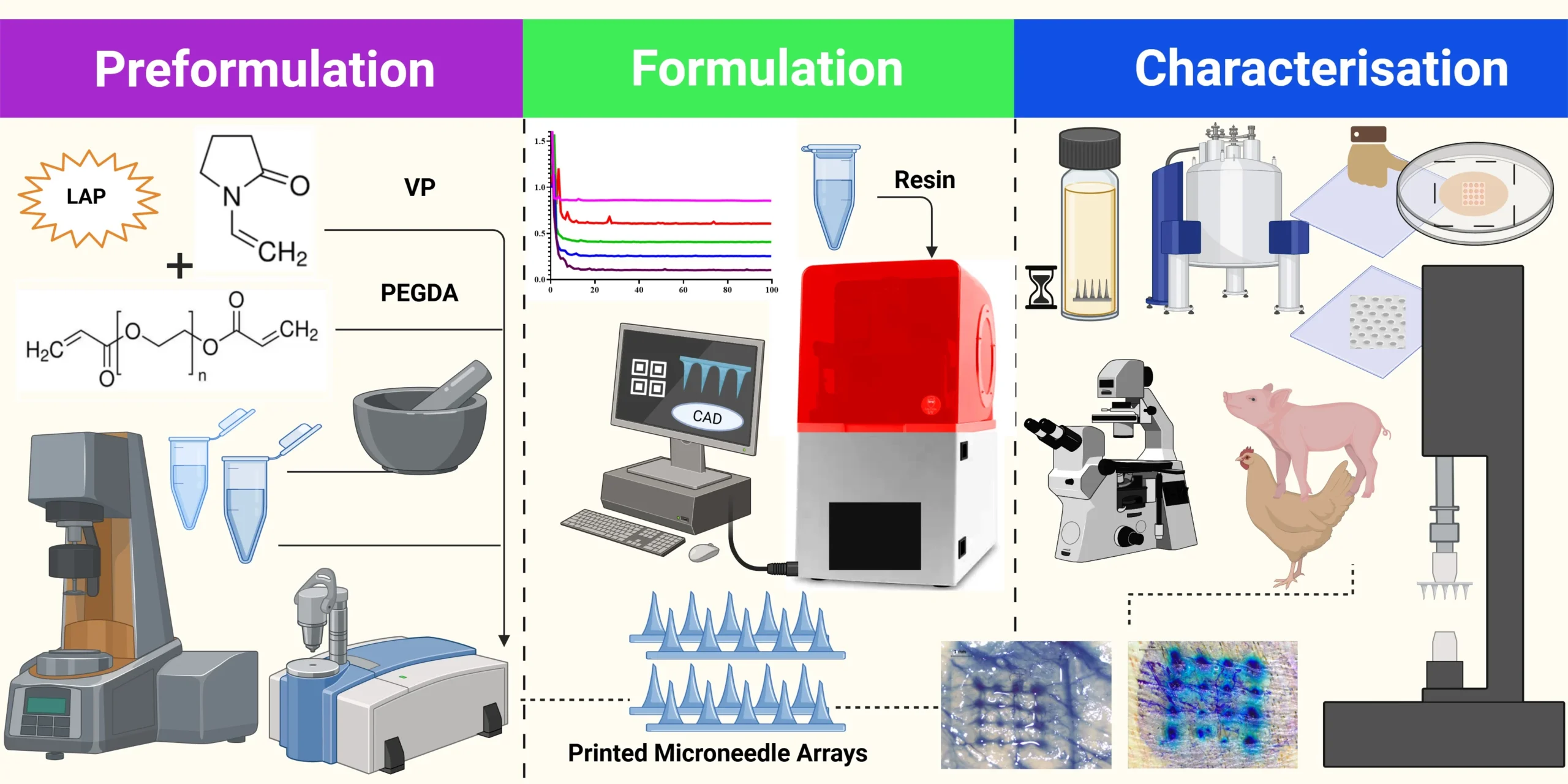
Graphical abstract
Typical fabrication of dissolving microneedles (DMNs) relies on micro-molding, and master molds can be made with digital light processing (DLP) 3D printing. But challenges with molding, like geometric imperfections and a labor-intensive, lengthy workflow, has led researchers to investigate direct 3D printing of DMN arrays. DLP printing can also work for this, but the non-degradable resins used with this technology limit its use for biodegradable DMNs. A pair of researchers from the Queen’s University Belfast School of Pharmacy recently published a study on their work 3D printing mold-free DMNs in a single step using photopolymer resins. They developed a biocompatible PEGDA-vinyl-pyrrolidone photo-resin, which uses a lithium phenyl(2,4,6-trimethylbenzoyl) phosphinate initiator to optimize the material’s photoreactivity and rheology for DLP printing. The two used Tinkercad to develop multiple DMN geometries, which were printed on a desktop Asiga Max X27 DLP system. Optical microscopy, mechanical testing, thermal analysis, and dissolution studies were carried out, which determined that an optimized PEGDA/VP resin can be used to print robust, geometrically precise DMNs in a single step.
“A 40% PEGDA up-to 100% VP blend with 0.4% initiator was identified as providing rapid photopolymerisation, low shrinkage and complete vinyl conversion. Using a desktop DLP platform, 6 × 6 MN patches were printed in a single step without moulds and analysed by optical and scanning electron microscopy. The printed MNs reproduced CAD dimensions with <3% deviation, achieving a height of 1.40 ± 0.02 mm and a base thickness of 1.00 ± 0.01 mm, and showed a tip radius consistent with sharp penetration. Compression testing measured an array force of 32 N, corresponding to ~0.9 N per needle, exceeding the 0.2 N threshold for skin insertion. FTIR and 1H NMR confirmed near-quantitative crosslinking, thermogravimetric and differential scanning calorimetry indicated stability at ambient conditions, and dissolution studies showed complete needle dissolution,” the researchers wrote about their results.
3D Printed Eyelid Surgery Training Models with Stratasys Digital Anatomy
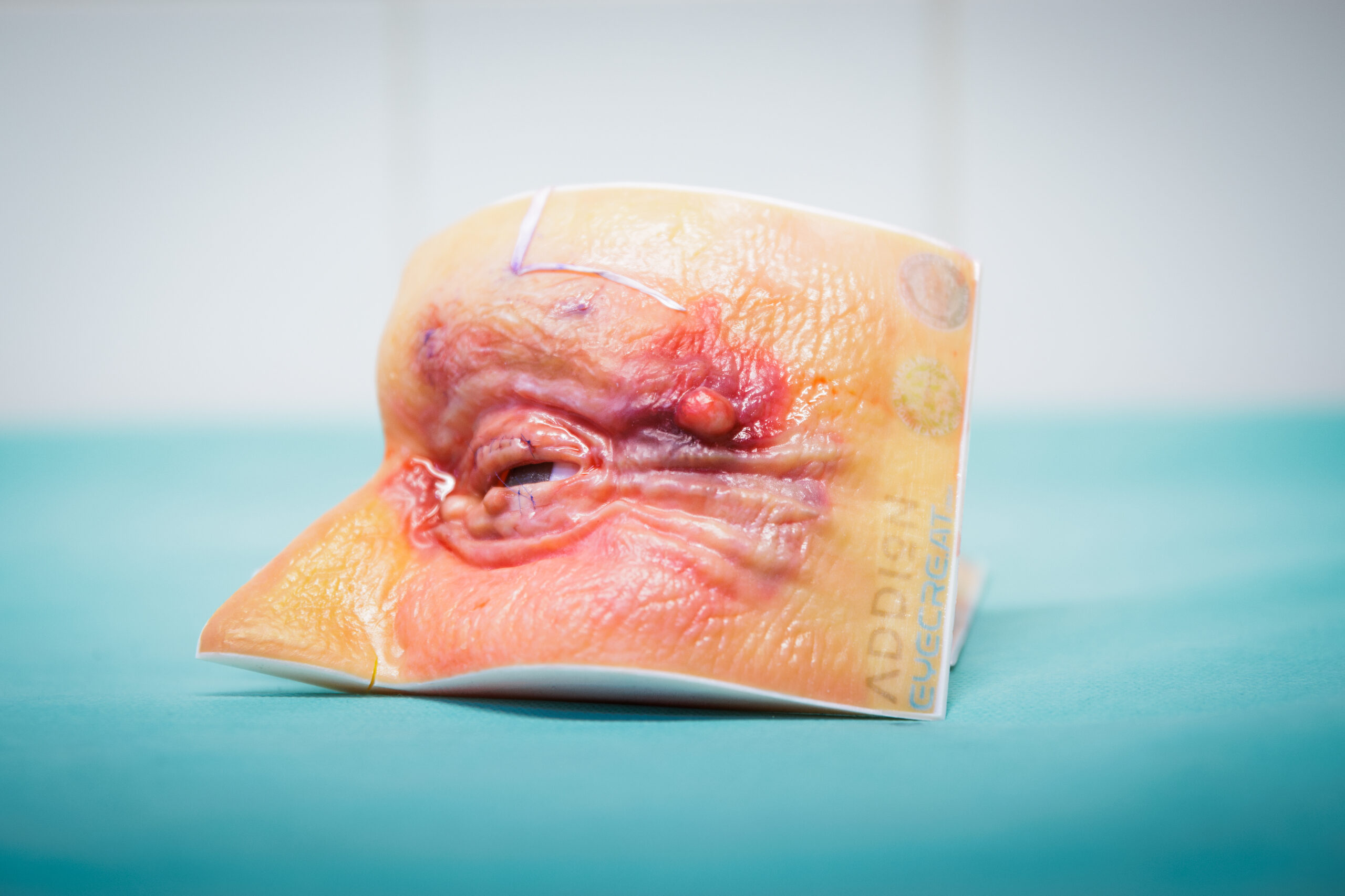
Anatomic models, like the one shown, are being created and used for advanced surgical education, training and surgical planning to boost the skill sets of medical professionals and improve patient outcomes.
Austrian medical training and innovation company Addion GmbH, together with Eyecer.at GmbH, adopted Stratasys Digital Anatomy technology to create extremely realistic anatomical models for surgical training. We’ve seen this kind of thing before, but Stratasys says that this solution resulted in Europe’s first 3D printed eye models for eyelid surgery training. Addion used PolyJet 3D printing to precisely reproduce the anatomy of a human eye and its surrounding tissues, and even adds dynamic features like simulated blood flow within the 3D printed tissues. The solution can be also used to simulate complex or rare pathologies, so medical students and surgeons can practice their skills for real-world surgical scenarios, like reconstructing injured eyelids, with a lifelike, tactile model in a controlled environment. Addion’s Stratasys Digital Anatomy solution has already been successfully implemented by the Anatomical Institute of the University of Innsbruck
“We can now simulate rare and complex pathologies in a way that is ethical, reproducible, and remarkably realistic. By eliminating the need for cadavers or animal models, medical institutions no longer require chilled facilities, while benefiting from safe, consistent, and cost-effective training, without sacrificing the quality of the model,” explained Alexander Hechenberger, CEO and founder of Addion GmbH. “The realism we achieve, you can see it, feel it, and scale it anywhere in the world with the same reliability, is democratizing surgical education, making it more accessible than ever.”
Subscribe to Our Email Newsletter
Stay up-to-date on all the latest news from the 3D printing industry and receive information and offers from third party vendors.
Print Services
Upload your 3D Models and get them printed quickly and efficiently.












You May Also Like
Boston’s Additive Edge at Autodesk: Rooftop Wind Gets a 3D Printed Spin
Walking through Autodesk’s Technology Center in Boston, I’ve come to expect surprises. One second, it’s MIT engineers pushing concrete printers to their limits, the next it’s Harvard architects stitching stone...
Formnext 2025: New Metal PBF 3D Printer, Serial Production Applications, & More
It’s Day 2 of Formnext 2025, where over 800 exhibitors from around the world have converged in Frankfurt for Europe’s premier additive manufacturing (AM) trade show. From exciting new printers...
Boston’s Additive Edge at Autodesk: Harvard Researchers Turn Mining Waste into Masonry
When most people look at piles of mining waste, they see rubble. For Maddie Farrer and Chenming He, two researchers at Harvard’s Graduate School of Design (GSD), those rocks look...
Boston’s Additive Edge at Autodesk: MIT Experiments with 3D Printed Concrete
At the Autodesk Technology Center in Boston, experiments don’t stay on paper for long. Ideas are tested at full scale, sometimes overnight. Among the largest machines in the space is...