Shapeways Expands 3D Printing Portfolio with FDM

Shapeways is expanding its 3D printing capabilities with the launch of Fused Deposition Modeling (FDM), a long-requested addition from its industrial customer base. Known for its cost-effectiveness, durability, and versatility, FDM is widely used for low-volume production-grade parts, functional prototypes, and end-use components.
This expansion strengthens Shapeways’ position as a service bureau, giving customers access to FDM along with other technologies such as Selective Laser Sintering (SLS) and Multi Jet Fusion (MJF). By integrating FDM into its existing suite of services, Shapeways now provides a broader spectrum of manufacturing options to meet more customer needs.
“One of the main points of feedback we’ve received from our industrial client base is that they needed Shapeways to offer FDM technology,” said Shapeways’ Chief Operating Officer Jules Witte. “We’ve been testing it with much success in recent months and can now offer it via our online quoting tool to all our customers.”
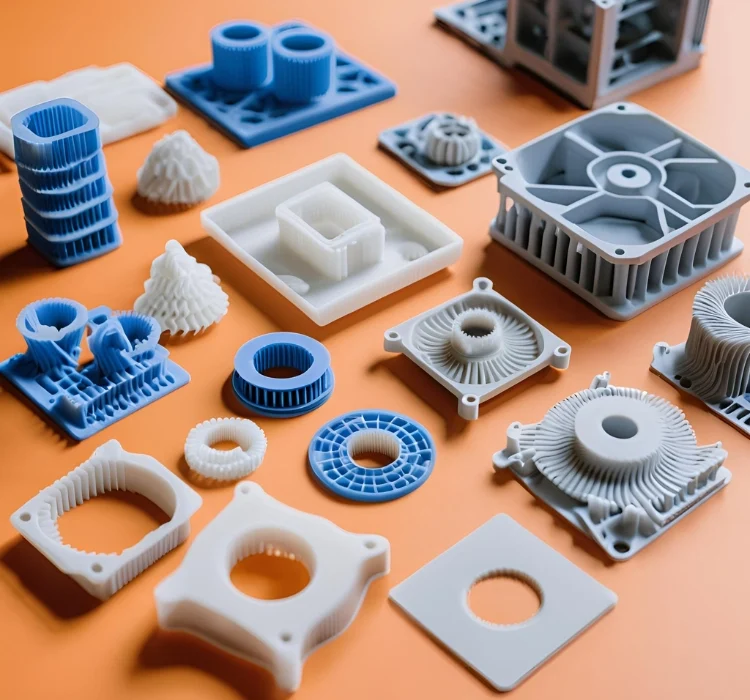
Shapeways expands 3D printing portfolio with FDM. Image courtesy of Shapeways.
The brand offers five thermoplastic materials for FDM printing that are all suited for industrial applications and offer a food-safe option as well. ABS (acrylonitrile butadiene styrene) is a strong and impact-resistant thermoplastic known for its toughness and ability to withstand mechanical stress, making it ideal for functional prototypes and end-use parts. In addition, ASA (acrylonitrile styrene acrylate) is similar to ABS but offers enhanced UV resistance and weatherability, making it perfect for outdoor applications where exposure to sunlight and harsh conditions is a concern.
Similarly, PC (polycarbonate) is known for its high strength and heat resistance, making it well-suited for demanding engineering applications. On the other hand, PET (polyethylene terephthalate) is a food-safe material with strong mechanical properties commonly used in packaging and consumer products. Lastly, PETG (PET Glycol) is chemical-resistant and easy to print, making it a great choice for medical and food-safe applications.
Adding FDM to Shapeways is a new cost-effective option that helps Shapeways cater to a wider range of customers.
This launch comes at a key moment for Shapeways, which has undergone significant restructuring in the past six months. After filing for bankruptcy in July 2024, the company was delisted from the New York Stock Exchange (NYSE) and ceased trading as a public company. It has since been revived under new leadership. Two of its original co-founders, Marleen Vogelaar and Robert Schouwenburg, along with the team from its Eindhoven facility, acquired the company’s assets and relaunched the brand with a renewed focus on stability and customer service, marking their return after previously leaving; Schouwenburg in 2012 and Vogelaar in 2014.
The revival was initially carried out under the name Manuevo, a company established by Shapeways’ Eindhoven management team following the bankruptcy. Manuevo first acquired the assets of Shapeways BV, the Dutch subsidiary, in August 2024, ensuring operations at the Eindhoven facility continued. It then purchased all available assets from Dutch and American trustees, reclaiming the Shapeways name and brand. With this transition, Shapeways now operates as a private company, focusing solely on its core manufacturing services.
Eindhoven, located in the Netherlands, has long been a key hub for Shapeways’ operations and now serves as its primary facility for production and management.
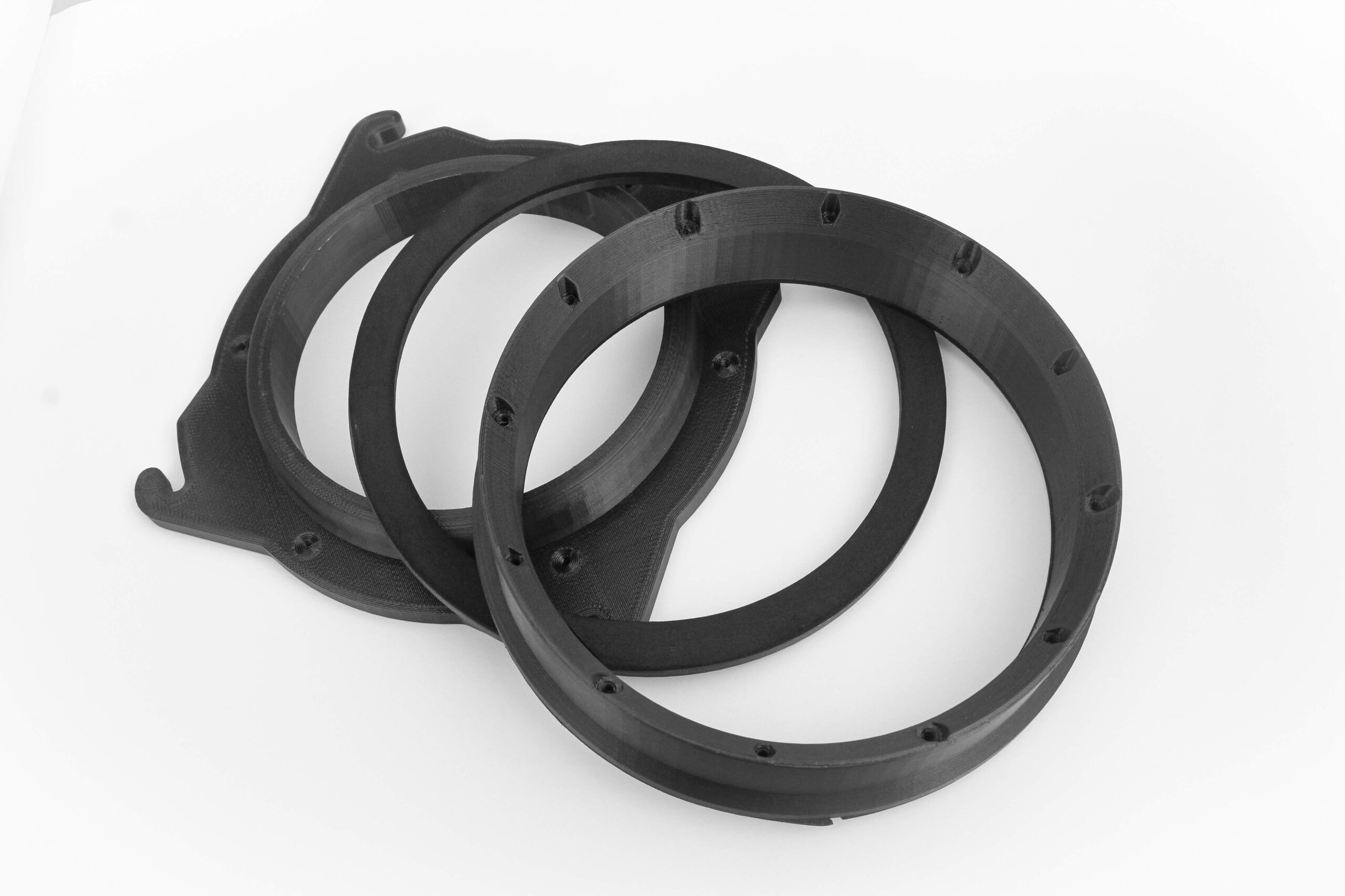
FDM 3D printed parts. Image courtesy of Shapeways
What’s more, in December 2024, Shapeways took another strategic step by acquiring a majority stake in Thangs, a 3D model-sharing platform. This move strengthened its ecosystem by combining a digital marketplace with its manufacturing capabilities.
“We’re building a pragmatic, financially sustainable, and operationally stable company that continues to provide exceptional service to our users,” said CEO Marleen Vogelaar. “The team behind Thangs really love their creators and community—and they take good care of them, which is exactly in line with the original spirit of Shapeways.”
While the company has simplified its services by discontinuing its marketplace where designers could sell 3D printed products and focusing solely on manufacturing, it is still committed to making high-quality parts and expanding its 3D printing options. Adding FDM is the latest move in Shapeways’ effort to improve and better serve its customers.
Subscribe to Our Email Newsletter
Stay up-to-date on all the latest news from the 3D printing industry and receive information and offers from third party vendors.
Print Services
Upload your 3D Models and get them printed quickly and efficiently.













You May Also Like
UniFormation S10 Heads to Kickstarter with an Integrated Resin Printing and Post-Processing System
UniFormation will launch its S10 desktop resin 3D printer on Kickstarter on October 22, 2026, with pledges starting at $999. The S10 integrates printing, washing, and drying, allowing a print...
Creality Goes Pro with Sermoon P1S 3D Scanner
From making millions of value-engineered Prusa clones, Creality really has aggressively pivoted to more complex machines. The company has made strides forward in software, and the Ender’s of yore is...
Stratasys Showcases 3D Printed Automotive Applications & New Printer at IMTS 2026
Just ahead of last week’s International Manufacturing Technology Show (IMTS) in Chicago, Stratasys launched the F870, a new large-format, production-grade FDM 3D printing platform designed to drive industrial manufacturing at...
Creality Launches SPARKX i8 on Indiegogo, Bringing Fastest, No-Purge-Waste Printing
Creality announces the launch of the multi-color 3D printer SPARKX i8 on Indiegogo, at an early-bird price of $309 (MSRP $399) starting from Sept. 21. Designed for ultimate user experience,...