Dutch Man Builds Own 3D Printer out of Colorfabb XT Filament & It’s Amazing


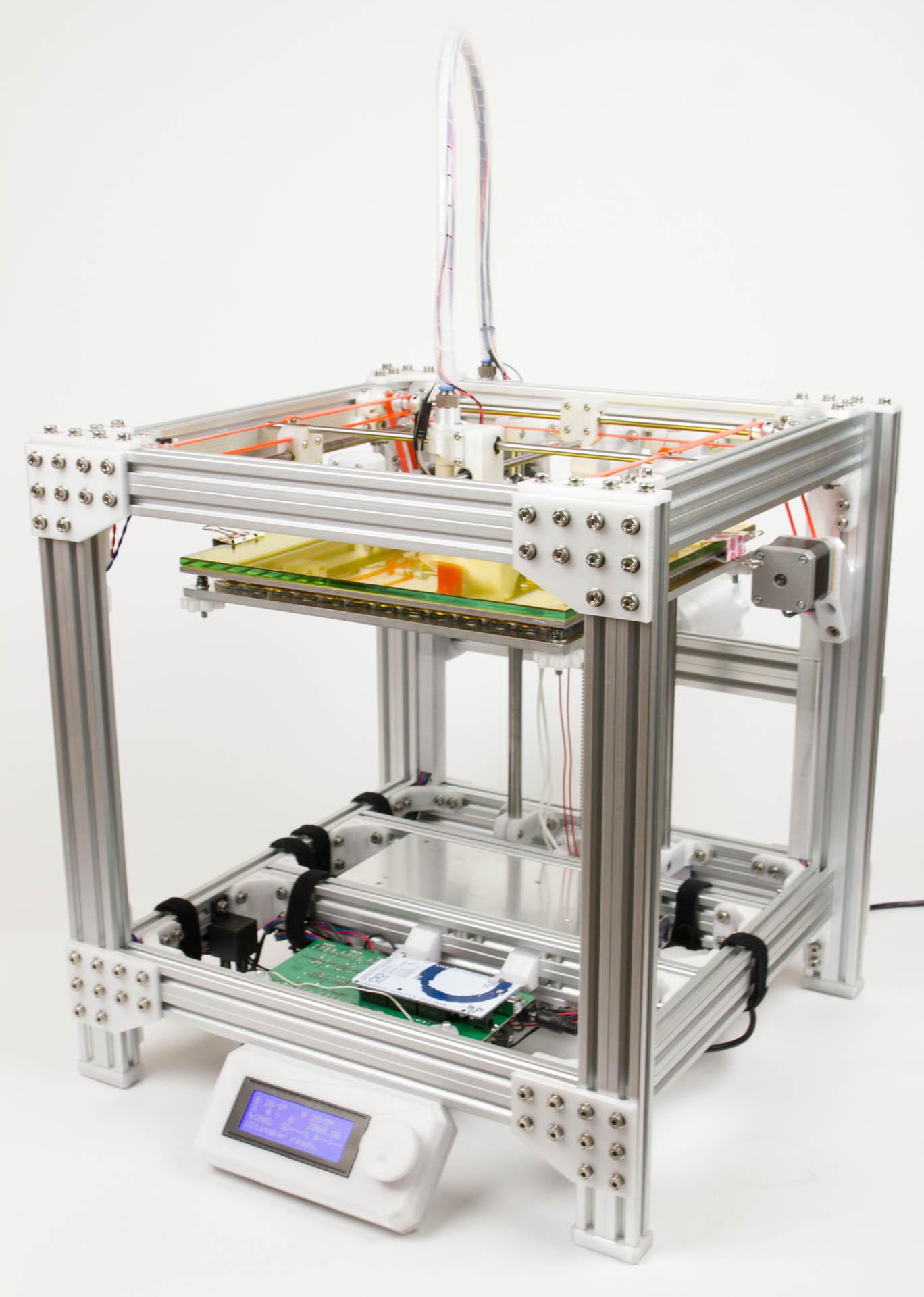
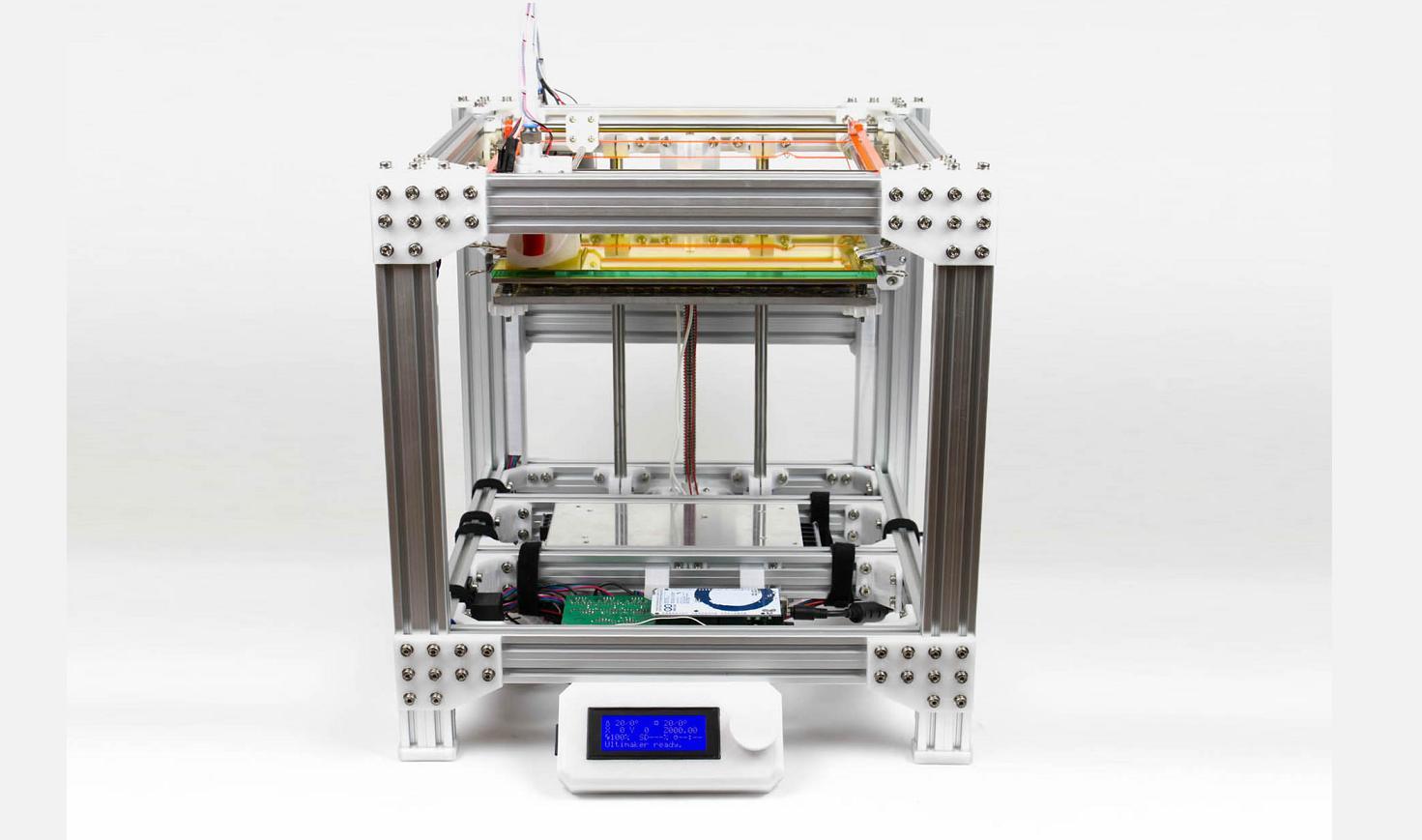 We are constantly seeing new 3D printers hit the market. There are big ones, small ones, wooden printers, metal printers, printers with single extruders or even quad extruders, but we have yet to see one quite is unique as the one in which a man named Harold Reedijk from the Netherlands has created.
There are a lot of 3D printers out there that are built with 3D printed parts themselves. This is seen quite a bit within the RepRap movement, but we have also begun to see some 3D printer manufacturers mass producing their own parts on 3D printers. For example, Lulzbot has a warehouse of 3D printers that are continuously printing parts for their line of machines.
 Harold Reedijk, who has over 14 years experience with computer system engineering and software programming, decided to take another approach though. Reedijk, who has owned an Ultimaker Original 3D printer for over two years now, has always enjoyed hacking his printer by adding and replacing different parts. He has built his own heated print bed, and even replaced the entire hot-end on his Ultimaker.
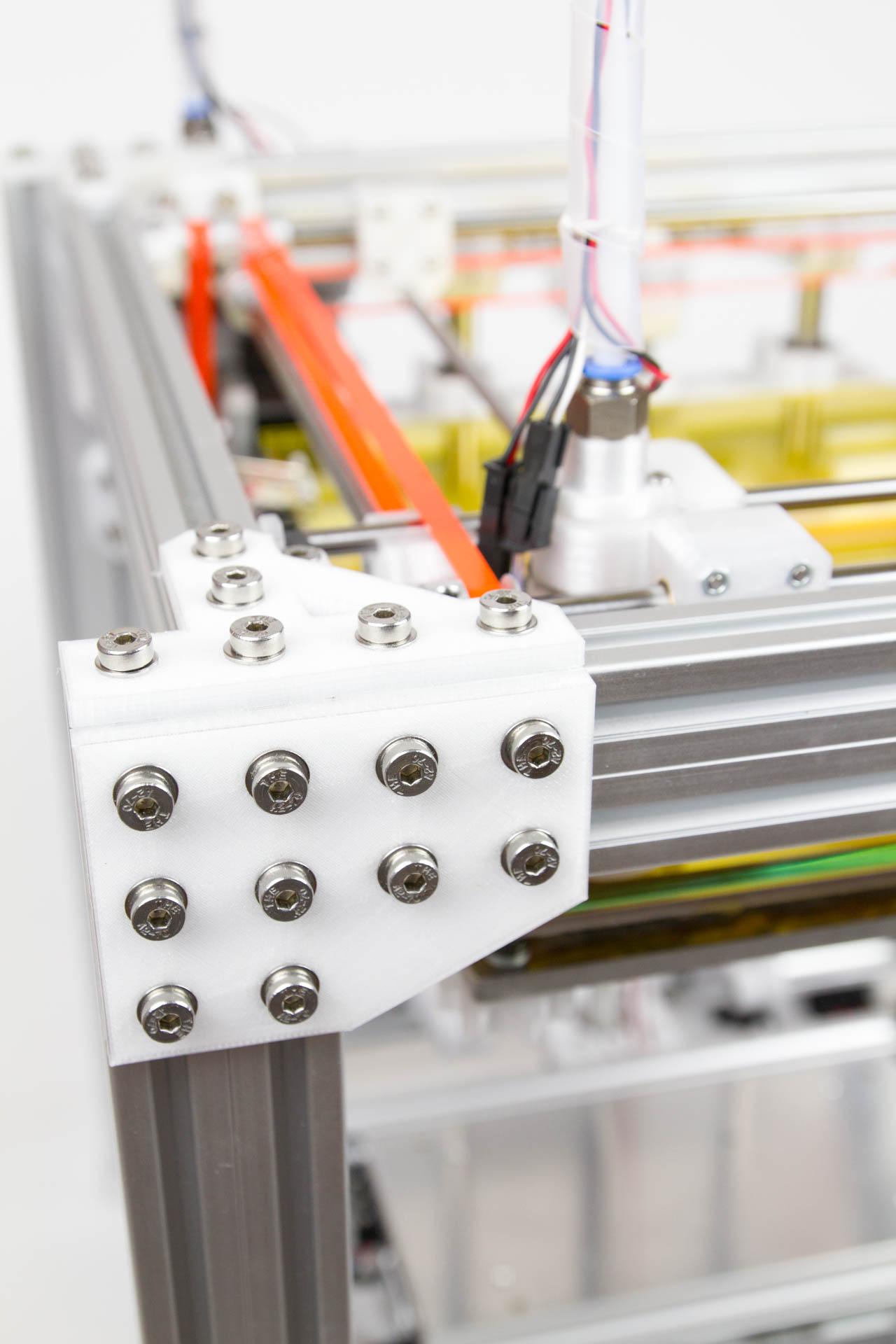
“After a while I asked myself whether I could make a printer on my own,” Reedijk tells 3DPrint.com. “I had access to aluminum extrusions, so I decided to use them for the frame. I didn’t want to make the printer entirely from aluminum parts, as it would be too expensive for my budget at that time, and I knew that RepRap printers used printed ABS parts for construction purposes. First I tried PLA. It was hard enough for construction but when there was pressure on the parts they just broke. I didn’t want to use ABS, just because of the bad fumes alone, so I searched for alternatives. At that time ColorFabb came out with XT. I bought a spool, printed some test parts to test the general strength, toughness and impact strength, and it exceeded my expectations.”
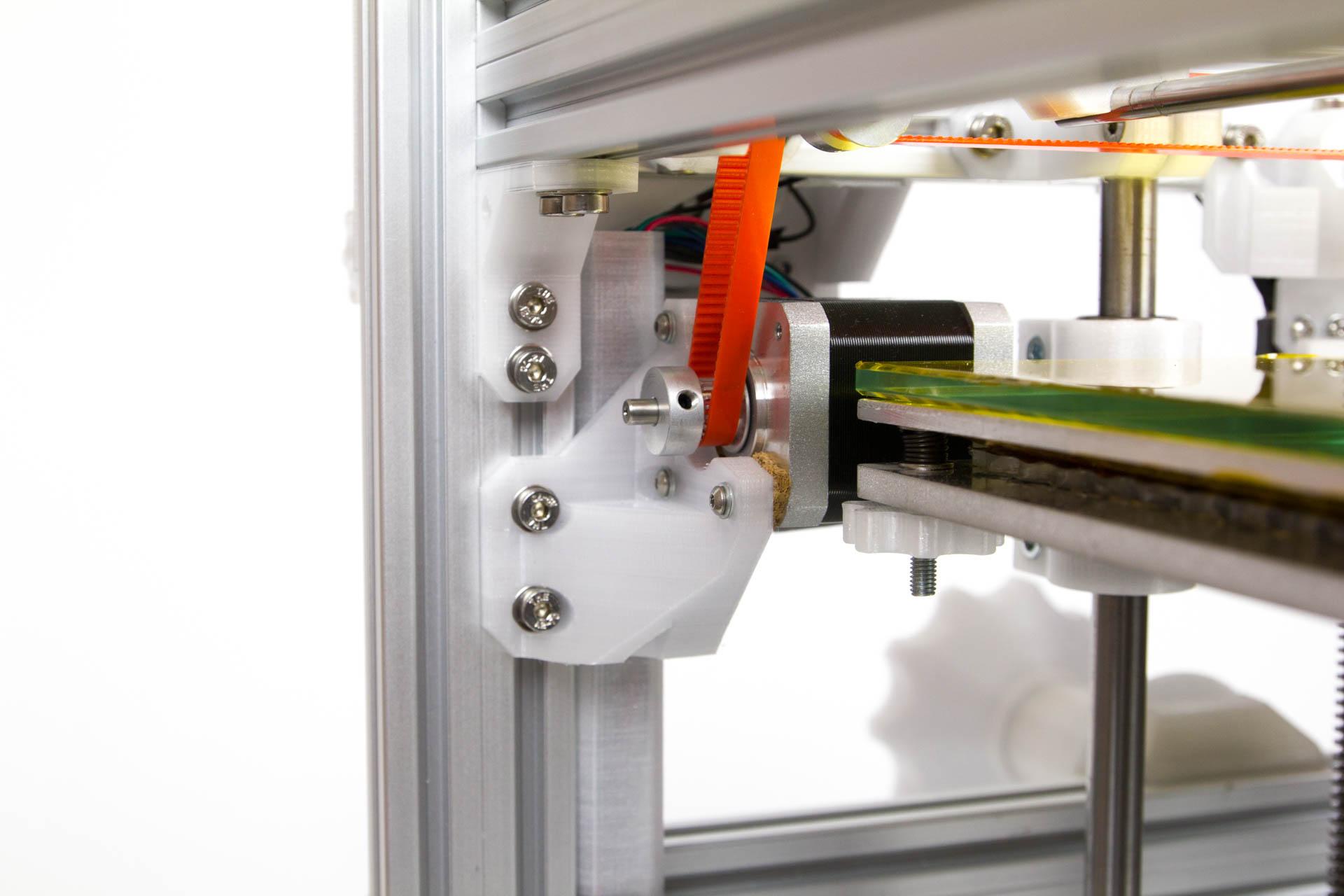 Reedijk decided to go ahead and use the ColorFabb XT to build his 3D printer, and since then it is really the only filament he ever uses for printing.
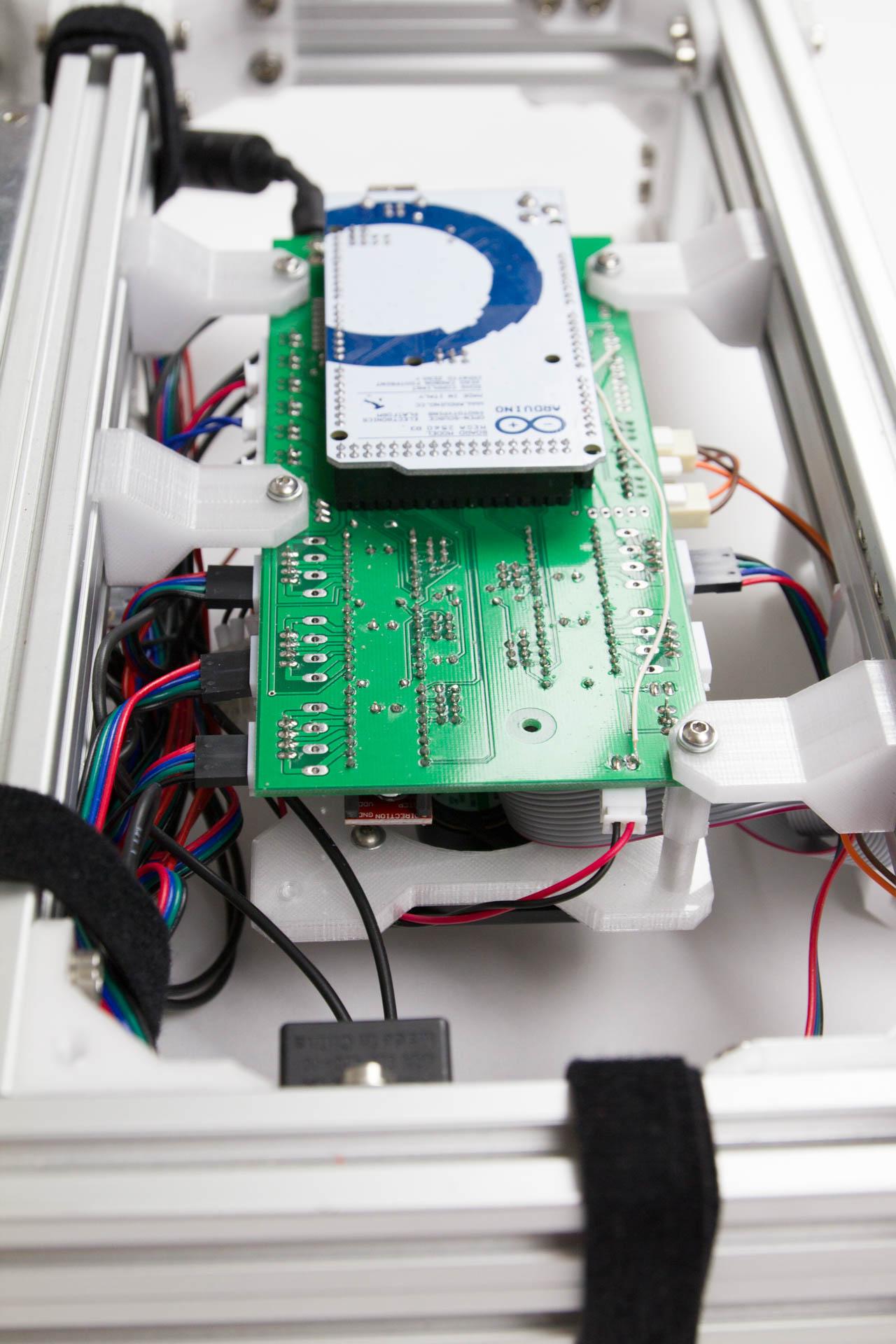
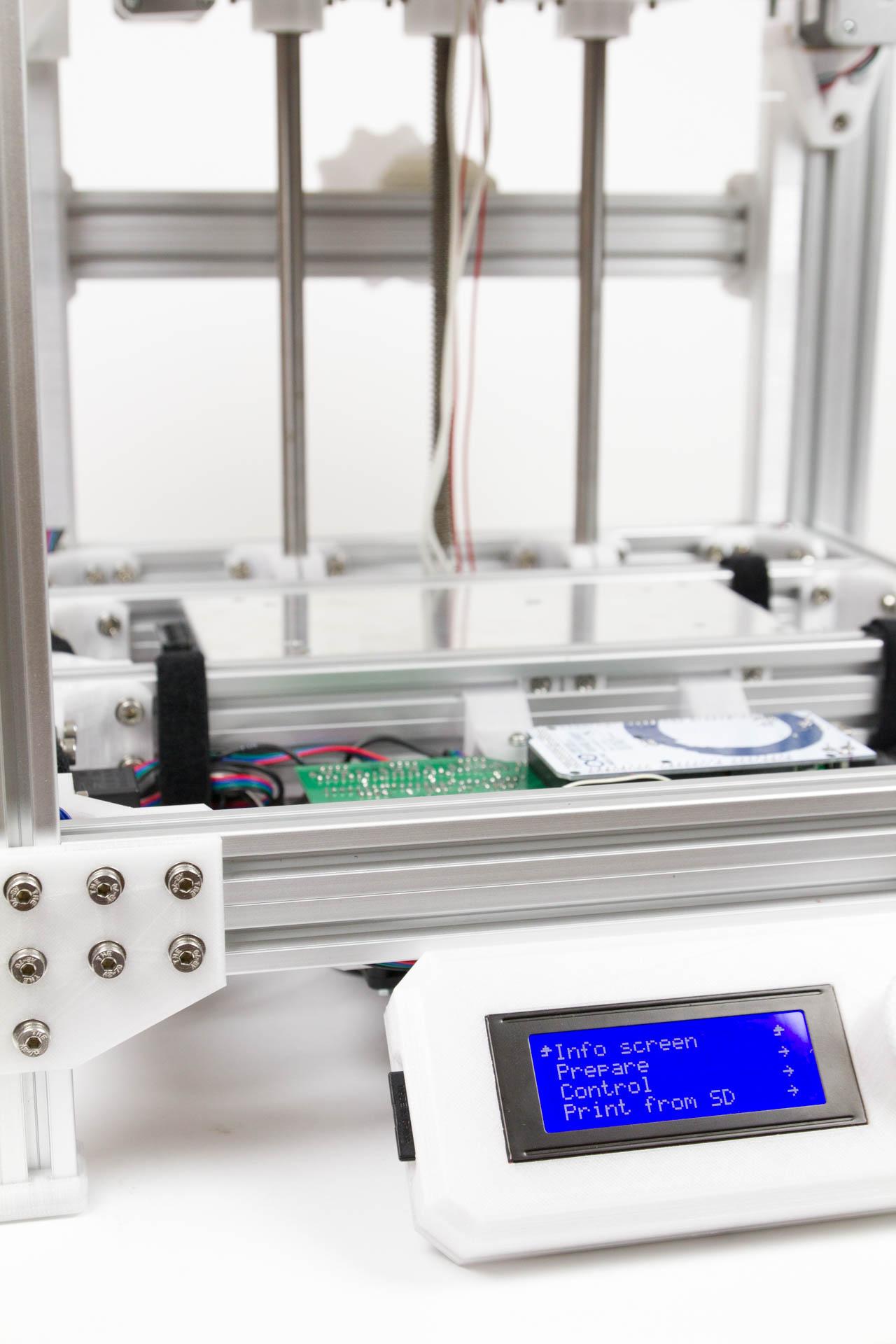
Looking at his Ultimaker Original, which he was very happy with, he based his new XT 3D Printer on its design. However, he elected to increase its print volume to 220 x 220 x 215mm, add a heated print bed, including an integrated power supply, and use a Ubis ceramic hotend.
“I drew the aluminum extrusions of the printer in my 3D program around the print-bed dimensions and then created the parts to make the frame construction,” Reedijk tells 3DPrint.com. “After that I sourced all the parts, built up the printer, step by step, drew all the XT parts and printed them out. At that time, I thought I knew enough about 3D printing, but during the build process I learned a lot more about printing itself (temperatures, print orientations, effects of cooling, etc.), the material XT itself, and the do’s and don’ts when making a printer.”
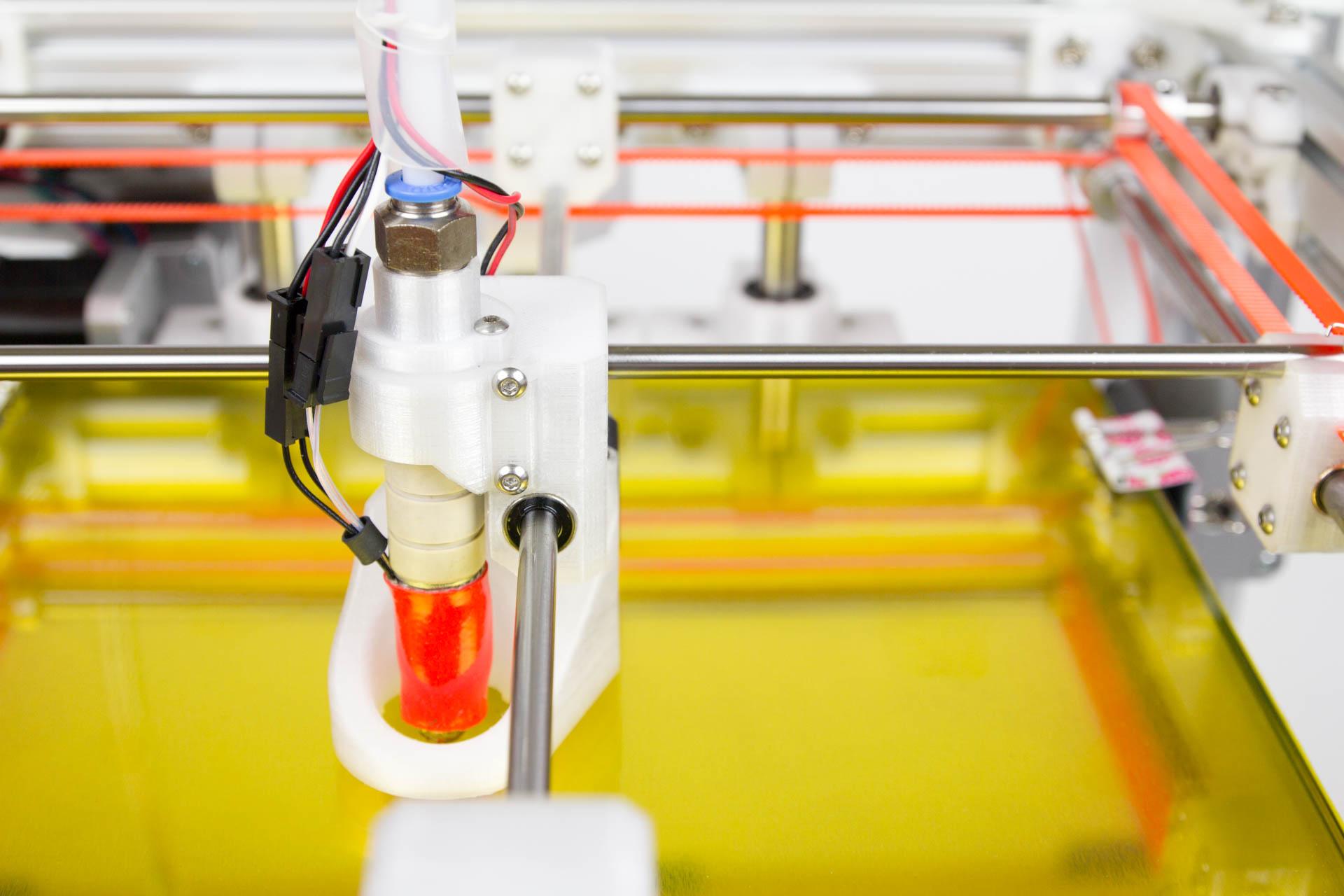
The end results are a 3D printer that functions extremely well, and looks equally as nice. As for Reedijk’s future plans, he is not yet sure if he will sell DIY kits for the XT 3D Printer, or if it will remain a one-of-a-kind machine. If there is interest from others, he will consider the former.
Currently Reedijk is working on launching a new business of his own, which will launch sometime in January. He is developing a new FDM 3D printer which he says is entirely different than this one. It will be targeted toward industrial business use, and more details will be made available on his website in January.
What do you think of Reedijk’s XT 3D printer? Do you like its design? Do you think ColorFabb XT is a better solution than PLA or ABS when 3D printing parts for a 3D printer? Discuss in the XT 3D Printer forum thread on 3DPB.com. Check out the video of Reedijk’s XT 3D Printer below as well as some additional photos.
Subscribe to Our Email Newsletter
Stay up-to-date on all the latest news from the 3D printing industry and receive information and offers from third party vendors.
Print Services
Upload your 3D Models and get them printed quickly and efficiently.













You May Also Like
HeyGears Reflex RS Turbo Sets a New Standard for Resin 3D Printing
When creating highly detailed resin prints, speed only matters if the finished result still captures the details that made the model worth printing in the first place. The HeyGears Reflex...
IFA 2026 Shows Where Multicolor 3D Printing Is Headed
Innovation For All (IFA) is best known for televisions, appliances, and consumer electronics. But this year’s show in Berlin also gave 3D printing companies plenty of room to show where...
3D Printing News Briefs, September 12, 2026: Rebranding, Cybersecurity, Project Call, & More
We’ve got a lot of business news from ATLIX to start off this weekend’s 3D Printing News Briefs, with a new identify for its additive manufacturing (AM) portfolio and some...
Quickparts Builds a Four-Country 3D Printing Network for Space and Defense
For manufacturers trying to win more space and defense work, adding 3D printers is only part of the challenge. They also need to make the same parts to the same...