DIYer 3D Prints and Wires a Programmable Home Thermostat

These days, we’re more inclined to ask, “Is there anything that can’t be 3D printed?” than we are to exclaim in astonishment at the latest 3D printing feat. From 3D printed implants that help human bodies grow new cartilage (and, coming soon, internal organs and skin) and 3D printed rocket boosters to 3D printed cars and buildings, the additive manufacturing industry is booming to say the least.
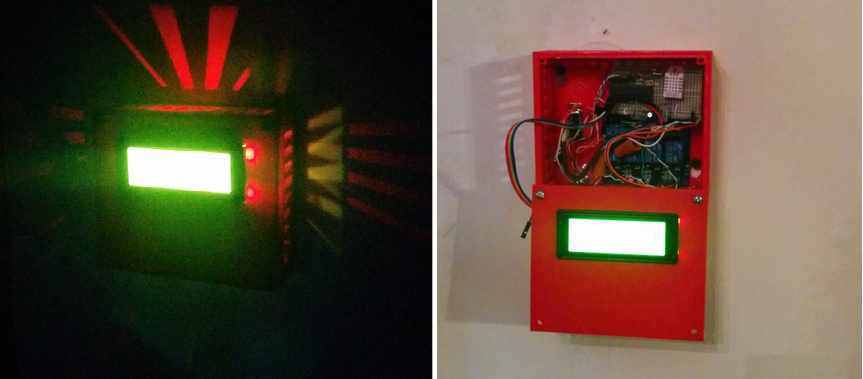
Falling within the “more modest achievements category” but still worthy of mention and admiration from the DIY crowd is this project from an Imgur poster known only as “KK4TEE.” This seemingly incredible maker, who also seems quite tech savvy, recently bought an old house that was lacking a working thermostat. Rather than buying a thermostat, KK4TEE decided to make one himself.
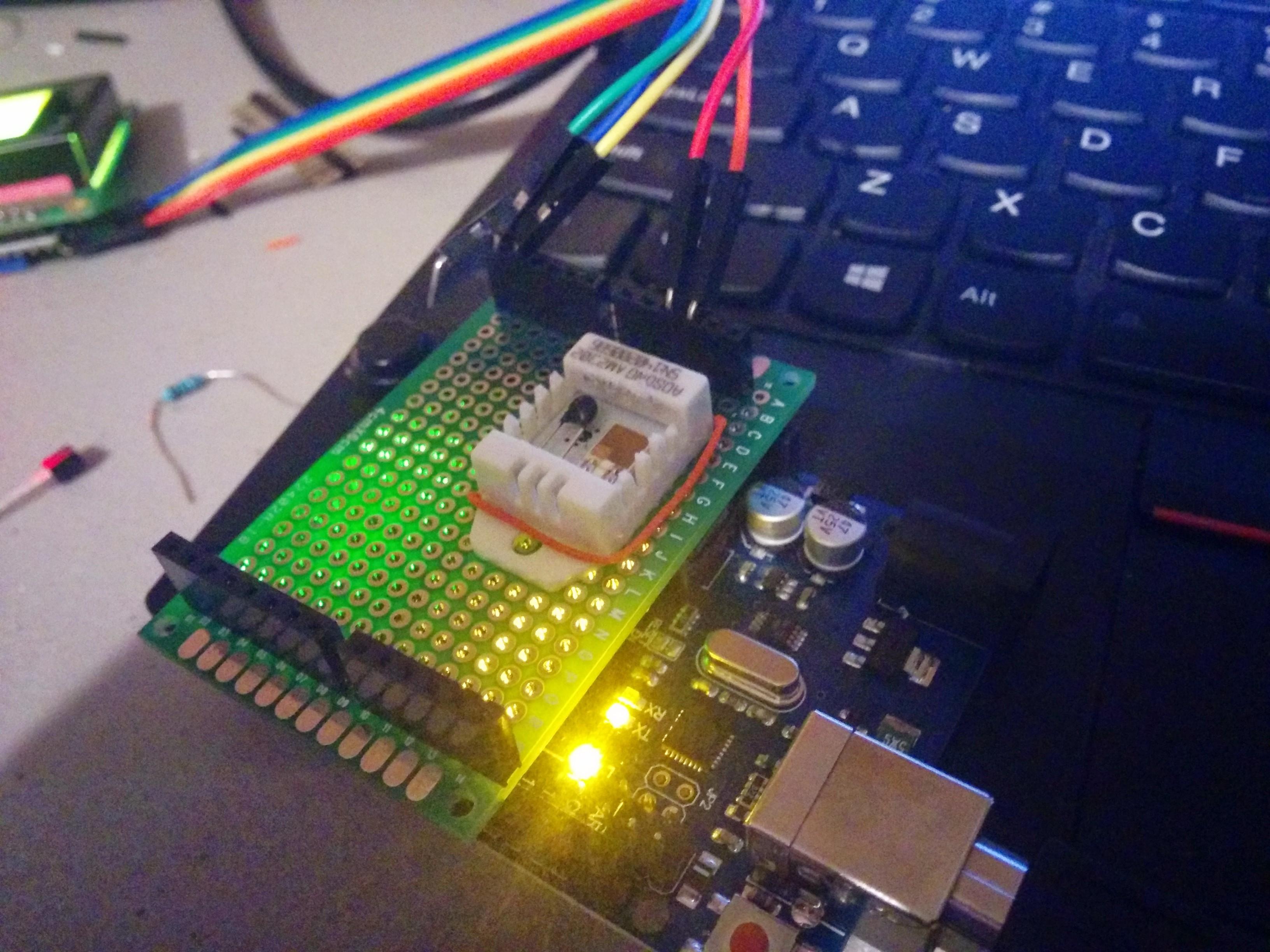
“The DHT22 gave me some problems. At one point the thermometer would only output -20’C, but humidity worked fine. I ended up taking it apart and probing around with a multi-meter. After a few minutes of fiddling it started working again, but I lost my trust in it.”
Just to give you an idea of how much money he saved, we did some searching on Home Depot’s website and found that a wi-fi thermostat for your home can cost you anywhere between about $100 and $300. A programmable home thermostat will range in price from $20 to $280 (although we’d be reluctant to trust the cheap one with our heating and cooling bills).
This DIYer made his own programmable thermostat and is planning to make two additional ones. All will have 3D printed enclosures with internal LEDs that shine through the vents, giving the boxes a very space-age looking appeal.
Also impressive is KK4TEE’s evidently amicable relationship with his father-in-law, who helped him with the project, including testing and troubleshooting his prototype and his furnace, which wasn’t cooperating at the beginning of the project. He wrote following an attempt to do the wire up the 12v power supply, “After an electrical malfunction and blowing the rectifier, regulator, 328p, and furnace fuse, we decided to stick to a separate DC power supply.” Cleverly, they turned to an old laptop 12v power supply, which they ran to the thermostat and regulator/resistors.
A Raspberry Pi will eventually connect all three thermostats to the home network. KK4TEE can get data from his thermostat via a serial port, which allows him to control it remotely. Additionally, the 20×4-character LCD inside of the box provides him with data. John, the father-in-law, was apparently the go-to person for the harness; he used some spare DB9 (serial port) connectors for the job, which required only six of the nine pins.
KK4TEE doesn’t tell us what kind of 3D printer he used, but the bright red box features a cover panel that is mounted to the box to make the interior more accessible to rewiring if necessary, troubleshooting, and programming. A TTL serial connection is accessible from the lower side of the box so that the cover needn’t be removed for serial connections. Importantly, he let the remote thermometer protrude from the bottom of the case about ¼” to make it less vulnerable to error by being exposed to the heat inside of the box itself.
While it’s, all in all, a modest undertaking in the scope of 3D innovation, we’re impressed with the DIY spirit and the teamwork between in-laws this project inspired.
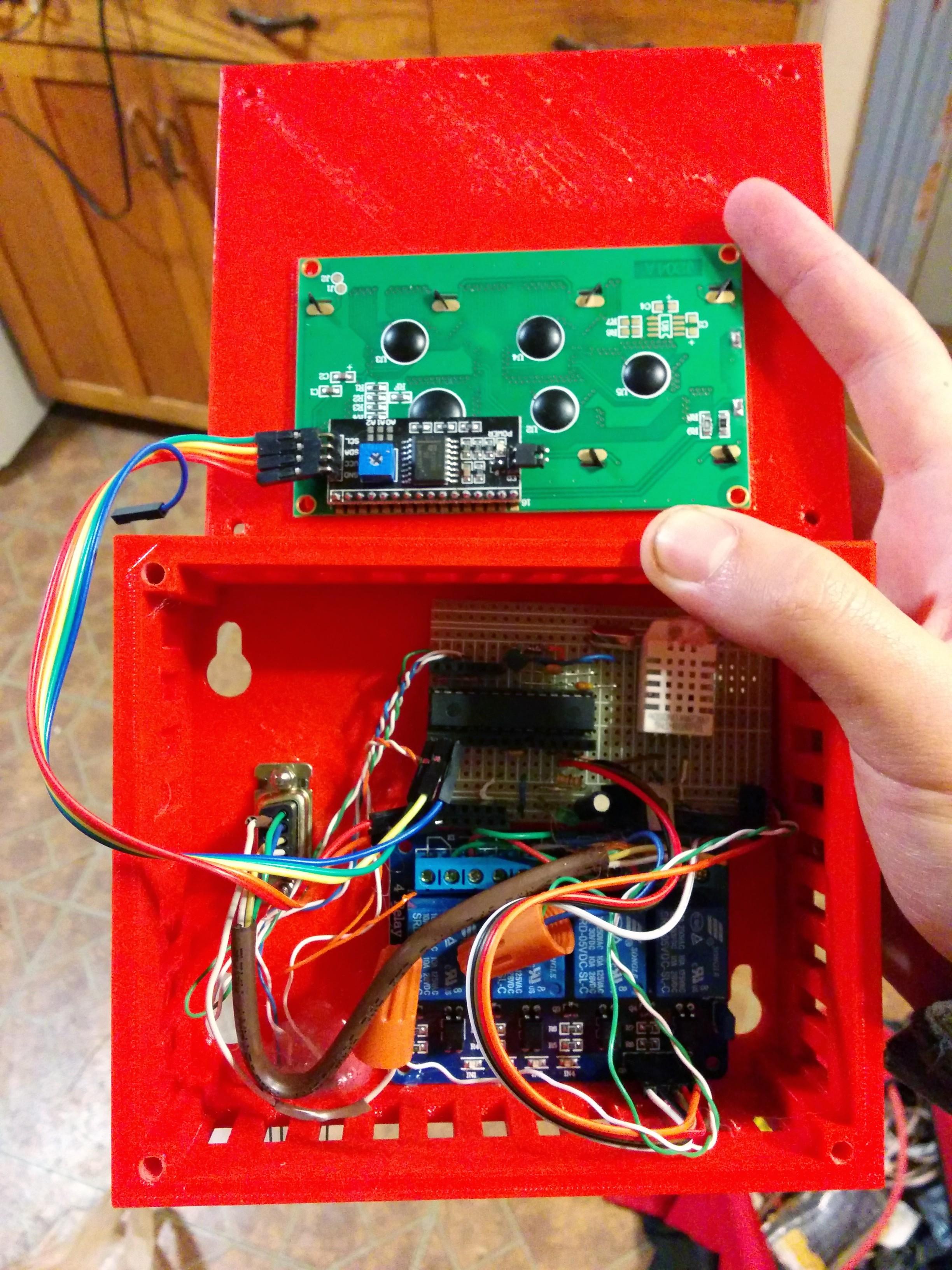
“The guts of the custom circuit.”
Let us know what you think about 3D printing a DIY thermostat! Would you be inclined to make your own? Tell us your thoughts in the 3D Printed Thermostat Cover forum thread at 3DPB.com.
Subscribe to Our Email Newsletter
Stay up-to-date on all the latest news from the 3D printing industry and receive information and offers from third party vendors.
You May Also Like
3D Printing Unpeeled: New Arkema Material for HP, Saddle and Macro MEMS
A new Arkema material for MJF is said to reduce costs per part by up to 25% and have an 85% reusability ratio. HP 3D HR PA 12 S has been...
3D Printing News Briefs, January 20, 2024: FDM, LPBF, Underwater 3D Printer, Racing, & More
We’re starting off with a process certification in today’s 3D Printing News Briefs, and then moving on to research about solute trapping, laser powder bed fusion, and then moving on...
3D Printing Webinar and Event Roundup: December 3, 2023
We’ve got plenty of events and webinars coming up for you this week! Quickparts is having a Manufacturing Roadshow, America Makes is holding a Member Town Hall, Stratafest makes two...
Formnext 2023 Day Three: Slam Dunk
I’m high—high on trade show. I’ve met numerous new faces and reconnected with old friends, creating an absolutely wonderful atmosphere. The excitement is palpable over several emerging developments. The high...