
Imaginarium 3D Printing Service Becomes First Member of HP Digital Manufacturing Network in India

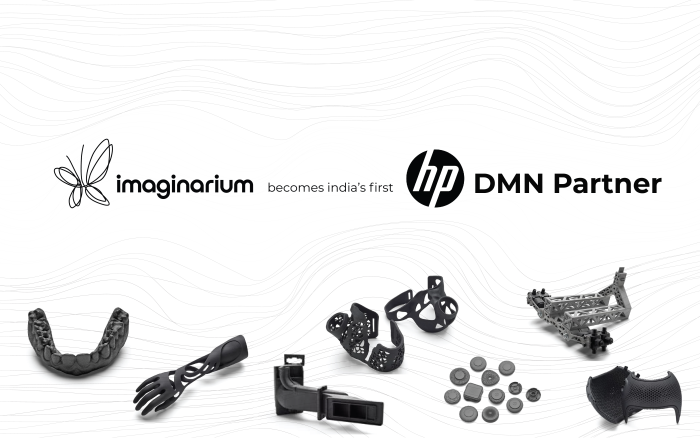
Imaginarium, a rapid manufacturing and prototyping company in Mumbai, announced that the company has become the first member of HP’s Digital Manufacturing Network (DMN) in India. In the press release announcing the expansion of the DMN into what is expected to soon become the world’s most populous nation, representatives of both companies cited a longstanding working relationship as the primary reason behind Imaginarium’s selection as India’s first DMN partner.
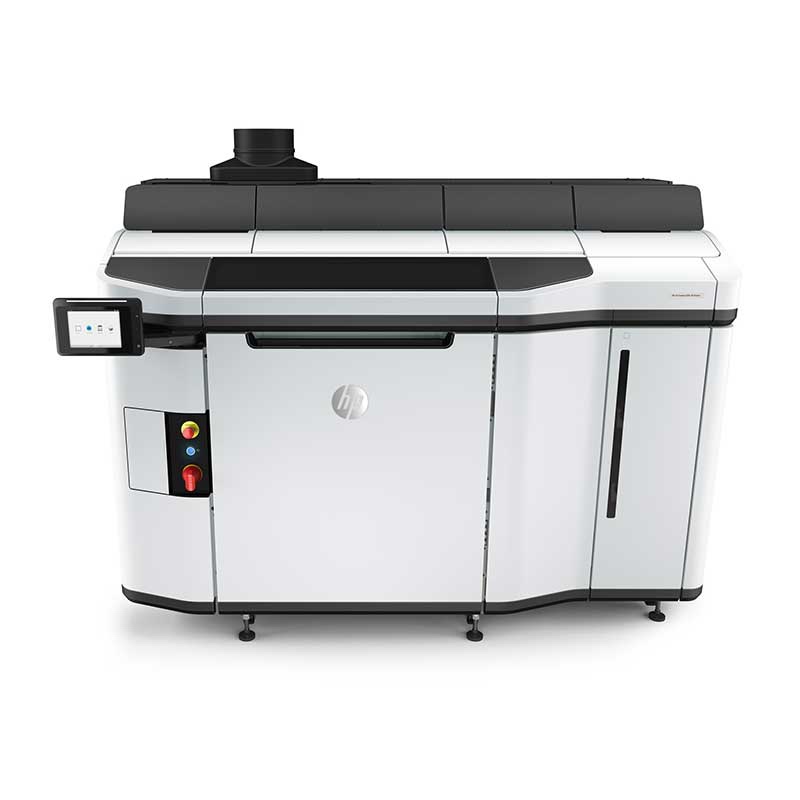
Relatedly, Imaginarium also recently acquired the HP Jet Fusion 5200, designed for mid-volume industrial use with a variety of different thermoplastics. Imaginarium works with a number of Western companies, including the Dutch original equipment manufacturer (OEM) Ultimaker, which announced a partnership with Imaginarium earlier this year. In addition to 3D printing, the company also utilizes a range of other advanced manufacturing techniques, and provides software services and training.
HP, for its part, has been doing business in the nation since 1964, and at the end of 2021 announced its plans to produce in India the desktops, laptops, and monitors that the company sells there, at its production facilities in Chennai. Those plans are in line with the Make in India initiative that has been a part of Prime Minister Modi’s administration since its inception, and which was updated with a National Strategy on Additive Manufacturing (AM) at the beginning of 2022. India’s AM progress has quickly and consistently grown this year, not just in terms of partnerships with Western companies like Phillips, but also concerning homegrown projects like its military’s use of concrete printing.
As I always mention in posts about the nation, the buildup of India’s manufacturing base has taken on new meaning since the formalization of an Indo-American Basic Exchange and Cooperation Agreement, during the lame duck part of the Trump administration.
Thus, the expanding presence of Western tech OEMs in India has to be viewed in the context of growing tensions between the US and China over Taiwan, among a variety of other issues. The military alliance between the US and India is an insurance policy against the US’s potentially someday getting shut out of the South China Sea.
Beyond that, HP simply sells a substantial amount of hardware in India. HP’s eventual production of everything in India that it sells in India would constitute/require an enormous shift in supply chains. On the AM side, the company’s entry into the Indian market likely won’t end with Imaginarium, in which case HP could hypothetically start using the Indian market as a test case for mass printing of components of its own tech products (as it does 3D print parts of its MJF printers). In any event, the supply chain chaos like the drought-glut supply cycle the world has experienced over the last couple of years — most recently concerning chips — makes on-demand production close to the point of sale the only realistic long-term strategy for global conglomerates hoping to ensure supply-chain security.
Subscribe to Our Email Newsletter
Stay up-to-date on all the latest news from the 3D printing industry and receive information and offers from third party vendors.
Print Services
Upload your 3D Models and get them printed quickly and efficiently.













You May Also Like
Oerlikon Adds ATLIX’s xBUILD 5000, Plans More for 2027
Oerlikon has installed a new ATLIX xBUILD 5000 metal 3D printer at its facility in Huntersville, North Carolina, marking the first production deployment of the system worldwide. The machine will...
The Manufacturing Race Behind the Drone Revolution
We are in the middle of a major manufacturing shift focused on the production speed and payload capacity of uncrewed aerial systems (UAS), or drones. A recent Manufacturing Dive article...
Stratasys vs. Bambu Lab: Why Europe and the U.S. Reached Different Results, Part II
Editor’s note: This is Part 2 of a two-part series by Xu Fanglei examining the technology and patent issues behind the Stratasys-Bambu Lab dispute. Part 1 looked at the $27.6...
3D Printing News Briefs, October 1, 2026: Defense, Enclosures, & More
In today’s 3D Printing News Briefs, we’re starting with defense news, first from Massivit and then from AML3D. Then we’ll move on to U.S. manufacturing of a new large-format LPBF...

























































