OxSyBio Raises £1 Million to Develop Synthetic 3D Printed Tissues For Organ and Skin Repairs


The 3D bioprinting space is certainly beginning to get the attention of investors. There are now several companies with the funding needed to develop techniques which could one day lead to a major breakthrough in regenerative medicine.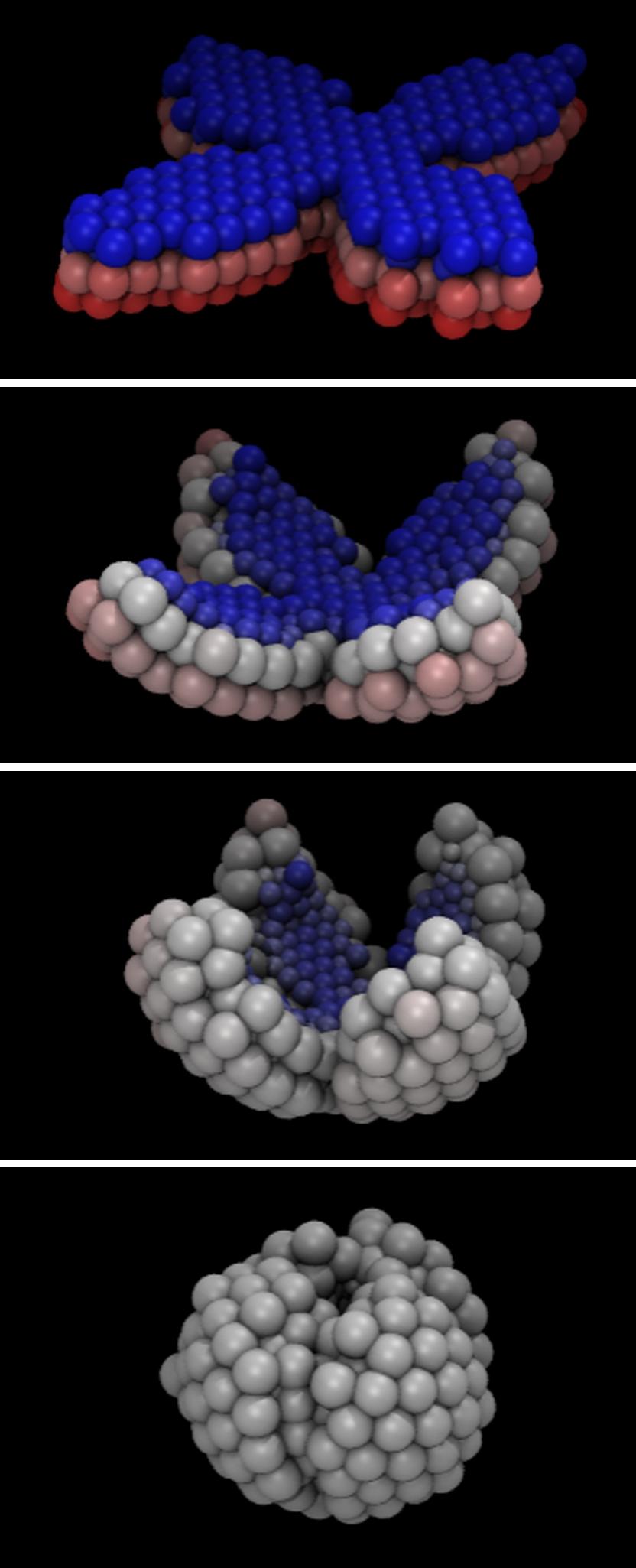
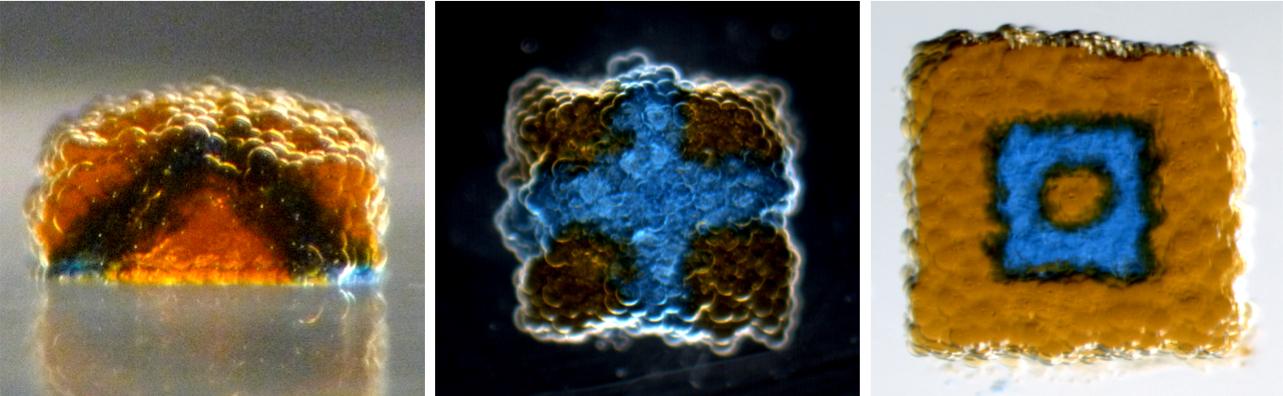
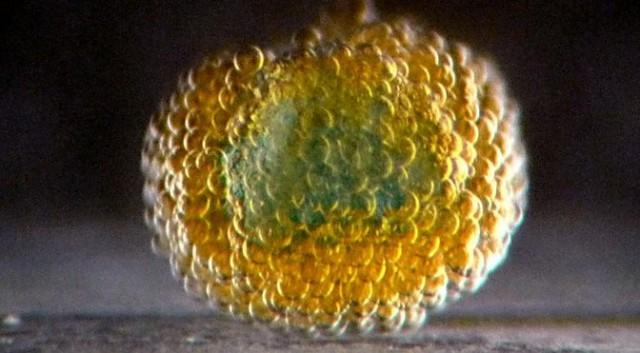
Today, Isis Innovation, the University of Oxford’s research commercialisation company, announced that OxSyBio Ltd., a spin-out from the University, has raised £1 million from IP Group plc to develop their proprietary 3D droplet printing technology. Professor Hagan Bayley’s group at the University’s Department of Chemistry are the ones who came up with this approach to 3d bioprinting. They used thousands of tiny droplets, coated with a film that mimics the external membrane of an actual living cell. The team then studded the membranes with protein pores, making them act just like simplified cells.
The droplets, which OxSyBio prints, can transmit electrical pulses, like the ones that are used by living cells, to communicate in the human nervous system.
“We also aim to integrate printed tissue-like materials with living tissues, and to print materials that themselves contain living cells. Our long-term goal is to develop a synthetic-tissue printer that a surgeon can use in the operating theatre. In ten years’ time, the use of pieces of synthetic tissue will be commonplace. The fabrication of complex synthetic organs is a more distant prospect. I
am delighted to be working with Isis and IP Group to accelerate the development of our new company, OxSyBio. Our goal is to establish ourselves at the frontline of regenerative medicine,” stated Professor Hagan Bayley.
Regenerative medicine is certainly a field that will garner a lot of investor interest over the coming years, as the prospects of 3D printing organs, patches, and other living tissue increases because of natural technological progress.
Alan Aubrey, Chief Executive Officer of IP Group, said: “Synthetic biology and regenerative medicine will be central to the development of healthcare in the 21st century and IP Group is pleased to support OxSyBio as it seeks to develop products that will help to realize the potential of these exciting and growing areas.”
OxSyBio was formed just last month and is based in London England. You can participate in the discussion about OxSyBio, and their 3D droplet bioprinting technology at 3DPrintBoard.
Subscribe to Our Email Newsletter
Stay up-to-date on all the latest news from the 3D printing industry and receive information and offers from third party vendors.
Print Services
Upload your 3D Models and get them printed quickly and efficiently.













You May Also Like
Goal! 3D Printing for the 2026 FIFA World Cup
The 2026 FIFA World Cup officially kicked off in Mexico City on June 11th. It’s the largest FIFA tournament in history, with 48 teams competing over 104 matches. Instead of...
Bambu Lab Wants Home 3D Printing to Feel Less Like a Workshop with PLA Pure
As desktop 3D printers become increasingly common in homes, Bambu Lab is focusing attention on something beyond print speed and hardware features. This week, the company launched a new filament,...
The Rise of IP: The First Emoji 3D Printer Is Here. Don’t Rule Out Star Wars Next.
For years, most desktop 3D printers have looked more or less the same. Some are black. Some are gray. A few are bright orange. They look like boxes. Some are...
AM Asia Watch: China Exported 2.46 Million 3D Printers in Four Months
China’s consumer 3D printer industry seems to be reaching a new level of global dominance. According to Chinese state media outlet China Global Television Network (CGTN), China exported 2.46 million...