Alcoa Signs Contract With Airbus, Will Begin Supplying 3D Printed Airplane Components by Mid-2016

 Lightweight metals manufacturer Alcoa is relatively new to 3D printing, but once they decided to pursue the technology, they pursued it aggressively. The multinational corporation announced their intention to adopt 3D printing at the end of 2014, and less than a year later they had invested nearly $100 million in expansions to accelerate their development of the technology. It seems to have paid off, because today Alcoa announced that they’ve signed an agreement to manufacture 3D printed parts for one of aerospace’s most enthusiastic adopters of 3D printing: Airbus.
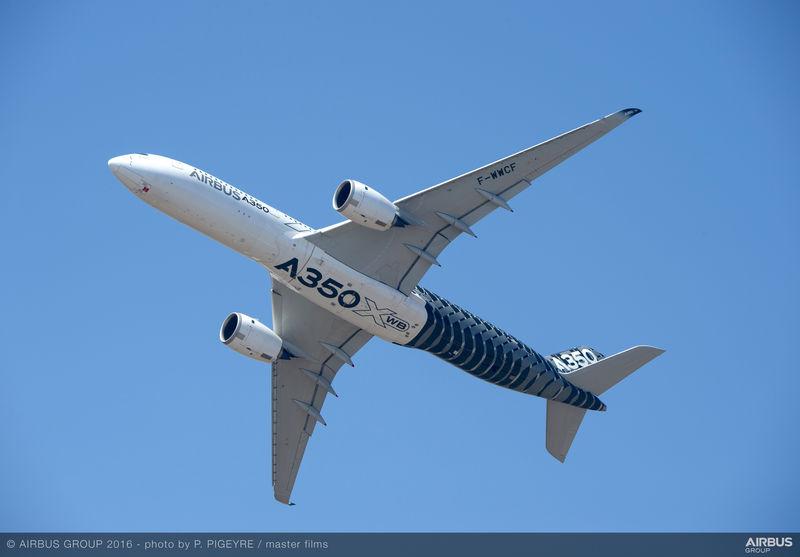
Airbus has seemingly made it a goal to 3D print everything that can be 3D printed. Their Airbus A350 XWB aircraft was designed with over 1,000 3D printed parts, and they’ve partnered with major 3D printing leaders such as Stratasys and Materialise to keep those components coming. Today Alcoa joins the ranks as a supplier of additively manufactured parts for the airliner, and though not many details of the agreement have been released, Alcoa will be providing 3D printed titanium fuselage and engine pylon components to Airbus.
“We are proud to partner with Airbus to help pave the way to the future of aerospace development and manufacturing,” said Alcoa Chairman and Chief Executive Officer Klaus Kleinfeld. “The unique combination of our multi-material alloy development expertise, powder production capabilities, aerospace manufacturing strength and product qualification know-how position us to lead in this exciting, emerging space.”

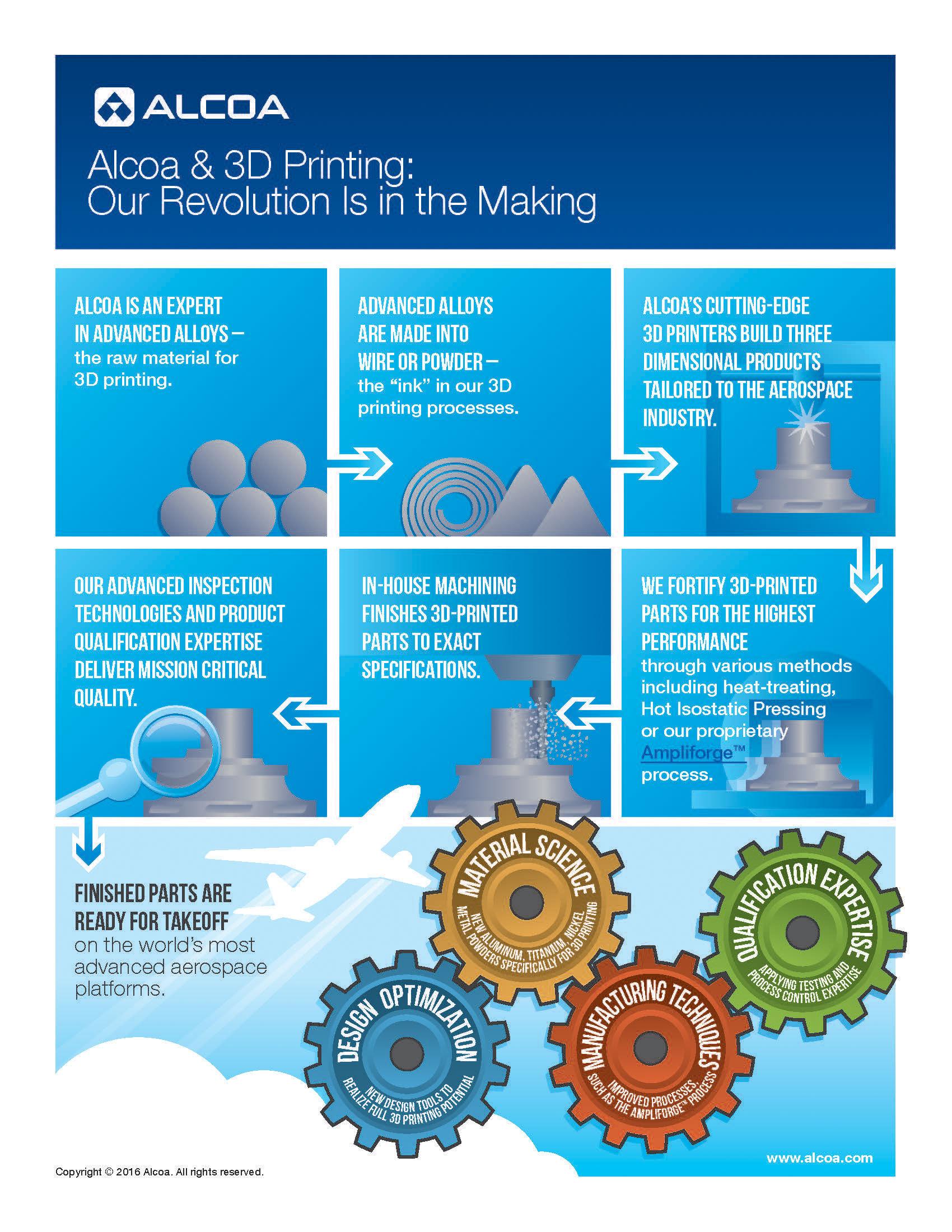 This partnership is just the latest development in what has been an incredibly active period of change for Alcoa. In addition to their multimillion-dollar, 3D printing-related expansions at their Pittsburgh and Whitehall, Michigan facilities, the company also recently acquired RTI International Metals, now known as Alcoa Titanium & Engineered Products (ATEP). With a facility in Austin, Texas, ATEP has further increased Alcoa’s additive manufacturing capabilities, particularly in titanium and specialty metals – likely a major draw for Airbus.
Furthermore, in September of last year Alcoa announced that they would be separating into two companies, with a new value-add company to be named Arconic expected to launch in the second half of 2016. Aerospace will be a major focus for Arconic, which Alcoa describes as a “premier innovator of high performance multi-material products and solutions in attractive growth markets” – undoubtedly with significant help from the corporation’s increasing additive manufacturing capabilities.
The contract between Alcoa and Airbus isn’t the first for the two companies; the two have been working together for years. As Alcoa ramps up their 3D printing production, it’s safe to say that they’ll likely be working together for many more. Discuss this new partnership in the Alcoa & Airbus 3D Printing forum over at 3DPB.com.
Subscribe to Our Email Newsletter
Stay up-to-date on all the latest news from the 3D printing industry and receive information and offers from third party vendors.
You May Also Like
3D Printing Unpeeled: New Arkema Material for HP, Saddle and Macro MEMS
A new Arkema material for MJF is said to reduce costs per part by up to 25% and have an 85% reusability ratio. HP 3D HR PA 12 S has been...
3D Printing News Briefs, January 20, 2024: FDM, LPBF, Underwater 3D Printer, Racing, & More
We’re starting off with a process certification in today’s 3D Printing News Briefs, and then moving on to research about solute trapping, laser powder bed fusion, and then moving on...
3D Printing Webinar and Event Roundup: December 3, 2023
We’ve got plenty of events and webinars coming up for you this week! Quickparts is having a Manufacturing Roadshow, America Makes is holding a Member Town Hall, Stratafest makes two...
Formnext 2023 Day Three: Slam Dunk
I’m high—high on trade show. I’ve met numerous new faces and reconnected with old friends, creating an absolutely wonderful atmosphere. The excitement is palpable over several emerging developments. The high...