
Got Milk? Then You’ve Got 3D Printer Filament at a 99.7% Discount

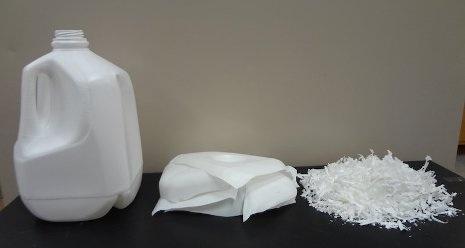
 According to a new study produced by the Pearce Research Group at Michigan Technological University (MTU) you can now save yourself money and help the environment, all while making sure you have strong bones. It turns out that the plastic milk jugs used in many countries are actually more efficiently recycled into filament for 3D printers than into plastic for reuse. When the High Density Polyethylene (HDP) milk containers are recycled in traditional facilities, the energy consumed to make the material reusable is considerably greater than that which is consumed when they are processed to make filament in the comfort of your own home.
Part of the energy savings comes from lowering what is known as the embodied energy of the process. This means the resources that are put into the recycling process that aren’t necessarily included in just the moments when the recycling is occurring, in this case during sorting and transportation of the material. By recycling the milk jugs in your home, you eliminate transportation costs and greatly reduce the energy expended on sorting (as you can now just have an extra bin for the containers).
 While in large metropolitan areas recycling systems are often integrated with collection and/or production systems and are therefore highly efficient, in smaller towns, such as the researcher’s hometown of Houghton, and rural areas, energy expenditures are much higher. In those types of situations an energy savings of nearly 80% can be realized through home recycling. The research team calculated that if the home recycling process detailed in their report were to be adopted across the country, it would result in annual energy consumption reduction of 100 million MJ.
What makes this particularly enticing is the long term cost savings, especially if you are a regular purchaser of filament. While commercially available filament can cost anywhere between $36 and $50 a kilo, the recycled plastic filament can be produced for approximately 10 cents per kilo. This represents a discount of over 99.7%. HDPE plastic isn’t perfect, there is some shrinkage as the plastic cools but for making small objects at a local scale, the impact is negligible.
So what is involved, in becoming your own recycling center / filament producer?
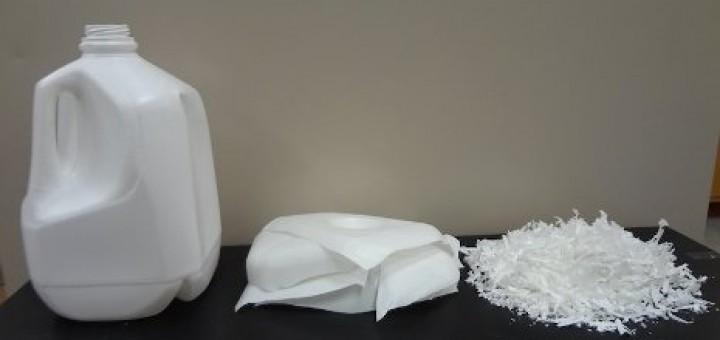
The first step is to drink milk for strong bones…or, at least, to collect the jugs that the milk came in and to give them a good cleaning. The jugs can then be opened, flattened, and run through an office shredder. After shredding, the material becomes the feedstock for a post-consumer waste plastic extruder, such as the RecycleBot, also developed by Dr. Pearce. To continue the open-source and self-directed nature of the process, the team from MTU recommends printing the filament using a RepRap self-replicating rapid prototyper.
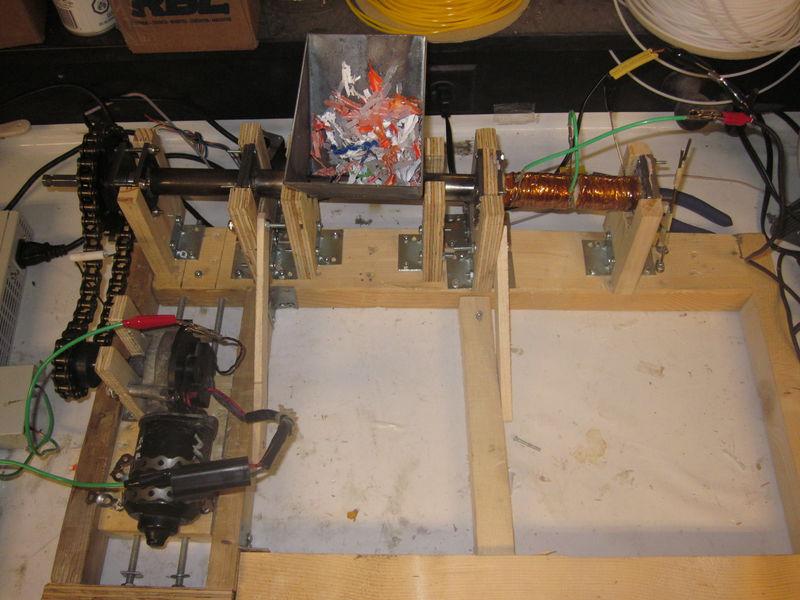
Waste Plastic Extruder
While often it seems as though the discourse surrounding sustainability is one that advocates giving up high tech and using only natural materials, it’s nearly impossible to imagine that technological advances will be voluntarily ‘un-learned.’ This study in materials science makes it clear that doing so is not the only way to think about the problems of production and consumption. The home recycling process discussed in the article published by the research team in the Journal of Cleaner Production is just one part of a larger group of initiatives such as the Ethical Filament Foundation’s program to help trash collectors in developing countries turn the plastics they find into filament they can sell.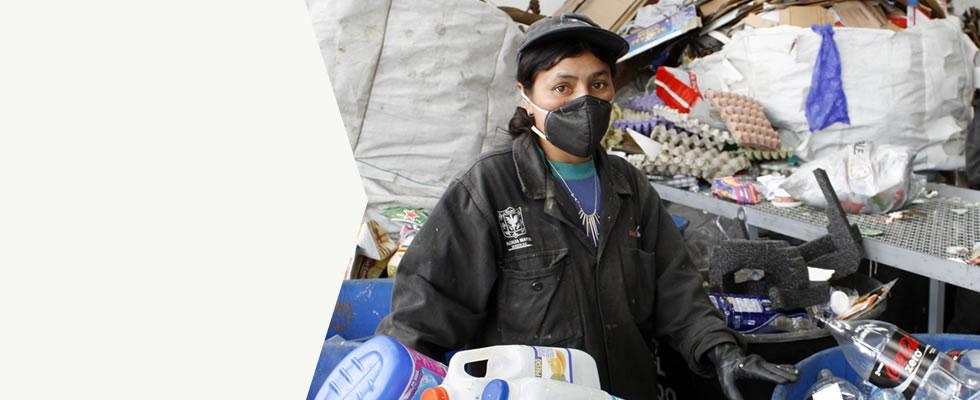
You don’t have to give up high tech to contribute to a healthier, cleaner world. In fact, Dr. Pearce notes, “3D printing can…potentially change the water shortage in developing countries and solve the food crisis in many areas.”
Now all you need is a superhero costume. Let us know your opinion of this story in the Milk Container to 3D printer filament forum thread on 3DPB.com.
Subscribe to Our Email Newsletter
Stay up-to-date on all the latest news from the 3D printing industry and receive information and offers from third party vendors.
Print Services
Upload your 3D Models and get them printed quickly and efficiently.













You May Also Like
Oerlikon Adds ATLIX’s xBUILD 5000, Plans More for 2027
Oerlikon has installed a new ATLIX xBUILD 5000 metal 3D printer at its facility in Huntersville, North Carolina, marking the first production deployment of the system worldwide. The machine will...
The Manufacturing Race Behind the Drone Revolution
We are in the middle of a major manufacturing shift focused on the production speed and payload capacity of uncrewed aerial systems (UAS), or drones. A recent Manufacturing Dive article...
Stratasys vs. Bambu Lab: Why Europe and the U.S. Reached Different Results, Part II
Editor’s note: This is Part 2 of a two-part series by Xu Fanglei examining the technology and patent issues behind the Stratasys-Bambu Lab dispute. Part 1 looked at the $27.6...
3D Printing News Briefs, October 1, 2026: Defense, Enclosures, & More
In today’s 3D Printing News Briefs, we’re starting with defense news, first from Massivit and then from AML3D. Then we’ll move on to U.S. manufacturing of a new large-format LPBF...

























































