ScrapRap, The $50 DIY 3D Printer Made From Electronic Scraps


While 3D printers have plummeted in price and ramped up in features over the course of the last year, a determined DIY builder can put one together for around $100 or less using old junk PC or printer parts.
Past efforts to take on the task have used everything from junked DVD/Blu-ray drives to parts found in the garage such as screws, nuts, washers, M-type fasteners, discarded wire and chunks of aluminium sheet.
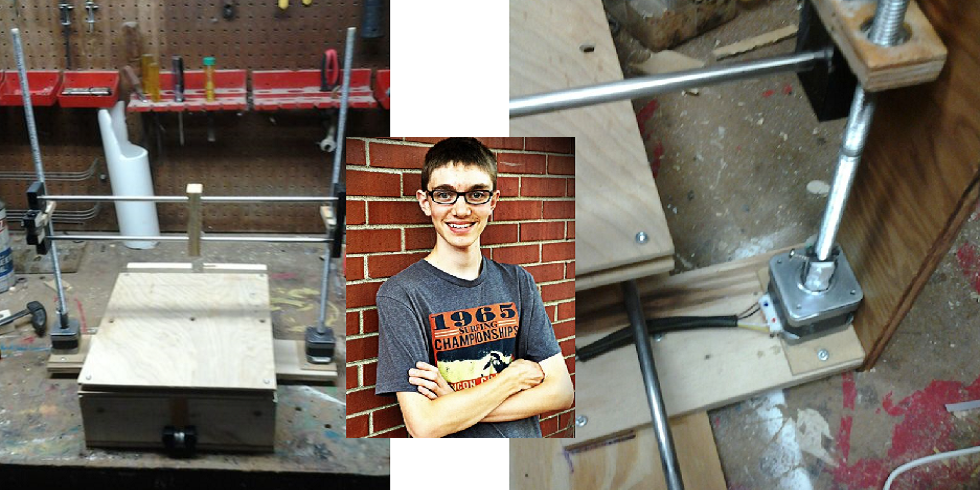
Xander Goldstein from Indianapolis, In. is building a 3D printer out materials he salvaged from dot matrix printers, scanners and a pile of scrap wood. He calls it the ScrapRap, and Goldstein 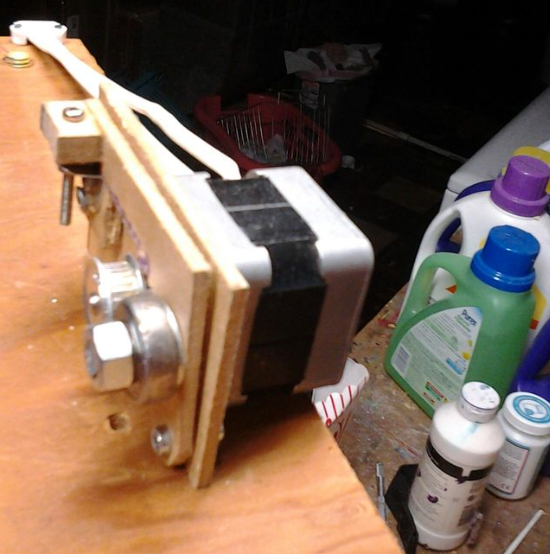 says, at least to this point, the only items he’s needed to purchase were the extruder, some threaded rod and a ramps board, which cost him under $50 in total.
While he says it’s still very much a work in progress, the idea that someone could build a working 3d printer from some old electronic device scrap is rather cool indeed. Goldstein says he began by tearing apart a pile of printers, and from that effort, he salvaged four Nema 17 stepper motors, four 8mm linear rails, four 8mm bushings, a pair of timing belts and a pair of gears to drive the motors.
He says he also managed to cadge eight bearings from an old pair of roller blades, and after he gave them a good soaking in the engineers friend – WD40 – they were returned to good working order. According to the young tinkerer, the plan also calls for him to build a filament extruder and recycle all the injection molded parts from the printers for later use.
As his extruder, he elected to use a Bowden style, but it was adapted to allow him to use only hand made parts. 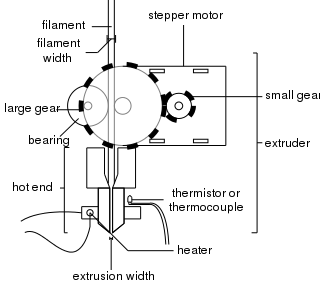 The Bowden style is favored in most home builds as it reduces the weight of the moving components and, when used with a heavy stepper motor in a fixed position, the hot-end requires less force to move and allows for faster printing speeds. Such “Bowden extruders” get their name from the similarity of the device to the so-called Bowden cable, constructed very much like a mechanical throttle cable or a bicycle brake cable.
While Goldstein’s printer is far from complete, it is interesting to follow the progress of a Maker as they complete the critical decisions necessary to come up with a working design.
In fact, Goldstein is not at all alone in his endeavors, as Afate Gnikou, an African Systems Engineer fascinated by 3D printers, says he aims to produce a commercially viable 3D printer for use in his home country of Togo, and he wants it to be largely built from the plentiful e-waste he finds there.
Have you designed and/or built your own 3D printer from electronic scraps? If so, please give us a head’s up in the ScrapRap thread on 3DPB.com, and let us know what you think of Goldsten’s work.
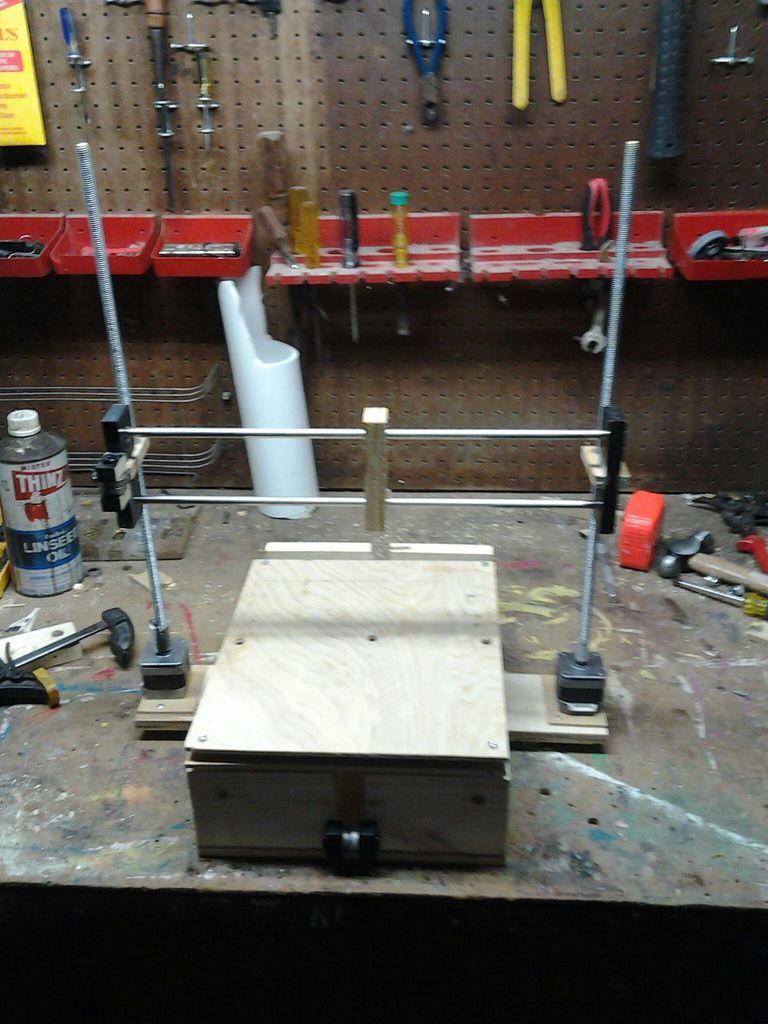
Xander Goldstein’s ScrapRap 3D Printer
Subscribe to Our Email Newsletter
Stay up-to-date on all the latest news from the 3D printing industry and receive information and offers from third party vendors.
Print Services
Upload your 3D Models and get them printed quickly and efficiently.













You May Also Like
Pogačar & Fairlight Cycles Show Us Low Cost 3D Printed Components for Bikes
There has been a lot going on in 3D printing for bicycles over the years. The most successful implementation so far is in bicycle seats. Carbon 3D printed seats are...
SpaceX IPO Puts a Major 3D Printing Powerhouse on Wall Street
SpaceX officially began trading on the Nasdaq today under the ticker symbol SPCX, marking one of the most anticipated and largest public offerings in Wall Street history. The company priced...
TDK Makes Sound AI Infrastructure Bet with Fabric8Labs Acquisition Worth Up to $400M
As I described in a recent PRO article, the bulk of global investment is currently premised on a bet that an AI infrastructure buildout can eventually result in a workable...
Continuum Powders Launches On-Demand Alloy Service for Small-Batch Production
The need to meet demand for high-mix, low-volume (HMLV) production is one of the dominant catalysts driving new manufacturing investment. One explanation for this lies in a rare dual transformation...