Saving Ancient Bashkir Clothing & Culture With 3D Printing

The majority of the people of the Bashkir tribe live in the plains between the Volga River and the Ural Mountains, and modern members of the tribe are struggling to preserve their cultural identity.
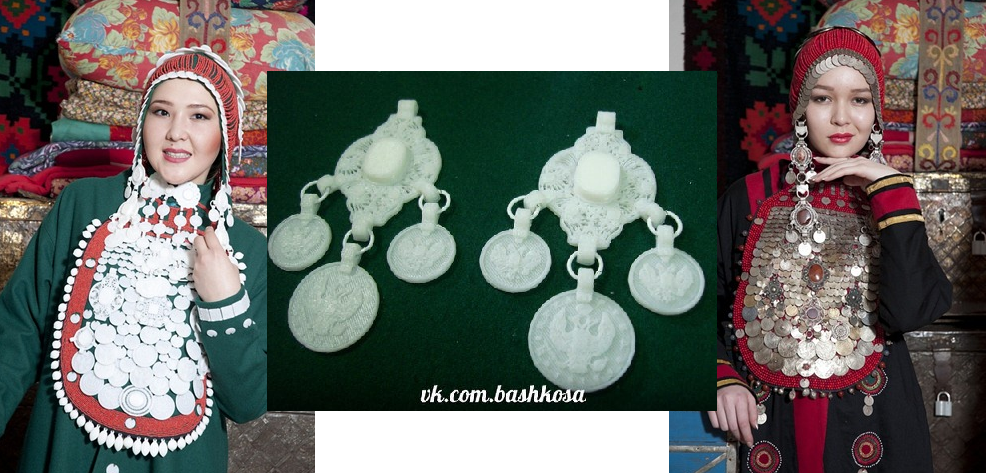
As western trends and technology exert their influence over their ancient ways, a younger generation has taken up modern clothing styles to the exclusion of traditional Bashkir national costumes.
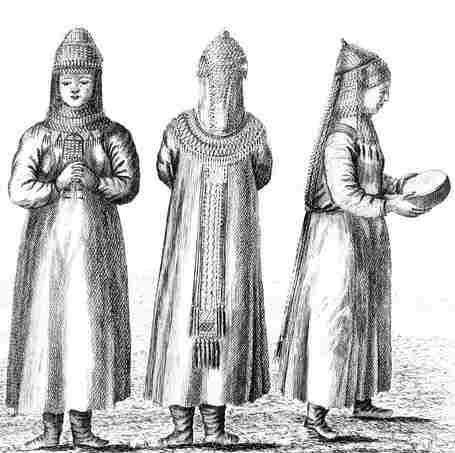
Bashkir woman in traditional garb.
A Turkic people, indigenous to Bashkortostan, which extends on both sides of the Ural Mountains “where Europe meets Asia,” the Bashkirs speak their own language, and it’s said they are mostly Sunni Muslims of the Hanafi madhhab.
Theirs is an ancient, nomadic culture whose people traditionally survived on agriculture, cattle-rearing and bee-keeping. The Bashkirs roamed the steppes, herding cattle and fighting off invasion from all sides. According to Russian surveys, there are only some 2 million Bashkirs left.
So how is it that the worlds of 3D printing, fashion and ethnography have managed to collide?
A team of designers decided to 3D print the classic women’s clothing of the Bashkir people as part of a fashion show and display them at the 3D Print Expo in Moscow. The fashion show was held at the Sokolniki convention center during all three days of the exhibition, and it highlighted jewelry, the work of designer Victoria Anoka and a talk by technician Konstantin Ivanov, along with catwalk displays of clothes and accessories created using advanced 3D printing technology.
But the most visually jarring of the pieces were the classic Bashkir costumes – the layered dulbega breast cover and the kashmau headdress – and they were printed on a Russian FDM machine called the Picaso 3D.
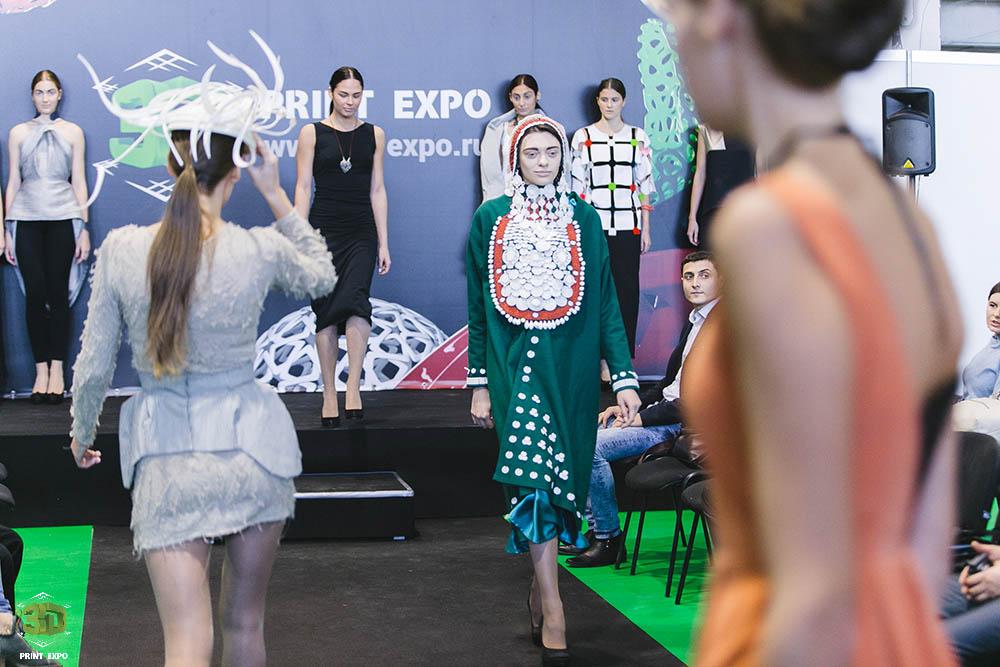
Bashkiri Dulbega steals Russian 3D printed fashion show.
The dulbega relies on a layered effect of old coins and unique jewelry as accessories, and for the most part, correct and historical versions of the costumes are becoming nearly impossible to find. The team behind the project said the designs were meant to aid in understanding of the Bashkir culture, and for display at museums, cultural events and dance festivals.
While 3D printing has had an ongoing impact on the fashion industry, it’s the suitability of the technology to make clothing in small quantities which may well prove key in saving the ways of the Old World with projects like the Bashkir clothing pieces.
What do you think of this effort to preserve the traditional garb of Bashkir women via 3D printing and design? Do you know about any other such projects? Let us know your thoughts in the Bashkir Clothing and 3D Printing forum thread on 3DPB.com.
Subscribe to Our Email Newsletter
Stay up-to-date on all the latest news from the 3D printing industry and receive information and offers from third party vendors.
Print Services
Upload your 3D Models and get them printed quickly and efficiently.











You May Also Like
Reshoring Requires Rules of Engagement
Reshoring manufacturing in the U.S. is a stated national priority. Policymakers, industry leaders, and defense planners agree that domestic production capacity is essential for economic resilience, national security, and long-term...
When a Factory Stops Being a Building and Starts Being a Machine
Metal manufacturing still carries the layout and logic of an older industrial age. Most factories run as a collection of isolated disciplines, each with its own equipment, staff, and data....
Bridging the Gap: 2D to 3D AI in Manufacturing
For decades, the early stages of manufacturing have been defined by a simple, frustrating trade-off: you can have it precise, or you can have it fast. AI just broke that...
Hardware is Dead. Here’s What Actually Wins in Additive Manufacturing.
Hardware is rapidly commoditizing across additive manufacturing. Specifications have converged. Price competition has intensified. Margins have compressed. For companies attempting to scale additive manufacturing beyond prototyping, this shift has profound...