Inspired by MIT Scientists, an Entrepreneur Builds His Own 3D Glass Printer


One of the most exciting developments in 3D printing has been the recent advancement of printers capable of printing high-quality glass objects. We recently covered the G3DP project, an advanced glass printer created by a team of MIT scientists. The project has generated a lot of excitement in the 3D print community, and has inspired other engineers and makers to see what they can do with glass printing based on MIT’s design.
Boise-based Jeshua Lacock, the founder of 3DTOPO Incorporated, is in the process of constructing what he hopes will soon be the world’s largest 3D glass printer. Inspired by the work of the MIT lab, he recently began building the 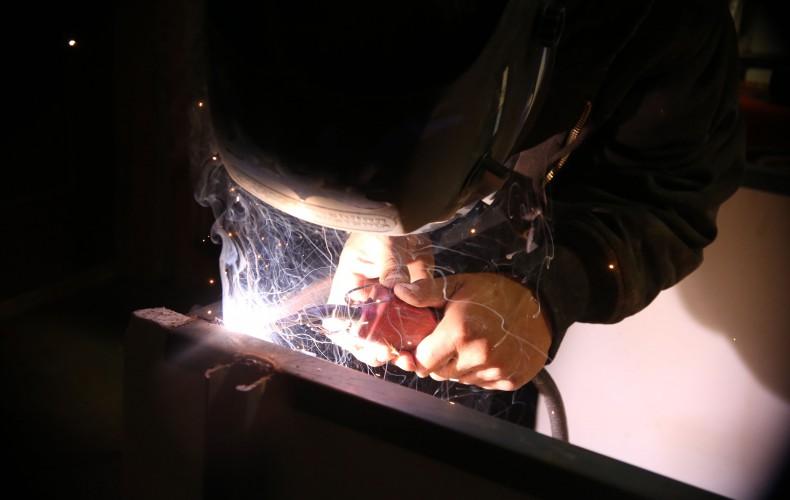 printer and is documenting the process in a new blog. He has been building on the ideas presented by MIT, and hopes that his printer will be able to print more complex items.
“I’m on the heels of the MIT Media Lab and should printing some optical quality glass here pretty soon,” Lacock told 3DPrint.com.
The printer has a 3 x 3 x 2 foot print chamber and will be capable of holding 1.33 gallons of glass. A crucible made from alumina will melt the glass at extremely high temperatures, at which point it will be extruded through a nozzle into the lower, cooler chamber, where the printing process will begin.
Lacock built several of the parts for the printer using a process he developed and calls Lost PLA casting. The process, which he began using to create replacement parts for machinery, involves 3D printing a plastic model of the required part to create a mold, and then melting aluminum into the mold using his homemade furnace. The process has been extremely successful for him, and really sped up the building of the glass printer.
“When we need a custom part around here, often we will print it out of plastic and then perform our lost PLA process to the print transforming it into a flawless metal copy,” Lacock says.
You can see an in-depth video detailing the Lost PLA process on 3DTOPO’s YouTube channel.
Currently Lacock and his team are working on actuating the nozzle for the glass printer, which will be the final step before they actually begin printing. With the printer nearly completed, Lacock decided it was time to get the 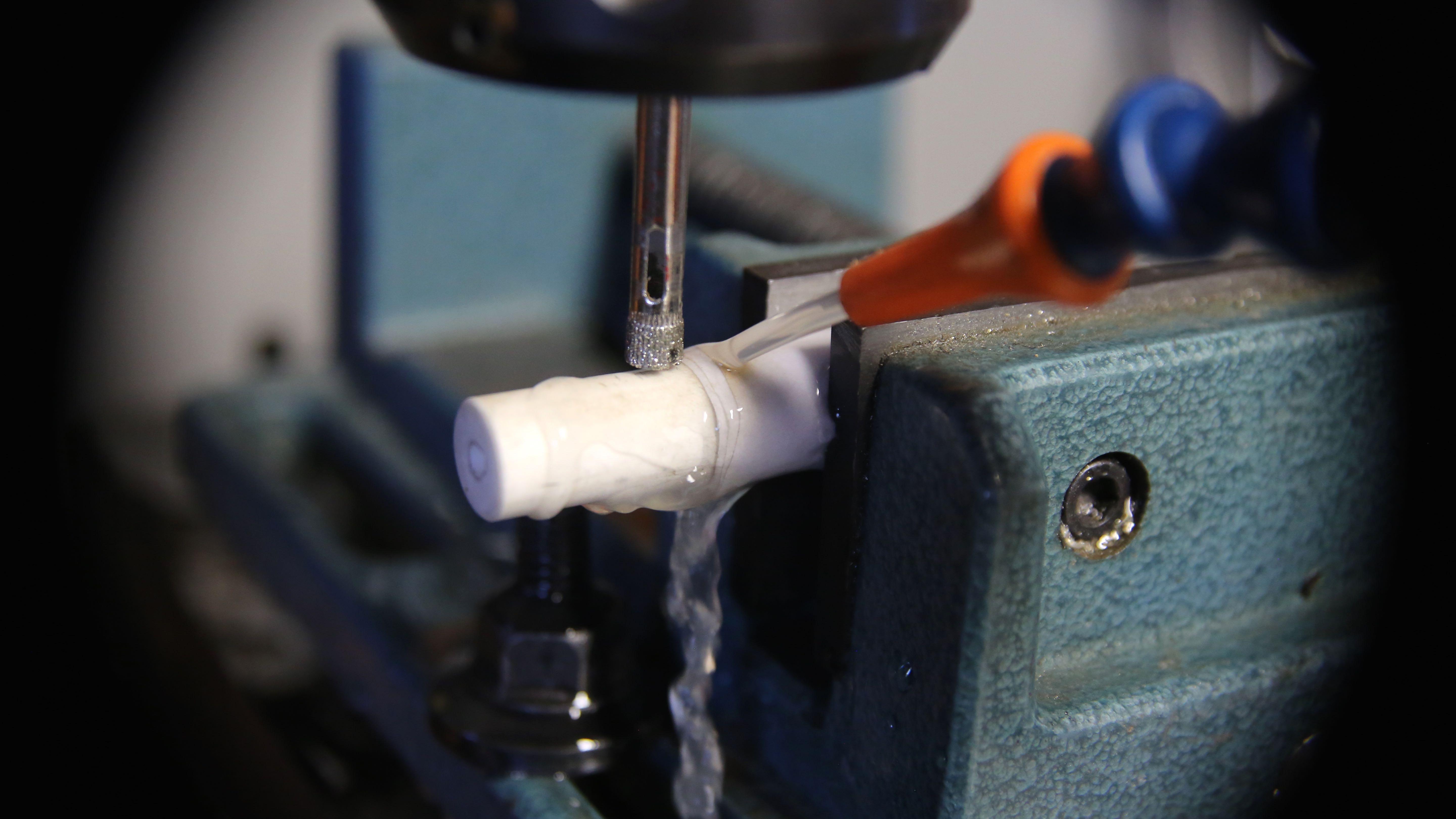 production blog up and running, with demonstrations of the finished product hopefully soon to follow.
“It is a build log, certainly not a product showcase at this point,” Lacock told 3DPrint.com. He added, “We actually have the rest of the printer built, so once we get this hot end firing we should be printing immediately following.”
At the rate that Lacock and his team are going, the blog will likely become a product showcase in the near future. Also recently launched were a Twitter account and a Facebook page. Follow the team on one or all of these forums to see the completion and activation of one of the next stages in 3D glass printing.
What are your thoughts on this printer? Discuss in the DIY Glass 3D Printer forum thread on 3DPB.com
Subscribe to Our Email Newsletter
Stay up-to-date on all the latest news from the 3D printing industry and receive information and offers from third party vendors.
Print Services
Upload your 3D Models and get them printed quickly and efficiently.













You May Also Like
3D Printing News Briefs, September 12, 2026: Rebranding, Cybersecurity, Project Call, & More
We’ve got a lot of business news from ATLIX to start off this weekend’s 3D Printing News Briefs, with a new identify for its additive manufacturing (AM) portfolio and some...
Apple’s 3D Printed Hinge Cover & the Inauguration of the Ternus Era
Marc Andreessen notwithstanding, it turns out that hardware is, in fact, eating the world. Perhaps after being starved for so long, the hardware side of tech innovation is now overcompensating,...
3D Printing News Briefs, September 10, 2026: Tax Credits, Polymer Research, Microneedles, & More
We’re starting off this week’s 3D Printing News Briefs with a little business from Axtra3D and Beehive Industries, before moving on to a scientific collaboration agreement between Roboze and a...
IperionX Gets $11.5M Army Boost to Make Titanium Fasteners in the U.S.
IperionX is going to get another $11.5 million, potentially up to $25.4 million, of an existing SBIR Phase III with the Army (Task Order W911QX26FA097). The award covers low-cost titanium...