Man Creates an Air Hockey Robot Using Parts from a 3D Printer


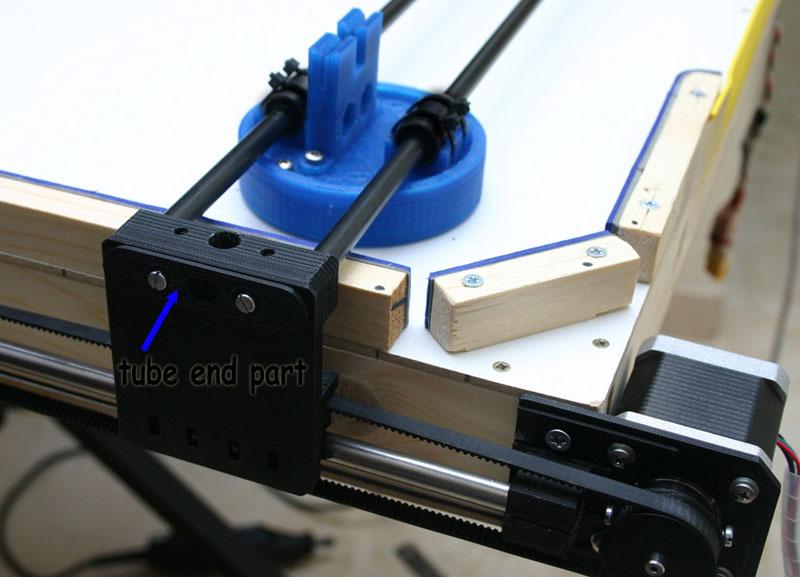 Building 3D printers has become a hobby for many tech hackers lately. With the price of these printers still hovering over $1000, the next best thing is to build your own and save a lot of money. One hacker by the name of Jose Julio decided to see what else he could build using the parts normally used to build a 3D printer. What he came up with was quite amazing.
“I have seen several interesting projects of robots that paint or manufacture PCBs, etc,” explained Julio on his blog. “I was looking for something different.”
His daughter is a big fan of air hockey, so he decided to use his love for robotics to construct an ‘Air Hockey Robot’. To get started Julio decided to use basic RepRap 3D printer parts such as the NEMA17 Stepper Motors, Arduino Mega microcontroller boards, RAMPS, belts, bearings, rods, and printed pieces.
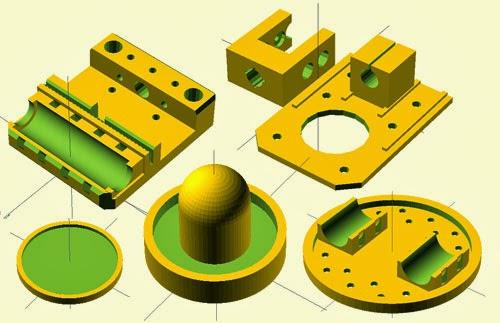
“The main advantage of using these parts, is that they are cheap and easily available,” said Julio.
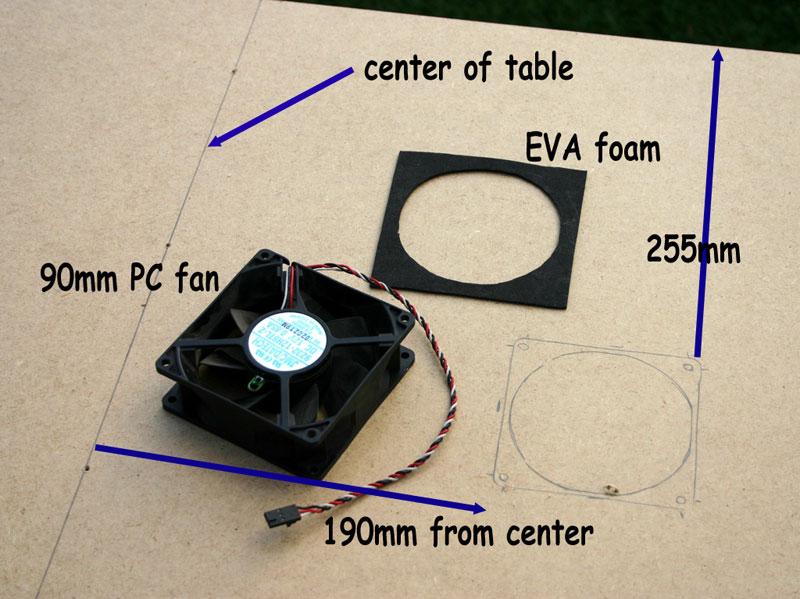
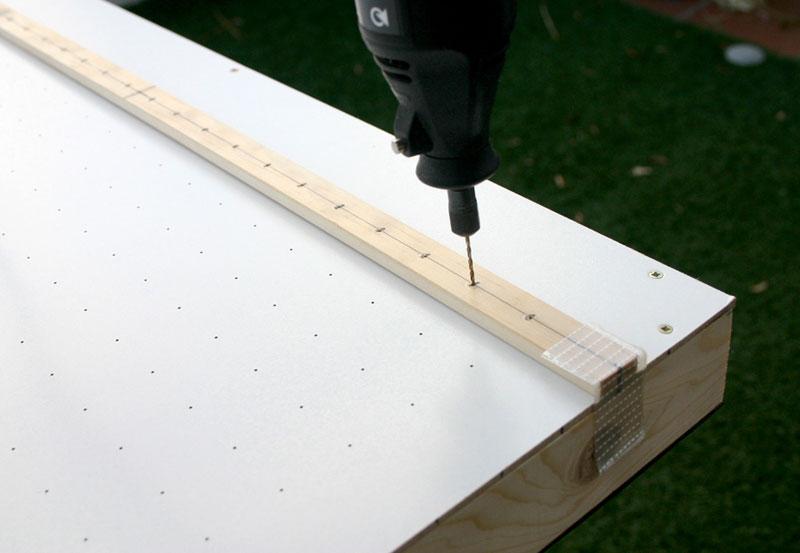
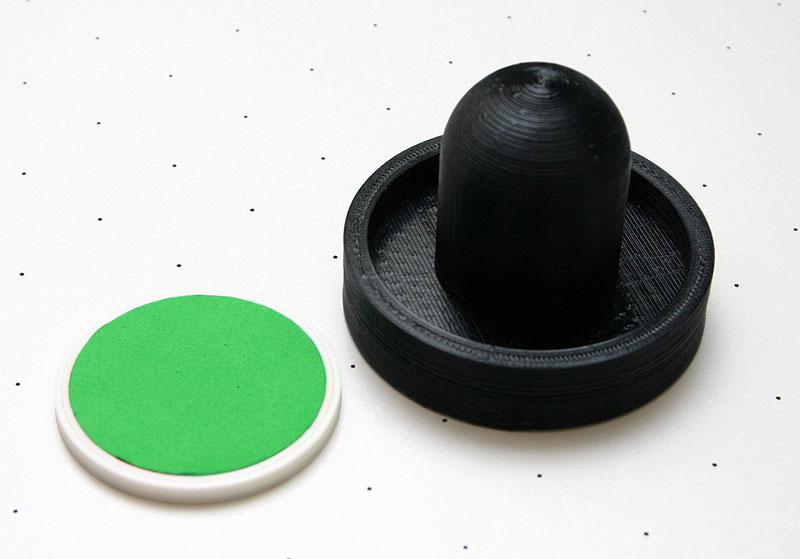
Not only was the robot portion of the Air Hockey Robot build entirely by Julio, but also the entire air hockey table – using old PC fans to create the stream of air.
The robot has 2 motors running the Y-axis, and 1 running the X-axis. The software that runs the robot was created from scratch by Julio, after he determined that the Marlin software, which typically runs RepRap printers just wouldn’t get the job done. For the electronic eye that is located on air hockey paddle, Julio went with the PS3 EYE Cam, using OpenCV libraries for capturing, filtering, thresholding, and segmentation. The camera on the paddle detects a specifically colored puck, and sends it to the computer via serial port.
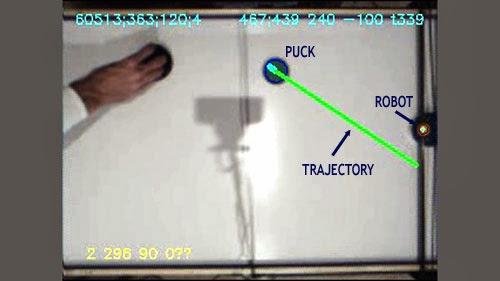
The computer systems detects the direction of where the puck is moving, using 2 consecutive frames from the camera, to determine the overall trajectory of the puck. The computer (as programmed by Julio) will then decide what type of move to make. Does it defend the goal, defend and attack, or just straight out attack?
So how good is this robot? Currently it could easily beat a child, but Julio said that an adult with some previous air hockey experience can still win. However, with a few small improvements to the code, he is sure that it could become extremely difficult to beat.
While the project seems very complicated, Julio is pretty insistent that it is not. He is not completely done with this project, as he still has a few additions that he would like to make.
“Currently the robot is not able to detect goals but we could improve this in future,” he explained. “In the future the robot can self-calibrating the camera using predefined movement at the beginning – to avoid the camera calibration.”
Julio is even considering building a dual robot table, where people put their robots up against someone else’s.
Discuss this robot, as well as the technical aspects that go into developing something like this at: https://3dprintboard.com/showthread.php?1685-Man-Creates-an-air-hockey-robot-using-3d-printer-parts
[source]Subscribe to Our Email Newsletter
Stay up-to-date on all the latest news from the 3D printing industry and receive information and offers from third party vendors.
Print Services
Upload your 3D Models and get them printed quickly and efficiently.













You May Also Like
Russia’s 3D Printed Missiles & Can NATO Get Its Act Together?
For most of US history, however much the two major parties differed on domestic policy (in some cases a lot, overall less than you’d think), there was always essentially a...
3D Printing News Briefs, October 21, 2026: Digital Twins, AI CAD Service, AR Smart Glasses, & More
In today’s 3D Printing News Briefs, America Makes announced the winners of its MIAMI Project Call, and AM Europe released a new report. Artec 3D launched its new Artec Twins...
3D Printing News Briefs, October 10, 2026: Drones, WAAM, Ceramics, & More
We have a packed 3D Printing News Briefs for you this weekend! First, America Makes celebrated the recent National Manufacturing Day with 3D printed drones, and then it’s on to...
The Manufacturing Race Behind the Drone Revolution
We are in the middle of a major manufacturing shift focused on the production speed and payload capacity of uncrewed aerial systems (UAS), or drones. A recent Manufacturing Dive article...