
ATI to Spend $70 Million to Increase Nickel-Based Superalloy Powder Capabilities for 3D Printing

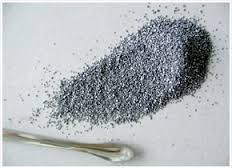 3D printing in metal has really begun to take off within the manufacturing space. Printing in metal allows companies to save time and money in creating custom end-use products which can not be created via more traditional manufacturing means. With the continual advancements being made within the 3D printing space, more and more companies are increasing their 3D printing budgets to accommodate for metal printing technology.
3D metal printing can only go as far as the available materials allow for. One of the companies responsible for making the metal powders used in this process is called ATI (Allegheny Technologies), and today they made a rather large announcement.
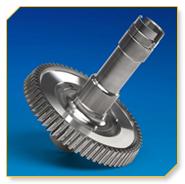 ATI has announced that they are expanding their nickel-based superalloy powder capabilities, in a move which they expect to satisfy the increased demand most specifically from the aerospace jet engine market as well as the additive manufacturing industry. The nickel-based powder is currently utilized quite frequently for 3D printed parts for the aerospace, electrical energy, medical, and oil and gas markets.
This expansion is expected to take approximately 2 years to complete, and cost an additional $70 million. It will take place at the ATI Specialty Materials business operations in North Carolina.
“This strategic growth project will strengthen ATI’s position in the production of technically demanding superalloy powders used to produce advanced mill products and forgings, primarily for next-generation jet engines,” explained Rich Harshman, ATI’s Chairman, President and CEO. “A significant portion of the powders to be produced from this expansion are needed to meet requirements of existing long-term agreements with jet engine OEMs that run well into the next decade. The expansion also better positions ATI to continue as a leading innovator supplying advanced powders to the new and rapidly growing additive manufacturing industry.”
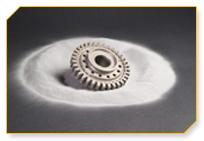 These nickel-based alloy powders are capable of providing a refined microstructure that offers increased performance in 3D printed parts, as well as the ability to last longer in extreme high-temperature conditions and corrosive environments.
“This expansion builds on ATI’s existing powder capabilities located at facilities in Oakdale, PA near Pittsburgh, which are currently operating near capacity,” explained Harshman. “The expansion is included in our multi-year capital expenditure target of approximately $200 million annually.”
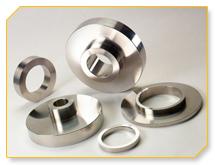 Without a doubt, we will continue to see more and more companies, both on the hardware and material ends of the spectrum, ramp up production of 3D printers and metal powders over the course of the next few years, as more and more large corporations are turning toward this technology for creating end-use products.

Subscribe to Our Email Newsletter
Stay up-to-date on all the latest news from the 3D printing industry and receive information and offers from third party vendors.
Print Services
Upload your 3D Models and get them printed quickly and efficiently.













You May Also Like
Prusa Core One L+: A Worthy Upgrade?
Disclosure: The Core One L+ was provided to me by Prusa3d free of charge for the purpose of this review. I have not received any other compensation. All opinions expressed...
Building Profiles in the Additive Print Services Market – Market Research Beyond AI Scraping
AM Research New market research: AM Research is building its new Additive Manufacturing Services Market 2.0 model. View the report and preorder here → In case you haven’t heard, at...
3D Printing Services Near $2.5B as AM Market Shifts Beyond Hardware
The additive manufacturing market may be growing again, but one of the more interesting numbers behind that recovery has little to do with selling 3D printers. AM services generated nearly...
Bambu Lab and SUSAN FANG 3D Print for London Fashion Week
At London Fashion Week, some of the more unusual pieces on the runway came from 3D printers. Chinese fashion designer SUSAN FANG presented her Spring/Summer 2027 Air-Illusion collection at the...
























































