Continuum Powders & AM Research White Paper Argues that Circular Economics is Central to Scaling Metal AM


Pretty much everyone is aware that, over the last several decades, Western nations have continuously ceded control over manufacturing supply chains to China. It has been less widely appreciated that critical mineral supply chains have also been subject to a parallel trajectory of increasingly lost ground by the West, but the world is starting to wake up to this fact, as well.
Mainly, that’s because of China’s imposition of stricter export controls over less ubiquitous commodities like rare earths and tungsten. But China’s critical minerals dominance extends to a broad range of materials that includes metals as commonplace as aluminum. A push to reassert some control over critical minerals supply is at least part of the explanation behind the US’s growing adoption of metal additive manufacturing (AM), especially in aerospace and defense.
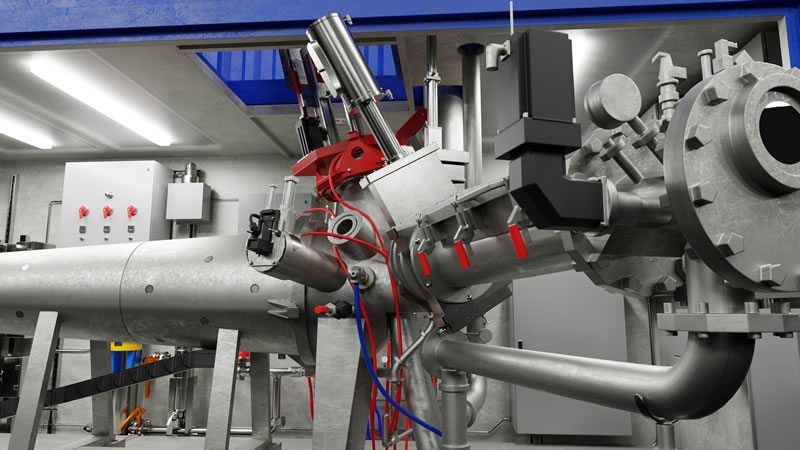
Continuum Powders, the Houston-based supplier of metal powders for advanced manufacturing processes including AM, built its business around an early recognition that reshoring manufacturing supply chains requires a more or less simultaneous reshoring of critical minerals supply chains. Moreover, since the primary bottlenecks have less to do with mining capacity than they do with processing capacity, Western manufacturing enterprises and organizations need to secure metals sources that have built recycling capabilities — like the capabilities embodied in Continuum’s proprietary Greyhound Melt-to-Powder (M2P) system — into their foundation.
If you’re interested in learning more about how exactly the combination of metal AM and recycling fits into the reshoring equation, Continuum and AM Research just released a jointly produced white paper on the topic, titled “Metal AM at Scale: the Closed-Loop Materials Era.” The contents include topics like cost efficiency and supply autonomy, high value materials for strategic sectors, AM and defense autonomy, closing the loop, and more. You can download the white paper here.
Additionally, you can read about Continuum’s most recently announced offering, Custom Foundry Runtime (CFR), here, or check out all the specific details about CFR on Continuum’s website. Continuum is giving powder-based metal AM users a unique opportunity to explore the advantages of using recycled powders in small batches, as they ramp up to eventual scaling.
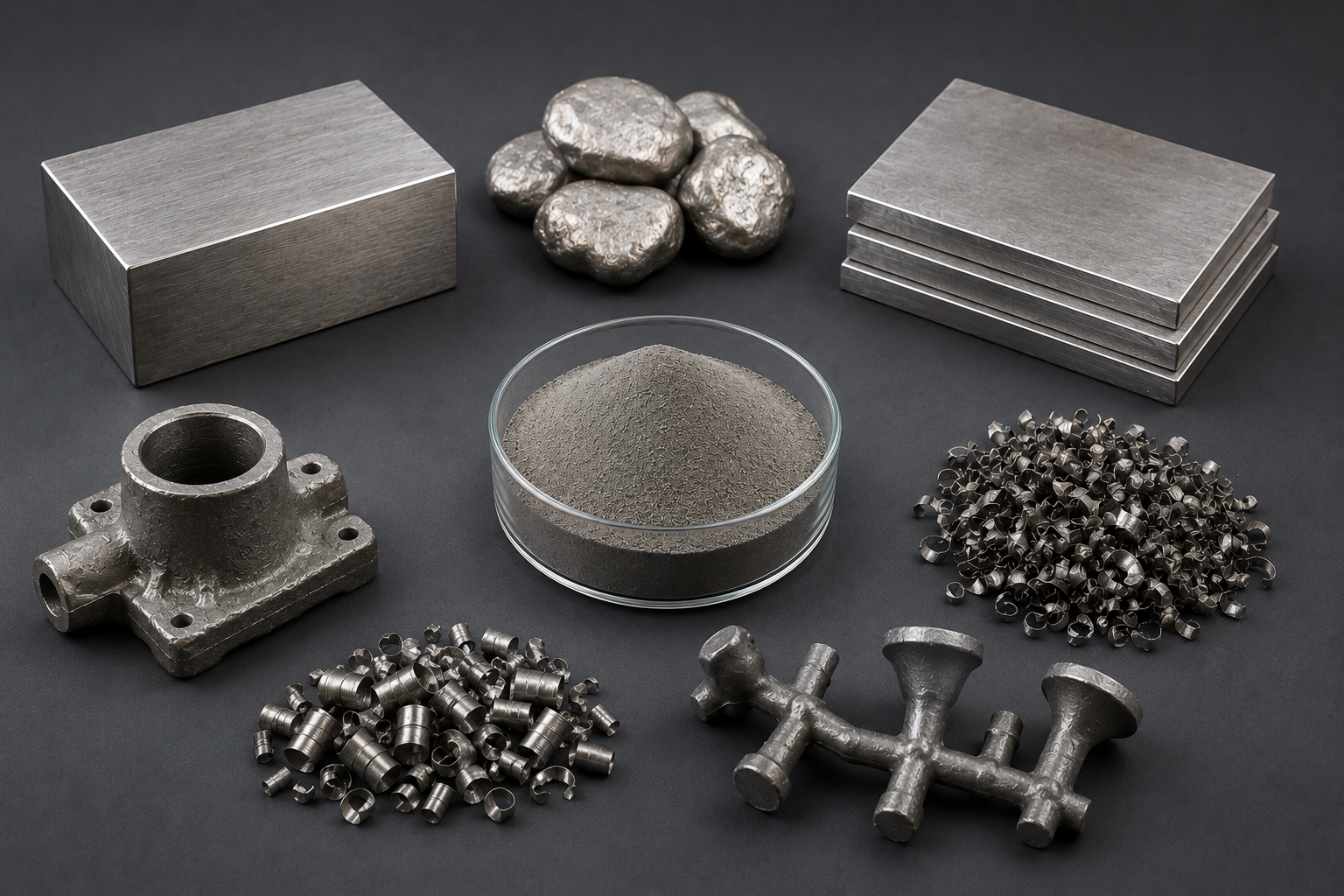
In earlier phases of the metal AM buildup, recycling was a less prioritized concern because at lower scales, the cost disadvantage of leaving recycling out of your business model is relatively negligible. But as users like Siemens Energy and Apple have demonstrated, once you start scaling up to serial production, using recycled powder becomes essential to achieving cost competitiveness.
Viewed for a long time as mainly a sustainability concern, recycling is now being revealed as even more urgent in terms of pricing considerations and national security implications. Be on the lookout for the Continuum and AM Research white paper to stay ahead of where the metal AM market is going next.
Images courtesy of Continuum Powders
Subscribe to Our Email Newsletter
Stay up-to-date on all the latest news from the 3D printing industry and receive information and offers from third party vendors.
Print Services
Upload your 3D Models and get them printed quickly and efficiently.













You May Also Like
50,000 Orders and Counting: EPlus3D & Chinese AM Services Provider Are Scaling Liquid Cooling Solutions for AI Servers
An under-appreciated story driving the additive manufacturing (AM) industry this year has been the divergence between what’s driving the market in China and what’s driving it everywhere else. Let’s start...
Additive Manufacturing Has a Major Growth Opportunity; Trust Will Decide Who Captures It
After years of overpromising, the next phase of AM growth will be won by companies that consistently deliver what they say. When I entered additive manufacturing in 2014, after 15...
Seven Trends Reveal What’s Next for 3D Printing at TCT Shenzhen 2026
TCT Shenzhen 2026 opened on October 14 in Hall 15 of the Shenzhen World Exhibition & Convention Center in Bao’an, and ran through October 16. The event brought together equipment...
AM Investment Strategies 2026 Sets the Stage for AMS 2027
AM Investment Strategies 2026 Nov. 5 · 12 p.m. ET · Free online event RESERVE YOUR SPOT ↗ A one-hour online discussion featuring some of the biggest names in 3D...