30 Women Have Had Breasts Restored with BellaSeno’s Resorbable Scaffolds


BellaSeno has pioneered resorbable breast implant scaffolds using 3D printing and polycaprolactone. The scaffolds can be printed in a specific structure and then reabsorb into the body. That way, the patient doesn’t need an implant, and the polycaprolactone breaks down completely. The scaffold stays intact long enough for the body to seed it with its cells. The company says that the “scaffolds are inserted into the breast and seeded with the patient’s own fat, acting as a protective framework for tissue growth, gradually regenerating breast volume and shape over one to two years.” So for someone who lost a breast due to a mastectomy, for example, the resulting breast will feel and wear much more naturally.
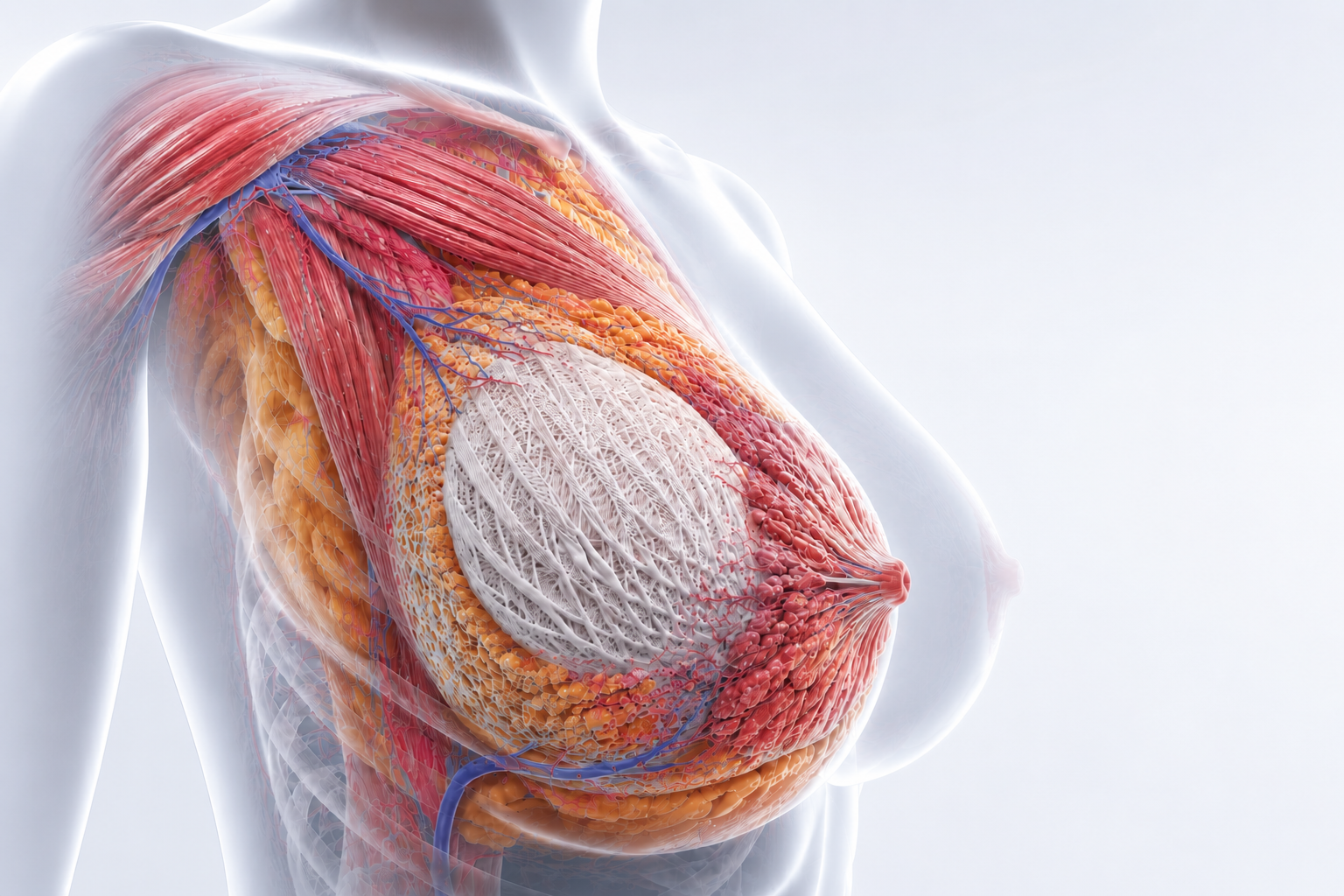
Breast scaffold.
The company reported good initial results from a clinical trial and later said that its process led to good results. It completed two clinical trials in 2025: the first with 19 patients and the second, an ongoing trial, with 11 patients.
Thirty Australian women have now had their breasts restored using BellaSeno’s 3D printed scaffolds. The patients have undergone life-changing restorative breast surgery using new absorbable scaffold technology specifically designed to regenerate lost breast tissue.
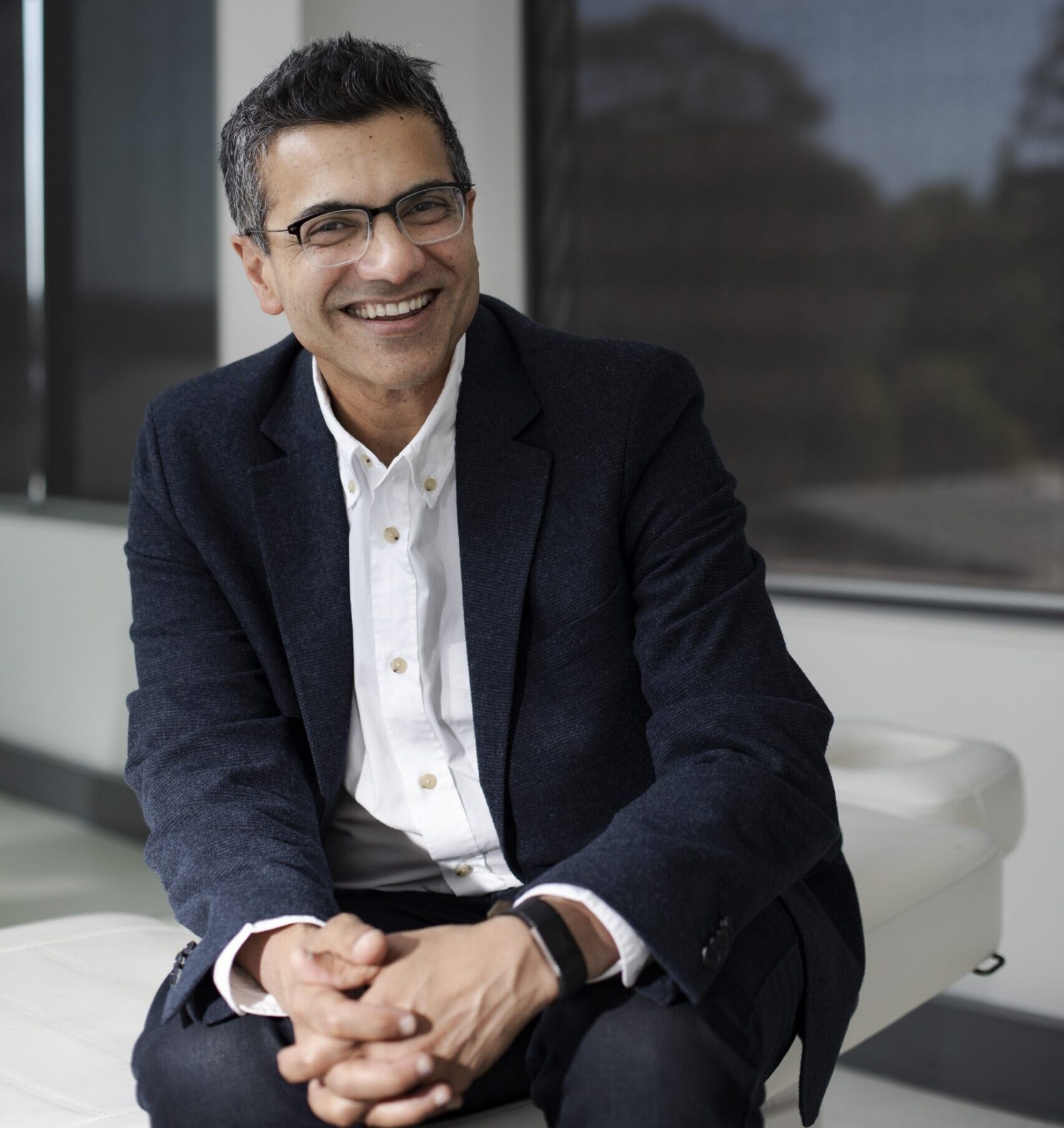
Professor Anand Deva says,
Professor Anand Deva.
“Clinicians who are looking at MRI scans in these patients a few years after receiving these scaffolds would say they were simply looking at normal breast tissue, There are now 30 women walking around the world who have had breast scaffold surgery across both trials. By the end of August, we expect that number will more than double as we have many more patients scheduled for surgery. By the time we conclude this trial, we will have generated a robust scientific evidence base focused on efficacy, safety, and longer-term patient outcomes. It is without a doubt the most significant advancement we have seen in the field of breast surgery for decades. We have now entered the era of medical regeneration.”
Meanwhile, BellaSeno CEO Dr Mohit P. Chhaya said,
“When BellaSeno was founded, the ambition was not simply to develop a product, but to help advance a new regenerative approach to soft tissue restoration. The progress achieved to date reflects years of collaboration between scientists, engineers, surgeons and patients who share a common belief that future healthcare will increasingly involve technologies designed to unlock the body’s own regenerative capacity. However, we are now considering the pathway from clinical investigation toward future commercialization and broader clinical access.Regenerative soft tissue surgery is no longer a futuristic idea. Dozens of patients have had these procedures, and many more are going to as part of human clinical studies, which are happening inside operating theatres now.”
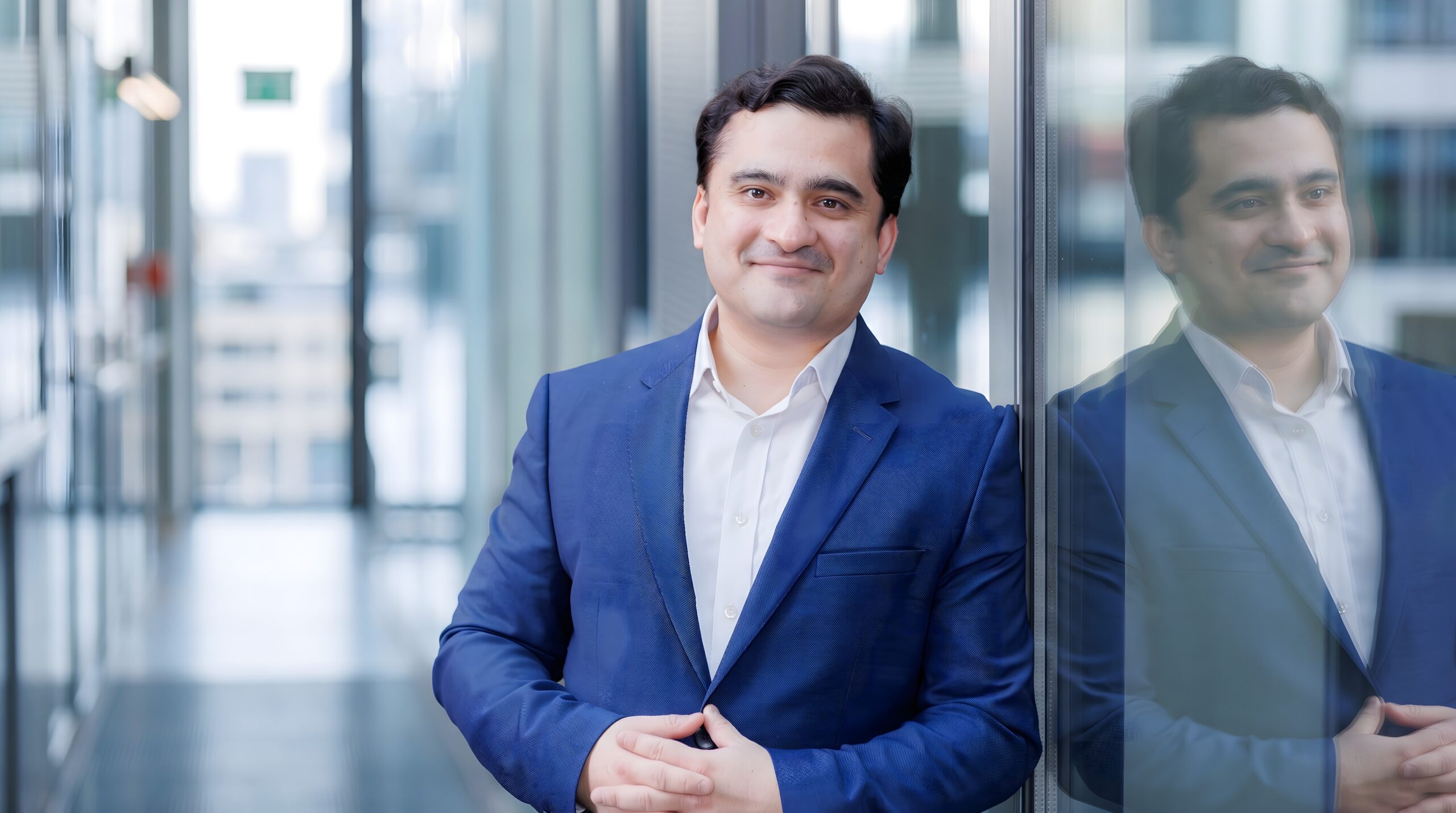
Dr Mohit Chhaya, BellaSeno CEO and Co-Founder.
These are encouraging results. BellaSeno seems to be on a path here to a diligent, precise revolution. If successful, BellaSeno could become one of the largest companies in additive. There are reportedly more than 2.2 million breast augmentation surgeries worldwide. These procedures carry risks such as cancer, scarring, and more. BellaSeno (and French firm Lattice) could go far in making breast augmentation and reconstruction much safer. With 3D printing customization, they could be the right size, and, because they are ultimately made of the body’s own tissue, they could feel a lot better. This could be hugely beneficial for patients.
At the same time, a clinically validated safer procedure with better results could eventually net BellaSeno billions in revenue, even if they just conquered a fifth or so of the market. Now we don’t know whether they’ll be alone in the 3D printed breast implant market, or for how long. But beyond breasts, there are more opportunities in noses and other parts as well. The company still has a ways to go, but BellaSeno could very well change the world for millions of patients, and be one of the biggest successes in additive manufacturing.
Images courtesy of BellaSeno
Subscribe to Our Email Newsletter
Stay up-to-date on all the latest news from the 3D printing industry and receive information and offers from third party vendors.
Print Services
Upload your 3D Models and get them printed quickly and efficiently.












You May Also Like
Austal, Curtin University and AMCRC Work on R&D Together
Australia’s Additive Manufacturing Cooperative Research Centre (AMCRC) works with 70 industry partners to deliver collaborative R&D projects. They also work on workforce development and technology transfer. It’s kind of analogous...
Why Qualification Is Becoming the Next Frontier for AM in Energy
The energy industry doesn’t have much room for failure. Components used in power generation often operate under extreme temperatures and pressures, sometimes for decades at a time. That’s one reason...
Foundation Alloy Raises $22M in Series A for Solid State Molybdenum
Foundation Alloy has just raised $22 million in Series A financing. The alloy company is trying to create a platform that will enable the solid state manufacturing of alloys. In...
Limitless Labs Raises $20 Million in Series A Funding for Agentic CAD
Limitless Labs has raised an additional $20 million for its agentic CAD/CAM platform, bringing its total funding to date to $27.3 million. Investors in the Series A round include Dell...