The Arsenal of Democracy is Empty: Enter SOUTHCOM’s Autonomous Warfare Command SAWC

One of the most important things to happen to the US Military in over a decade just happened: SOUTHCOM (The US’ Southern Command responsible for Central America, South America, and the Caribbean) has started an autonomous warfare command. The somewhat awkwardly named SAWC is an important step for the US to develop a scalable, relatively inexpensive autonomous robotic force on land, sea, and air.
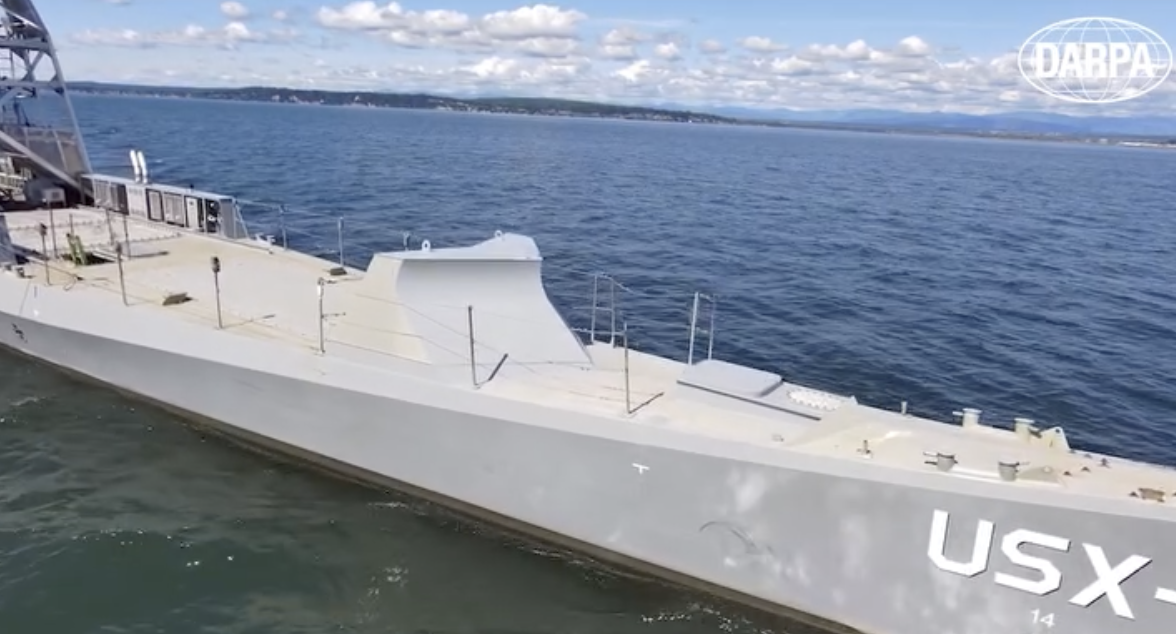
The USX-1 Defiant is a 180-foot, 240-metric-ton Medium Unmanned Surface Vessel (MUSV) built for DARPA’s “No Manning Required Ship” (NOMARS) program. Image courtesy of DARPA.
As we know, the US is stuck, with too little in the way of ordinance, too expensive craft, and a declining advantage. There is simply no way the US can win a protracted war with a near-peer. It is simply too expensive for the US to wage war now. A short engagement with Iran cost the US a third of its Tomahawks and depleted around half of all other precision long-range munitions. It also lost around 30 drones and planes, and spent in excess of 40 billion. According to public US estimates, the military spent 25 billion, but I believe those to be too optimistic. They’re also quite ridiculous, really, since they only include estimates for munitions and maintenance, not things like salaries, wear, development costs, the cost of satellite oversight, the cost of support personnel, the cost of in-air refueling, the cost of transport, etc. The US hit over 13,000 targets in Iran and eliminated a lot of its leadership. But Iran persists under new leaders and seems not to have been degraded, with much of its military capability still intact. And, per target, the cost to the US was over $1.9 million; I believe the actual cost is far north of $3 million. Even the lower estimate of $1.9 million per target is absurd.
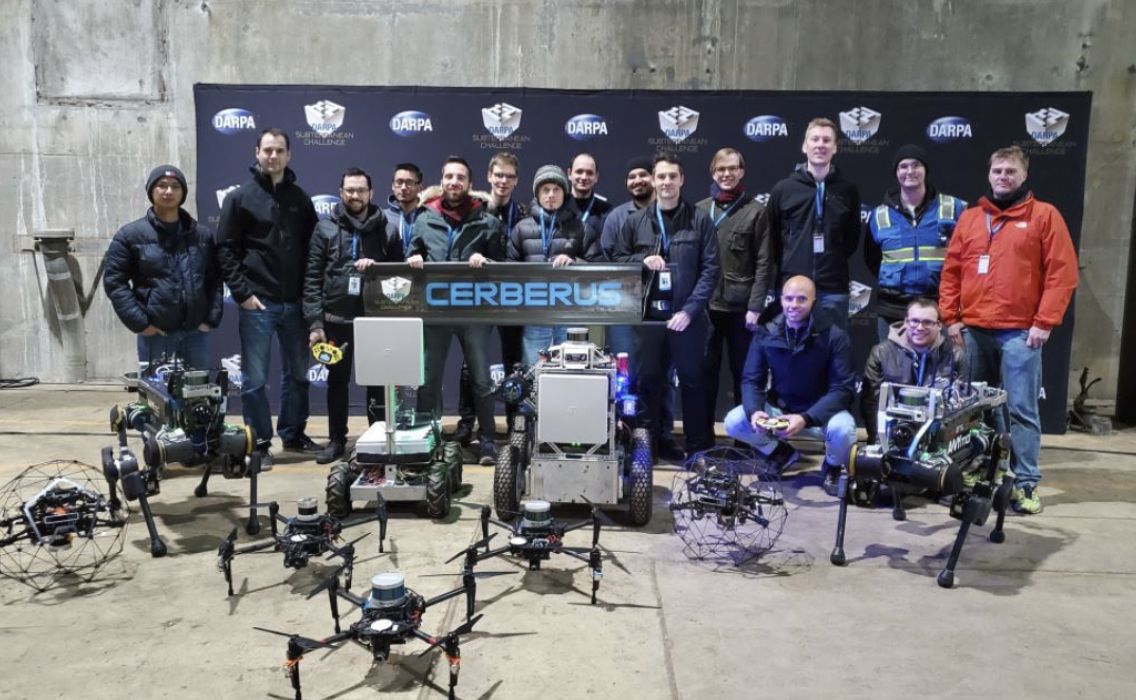
Team Cerberus at DARPA SubT Urban Circuit (Feb 2020). Image courtesy of DARPA.
The initial Iraq invasion cost $54 billion in 2004 dollars, maybe around $94 billion in today’s dollars, and involved 250,000 US troops, 41,000 sorties, and hitting 11,000 targets from the air. A ground invasion of Iran would bankrupt the US before it got anywhere. Iran’s GDP is around $400 billion, ranking it 55th among 195 nations. Rather than a lightning strike, the US should experiment with giving nations 10% of their GDP in return for them doing what it wants; this would be cheaper. Russia launches around 6000 Shahed drones and 2400 missiles at Ukraine each month right now. Iran launched around 5400 missiles and drones at the US and its allies in a month. This led the US to deplete its arsenal. The US has now only half of its Patriots, half of its THAAD missiles, and around 10% of SM3 and SM6 inventory in response. And it did this, combating less than what Ukraine faces every month. The US, with its current inventory and capabilities, in my opinion, would not be able to sustain this barrage for more than a few months. It is, therefore, cost-prohibitive for the US to attack anyone while it is unable to defend itself.
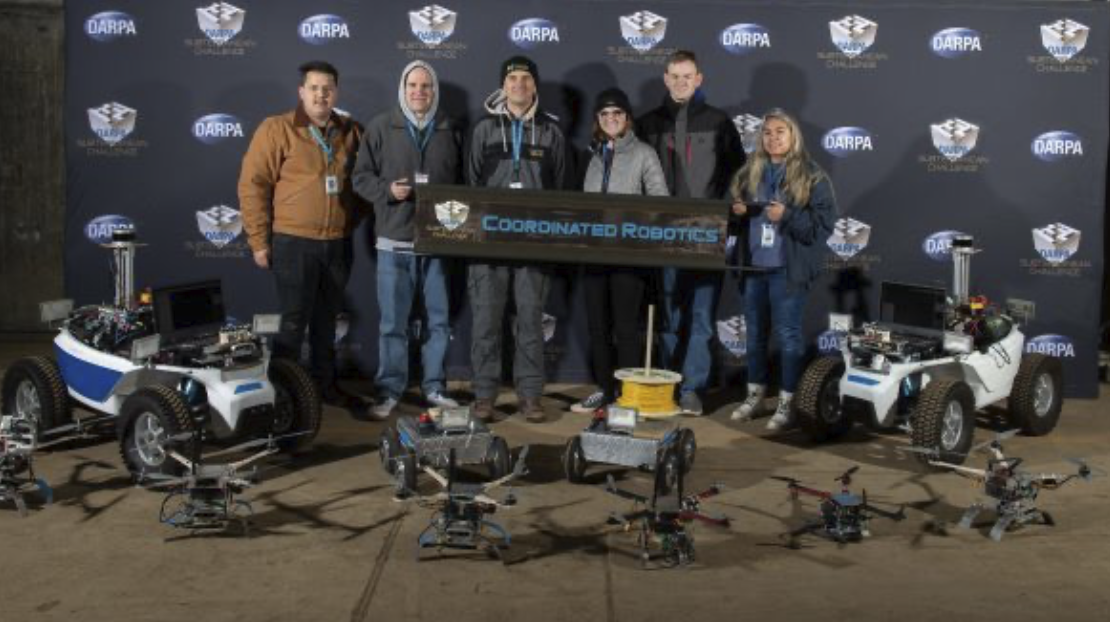
Coordinated Robotics, a competitor in both the Systems and Virtual Competition of the Sub T Challenge Final Event. They have participated in the Tunnel, Urban, and Cave Circuits leading up to the final event.
Famously, Roosevelt used the term “arsenal of democracy” to describe the US’s industrial might. Its munitions and weapons-building capacity, along with its role in backing stop democratic governments worldwide with these capabilities. It was already becoming clearer, but it is certain now, the arsenal of democracy is empty. The only way the US can build new missiles and replace existing capabilities at scale is through 3D printing. The US simply has no other option than to use Additive to rebuild its arsenal, and hopefully craft a newer, more cost-effective arsenal. So this is no pie-in-the-sky Star Wars stuff or super-cool research-future things. No, the US right now needs weapons to meet a war that could continue or occur at any month or year to properly be able to defend itself across many scenarios. It’s not about developing a new missile, sometime in the future, but a real capability to launch millions of effective craft within months.
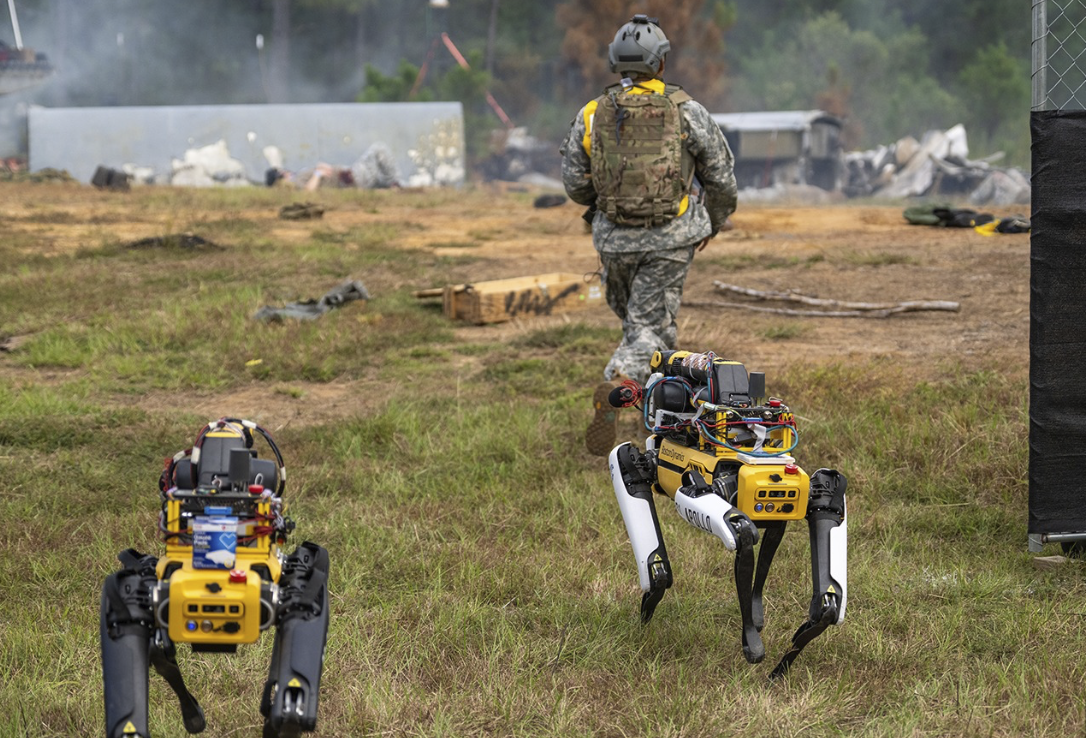
Two of the robotics units being put to the test by soldiers.
The tasks of doing this will come down to Marine Corps General Francis L. Donovan and the new SOUTHCOM Autonomous Warfare Command SAWC. He’s said that,
“From the seafloor to space and across the cyber domain, we fully intend to leverage the clear superiority of the American defense ecosystem by deploying cutting-edge innovation and working ever closer with our enduring partners in the region to outmatch those who threaten our collective peace and security.”
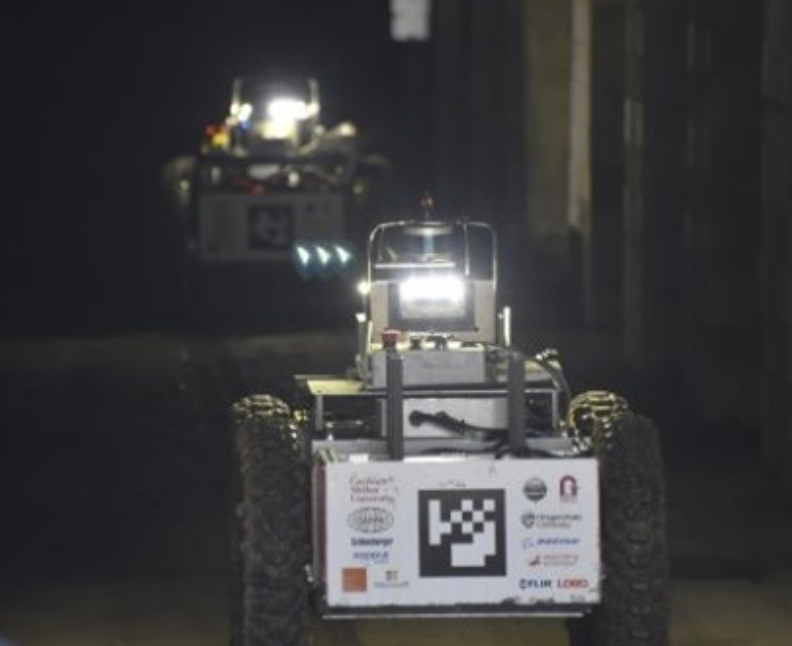
Team Explorer prepares for the Sub T Challenge Systems Competition Final Event, a DARPA Subterranean Challenge.
He will be backed up by perhaps $55 billion in funding from the Defense Autonomous Warfare Group, led by Stephen A. Feinberg, the US Deputy Secretary of Defense. One part of this development will be to field truly autonomous craft and marshaling this capability effectively. Another is to field remotely operated craft in a secure way. Another thing to do is ensure the force can win, or at least act unimpeded, in the Electronic Warfare domain. RF will be of crucial importance. One of the main reasons that most US drones have failed in Ukraine is due to limited EW resistance in an evolving battle space. The US will clearly have to be more fluid and rapid here. They will have to develop a practical command-and-control infrastructure. Hopefully, they have developed something analogous to Ukraine’s Delta situational awareness tool. Commanders and soldiers will have to deal with many more craft than they’re used to. Identifying friend or foe and generally being aware of enemy drone capability will be very important. The SAWC will also need the training and ability to onboard, learn to use, and deploy many craft effectively in concert. Delta helps, but mindset and training will be needed as well.
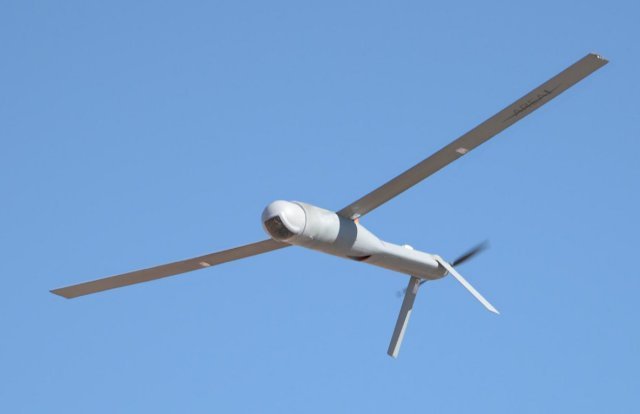
EXTREME technologies are now being integrated into fieldable AFRL prototypes to enable next-generation optics capabilities for the warfighter.
SAWC.will have to develop tactics, ROE, and overall strategies for many different situations. Where can you use a drone force in defending a small forward operating base? Where will we be of use when scouting? Are you even going to do scouting? Do you use armored vehicles? How to safely launch and recover vehicles? All of these, and many more things, will need to be figured out. The US already has LUCAS, a US copy of the Shahed. It also needs to have a Shahed interceptor. The US already has AeroVironment Switchblade and several other usable platforms, as well as FPV or similar. It will also need smaller units to be unobtrusive. It will need inexpensive scouting capabilities, long-range strike drones, long-range heavy carrier drones, medevac or other similar capability drones. One sea, it probably has the Magura capability already, which is great because this can, with AIM9 on board, take out jet fighters, work as a suicide vessel, patrol, and sink ships. Underwater loitering capability, analogous to Ukraine’s Marichka UUV. It will also need long-distance watercraft and heavy transport. On land, a 50-caliber carrier and a robot mortar platform would seem particularly helpful. I’d get a small scout capability, too, but I’m not sure what they’d use it for. Going by the DAWG name, which was the special forces combat unit’s initial name for this, but is now the Departmental vehicle, I’m going to go on a limb here and guess that a lot of their current capability will involve robot dogs? Like the Boston Dynamics dogs that DARPA loves so much? We know that there have been several leases of these that are a bit unexplained. Other than that, it will need sensing capability, ways to deploy sensor networks, and to interpret this data.
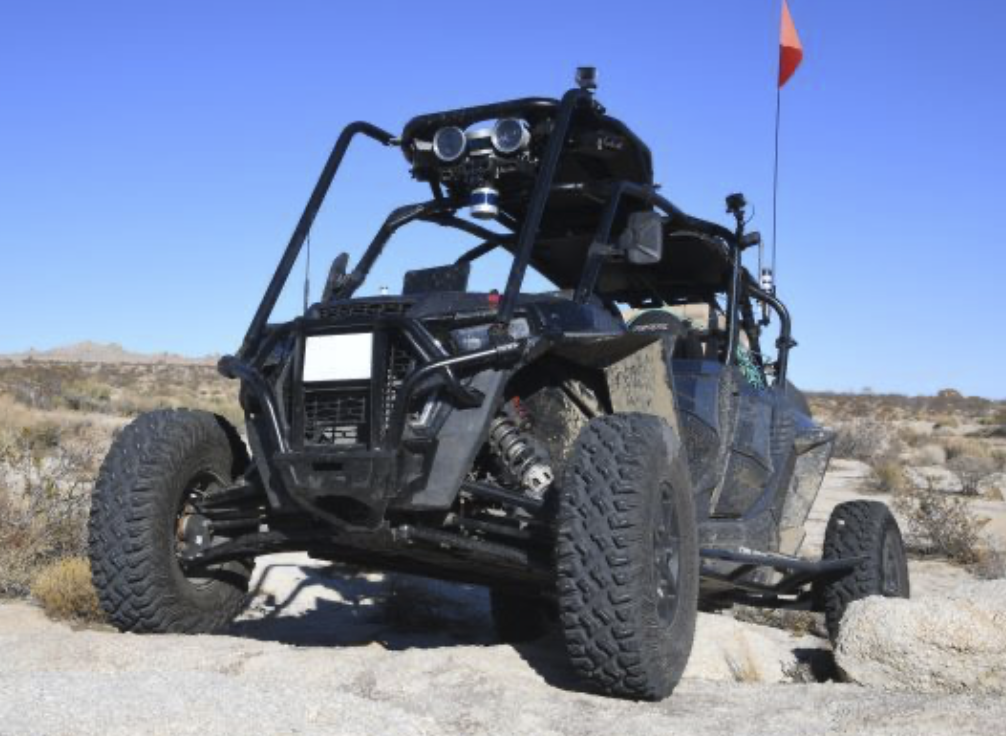
Demo self-driving combat vehicles on off-road terrains.
For RF components, assemblies, austere manufacturing, MRO, drone components, fuselages, propellers, and munitions, the need for 3D printing will be the greatest. SLA may be in vogue for some components, perhaps for energetics also. LPBF in metal may be used for some components, as could binder jet. LPBF polymer and Material Extrusion, including large format Material Extrusion, would be most needed, probably. Definitely a lot of the MRO and iteration will have to be done with Additive. A lot of the drones will also be made with additive manufacturing. But, crucially, will SAWC create and operate 3D printing factories? If I were them, I would. It would be the best way to keep costs down. Some remote containerized manufacturing will be used. But I’d go all in and try to make the most of everything myself. That way, I could scale and iterate as the conflict evolved. If I iterate better and field faster, I will be able to, all other things staying equal, win. So, to me, SAWC should develop high-volume 3D printing capabilities to make millions of crafts itself. In the new world, the UAS is a munition, and we will need to be able to develop, change, and field these in their millions quickly. To me, SAWC is a huge thing in 3D printing. The US is looking to deploy an autonomous force across many domains and to implement a total UAS-based system of war and defense. This could be the biggest opportunity for 3D printing ever. We are now, with AI, the key technology that could let the US build a new, cost-effective arsenal that would let it defend itself once again.
The growing role of drones, autonomous systems, and scalable additive manufacturing in defense will also be discussed at the UAS Additive Strategies: The Present and Future of Drone Manufacturing online event on June 30, 2026. Register at the UAS event to find out more.
All Images: DARPA’s Instagram. Yes, DARPA has an Instagram.
Subscribe to Our Email Newsletter
Stay up-to-date on all the latest news from the 3D printing industry and receive information and offers from third party vendors.
Print Services
Upload your 3D Models and get them printed quickly and efficiently.













You May Also Like
The Money Behind AM: What to Watch at AM Investment Strategies 2026
For years, simply being a 3D printing company could attract attention from investors. New machines, new materials, faster speeds, and the promise of mass production were often enough to get...
Metal AM in a Multipolar World: Resilience, Regional Production and a Changing Market
Technology develops in response to forces driving change. That was the starting point for a keynote I presented with Mikael Schuisky at AM Meetup 2026, held in Karlstad, Sweden, on...
EOS Bets on Mexico’s AM Market with Axiomatek Sales Channel Deal
Mexico is one of the biggest beneficiaries of the push to diversify manufacturing out of China. This development is perhaps inevitable given the current global trade environment, but even with...
3D Printing Market Hits $4.48B After Six Straight Quarters of Growth
The additive manufacturing market continued to grow in the second quarter of 2026, adding another quarter to what is becoming a much more consistent expansion for the industry. Worldwide revenue...