Velo3D’s Space Hardware Win Comes Just Weeks After $30 Million Capital Raise

A new spacecraft manufacturing milestone from Velo3D (Nasdaq: VELO) is drawing attention not only for its technical importance, but also for the timing.
On January 5, 2026, Momentus announced that it had developed an additively manufactured fuel tank in collaboration with Velo3D. The tank is scheduled to be flight tested aboard Momentus’s Vigoride-7 mission, which is currently targeted for launch in early 2026 aboard a SpaceX rideshare mission. Vigoride-7 is an uncrewed orbital service vehicle designed to carry and support customer payloads in space.
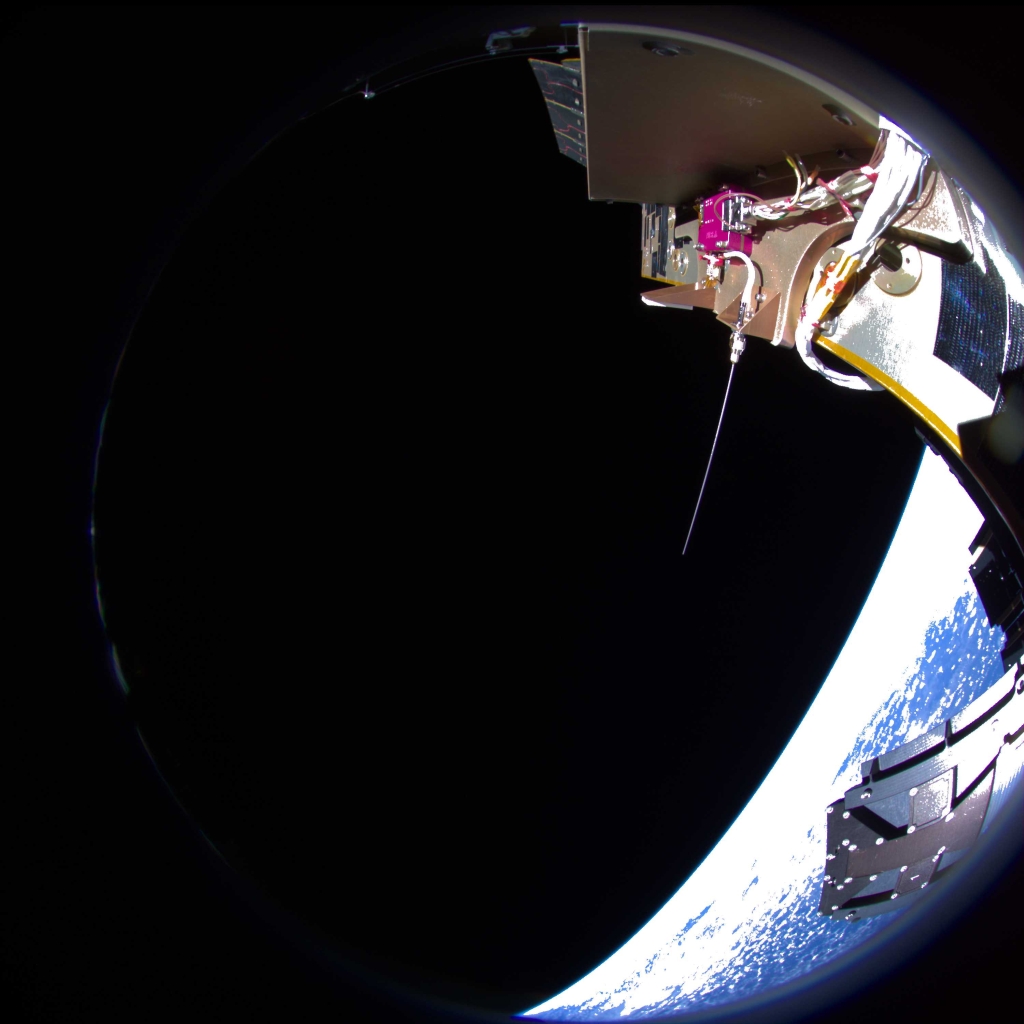
Momentus Vigoride-6 Mission. Image courtesy of Momentus via LinkedIn.
Interestingly, the announcement came less than two weeks after Velo3D revealed it had secured $30 million in fresh capital through a private placement. Together, the two developments show where the company stands today and why it is benefiting from current market conditions affecting publicly traded 3D printing firms.
A Flight-Tested Part, Not a Prototype
According to Momentus, the fuel tank was designed in-house and manufactured using Velo3D’s metal additive manufacturing platform.
Fuel tanks are mission-critical components. They must withstand pressure, vibration, and extreme thermal conditions while meeting strict mass and reliability requirements. Traditionally, these parts are expensive, slow to produce, and difficult to optimize.
Momentus said additive manufacturing allowed it to design a tank with features that would be difficult or impossible to produce using conventional methods. The company also stated that it plans to use this work to qualify itself as a supplier of space-rated fuel tanks.
Space-rated fuel tanks are a small but highly specialized category within the space industry. These components are expensive and slow to produce because they must meet strict safety and reliability standards, and qualification can take years. The market has traditionally been dominated by large aerospace contractors and a limited number of specialized suppliers, making it difficult for new companies to enter. This is why flight testing is important for qualifying new manufacturing methods.
For Velo3D, this is a real space application of its technology that is expected to fly in a market the company has long targeted.
Why the December Financing is Important
On December 22, 2025, Velo3D announced a $30 million private investment in public equity (PIPE). The deal included a $20 million commitment from a new institutional investor, along with participation from a large existing shareholder.
The company said the funds would be used for general corporate purposes and capital expenditures, including support for its Rapid Production Services (RPS) business serving space and defense customers.
At the time, the financing did not include a product announcement. However, it strengthened Velo3D’s balance sheet and improved the company’s financial position at a time when many additive manufacturing companies are under pressure.
Just weeks later, the Momentus fuel tank announcement shows how that financial stability supports real work. The capital raise did not change Velo3D’s technology from one day to another, but it helped the company continue to support complex aerospace programs.
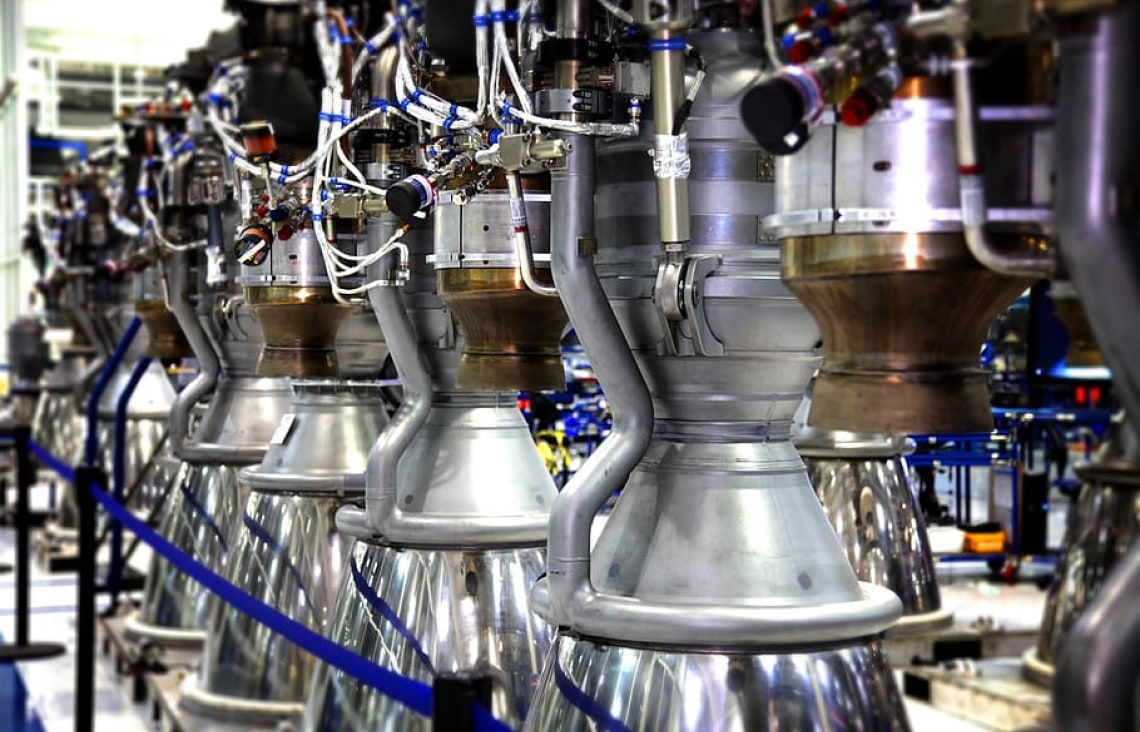
Velo3D helps create space technology. Image courtesy of Velo3D.
A Broader Signal for 3D Printing Stocks
Velo3D’s recent activity also stands out in the broader market. Publicly traded 3D printing companies have gone through years of ups and downs and restructuring. In that environment, clear, fact-based progress is easier to see.
The combination of new funding and a space part ready to fly shows Velo3D with both financial support and customer use at the same time. This does not reflect the health of the entire additive manufacturing market. But it does show how some companies are benefiting from current conditions, particularly from the defense, aerospace, and space industries.
Momentus CEO John Rood said, “Testing an additively manufactured fuel tank on Vigoride-7 is a major achievement for Momentus and a testament to the strength of our partnership with Velo3D. Additive manufacturing opens new possibilities for spacecraft design and production, and this successful demonstration paves the way for broader adoption across our future missions.”
Together, the funding and the Vigoride-7 announcement show how Velo3D is translating financial stability into real activity in space and defense.
Subscribe to Our Email Newsletter
Stay up-to-date on all the latest news from the 3D printing industry and receive information and offers from third party vendors.
Print Services
Upload your 3D Models and get them printed quickly and efficiently.













You May Also Like
AM Investment Strategies 2026 Sets the Stage for AMS 2027
AM Investment Strategies 2026 Nov. 5 · 12 p.m. ET · Free online event RESERVE YOUR SPOT ↗ A one-hour online discussion featuring some of the biggest names in 3D...
With Its Latest $200M Round, ICON May Be Running Away With the 3D Printed Construction Market
I used to view ICON, the Austin-based additive construction (AC) firm, as one of a handful of companies that could realistically consider itself the leader of the 3D printed construction...
Deals, Dollars and 3D Printing: What’s Moving in AM
There’s been plenty of business activity in additive manufacturing (AM) lately, with new deals, partnerships and investments in production. One of the bigger moves comes from Sweden, where investment firm...
Oerlikon Adds ATLIX’s xBUILD 5000, Plans More for 2027
Oerlikon has installed a new ATLIX xBUILD 5000 metal 3D printer at its facility in Huntersville, North Carolina, marking the first production deployment of the system worldwide. The machine will...