Only-Games Wants to be Your Tabletop Gaming 3D Printing Partner


Tabletop gaming is not talked about often enough by people in 3D printing. We’ve been writing about 3D printing and tabletop games since 2014. Since then, millions of tabletop game parts have been made and sold globally. People start their own gaming companies, invent their own games, create scenery, and make custom figurines. Some companies offer subscriptions and files for tabletop creations, while others sell the final parts. Some sell to hobbyists who finish the parts themselves, while other 3D printed game parts are sold online or in stores as commercial parts. The ability of additive to make parts inexpensively on demand is what has attracted the tabletop community to 3D printing. Over the years, there have been Kickstarters, software tools for terrain creation, customizable RPG games and contests made, modular scenery released, and a lot of miniatures sold.
The economics of 3D printed tabletop gaming components are fantastic, with the parts being sold as very valuable while also very small. Made with Material Extrusion systems (more for scenery) and low cost vat polymerization systems (popular for figurines), accessible desktop systems have led to people starting businesses in their basements. The main business model is either subscriptions for ongoing batches of STL files, or end-use part sales. Many people have their own sites, while the file sharers usually use Thangs or something similar. Only-Games has given this a bit of a twist by becoming a kind of Shapeways for tabletop gaming. You can buy six characters for $42 or one figurine for $7, and the company will send them to you, giving royalties to the creator. The company sells grey figurines for those who like to paint them, but also offers painted ones for those who wish to use them for desktop RPG games. Monsters, heroes, terrain, wizards, dragons, and everything in between are shipped worldwide from the US and UK. The company can also 2D print posters and the like.
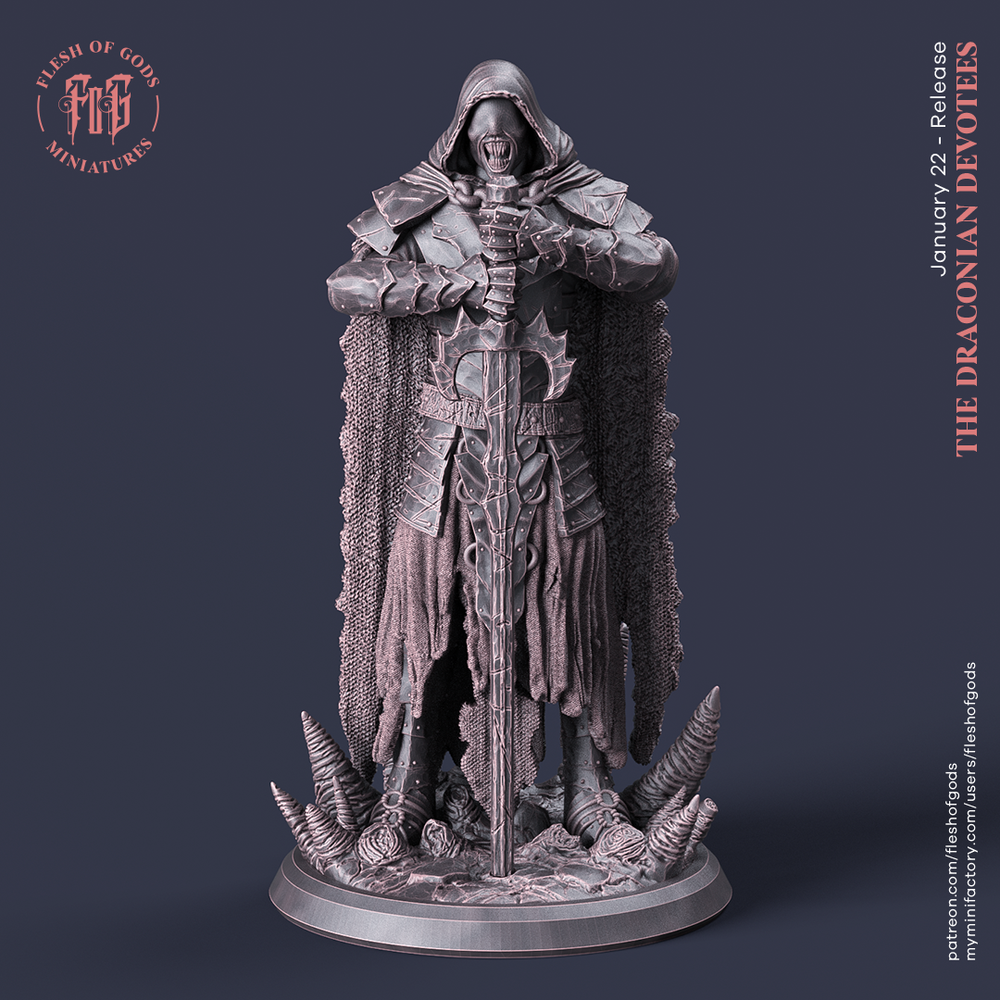
The company has over 600 3D printers and wants to open a print farm in Europe as well, underscoring just how good the business opportunity is in 3D printed figurines. The company uses Shop3D to connect creators to fulfillment. You can connect the Shop3D plugin to your own site, Etsy shop, Shopify, or Woo commerce plugin. As a creator therefore, you can use Woo Commerce for e-commerce, WordPress to quickly make a site, Shop3D to connect the order information, and Only-Games for printing. This chain of tools will all take a cut, but you can focus on design and building your audience. The company does not have an MOQ, so it will ship single orders to customers for just a few dollars, which could help hook people that are new to you or the hobby. Alternatively, it can also sell you a file to print.
Only-Games CEO Alex Ziff said,
“Game designers are the lifeblood of this industry, but they’re often the most vulnerable to external shocks, We’re building infrastructure that puts power back into the hands of creators, so they can scale on their own terms, without compromising their vision or their margins. This isn’t just about manufacturing, it’s about access, ownership, and long-term sustainability for game designers, We’re combining high-end production with creator-centered strategy, so even a two-person team can deliver like a professional studio.¨
Matan Gilat, founder of game designer Eldritch Foundry, said,
“Only Games let us focus on what we do best, designing and storytelling, while they handled the logistics, It’s the fastest and most comprehensive site with the best prices we’ve found. Whether we did this internally or externally, they are the best production partner we’ve ever had.¨
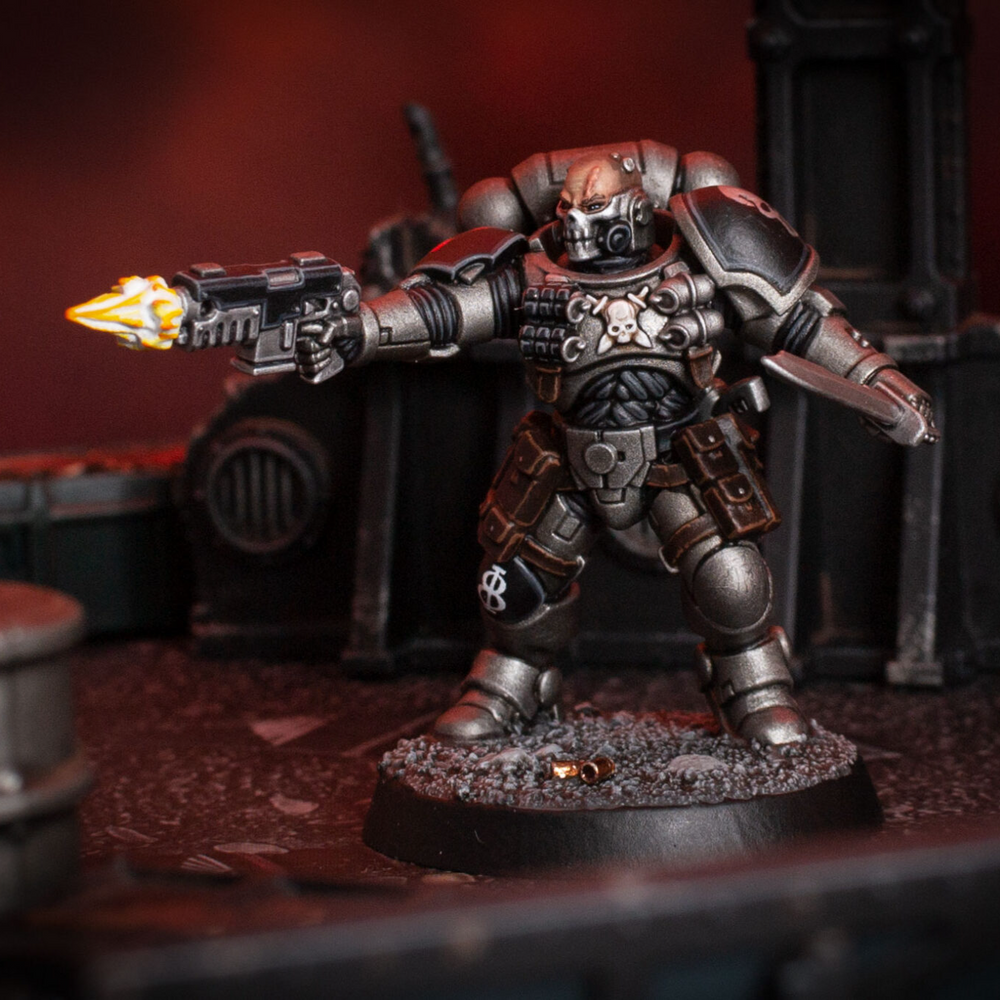
The company also says that it comes with a built-in audience that could buy your miniature. One of its customers, Trench Crusade, has resulted in over 12,000 orders. With parts for that creation priced mostly around $12, though with many going for $45, that alone represents revenues of between $140,000 to $480,000 for the platform. As a specialist, the platform could very well appeal directly to the game design community. Open-Games could simply, with more industry knowledge, find and partner with all the promising designers in the world. It could also better understand their needs and culture. Would they all want their own packaging, require meticulousness, care more about accuracy than speed? This kind of “inside baseball” understanding could give Only-Games a distinct advantage.
On the other hand, platforms like Slant 3D also offer similar services, and if Only-Games asks for too much of a premium, it could find that its users will defect. Another issue may be that the company could be great for people who are doing tabletop gaming as a side quest, but maybe not for those who do it as a job. Perhaps if you do ten models a month, you’ll never want to print them yourself, but if you do 500 a month, the economics simply make it too tempting not to do it yourself. That would give Only-Games a kind of “My First Sony” problem, whereby the most profitable users outgrow the platform, leaving the company to deal with lower volume clients only. If it manages to solve these things and stave off competition from others who have spotted the same opportunity, the company may continue to grow spectacularly. I really love the tabletop gaming industry and think that it is a perfect use case for 3D printing. We talked a lot about democratizing manufacturing a decade ago. Interest in this has waned, but all the while the tabletop gaming industry has let thousands of creators live off of their digital creations through the fulfillment of 3D printed goods. The tabletop gaming industry is a criminally overlooked success story in 3D printing, and I can’t wait to see it develop even more.
Subscribe to Our Email Newsletter
Stay up-to-date on all the latest news from the 3D printing industry and receive information and offers from third party vendors.
Print Services
Upload your 3D Models and get them printed quickly and efficiently.








You May Also Like
3D Printing Financials: Tekna’s Revenue Up 61 Percent YOY
As my recent post about tungsten demonstrates, critical materials are like an avatar for the current dynamics shaping the global economy. This presents an opaque mix of challenges and opportunities...
3D Printed Prosthetics Have Come a Long Way. HP and DyeMansion Look at What’s Next
3D printing has made it easier to produce prosthetics and orthotics tailored to individual patients. But making that work on a larger scale comes with its own challenges. For companies...
3D Printing Financials: Nikon’s Digital Manufacturing Revenue Grows 77% as Sam O’Leary Moves to Supervisory Board
Nikon (TYO: 7731) just announced its earnings for Q2 (fiscal year ending March ’27), and we learned that the digital manufacturing business grew revenue by 77 percent to ¥17.4 billion...
The AM Production Gap Is Real. So Is the Progress
Additive manufacturing (AM) has become very good at proving what is possible. Companies can print complex metal parts, reduce weight, combine multiple components into one, and produce designs that are...