$51 Million Revenue VMP Wants to Become a Leading Additive Manufacturing Metal Powder Producer


Chinese powder producers have traditionally had little impact on the additive manufacturing market. Typically, they offer low-cost powders without much in the way of settings or application support. But China’s 15th Five-Year Plan has a number of science- and technology-related goals, with one of the central ones being an independent, China-only, vertically integrated supply chain of advanced materials. Specialty steels, high-temperature alloys, ceramics, composites, and advanced polymers are key priorities. China wants to lead the world in these areas and will seek to champion global leaders in these fields. That means we are about to see massive investments in alloys for additive and advanced materials for additive manufacturing. But which firms will absorb this investment and are vying to lead the world in additive?
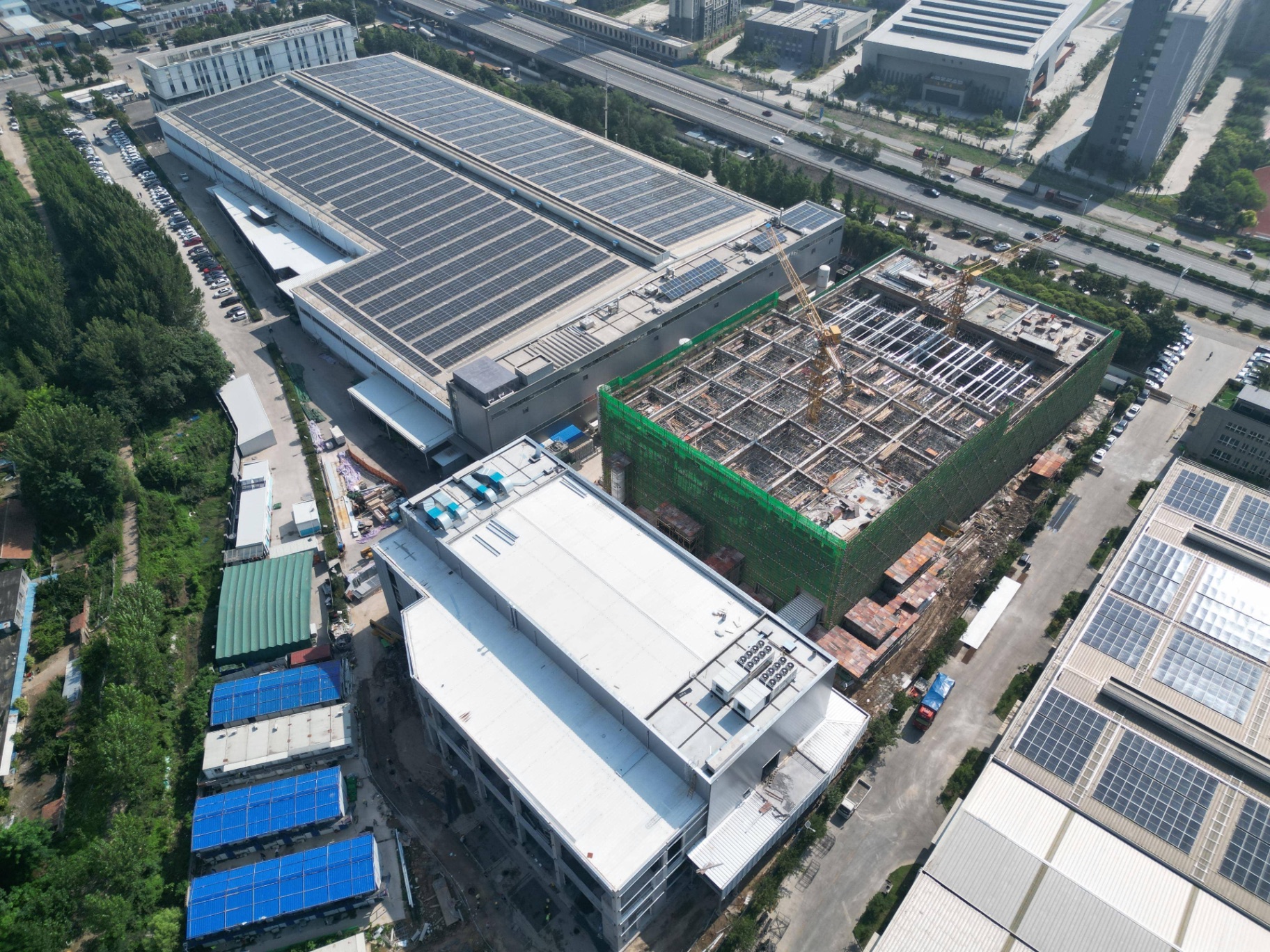
One that hopes to displace a lot of the established order is Vilory. Jiangsu Vilory Advanced Materials and VMP started as a spin-off of Xuzhou Mining Group in 2015. The Xuzhou Mining Business Group is also known as the Xuzhou Coal Mining Group Corp and XMC. This is a provincial state enterprise owned by the Jiangsu Provincial People’s Government. Started as a coal mining enterprise 127 years ago, the group later diversified into mining and technology pumps, generating around 10% of its revenue from non-coal products and services. The group unearths 360 Empire State Buildings’ worth of coal every year, with 11,000 staff, and generates around $5 billion in revenue. The group also has a publicly traded energy plant firm that is on track to generate an additional $2 billion in revenue.
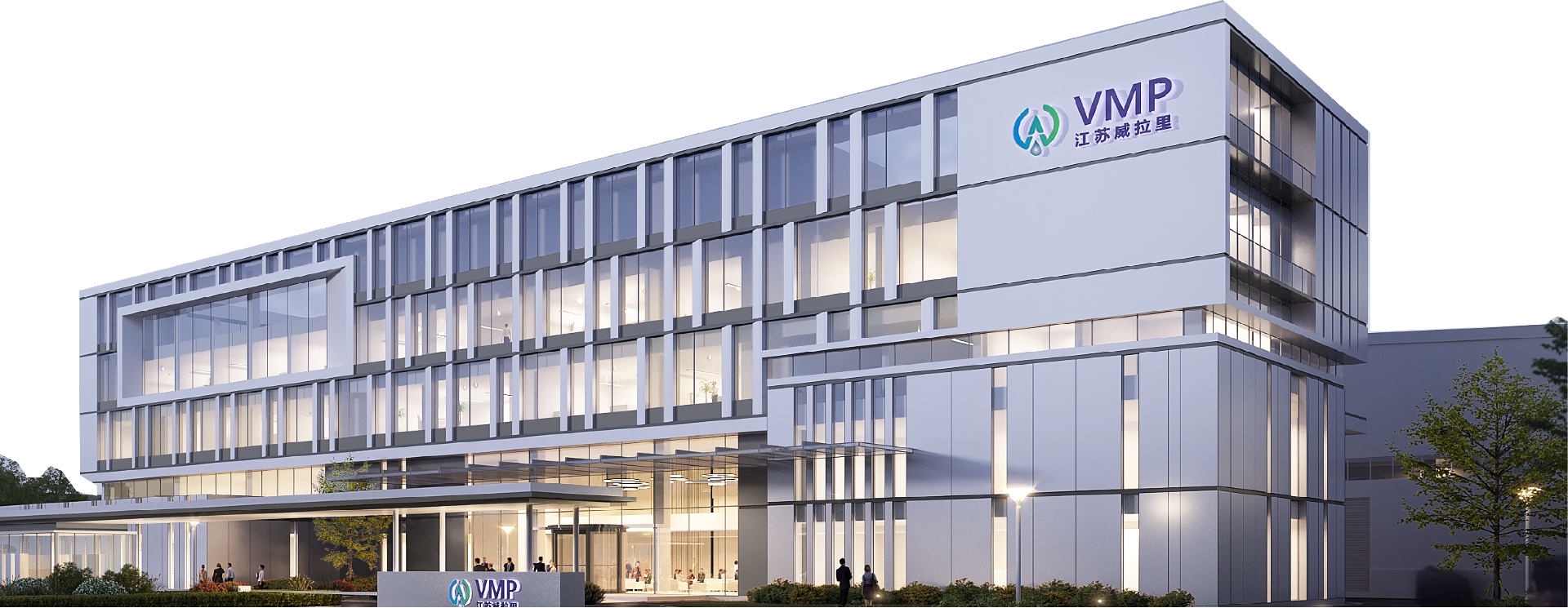
VMP itself has been designated as one of China’s approximately 17,000 Xiao Juren, or small giant (also called Little Giant) companies, which are meant to deliver outsized revenue, R&D, and IP growth pursuant to China’s larger goals. From a niche, they are meant to grow into international giants that lead the world in that area. Xiao Juren companies get subsidies, preferential access to finance, and the designation is a big deal. I know that 17,000 seems like a big number, but there are over 500,000 companies in China with revenues over $2.8m. So how does a Little Giant grow into a big one? We interviewed Zhang Lei (张磊), VMP’s Global Sales Manager, to find out more.
He told us that within China, VMP is a major player in metal 3D printing powders, with a focus on steels, Ti, and superalloys, as well as copper and cobalt-chromium. The firm has 30 powder lines, all running on equipment made by VMP itself. The firm has 80 R&D staff and 200 patents. The focus is on aerospace, medical, and consumer electronics. The firm clearly loves forms, as it holds ISO 9001, AS9100D, and ISO 13485 certifications, as well as CNAS (ISO/IEC 17025) laboratory accreditation.

Springing forth from a coal mining firm in 2015, the company, with 30 staff, focused on “bottleneck 3D printing materials” in an old ceramics factory. For Lei, the firm’s goal was initially to “break the foreign monopoly and grow into a leading national-level ‘little giant’ enterprise.” Along the way, the team made their own VIGA (Vacuum Inert Gas Atomization) machine to make powder. Initially, its approach was scattershot, but lately the firm focused much more on tool steels, “choosing a single-point breakthrough to open the market.” The strategy proved successful when a supply chain issue prompted a mold tooling firm to give VMP a chance. After eight iterations on the steel by the R&D team, they managed to get their 18Ni300-grade steel accepted. Now the ambition is to become a “globally leading supplier of high-end metal additive manufacturing powders.”

Lei says that he wants the firm to become a leader in the additive powder market, saying that, “This goal has two steps. The first step is already complete: over the course of a decade, China’s metal 3D-printing powder market was turned around from 90% import-dependent to 90% domestically supplied. The second step is to put domestically produced high-end powders onto the global stage — especially in aerospace and medical, the two sectors with the highest barriers and highest added value — by serving global OEMs with a complete certification system, scaled production capacity and lot-to-lot quality consistency.”
The company is now running test versions of its atomization plants, and has also developed electrode induction gas atomization (EIGA), ultrasonic atomization (UA), and rotating-disk atomization (VCA) lines. All of its equipment is developed in-house. It has developed its own oxide dispersion-strengthened (ODS) steel powder production equipment as well as a Ti recycling line. The company is currently working on a lights-out facility. The company says that its latest funding round was $46 million in December 2025, “at a post-money valuation of approximately USD 310 million — the largest single financing round in China’s additive manufacturing materials sector in 2025. Operationally, 2025 revenue was approximately $51 million.”
The company’s product portfolio includes:
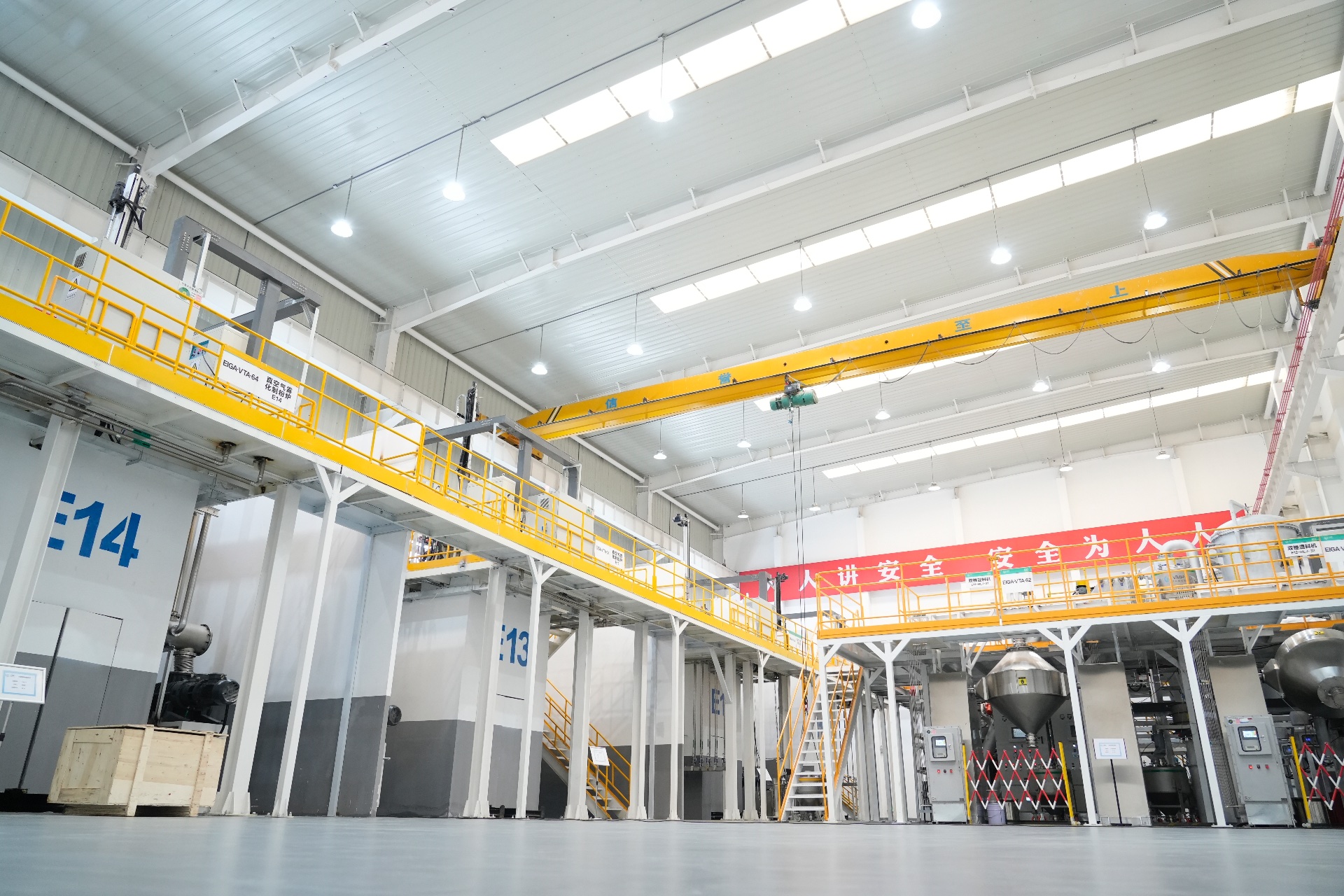
In the future, the company wants to make more superalloys printable and develop new custom materials for customers. While VMP is exploring TiAl- and NiAl-based intermetallics and ODS materials at the R&D level, its near-term focus remains on “mature superalloy and titanium systems — we aim to bring these to global leadership first, then progressively advance into frontier materials.” The next installment of their factory will bring 2000 tonnes per year online, while the next phase aims to produce 3000 tonnes of Ti, 5000 tonnes of copper, and 2000 tonnes of steel and aluminum. With that phase completed, they hope to produce over 10,000 tonnes a year.
The company has 20 Chinese LPBF systems in-house for process validation. It has also qualified its materials on LPBF systems from international manufacturers. Apart from China, VMP focuses on Europe.
- “Europe is one of our highest-priority overseas markets. On the market-access side, we are already working on four things:
- (1) quality-system certification (AS9100D, ISO 13485, IATF 16949);
- (2) SCS 100% pre-consumer recycled-content certification;
- (3) REACH registration — titanium, nickel-based, and iron-based materials have been submitted to ECHA, with aluminum, cobalt-chromium, and copper to be extended in 2027;
- (4) CE/MDR medical-device compliance — ISO 13485 is already in place, with the target of completing MDR in early 2027.
- On the commercial side, we plan to build localized service capability in Europe and work directly with local OEMs and printing service providers.
Rather ambitiously, the focus is on aerospace OEMs and Tier 1 suppliers, with an emphasis on long-term relationships. Lei says that the fastest-growing segment for them is consumer electronics with titanium as a material. Through sustainability, certification, and the use of its own equipment, the company hopes to grow. I think that the global powder market will have to contend with a new type of Chinese firm, one that, through serious investment and a long-term view, will attempt to out-innovate and out-produce the established firms.
Subscribe to Our Email Newsletter
Stay up-to-date on all the latest news from the 3D printing industry and receive information and offers from third party vendors.
Print Services
Upload your 3D Models and get them printed quickly and efficiently.













You May Also Like
Russia’s 3D Printed Missiles & Can NATO Get Its Act Together?
For most of US history, however much the two major parties differed on domestic policy (in some cases a lot, overall less than you’d think), there was always essentially a...
3D Printing News Briefs, October 21, 2026: Digital Twins, AI CAD Service, AR Smart Glasses, & More
In today’s 3D Printing News Briefs, America Makes announced the winners of its MIAMI Project Call, and AM Europe released a new report. Artec 3D launched its new Artec Twins...
3D Printing News Briefs, October 10, 2026: Drones, WAAM, Ceramics, & More
We have a packed 3D Printing News Briefs for you this weekend! First, America Makes celebrated the recent National Manufacturing Day with 3D printed drones, and then it’s on to...
The Manufacturing Race Behind the Drone Revolution
We are in the middle of a major manufacturing shift focused on the production speed and payload capacity of uncrewed aerial systems (UAS), or drones. A recent Manufacturing Dive article...