Back in the Mix: How Continuum’s Powder Platform Fuels the Next Phase of AM


Continuum Powders made headlines in 2025 for its work with Siemens Energy, helping the industrial giant turn aerospace scrap into metal powder for additive manufacturing (AM). That scrap-to-powder model became more than just a sustainability win; it also showed how local sourcing, supply chain strength, and high-quality materials could all come together.
Since then, the company has gained momentum. With growing interest from defense and aerospace firms and deeper collaboration across the AM ecosystem, Continuum is now positioning itself as more than just a supplier. Its model, built on recycled feedstock, distributed production, and machine-ready powders, is starting to look like a blueprint for the next chapter of manufacturing.
“The Siemens Energy story was just the beginning,” Rob Higby, CEO of Continuum Powders, told 3DPrint.com. “What we’re seeing now is a cultural shift in how companies think about manufacturing, and we’re built for that shift.”
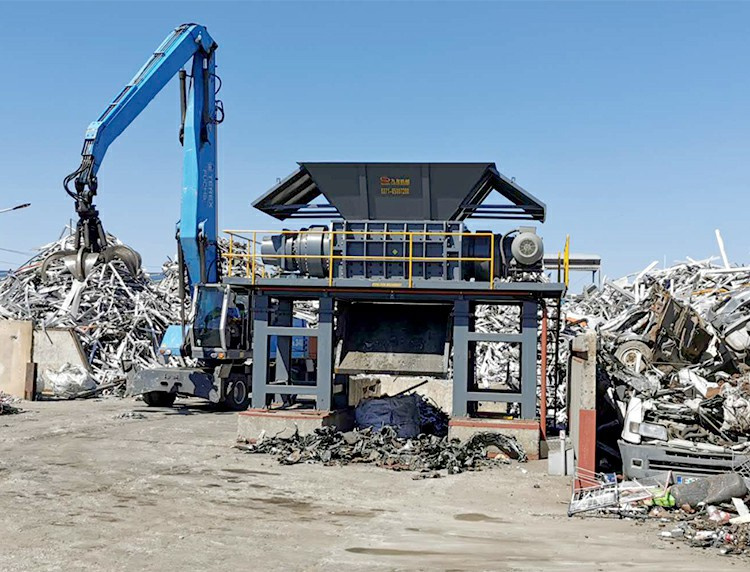
Siemens to shred waste metal scrap. Image courtesy of Siemens.
A New Kind of Manufacturing
Continuum believes traditional methods like casting and forging aren’t going away, but they’re no longer enough. Higby sees the future in digital, flexible, and efficient production, powered by powder-based AM.
“We’re not going back to factories from the 1970s,” he said. “The future is advanced manufacturing—basically faster, cleaner, more efficient. That’s where metal powders become the backbone.”
Major US companies, such as Intel and Apple, are reshoring operations and investing billions in new technologies. But instead of relying on more welders or manual labor, Higby believes the real growth will come from AM technologies that use fewer people to produce higher-quality parts.

Premium metal powders, titanium scrap. Image courtesy of Continuum Powders.
Building an Ecosystem, Not Just a Product
Beyond supplying powder, Continuum wants to be a platform for advanced manufacturing. That means deep collaboration with machine makers and customers, ensuring the powder works seamlessly with their systems and meets all performance standards.
More than a materials supplier, Continuum sees itself as a platform that connects the dots between scrap, powder, and finished parts. This involves working directly with machine OEMs (original equipment manufacturers), certifying alloys for specific printers, and assisting customers in recycling their materials.
According to Higby, it’s similar to how Apple succeeded, not by building one component, but by bringing the whole system together: “We’re not handing over a bag of powder and saying ‘good luck. We’re certifying alloys on specific machines, helping develop new materials, and even recycling their scrap. In our industry, everyone’s been operating in silos,” he noted. “But the winners will work together to deliver full solutions.”

Melt to powder platform. Image courtesy of Continuum Powders.
Defense and Onshoring Momentum
With tensions rising globally, many US aerospace and defense firms are under pressure to find domestic materials. Continuum’s US-based supply chain and its ability to recycle high-quality aerospace metals have made it an attractive partner for military applications.
One example is fan blades from military aircraft, often retired after heavy use, that can be recycled through Continuum’s process. Those blades are cleaned, atomized, and returned as fresh powder, ready for repair or new parts.

Continuum Powders CEO Rob Higby. Image courtesy of Continuum Powders.
“We’re seeing a big uptick in interest from defense,” indicated Higby. “It’s not just about sustainability but reliability, speed, and security. And it’s not just the US that’s reshoring. As countries like India and Germany pursue similar goals, we are exploring international partnerships using our modular foundry model. The idea is to bring the powder production closer to where the scrap and demand are. If we can’t ship powder overseas because of tariffs, we’ll help build the capability there. One plus one can equal five when we partner with the right local teams.”
The Numbers Behind the Green Story
Beyond reshoring and reliability, Continuum also has a carbon story to tell. The company recently released a life cycle analysis (LCA) conducted by Oregon State University, showing a reduction of up to 99.7% in carbon emissions compared to conventional powder sourcing.
“Most companies shut down factories or plant trees to reach their sustainability goals,” Higby indicated. “Our customers just have to switch to our powder.”
This environmental benefit is a big win for ESG (Environmental, Social, and Governance) teams looking to hit sustainability targets. Still, for most companies, the decision to switch often starts with more practical concerns.
“For most site leaders, the top priorities are quality, price, and availability. We check those boxes and bring the sustainability story along with it.”

An advanced plasma-assisted atomization system (background) showing the piping (foreground) that provides sustainably generated gases used to fuel the technology.
Looking Ahead: Growth and Global Strategy
Continuum now has around 100 employees, with three labs worldwide and a production hub in Houston. Its proprietary foundry, now in its third generation, can process all kinds of scrap and return it as certified powder. And the company isn’t slowing down.
Higby said Continuum’s growth strategy focuses on three main areas: increasing yield and developing new alloys more efficiently; building tighter partnerships across the advanced manufacturing ecosystem, especially with machine OEMs and service bureaus; and expanding regionally, with a strong focus on Europe and India, where demand for metal powder is rising.
“We don’t want to be just another supplier,” said Higby. “We want to be the platform that helps companies innovate, recycle, and scale—wherever they are.”
That “platform” strategy isn’t just a business term. Higby described how Continuum helps customers reduce complexity. Instead of managing multiple partners for materials, equipment, and recycling, “companies can work with Continuum to manage the entire loop.”
“You can see how we’re the right partner. We’re certified on the machines they use, have the metals they need, and are already working with their scrap sources.”
This reduces costs, simplifies workflows, and shortens lead times, the executive said. Continuum’s OptiAdvantage process ties it all together, using in-house tech to process a wide range of metal forms and return powder with consistent quality.
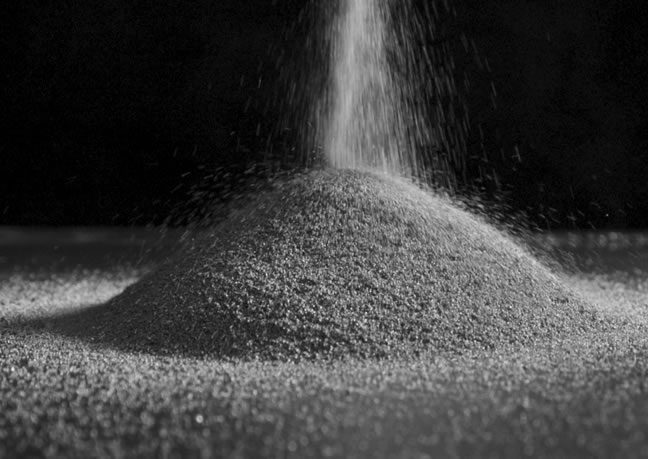
Premium metal powders. Image courtesy of Continuum Powders.
Why This Moment Matters
For Higby, this isn’t just about powder—it’s about finally realizing the promise of advanced manufacturing.
“The ecosystem hasn’t come together fast enough. We’ve all been working in pieces. Now it’s time to bring everything under one roof and give customers real solutions,” he points out.
With more demand for domestic production, tighter ESG goals, and growing adoption of 3D printing, Continuum believes its timing couldn’t be better.
“We’re the partner that turns your waste into powder, and your powder into performance,” concluded Higby. “That’s the future we’re building.”
If you’re interested in learning more about the results of the aforementioned LCA, don’t forget to register for “Reclaiming Value: Turning Nickel Scrap into Sustainability, Savings, & Supply Chain Strength,” our July 1st webinar with Continuum Powders and Oregon State University.
Subscribe to Our Email Newsletter
Stay up-to-date on all the latest news from the 3D printing industry and receive information and offers from third party vendors.
Print Services
Upload your 3D Models and get them printed quickly and efficiently.












You May Also Like
AM Asia Watch: Chinese Company Claims Advances in Titanium Powder Beyond 700C
They’re a familiar sight at trade shows: Chinese powder companies with barren stands lacking parts. There’s maybe some glass vessel with powder in it and a semi-complete data sheet, but...
Aires Tide Designed with AI, Supercomputers, and 3D Printing
The Department of Energy‘s National Nuclear Security Administration (DOE/NNSA) is part of the US government that manages the US nuclear stockpile, helping to upgrade, improve, and maintain nuclear weapons, and...
Largest Publicly Announced, Single Order in EOS History: Beehive Industries Spends $50M on M4 ONYX 3D Printers
Earlier this year, Beehive Industries received a $29.7 million contract to produce its Frenzy 6 and Frenzy 8 engines for the US Air Force. The metal additive manufacturing (AM) user...
Blue Origin’s New Glenn Explosion Comes During Major Manufacturing Push
Blue Origin‘s orbital New Glenn rocket exploded during a hot-fire test at Launch Complex 36 in Cape Canaveral on May 29, setting back the company’s launch ambitions at a time...