OSSTEC’s Bone-Like 3D Printed Implants Get £2.5M to Target US Market


A spinout from Imperial College London is rethinking joint replacements, backed by £2.5 million ($3.3 million) in fresh funding.
Medtech startup OSSTEC says it is 3D printing implants that behave more like real bone than traditional metal implants. The new investment will help launch its first clinical trial in the UK and seek regulatory approval in the US. If all goes according to plan, patients could soon benefit from joint replacements that are easier to implant, last longer, and help them stay active well into old age.
“This is our go-to-market investment round. These funds will enable us to get regulatory approval in the U.S., carry out our first surgeries in the UK, and earn our first revenues across the Atlantic,” said OSSTEC founder and CEO Maxwell Munford, who holds a PhD in additive manufacturing for medical engineering and trained as a mechanical engineer at Imperial College.
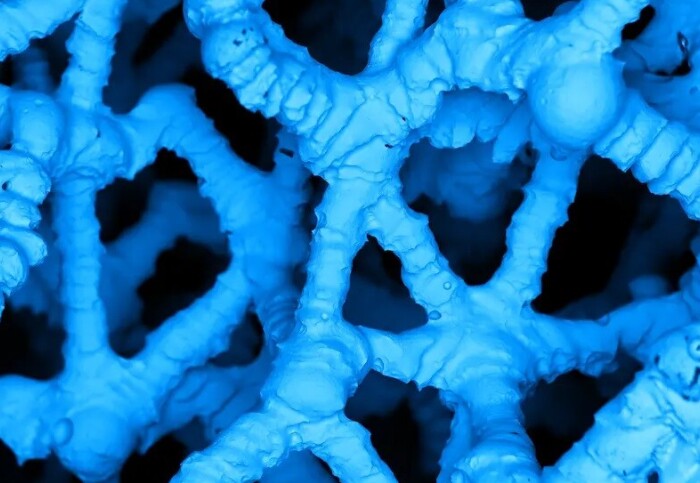
OSSTEC’s implants are built with a 3D printed lattice.
Founded in 2021 out of a PhD research project in Imperial’s Department of Mechanical Engineering, OSSTEC has grown from a lab idea to a funded startup, with a growing team of engineers and surgeons. The company raised £1.2 million in seed funding in 2023, but this new round more than doubles that amount.
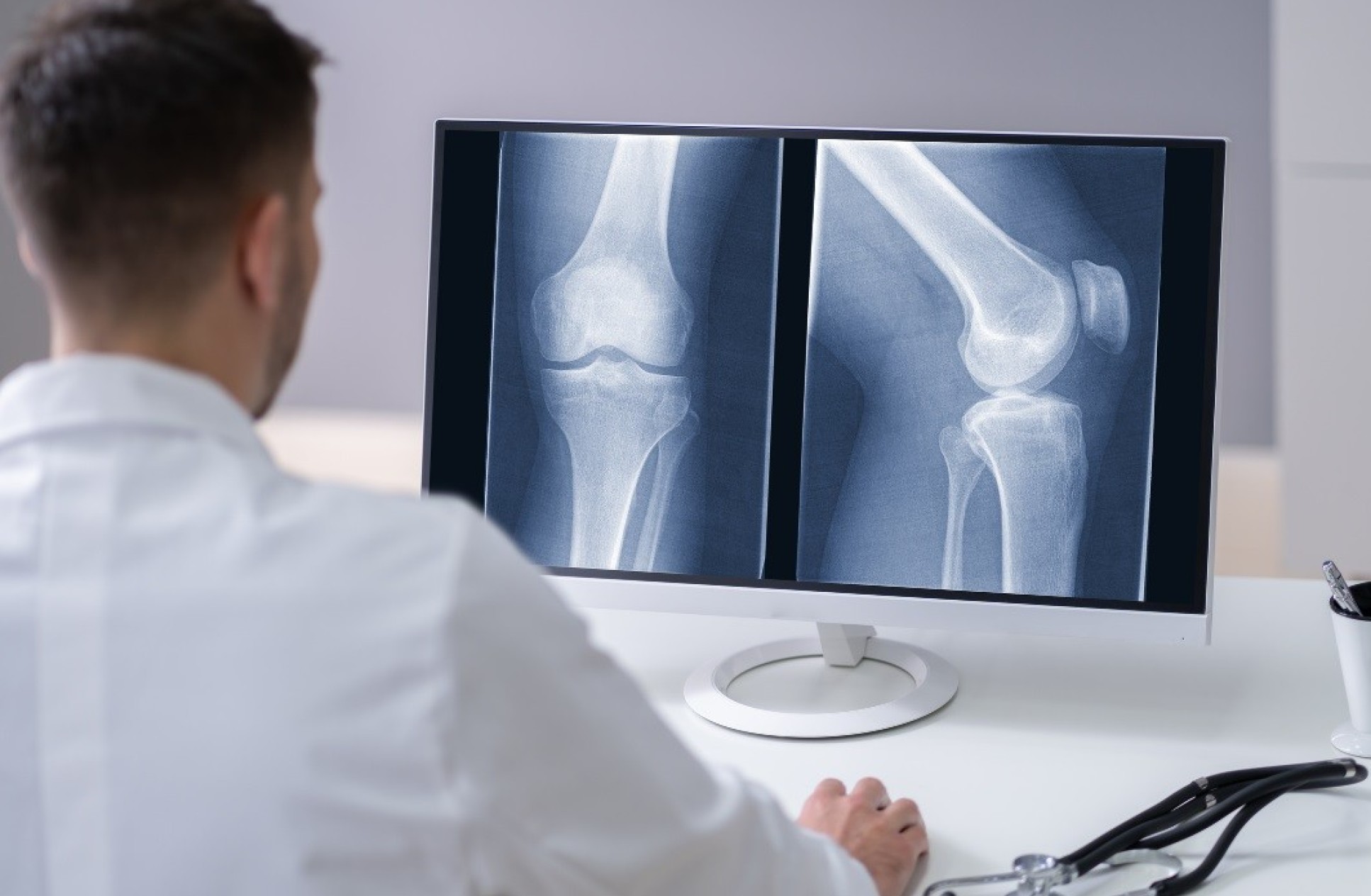
Printed material that behaves like bone promises better joint replacements.
What makes OSSTEC different is its 3D printed lattice implant design, engineered to behave more like real bone than the solid metal implants typically used in joint replacements. Using a patented additive manufacturing (AM) process, OSSTEC creates porous titanium implants, similar to the natural structure of bone. At the point where the implant meets the bone, also known as the interface, the material is up to 90% porous. This sponge-like texture gives real bone a place to grow into, helping the implant stay in place more securely and reducing the risk of failing over time.
Ultimately, the aim is to make surgery simpler, lower the risk of complications, and improve how the implant integrates with the body. OSSTEC is beginning with partial knee replacements as its first clinical application.
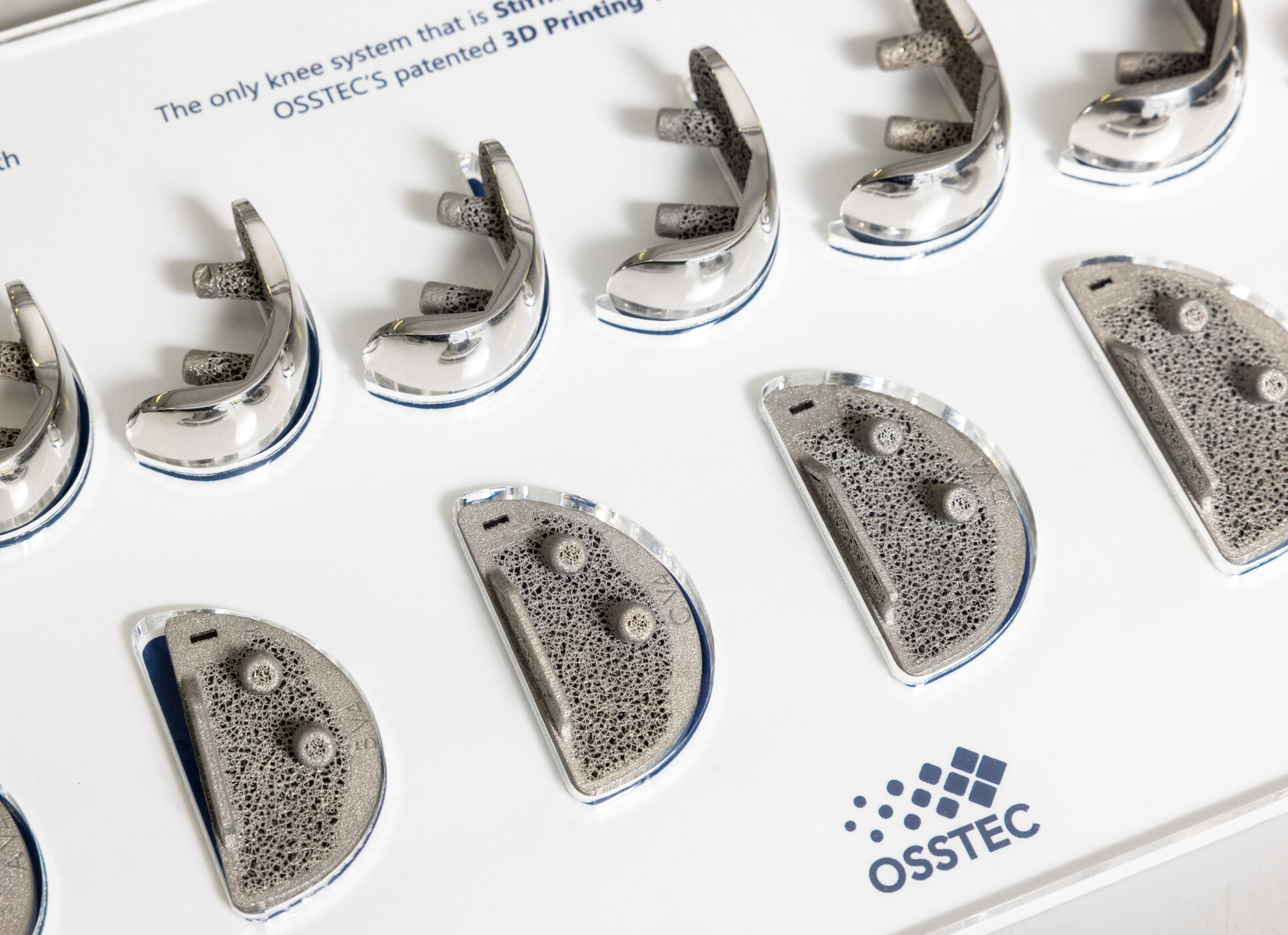
OSSTEC’s 3D printed implants.
OSSTEC’s lead surgeon, Alex Liddle, is based in the UK, where he works at St Mary’s and Charing Cross Hospitals as part of the country’s National Health Service (NHS). Although his clinical base is in London, the company is looking westward. The US is its first commercial target, offering a more flexible regulatory path for startups, plus a much larger market.
“The U.S. is where a lot of the value is for a company like ours,” said Munford.

Max Munford pitching OSSTEC at an Imperial showcase event in San Francisco.
Some investors in this round were first introduced to OSSTEC through Imperial’s San Francisco Venture Trek, a startup networking program that connects founders with international investors and mentors. That early connection, Munford said, helped spark the latest round.
The £2.5 million investment was led by Empirical Ventures, a deep-tech VC firm based in the UK. Co-founder Johnathan Matlock said OSSTEC stood out not just for the tech, but for its real-world potential.
“The company has huge potential to completely reform best practices in this field of healthcare, with an impressive team of scientists pushing the boundaries of engineering and medical research,” he said.
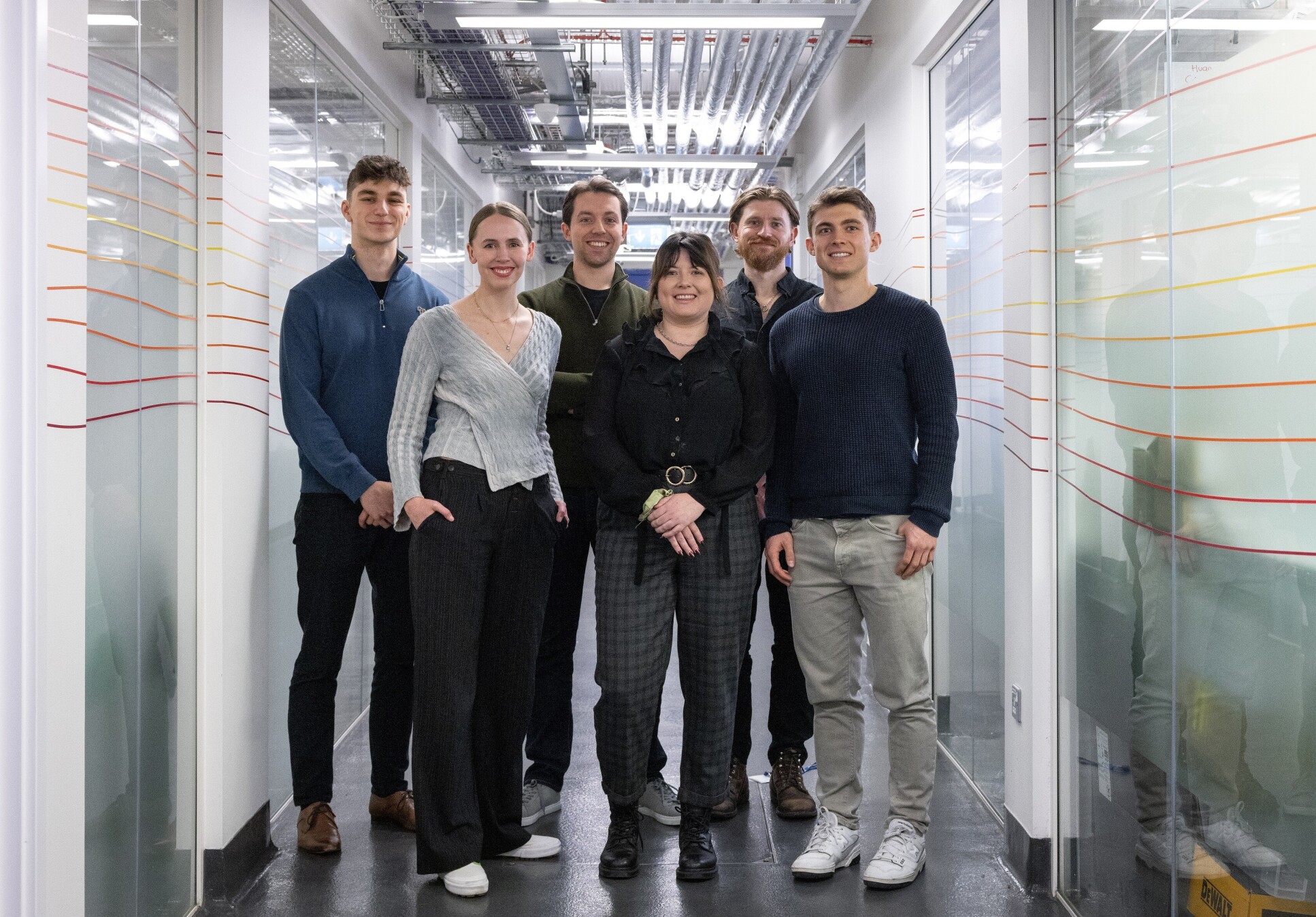
The OSSTEC team works out of the Department of Mechanical Engineering.
Although OSSTEC wants to grow in the US, it’s staying connected to its roots. The company’s engineering team still works from Imperial’s Mechanical Engineering labs, a setup Munford says brings real benefits.
“There are a lot of benefits in having research and commercialisation teams side-by-side,” explains Munford. “We get to have interesting conversations with the academic researchers, which you don’t typically have as a product-focused startup, and researchers and students get to see the process of taking a medical product to market.”
As OSSTEC matures, Munford hopes to give back by sponsoring PhDs and continuing to collaborate with Imperial researchers. Munford is also involved in the startup community. He helps run the Imperial Founders’ Round Table, a group that meets every few months so founders can share tips on things like funding, hiring, and rules.
“When you build a strong ecosystem, as has happened with the Enterprise Lab, then every success helps make new successes,” he said.
Ben Mumby-Croft, Director of Entrepreneurship at Imperial’s Enterprise Lab, agrees: “OSSTEC’s journey is a brilliant example of the kind of entrepreneurial venture we strive to support — one that translates world-class research into real-world impact.”
Images courtesy of Imperial College London.
Subscribe to Our Email Newsletter
Stay up-to-date on all the latest news from the 3D printing industry and receive information and offers from third party vendors.
Print Services
Upload your 3D Models and get them printed quickly and efficiently.













You May Also Like
Russia’s 3D Printed Missiles & Can NATO Get Its Act Together?
For most of US history, however much the two major parties differed on domestic policy (in some cases a lot, overall less than you’d think), there was always essentially a...
3D Printing News Briefs, October 21, 2026: Digital Twins, AI CAD Service, AR Smart Glasses, & More
In today’s 3D Printing News Briefs, America Makes announced the winners of its MIAMI Project Call, and AM Europe released a new report. Artec 3D launched its new Artec Twins...
3D Printing News Briefs, October 10, 2026: Drones, WAAM, Ceramics, & More
We have a packed 3D Printing News Briefs for you this weekend! First, America Makes celebrated the recent National Manufacturing Day with 3D printed drones, and then it’s on to...
The Manufacturing Race Behind the Drone Revolution
We are in the middle of a major manufacturing shift focused on the production speed and payload capacity of uncrewed aerial systems (UAS), or drones. A recent Manufacturing Dive article...