
RAPID 2025: 3D Systems Rolls Out Smarter Tools for Real-World Production

At this year’s RAPID+TCT event in Detroit, 3D Systems (NYSE: DDD) is making a strong statement: additive manufacturing (AM) is not just about new materials or machines, but also about solving problems in specific industries.
To that end, the company unveiled three major developments to reduce cost, increase speed, and make it easier for manufacturers to adopt 3D printing for tough jobs like tooling, casting, and low-volume production. Whether it’s a new printer for plastic parts, smarter casting methods, or a better pellet extrusion system, 3D Systems wants to make manufacturing easier.
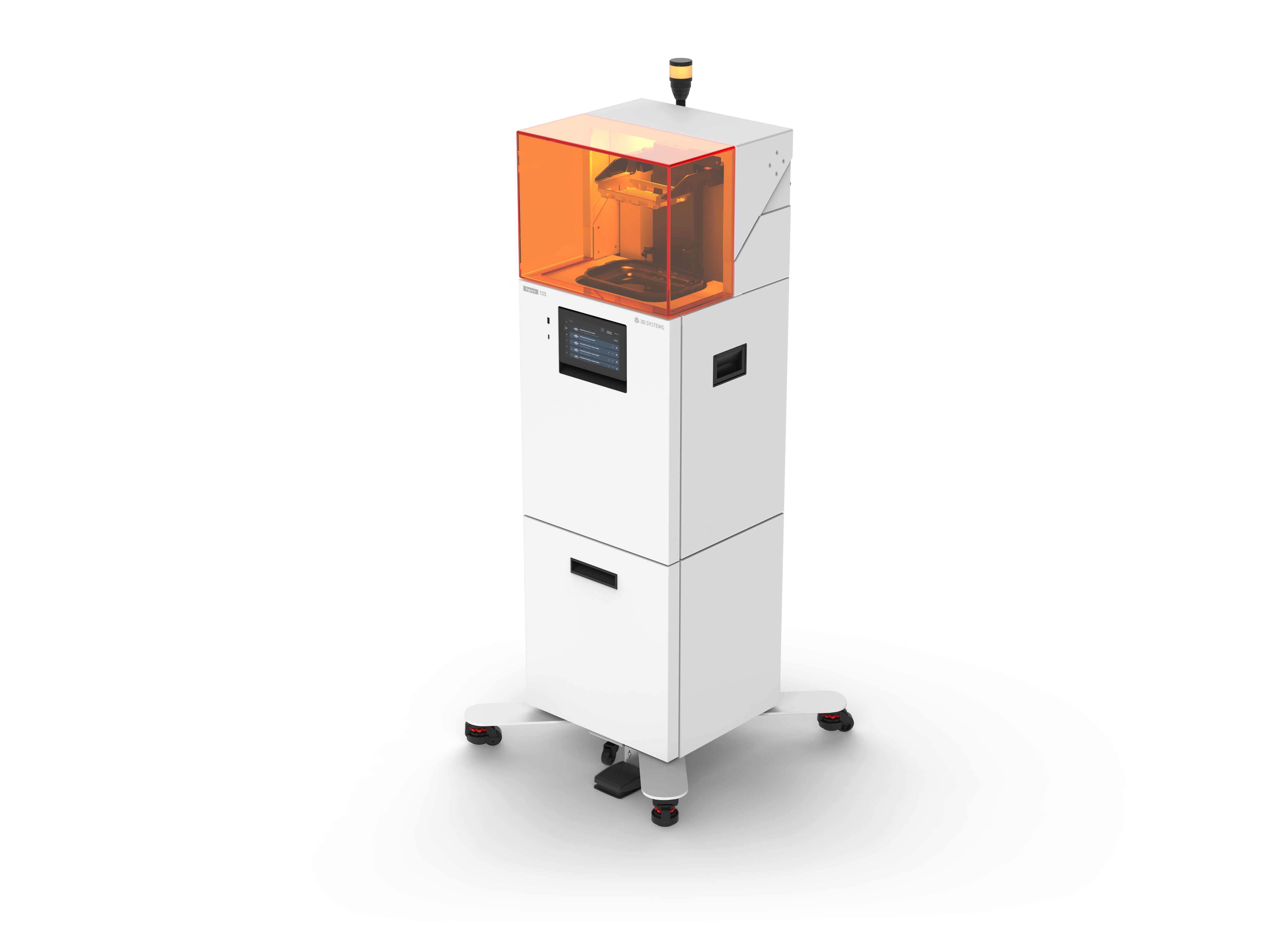
Figure 4 135 3D printer.
A Smarter Way to Make Plastic Parts
One of the biggest announcements was the launch of the Figure 4 135 3D printer. Designed specifically for high-mix, low-volume (HMLV) production, this system helps manufacturers make various small batches without relying on expensive molds or long lead times.
For industries that need many custom parts, like motorsports, consumer electronics, and furniture hardware, injection molding starts to fall short; this is mainly because it’s expensive, slow, and inflexible. The Figure 4 135 is built to fix that. According to 3D Systems, the system delivers high accuracy and repeatability to replace or supplement traditional tooling, cutting costs dramatically while keeping up with production demands.
Alongside it is a new flame-retardant material called Figure 4 Tough 75C FR Black. It has been certified by Underwriters Laboratories (UL), a widely recognized safety organization, for both fire resistance and long-term heat exposure. That makes it a solid choice for parts used in electronics, appliances, and vehicles, especially components like electrical connectors that need to handle heat and stay safe. With this material, 3D Systems promises that companies can skip the mold-making process and 3D print connectors directly, cutting costs and speeding up production.
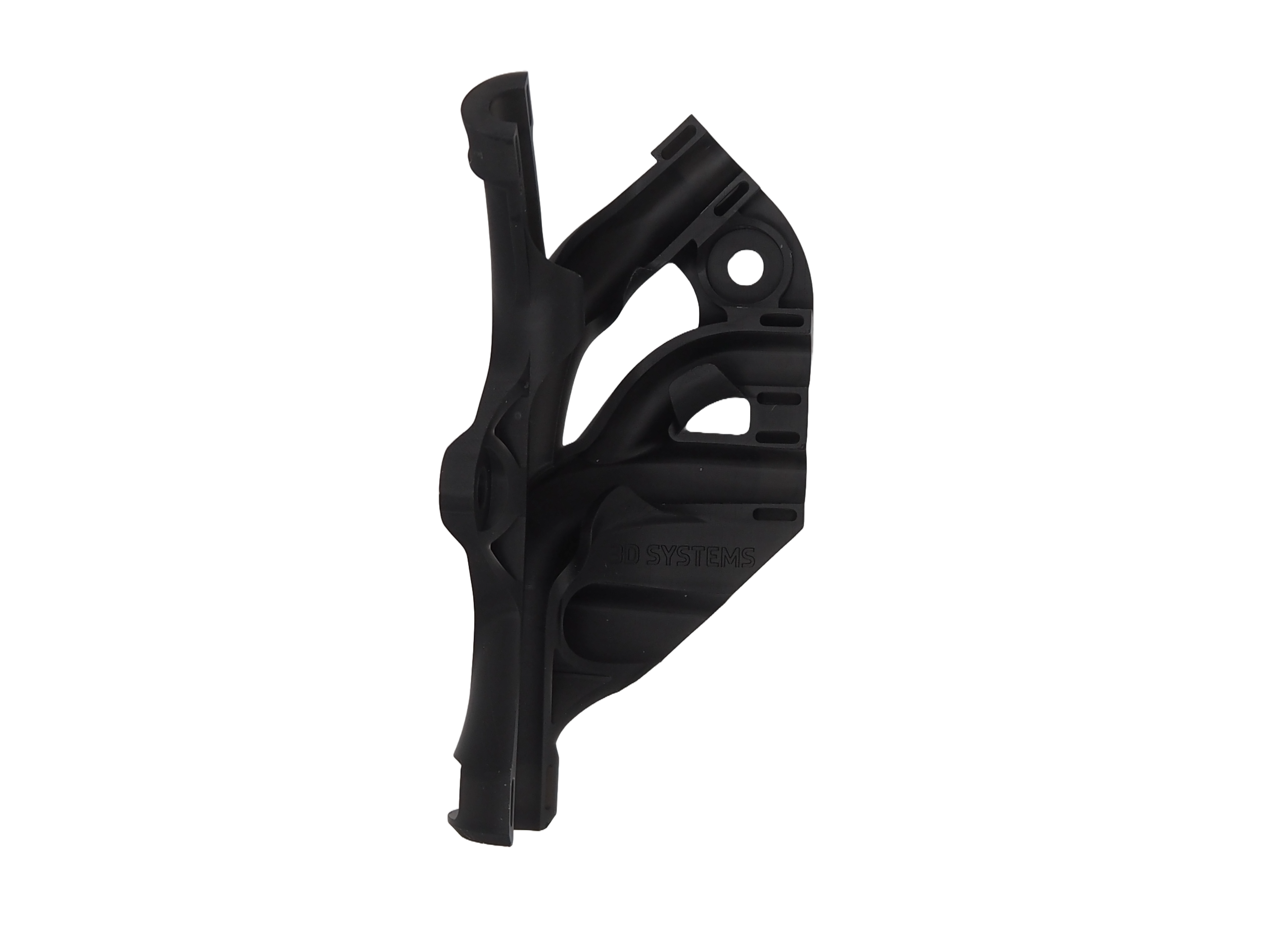
Wire harness printed with Figure 4 Tough 75C FR Black flame-retardant material.
Pellet Printing Gets a Boost
Next up, 3D Systems revealed a powerful upgrade for its EXT Titan Pellet extrusion printers—specifically the EXT 1070 and EXT 1270 models—which are already used to print large-scale industrial parts. According to the company, a new, patent-pending module is being added to the platform that promises to boost process efficiency by as much as 60% for certain applications, such as jigs, fixtures, tooling, and patterns.
Traditionally, when large parts are printed, they often need to be machined afterward for precision. However, inconsistencies in the print, like internal voids or uneven surfaces, can be a problem. To tackle this issue, the new module optimizes the material flow as the part is printed, making it more solid and consistent. This can cut machining time by up to 50%, 3D Systems says.
It also features a rapid print-bed scanning system. This means that in just under a minute, the printer can scan and generate a numeric map showing any unevenness in the bed. This takes away a lot of the guesswork and leads to fewer failed prints and smoother workflows, which are especially important when printing large parts where failure is expensive.
This module will come standard on new EXT Titan systems with the optional milling toolhead, and can be added to existing EXT 1070 and 1270 machines. It’s expected to be available in the third quarter of 2025.
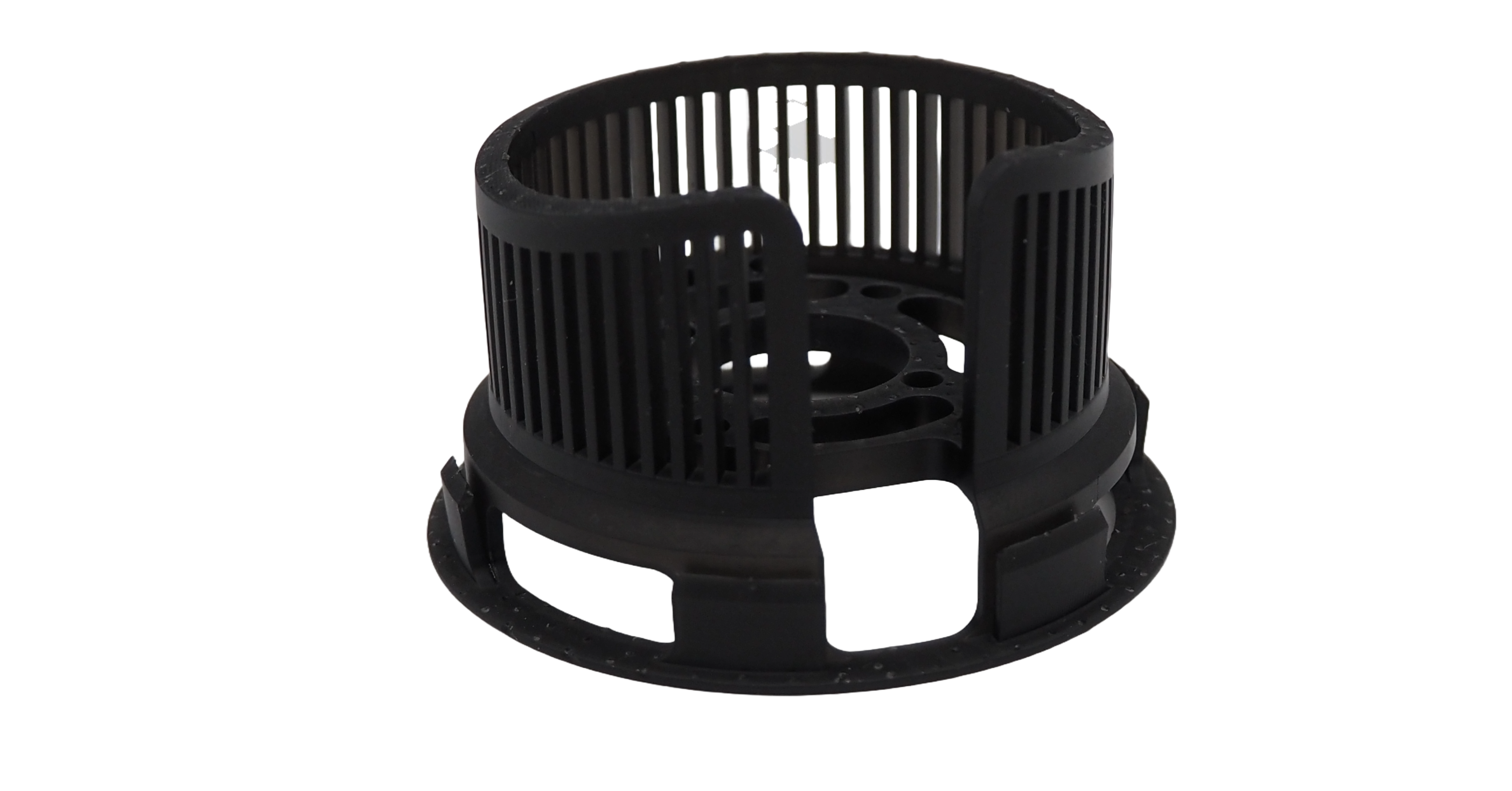
Drone motor housing produced on an EXT Titan Pellet system.
Speeding Up Casting
The third key announcement is an upgrade to QuickCast, a method 3D Systems has used since the 1990s to support investment casting. Casting is a common way to make complex metal parts, especially in aerospace. But making the wax patterns for this process often takes a long time and costs a lot. QuickCast helps solve that by letting manufacturers 3D print patterns instead. These printed patterns are then used to make ceramic molds, which are filled with molten metal to create the final parts.
3D Systems has been improving this method for decades. Now, the company has introduced QuickCast Diamond, a new build style that is available for use with its PSLA 270 printer. This projector-based stereolithography system promises to print master casting patterns faster, with better stability and fewer defects.
With the updated 3D Sprint software (used to set up and manage 3D prints), users can now create casting trees more easily. These structures group multiple parts together for casting, making it faster and more efficient to produce metal parts. For foundries and manufacturers of high-performance metal parts, this could mean faster turnaround, higher yield, and lower cost.
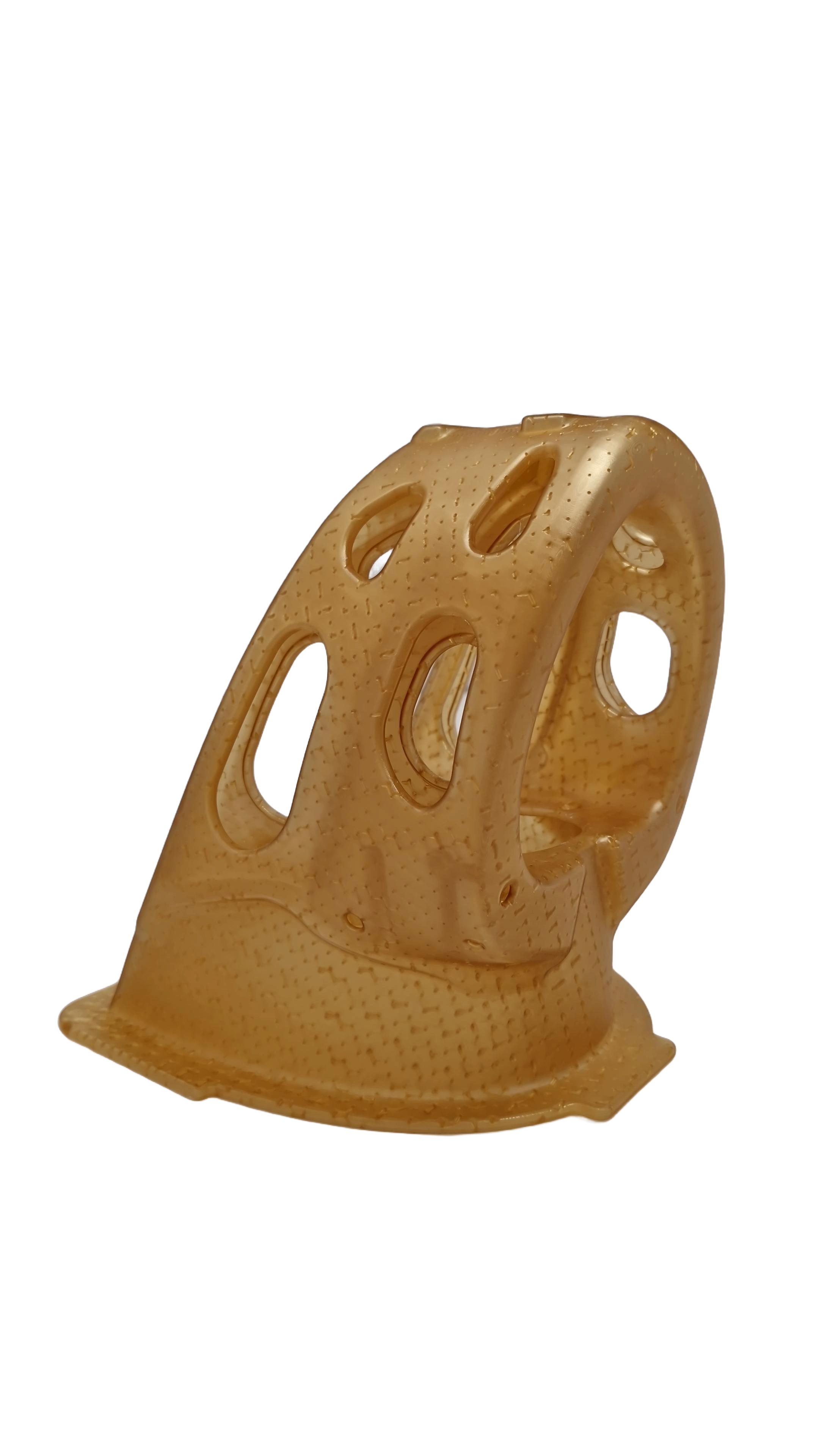
Lightweight casting pattern made using QuickCast Diamond on the PSLA 270 printer.
“Innovation is in our DNA,” said 3D Systems CEO Jeffrey Graves. “Our historic R&D surge in 2024 yielded dozens of polymer and metal products, all driven by a rising demand to address an increasing number of applications using additive manufacturing. Now, we’re commercializing these advancements, such as the Figure 4 135, which dramatically reduces costs and boosts throughput for many high-mix, low-volume applications. These new product introductions underscore our unwavering commitment to delivering application-specific solutions that address our customers’ rapidly evolving needs.”
According to Graves, the goal now is to commercialize those advancements and make them accessible to manufacturers who are looking for smarter, more efficient ways to work. Each of these new releases points to the fact that AM is becoming more focused and valuable, helping the manufacturing ecosystem make better parts faster and cheaper.
All images courtesy of 3D Systems
Subscribe to Our Email Newsletter
Stay up-to-date on all the latest news from the 3D printing industry and receive information and offers from third party vendors.
Print Services
Upload your 3D Models and get them printed quickly and efficiently.













You May Also Like
Kickstarter is Testing the Next Wave of Desktop 3D Printing
3D printers are raising serious money again…on Kickstarter, that is. Over the last few months, a new group of 3D printer campaigns has attracted millions of dollars and thousands of...
Stratasys vs. Bambu Lab: What’s Really Behind the $27.6M Patent Verdict?
Editor’s note: This is Part 1 of a two-part series by Xu Fanglei examining the technology and patent issues behind the Stratasys-Bambu Lab dispute. Part 1 looks at the U.S....
Bambu Lab and SUSAN FANG 3D Print for London Fashion Week
At London Fashion Week, some of the more unusual pieces on the runway came from 3D printers. Chinese fashion designer SUSAN FANG presented her Spring/Summer 2027 Air-Illusion collection at the...
Stratasys Wins $27.6M in Patent Case Against Bambu Lab; Bambu Challenges Verdict
Update, September 21, 2026: This article has been updated with a statement from Bambu Lab responding to the verdict, along with additional information about the company’s ongoing patent challenges against...
























































