V2 and Caracol 3D Print Double-hulled Catamaran Boat


Italian polymer and metal robotic arm firm Caracol is collaborating with the Spanish V2 Group to produce hulls. Palma-based V2 specializes in selling, renting, engineering, and manufacturing small pleasure craft. Together, they have launched a 3D-printed double-hulled catamaran, with plans to move into full production. The companies highlight key advantages, including more sustainable and efficient manufacturing, customizable designs, accelerated time to market, and reduced labor requirements.
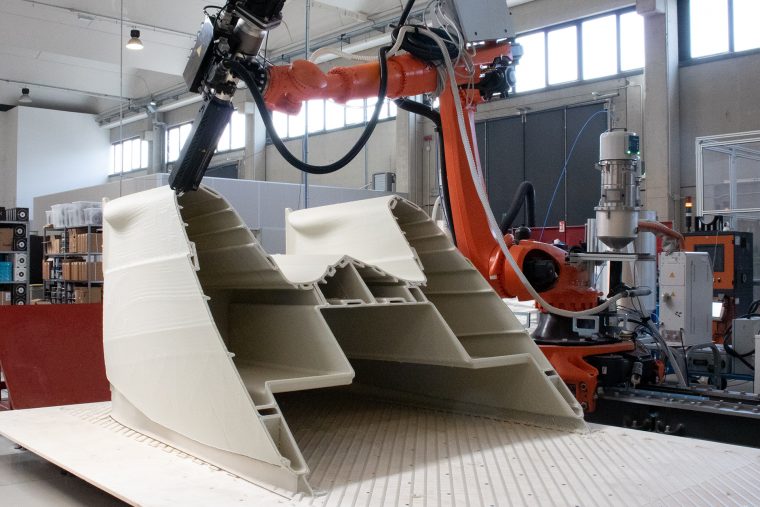
They state that it “not only demonstrates the feasibility of robotic large-format 3D printing but also establishes the foundation for a new era in the manufacturing of boats and nautical components. V2 Group and Caracol AM are committed to the continuous improvement of this manufacturing approach to broaden its applications in this sector, including transitioning toward the industrialization of the process. This will pave the way for a more scalable, sustainable, and accessible production model within the sector.”
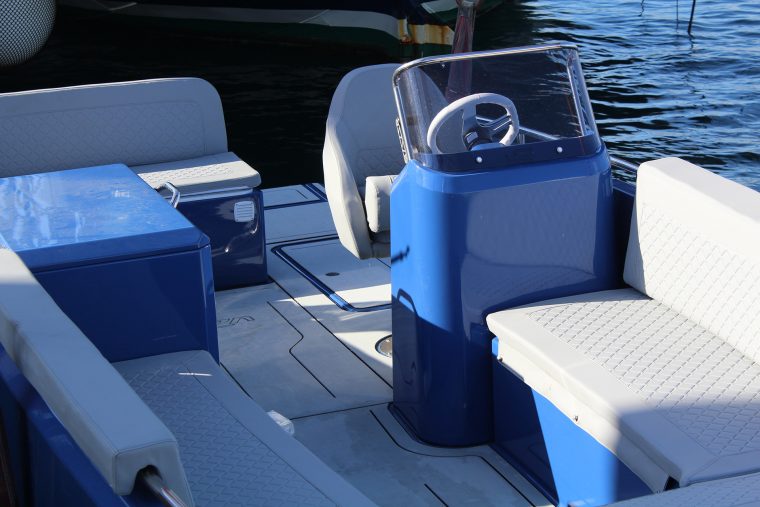
The 3D-printed boats market has immense potential. Companies like CEAD and the municipality of Dubai are already producing 3D-printed boats, while Ri.se is developing 3D-printed craft. WASP is focusing on printing boat interiors, the U.S. Navy is heavily investing in 3D printing—including onboard printing—and Singapore is working to streamline the qualification of 3D-printed parts.
The maintenance, repair, and overhaul (MRO) market for metals alone presents a multibillion-dollar opportunity annually. Likewise, the market for polymer-based interiors and hulls is also worth billions. Traditional fiberglass and other boat hulls, often handmade and slow to produce, require further automation. 3D printing could offer an alternative approach to hull manufacturing, which is particularly crucial for defense applications but also represents a significant opportunity in the civilian boat market.
Greater sustainability is urgently needed in pleasure craft manufacturing. It’s paradoxical that people enjoy nature in vessels that are so detrimental to it, given the material usage, byproducts, and waste involved. Thermoplastic boats that are durable, recyclable, and tough could make boat manufacturing significantly more eco-friendly. Additionally, offering customizable features—ranging from bulkhead configurations to sundeck sizes—could boost manufacturers’ profits. In an era of labor constraints, a more automated production process would be highly beneficial. Furthermore, 3D printing boats could also substantially reduce costs.
In a competitive market with increasing pressure from low-cost suppliers, time to market is what interests me most. Pleasure craft sales are highly sensitive to economic sentiment—buyers can quickly lose interest in purchasing a speedboat if they feel uncertain about the economy, currency fluctuations, or their business sector. The ability to rapidly customize designs to appeal to Japanese buyers and then adapt them for Australian preferences could be a significant advantage.
If a trend for faster fishing vessels emerges on U.S. Midwest lakes, manufacturers could swiftly produce boats tailored to this demand. With 3D printing, they could outpace competitors by integrating larger coolers, creating a custom fitting for a new Yeti model, or converting a seat into an expanded barbecue area for onboard cooking. If shipboard ovens gain popularity, they could be the first to market with a tailored design.
This kind of responsive engineering could secure orders and market share, while reducing investment in molds and accelerating production cycles. Faster ordering, delivery, and payment cycles, combined with lower inventory requirements and more efficient capital use, would further enhance profitability. 3D printing in boat manufacturing is a rapidly expanding application—one that is poised for sustained growth in the years ahead.
Subscribe to Our Email Newsletter
Stay up-to-date on all the latest news from the 3D printing industry and receive information and offers from third party vendors.
Print Services
Upload your 3D Models and get them printed quickly and efficiently.













You May Also Like
$51 Million Revenue VMP Wants to Become a Leading Additive Manufacturing Metal Powder Producer
Chinese powder producers have traditionally had little impact on the additive manufacturing market. Typically, they offer low-cost powders without much in the way of settings or application support. But China’s...
SprintRay Releases Midas Restore
SprintRay‘s new U.S. Food and Drug Administration (FDA)-cleared Midas Restore is a material for restorative dentistry. The ceramic-doped resin is meant for definitive inlays, crowns, and veneers. The resin has...
Alibaba Selling Fiber Optic Military Drones for $200
Ukraine was saved by Turkish-made Baykar Bayraktar drones and many brave soldiers in the first stages of the conflict. Then hobbyists and their DJI Mavics showed how drones could be spotters...
The Formlabs Shuffle
For the latest development on 8/31/26, please see an update at the end of this article. Formlabs is doing a management shuffle, pointing the firm even more surely towards an...