Visitech Opens First US DLP Light Engine Factory in Texas

Norwegian digital light processing (DLP) system manufacturer Visitech has opened its first professional DLP light engine factory in the United States. The facility, located in Allen, Texas, is set to revolutionize key industries such as AI, automotive, space exploration, and medical devices by providing industry-leading light engine solutions. This new development underscores a sea change in reshoring, while also positions Visitech ideally in terms of serving North American clientele, developing local talent, and collaborating with its long-time partner, Texas Instruments.
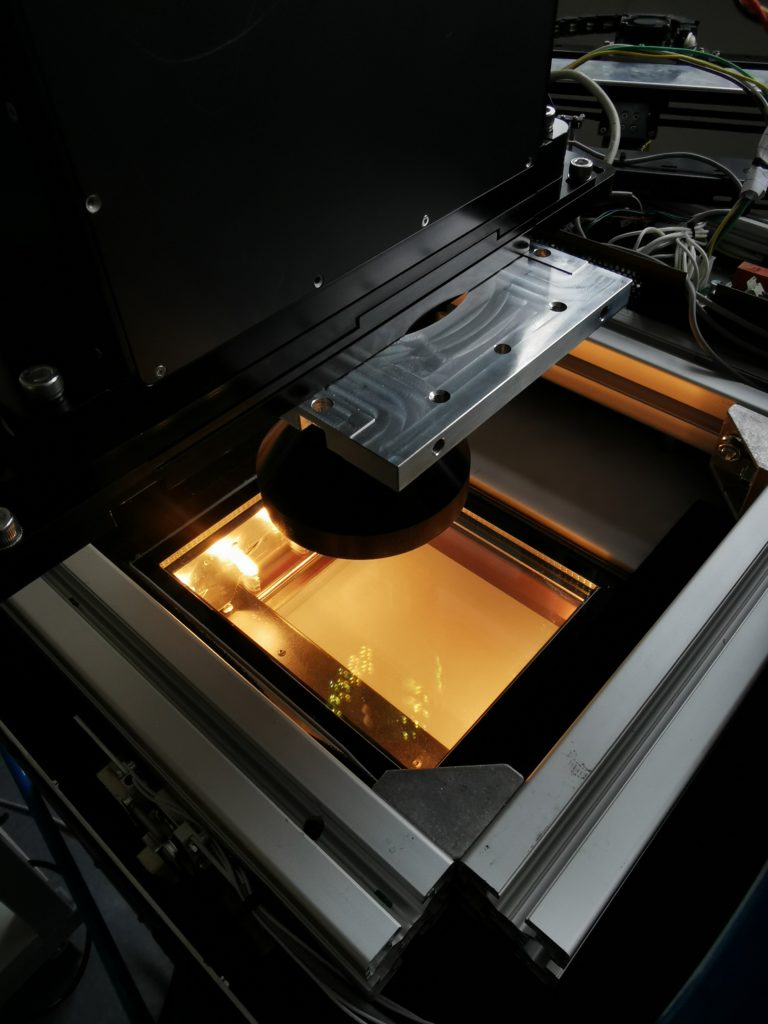
Visitech successfully achieved polymer powder bed fusion using a powerful DLP-based IR light engine to project the powder-melting image in one shot – which is faster than traditional SLS methods. Image courtesy of Visitech.
Visitech’s new factory marks a pivotal moment for U.S. manufacturing. As the only facility of its kind in the country, it will play a vital role in the evolving needs of high-tech sectors. DLP technology, crucial for precision and performance in a range of applications, will now be produced domestically, reducing reliance on foreign suppliers and strengthening local supply chains.
The factory’s strategic location in Texas is no coincidence, given its proximity to Texas Instruments, a key partner in Visitech’s efforts to advance DLP light engine solutions. This collaboration aims to drive further innovation and streamline production for high-growth sectors such as additive manufacturing (AM) and semiconductor technology.
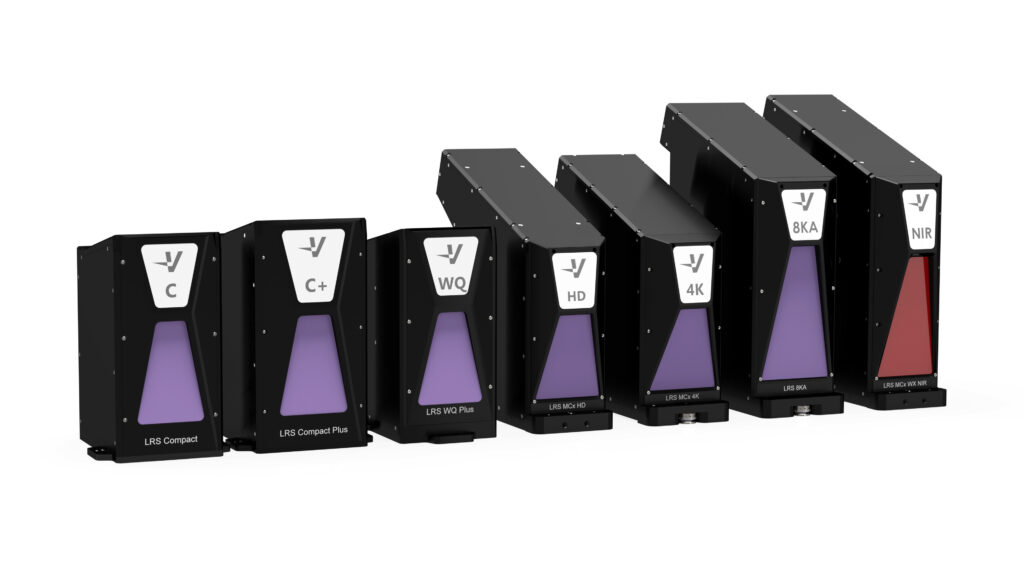
The NEOS line of projectors from VISITECH.
Visitech’s expansion is bolstered by the CHIPS and Science Act, a key legislative effort designed to boost domestic semiconductor manufacturing and technological innovation. The act, a cornerstone of the Biden Administration’s industrial policy, was instrumental in supporting Visitech’s decision to establish its U.S. facility. The factory is expected to create new jobs and enhance the local economy while contributing to national goals of reducing supply chain vulnerabilities and increasing U.S. manufacturing capabilities.
As global demand for advanced electronics and 3D printing solutions continues to surge, Visitech’s U.S. expansion positions the company to meet these needs effectively. The facility represents a significant step toward reshoring critical technologies, furthering supply chain resilience in sectors ranging from aerospace to medical devices.
Visitech’s announcement is part of a broader trend toward reshoring high-tech manufacturing capabilities in the U.S. and Europe. The push for supply chain redundancy and local production is reshaping the AM industry, with key players investing heavily in domestic infrastructure.
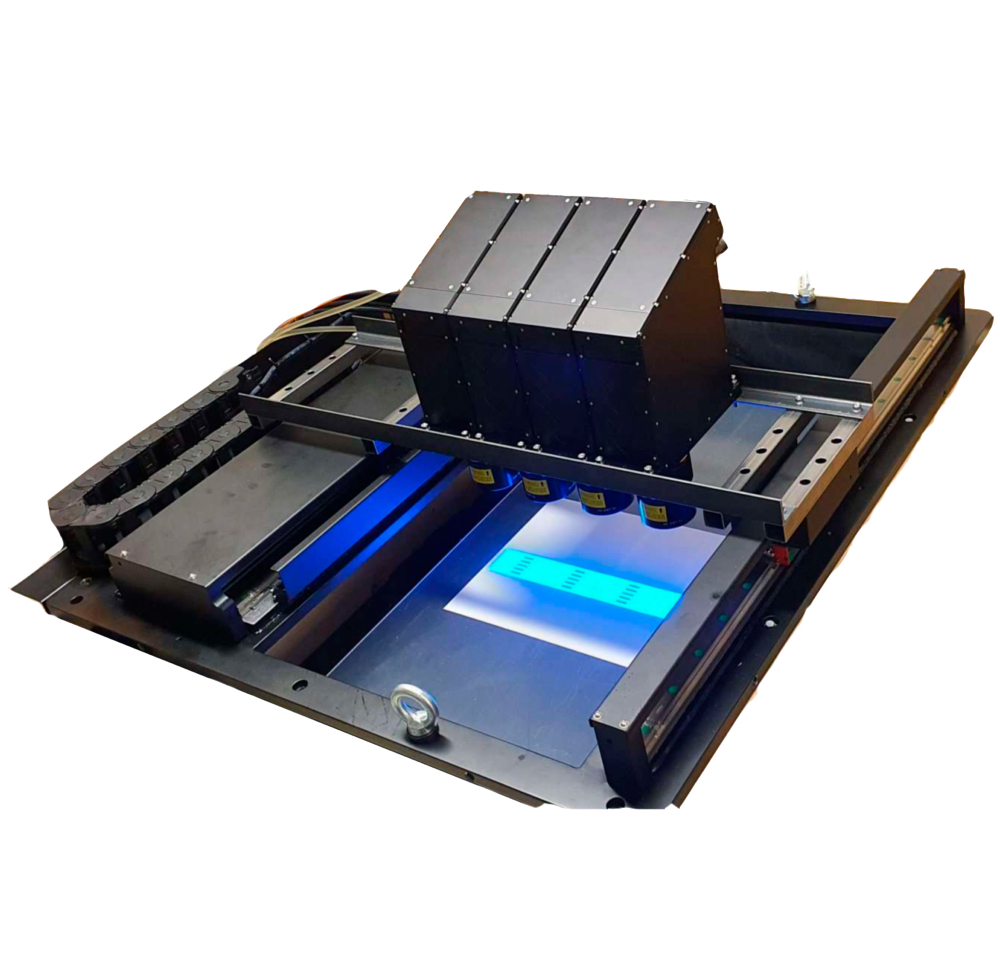
VISITECH’s LRS-MCx Reference Motion stage can use up to four UV DLP projectors or two NIR projectors. Image courtesy of Visitech.
DMG Mori, for example, has similarly opened a facility in Davis, California, to manufacture the new SLM 30 with Advanced Beam Control. Australian-based SPEE3D, a leader in cold spray 3D printing, recently opened its first U.S. facility at the University of New Hampshire. Meanwhile, EOS is expanding its production of the EOS M 290 metal 3D printer at its Pflugerville, Texas site to meet North American demand. Similarly, Oerlikon, a Swiss polymer and AM giant, has consolidated its 3D printing operations in Huntersville, North Carolina.
This trend extends beyond European firms. Chinese manufacturers such as Farsoon and EPlus are also making strides in Western markets, driving competition in metal laser powder bed fusion technologies. As the AM industry becomes more globalized, manufacturers like Visitech are strengthening U.S. production to offer local solutions and mitigate potential disruptions caused by international supply chain issues.
Similar to the growing importance of fiber lasers in the AM industry, which are increasingly being produced locally to mitigate geopolitical risks, Visitech’s expansion reflects the strategic need for domestic production of advanced components. Both fiber lasers and DLP light engines are essential technologies for high-precision applications in sectors such as aerospace, defense, and medical devices. By producing these technologies closer to the point of need, companies can reduce reliance on foreign suppliers and enhance the resilience of their supply chains, ensuring continuity in critical industries. Just as reshoring fiber laser production is vital for powder bed fusion, Visitech’s localized manufacturing of DLP systems will play a crucial role in enabling cutting-edge innovations while safeguarding U.S. manufacturing and technological leadership.
Subscribe to Our Email Newsletter
Stay up-to-date on all the latest news from the 3D printing industry and receive information and offers from third party vendors.
Print Services
Upload your 3D Models and get them printed quickly and efficiently.













You May Also Like
Stratasys Showcases 3D Printed Automotive Applications & New Printer at IMTS 2026
Just ahead of last week’s International Manufacturing Technology Show (IMTS) in Chicago, Stratasys launched the F870, a new large-format, production-grade FDM 3D printing platform designed to drive industrial manufacturing at...
3D Printing Financials: $28M in China, U.S. Deals and a Metal AM Comeback
Money continues to go into additive manufacturing (AM). From a $30 million raise for a Chinese metal 3D printing company to new funding for naval AM and a European company...
Stratasys Wins $27.6M in Patent Case Against Bambu Lab; Bambu Challenges Verdict
Update, September 21, 2026: This article has been updated with a statement from Bambu Lab responding to the verdict, along with additional information about the company’s ongoing patent challenges against...
AMAsia Pulse: AM Investment Picks Up Across Asia-Pacific
The first half of September brought fresh investment and expansion activity across Asia-Pacific’s additive manufacturing sector. China’s Xinjinghe secured funding for an aerospace AM hub, South Korea’s Lincsolution outlined plans...