NVIDIA Backs Seurat in $99M Series C

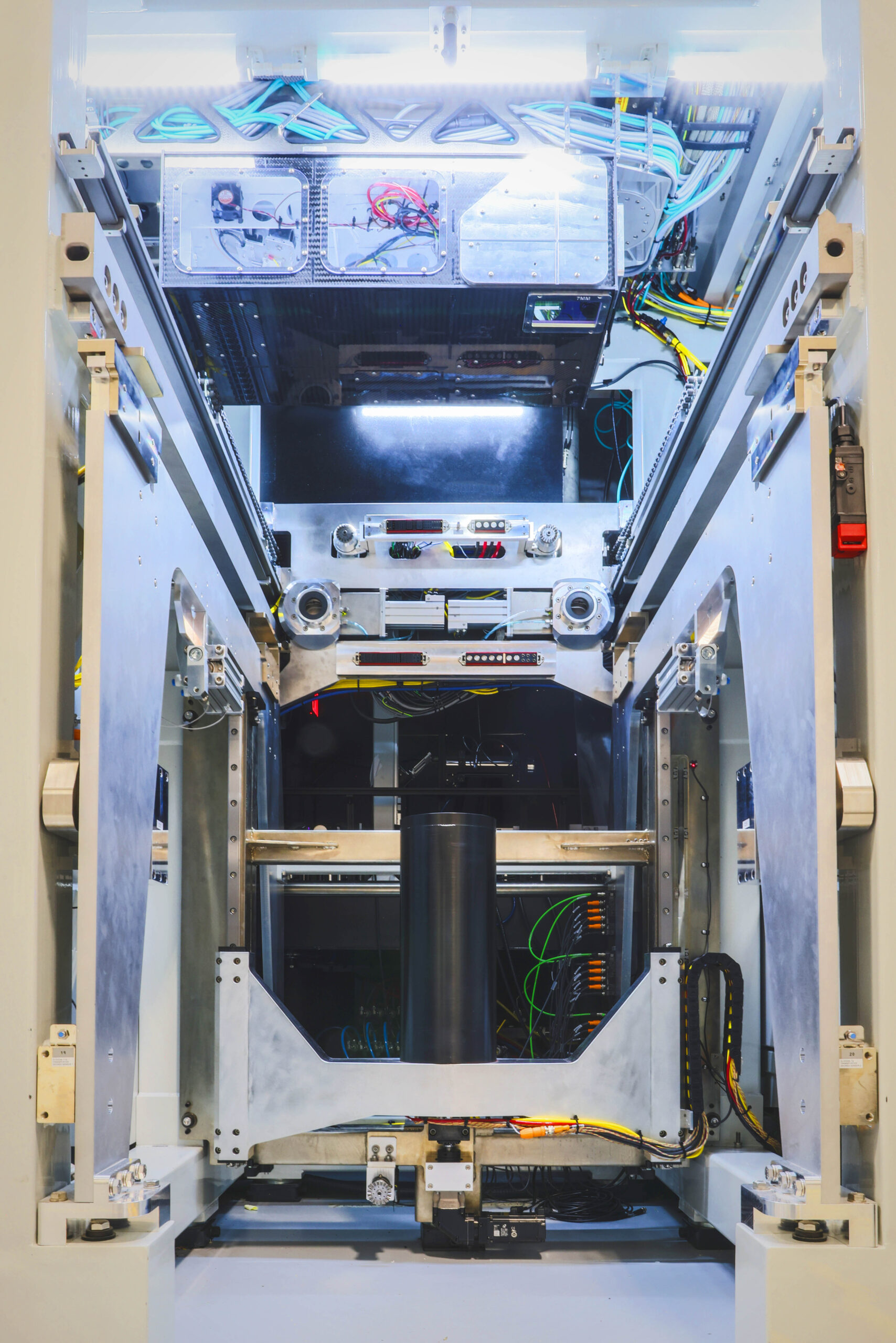
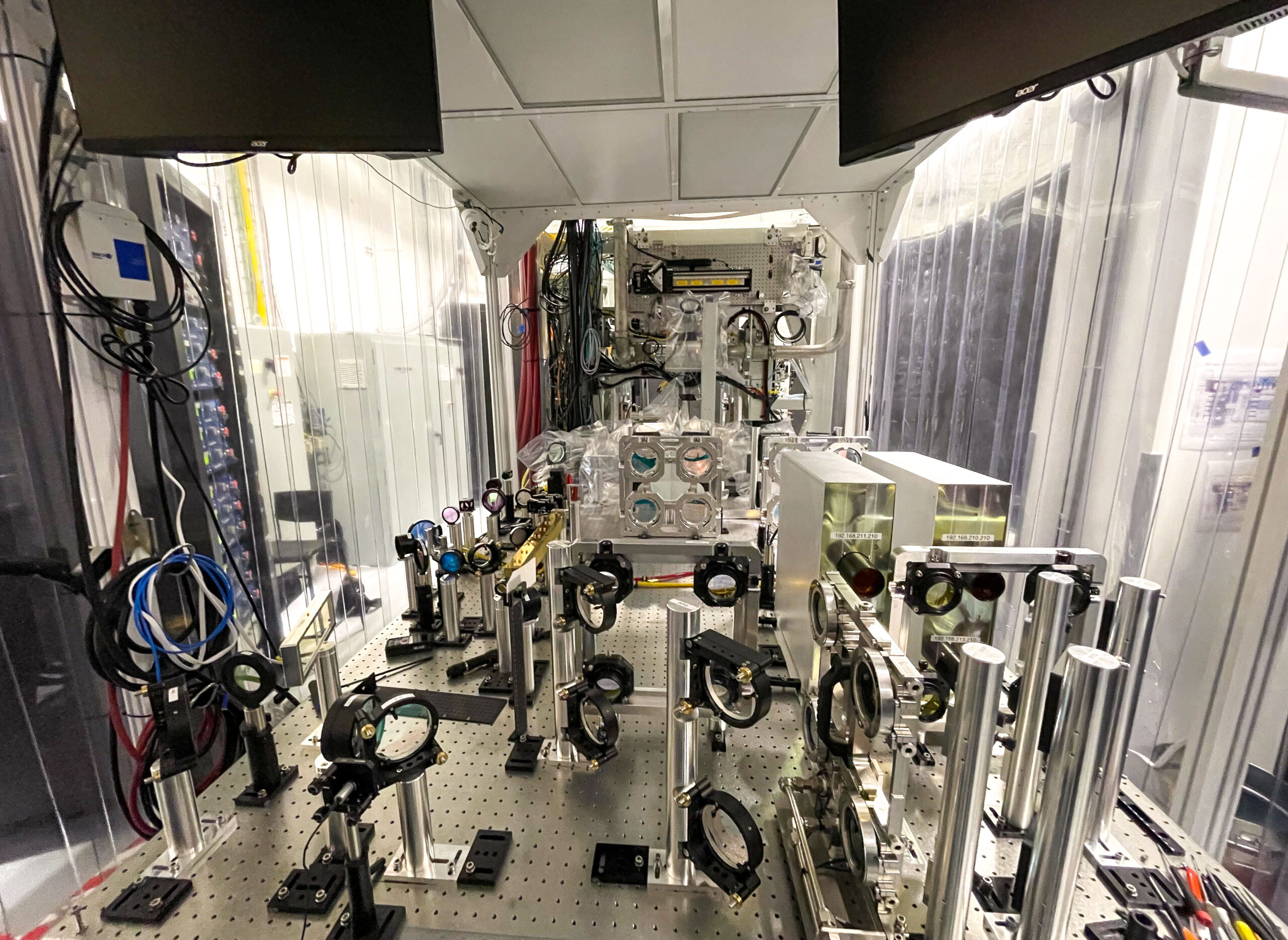
Seurat has secured a $99 million Series C funding round to commercialize its specialized 3D printing technology for large-scale metal parts production. The prevailing technology in metal 3D printing is still laser powder bed fusion (LPBF), which was mainly suitable for expensive, low-volume components due to its slow production rate. To challenge traditional manufacturing methods that are less eco-friendly, Seurat introduced its Area Printing technology. Utilizing custom-built microchips, this innovative technique transforms a single laser beam into 2 million individual points of light, allowing for faster 3D printing of metal parts. Rather than selling 3D printers, the company aims to establish factories equipped with its unique Area Printing technology. This latest infusion of capital is critical for achieving that goal. With the recent investment, Seurat’s total funding now stands at $178 million, bolstering its capacity to realize its ambitious vision.
The Series C round features a diverse group of backers, including NVIDIA’s venture capital arm and Capricorn’s Technology Impact Fund. Existing investors such as True Ventures, SIP Global Partners, Porsche Automobil Holding SE, Denso Global, General Motors Ventures, Maniv Mobility LP, and Xerox Ventures also contributed additional funds. New investments came from Honda Motor and Cubit Capital, rounding out an impressive roster of supporters.
“Our mission is to create a green manufacturing industry, With our additive manufacturing technology, our print factories will provide our customers with clean manufacturing that can compete with the volumes, quality, and price points of traditional manufacturing. This new funding will enable Seurat to unlock our next phase of growth, deploy our new machines and scale our factory capacity to meet current demands,” said Seurat CEO James DeMuth.
Securing support from automotive giants like Honda and Porsche, as well as leading car parts supplier Denso, is a significant victory for Seurat. While cost has often been a stumbling block in the automotive industry’s adoption of 3D printing, Seurat’s success in attracting these key players could signal a shift. If convinced of Seurat’s viability, these firms could provide the high-volume orders needed for Seurat to operate its factories at full capacity.
“Seurat has an innovative concept and technologies for metal additive manufacturing, and Honda has high expectations for their future potential. The metal additive manufacturing technology will enable the enhancement of the value of products through innovative design, and as Honda strives to create the joy and freedom of mobility, we envision that this technology will be necessary for us. Honda will continue to search for, collaborate with and invest in companies with a promising future through our global open innovation program – Honda Xcelerator Ventures,” said Manabu Ozawa, Managing Executive Officer of Honda Motor Co.
In addition, Seurat’s focus on decarbonization and U.S.-based production could attract further investment from local governments interested in nurturing future-forward factories. This approach aligns with the successful strategies of other companies like VulcanForms and Divergent, who have emphasized local, sustainable, and efficient manufacturing.
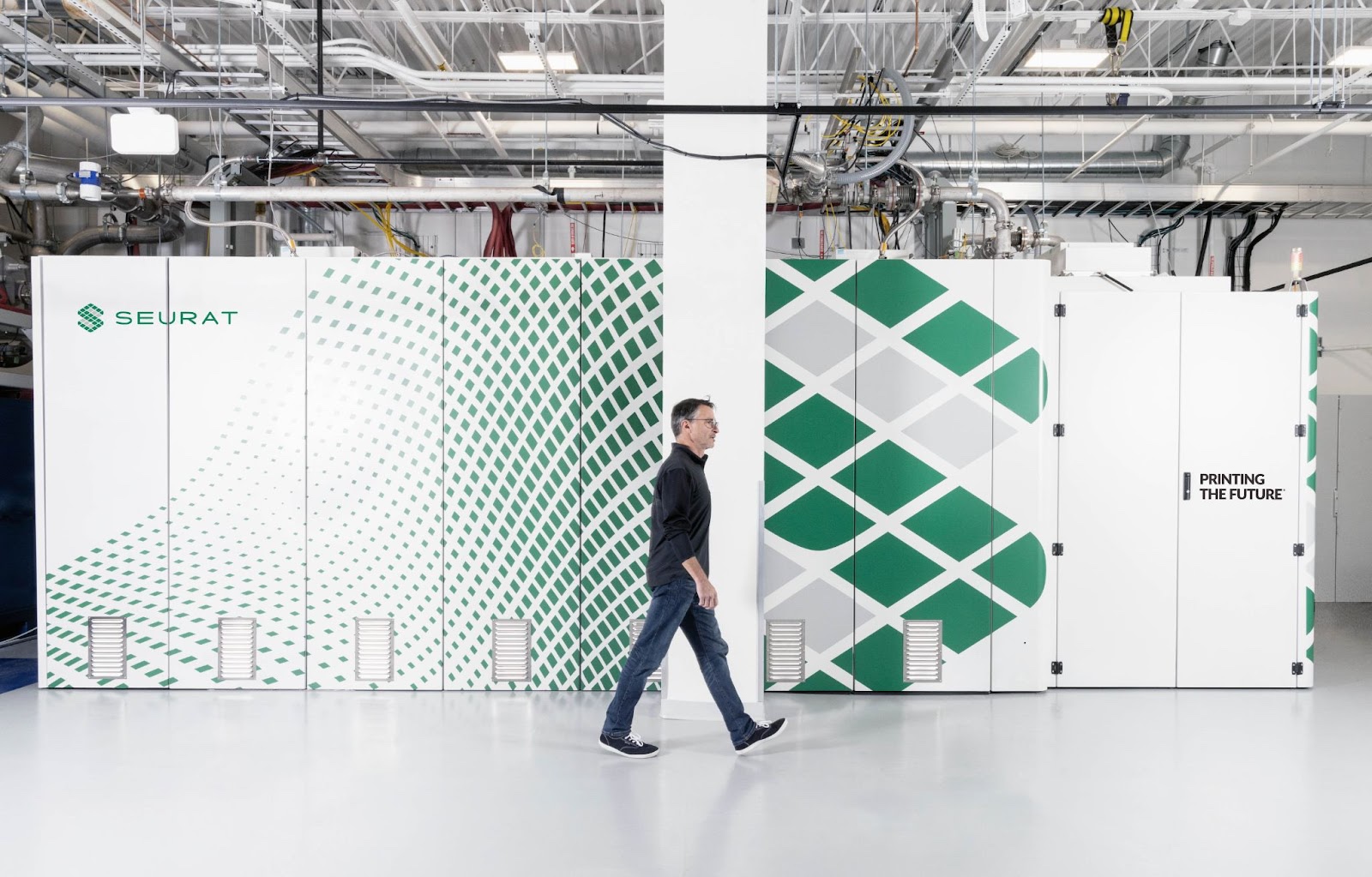
Seurat’s Alpha machine.
The narrative has shifted from simply “this is 3D printing” to a broader vision: “Our unique approach, enabled in part by 3D printing, will revolutionize manufacturing while promoting decarbonization and reshoring.” This seems to be the key to unlocking substantial investment.
“Seurat’s potential to disrupt and decarbonize the traditional metal parts manufacturing industry is tremendous. We have been impressed from the early days of the company by James and his team’s technical expertise and acumen to build a highly scalable business, with applicability across numerous industries. We are excited to participate in this round of funding, which will enable the company to ramp up production capabilities at greater scale and ultimately grow its client base,” states Ion Yadigaroglu, Partner at Capricorn.
Currently, Seurat claims to have the capacity to produce 25 tons of metal parts annually. The challenge now is to convert this capacity into high-quality, in-spec components, a formidable task given traditional manufacturing’s established presence. Nonetheless, kudos to the Seurat team for securing funding for such an ambitious project during a challenging period.
Seurat CEO James DeMuth will be participating in the upcoming Additive Manufacturing Strategies summit hosted by 3DPrint.com and Additive Manufacturing Research, taking place from February 6-8. 2024.
Subscribe to Our Email Newsletter
Stay up-to-date on all the latest news from the 3D printing industry and receive information and offers from third party vendors.
Print Services
Upload your 3D Models and get them printed quickly and efficiently.













You May Also Like
Creality K3 Opens for Pre-Order at $849, Advancing Multi-Color 3D Printing
Creality has officially opened pre-orders for the Creality K3, its latest flagship K Series 3D printer, starting at $849 in the United States. Recognized as an IFA Innovation Awards 2026...
Beyond the Printer: HP and DyeMansion Tackle the Future of Prosthetics
Making a custom orthotic or prosthetic device involves much more than producing the final part. Patients need to be measured, devices must be designed to fit their bodies, and finished...
3D Printing News Briefs, October 14, 2026: Bolus, Aerospace Tooling, Water Filter, & More
In today’s 3D Printing News Briefs, we’re starting with medical news, as Myrava has received FDA 510(k) clearance for its 3D printed bolus. Moving on to aerospace and metals, AML3D...
Can India’s AM Push Help Make it a Viable Supplement to China?
Diversifying manufacturing supply chains to locales outside of China has nothing to do with actually cultivating “substitutes” to the Chinese economy. The real stakes are these: China is an irreplaceable...