Microsoft 3D Builder App Now Available on Windows Mobile Devices and XBox One Consoles

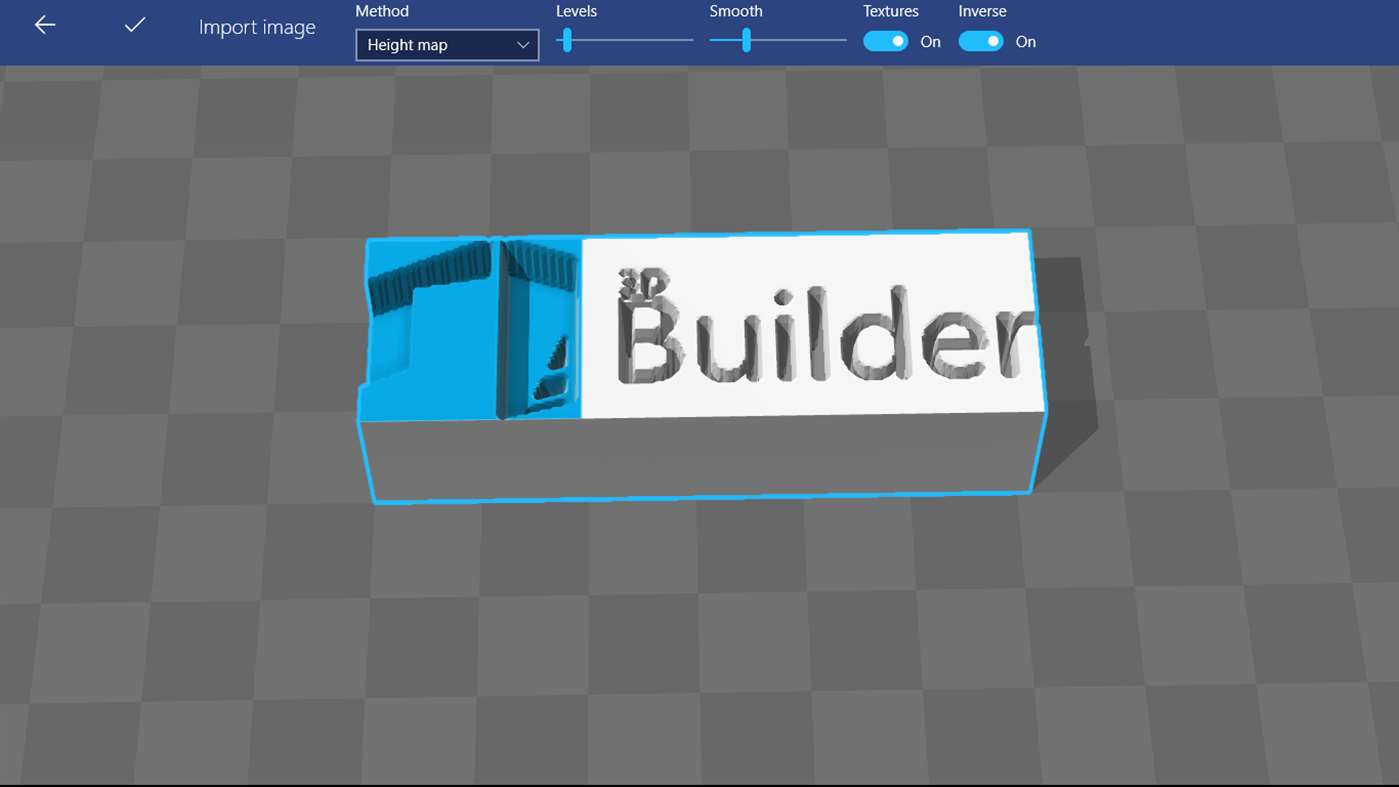 Microsoft joined the wonderful world of 3D printing in 2013, when they announced the release of their 3D Builder application for Windows 8.1 machines. The app allows you to load, view, manipulate, and 3D print right from your PC. In 2014, Microsoft integrated Kinect into 3D Builder, to enable users to perform DIY full body color scanning. 3D Builder was released on Windows 10 PCs around the same time. They continued upgrading the app, including the late 2014 release of the 3D Builder App R5 update and also teaming up with Materialise earlier this year, eventually letting Microsoft users working with 3D Builder directly connect with the i.materialise 3D printing factory when they’re ready to print.
 The company announced more good news at its hardware event in October: they’ve decided to make the app available on Windows mobile devices! The 3D Builder app is now available for free download on Windows 10 mobile devices, as well as Xbox One consoles. It gives users even more platforms to print out their 3D content, and it can even be used if you don’t own a 3D printer! Since Windows phones are not yet compatible with all 3D printers, i.materialise is again offering their printing services to those without their own printer.
The 3D Builder app is supported by several of the most commonly used 3D formats available, including:
- 3MF files
- STL files
- OBJ files
- PLY files
- WRL (VRML) files
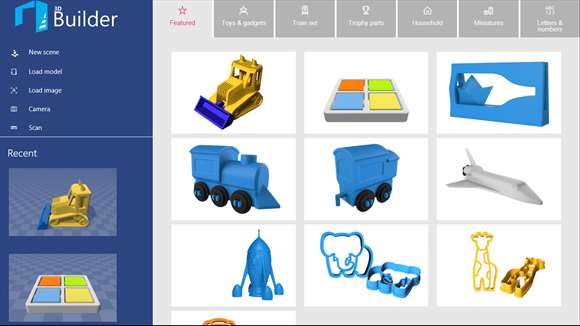 Users also have access to a built-in library, so people can share previously 3D printed models with each other. In addition to its existing features, including automatically repairing models so you can print them, the 3D Builder mobile app also refines objects, adds a base to uneven objects, smooths rough edges, and can emboss any model with additional images or text. You can build objects from scratch using simple shapes, and also combine models to make a new object.
Word on the street is that Microsoft’s Windows 10 Creators Update, which is set for early next year, will also focus on 3D features. So the 3D Builder app could see a considerable enhancement in just a few months! And of course we’re looking forward to the upcoming 3D integrations in Microsoft Paint, too, as Microsoft continues to embrace 3D technologies and make them more available for all users.
If you want to join in on the Microsoft 3D builder fun, but aren’t quite sure how to begin creating your own models for 3D printing, watch this i.materialize tutorial:
Discuss in the 3D Builder forum at 3DPB.com.
Subscribe to Our Email Newsletter
Stay up-to-date on all the latest news from the 3D printing industry and receive information and offers from third party vendors.
Print Services
Upload your 3D Models and get them printed quickly and efficiently.













You May Also Like
Solukon Goes Big with New SFM-AT850 Depowdering System
Solukon has released the SFM-AT850 depowdering system. The German depowdering specialist has updated its product line, and this machine replaces the SFM-AT800-S and SFM-AT1000-S. Rather than many small parts, this...
The Hidden Economics of Powder Bed 3D Printing: Closing the Loop in Powder Management
Automation is a very topical thing in additive manufacturing at the moment. With renewed scale, some clients are fervently looking to automate production. Other business cases only make sense with...
Oerlikon Adds ATLIX’s xBUILD 5000, Plans More for 2027
Oerlikon has installed a new ATLIX xBUILD 5000 metal 3D printer at its facility in Huntersville, North Carolina, marking the first production deployment of the system worldwide. The machine will...
The Science Lab You Can 3D Print
Researchers at Sweden’s Umeå University have shown how desktop 3D printers can be used to make lab equipment, giving scientists a cheaper way to build tools for their research. The...