3D Imaging Utilized in Study to Prove Genes Influence Facial Appearance

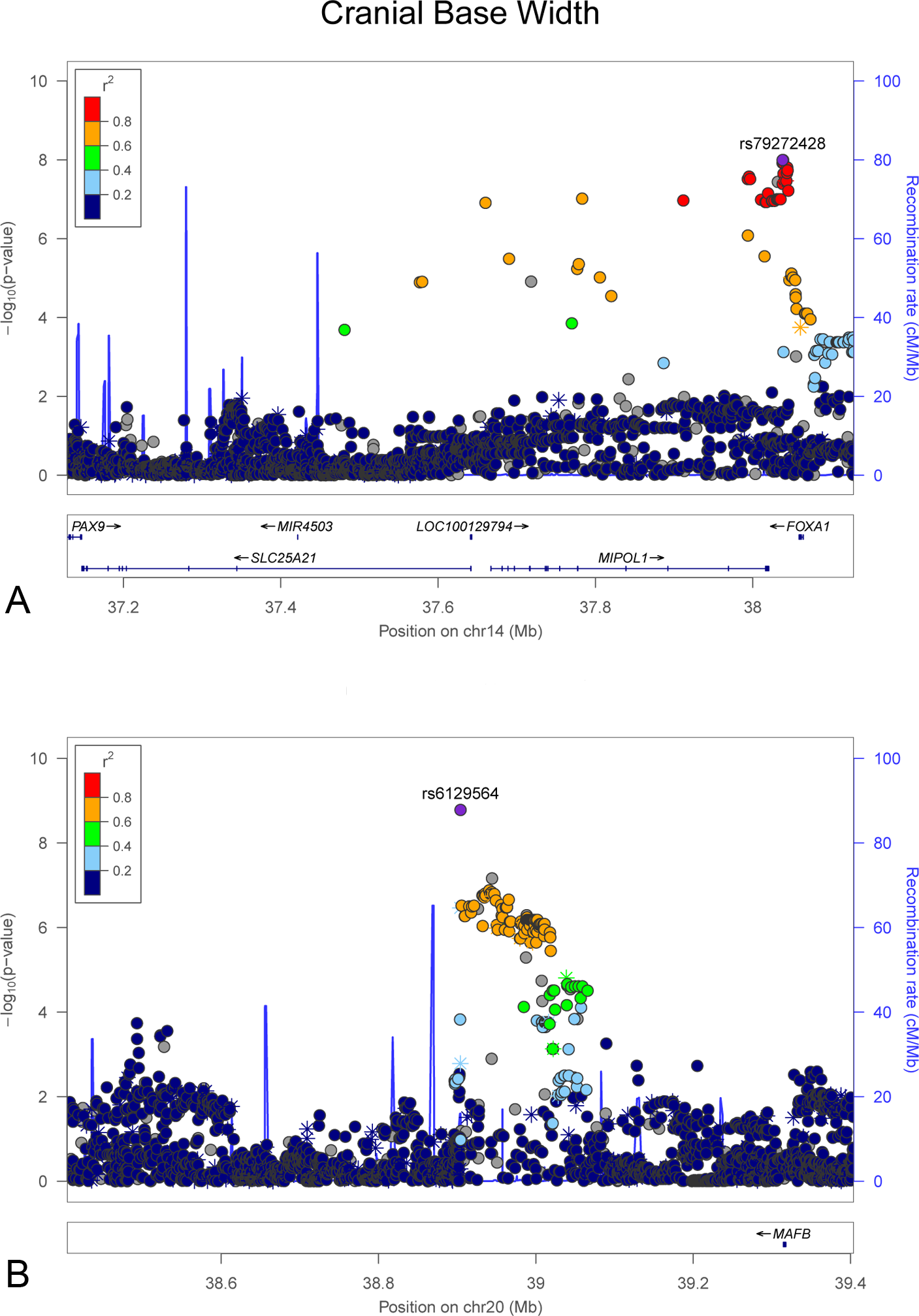 In modern morphology studies, 3D Imaging is one of the very few technologies that grant researchers the ability to conduct in-depth analysis of human facial structures. According to a new study entitled “Genome-Wide Association Study Reveals Multiple Loci Influencing Normal Human Facial Morphology,” researchers have successfully utilized the 3D technology to investigate phenotypic structures and formation of facial features.
In theory, a team of researchers led by John R. Shaffer, Ekaterina Orlova, and Myoung Keun Lee from the University of Pittsburgh have released a set of convincing evidence that could be used to justify that genes influence the formation and development of facial appearance.
With 3D imaging, researchers at the University of Pennsylvania gathered the 3D surface images of 3,118 individuals of European ancestry. All scans were analyzed by the researchers, who observed genome-wide associations in the facial features. Researchers discovered that associations existed between genes and the formation of cranial base (skull structure), intercanthal width (corner of the eye; where the eyelids meet), and nasal width.
Various data sets from the observational study led to a conclusion that certain genes play crucial roles in the development of craniofacial features, significantly affecting facial structures and features. In addition to the 3D imaging-based observational study, researchers also performed a test on genotype-phenotype associations, which further suggested that harboring genes impact variation in facial features.
The University of Pennsylvania’s team of researchers emphasized that the observations and discoveries from the 3D surface images will help the understanding of facial morphology, thus revolutionizing the field of abnormal facial morphogenesis.

3D Imaging Technique; Canfield Scientific
“Improved understanding of the genes associated with facial morphology in healthy individuals can provide insights into the pathways and mechanisms controlling normal and abnormal facial morphogenesis,” read a section of the study.
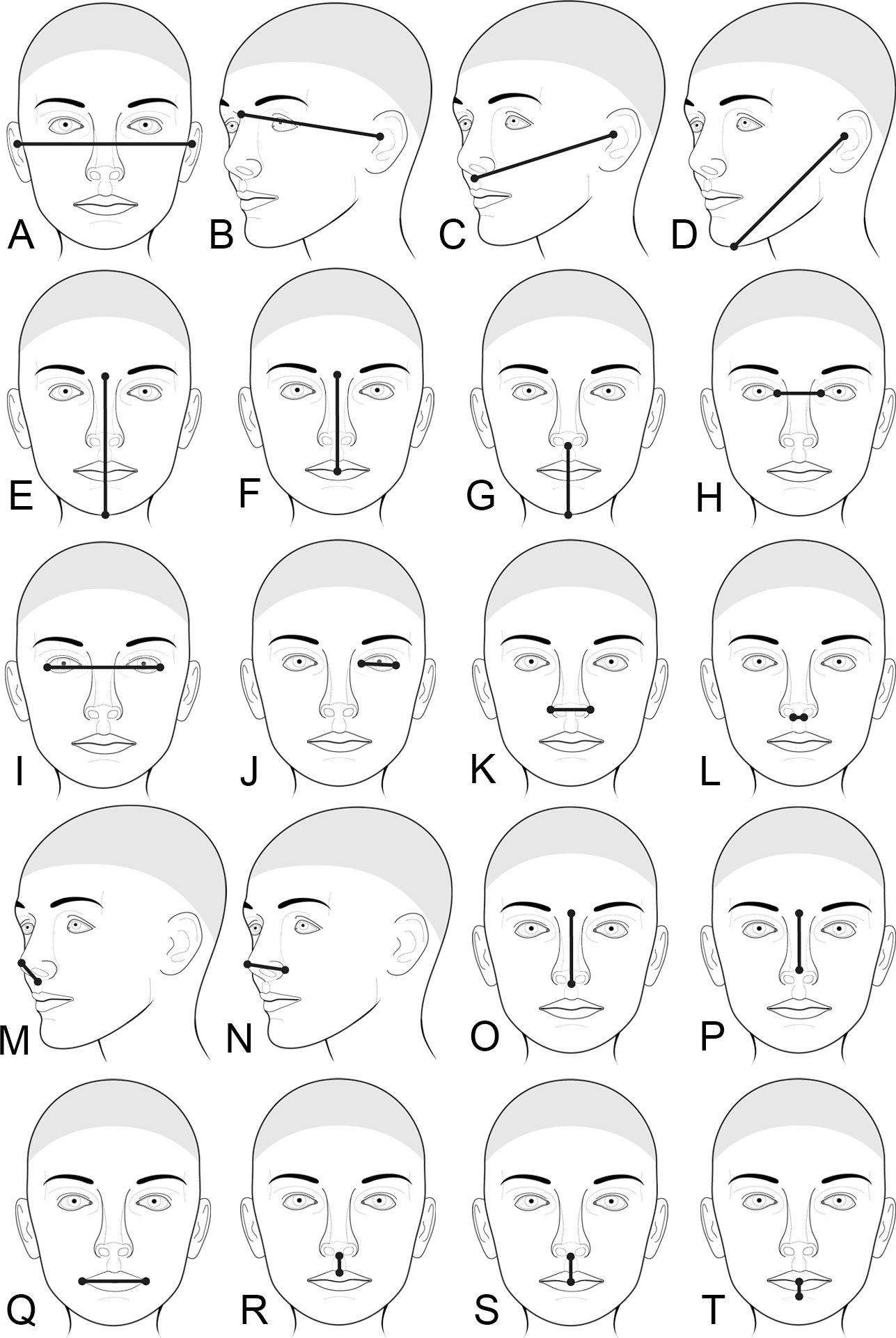 More importantly, the 3D imaging technique utilized by the researchers can be utilized to better develop forensic facial reconstructions from DNA. That means, the creation of evolutionary models on human facial features is now a possibility.
“Our ability to connect specific genetic variants to ubiquitous facial traits can inform our understanding of normal and abnormal craniofacial development, provide potential predictive models of evolutionary changes in human facial features, and improve our ability to create forensic facial reconstructions from DNA,” the authors stated.
As seen in the study infographic at right, each unique 3D image of the facial structures of individuals of European descent allowed the researchers to produce a comparison chart between evolutionary changes in facial features, which makes it simpler for researchers in the field to understand the relationship between genetic variance and facial structure.
In addition to Shaffer, Orlova, and Lee, contributing authors in full included Elizabeth J. Leslie, Zachary D. Raffensperger, Carrie L. Heike, Michael L. Cunningham, Jacqueline T. Hecht, Chung How Kau, Nichole L. Nidey, Lina M. Moreno, George L. Wehby, Jeffrey C. Murray, Cecelia A. Laurie, Cathy C. Laurie, Joanne Cole, Tracey Ferrara, Stephanie Santorico, Ophir Klein, Washington Mio, Eleanor Feingold, Benedikt Hallgrimsson, Richard A. Spritz, Mary L. Marazita, and Seth M. Weinberg. Discuss this in the Genetics Study forum at 3DPB.com.

3D Imaging Technique; Canfield Scientific
Subscribe to Our Email Newsletter
Stay up-to-date on all the latest news from the 3D printing industry and receive information and offers from third party vendors.
Print Services
Upload your 3D Models and get them printed quickly and efficiently.











You May Also Like
From Geometry Bottlenecks to Design Velocity: How AI-Generated 3D Assets Are Reshaping Additive Manufacturing
For much of additive manufacturing’s history, progress has been constrained by both printing hardware and geometry — often in different ways and at different stages of adoption. Hardware limitations around...
Palette 300 Launches at CES 2026: AtomForm Debuts Its 12-Nozzle, 36-Color 3D Printer
Las Vegas’s Consumer Electronics Show (CES) 2026 is officially in session (January 6-9). As desktop 3D printers are arguably as important to the additive manufacturing (AM) industry today as at...
2026: The Year of the Low Cost Print Farm
The rise of high-speed, reliable desktop Material Extrusion and Vat Polymerization systems by Creality, Bambu, Elegoo, and Prusa Research, the onward march of Formlabs in Pro LPBF and VP, as...
Will Growth in Robotics Spawn More 3D Printing?
The bankruptcy of Roomba contains within it a story of value engineering, relentless innovation by Chinese firms, and a novel segment that became ho-hum. At the same time, robot lawn...