Shila the Dog Gets a Set of High-Tech Prosthetic Legs After Surviving a Terrible Lawnmower Accident


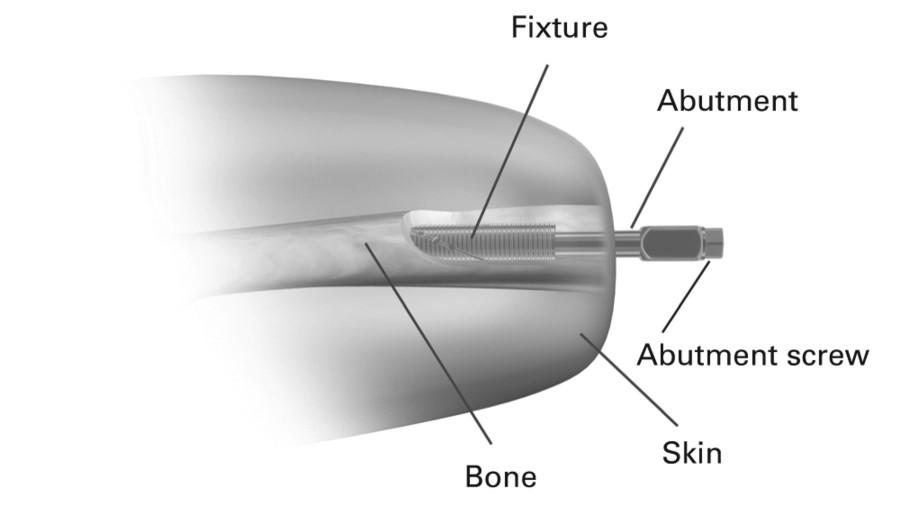
A diagram explaining how the implanted prosthetic works.
While the FDA and other countries equivalent agencies are still studying the possibility of surgically attached prosthetic devices, they have unexpectedly found themselves being used by a dog that is missing her two rear legs. This technology was initially designed for human limbs, but it has found itself struggling to be approved by the FDA due to the potential for infections and the long recovery time. However, the requirements for these kinds of implants are less stringent for pets, so the emergent prosthetic technology has found itself employed on an unexpected patient. Shila the dog is the lucky dog who was given back her mobility thanks to a team of Polish vets, who bent over backwards to help the adorable pup.
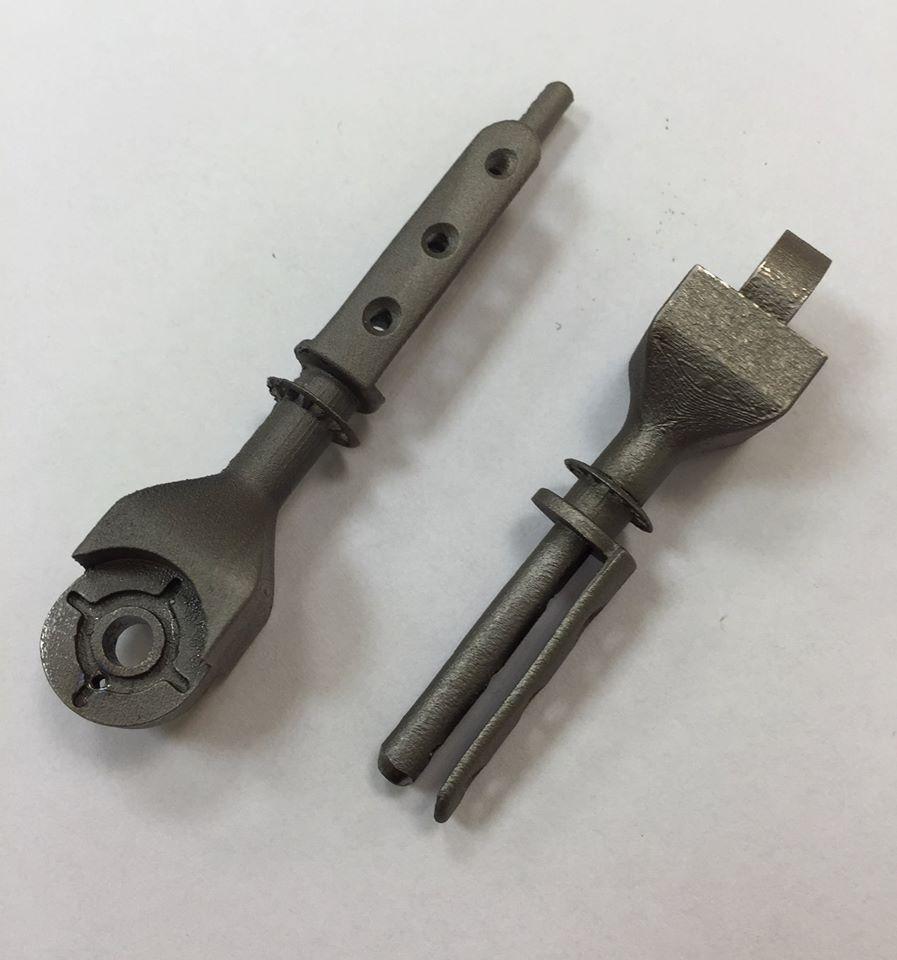
Shila’s 3D printed titanium legs [Image: Lubelskie Centrum Małych Zwierząt via Facebook]
For many pets with mobility injuries, 3D printing has been a huge game changer that is giving plenty of animals a second chance. Most of the 3D printable solutions for disabled pets are things like 3D printed pet wheelchairs or more traditional prosthetic limbs. But Polish veterinarian Ryszard Iwanicki decided to use a groundbreaking surgical solution that gave Shila a pair of permanent leg prosthetics. The procedure was performed at the local Centre For Small Animals clinic by Iwanicki and the surgical team consisting of vet surgery specialist Artur Sokołowski and vet surgery specialist Michał Stelmaszyk.
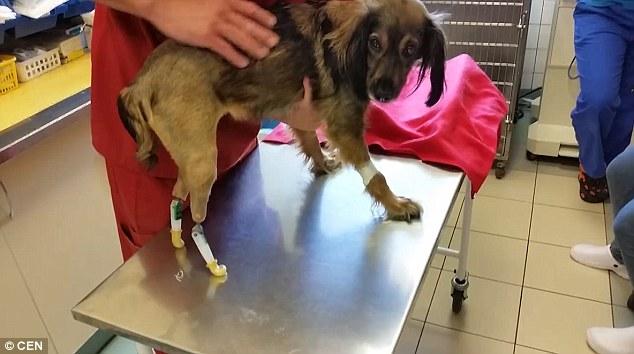
Slowly Shila gets used to her new limbs.
According to Iwanicki the planning stage of the operation took his team more than three months to complete, and he even flew all the way to London to meet the vet who was the first to have ever performed such a complicated surgical procedure. His team of vets also consulted with multiple colleagues in the Polish cities of Legionowo and Bialystok, where they travelled to meet with the vets. Once a design for the prosthetic was settled on Iwanicki used the Leszek Olbrzymek company located in the nearby town of Pulawy in the Lublin Province. The operation, the first of its kind in Poland, was completed on June 2, taking Sokołowski and Stelmaszykjust four hours to perform.
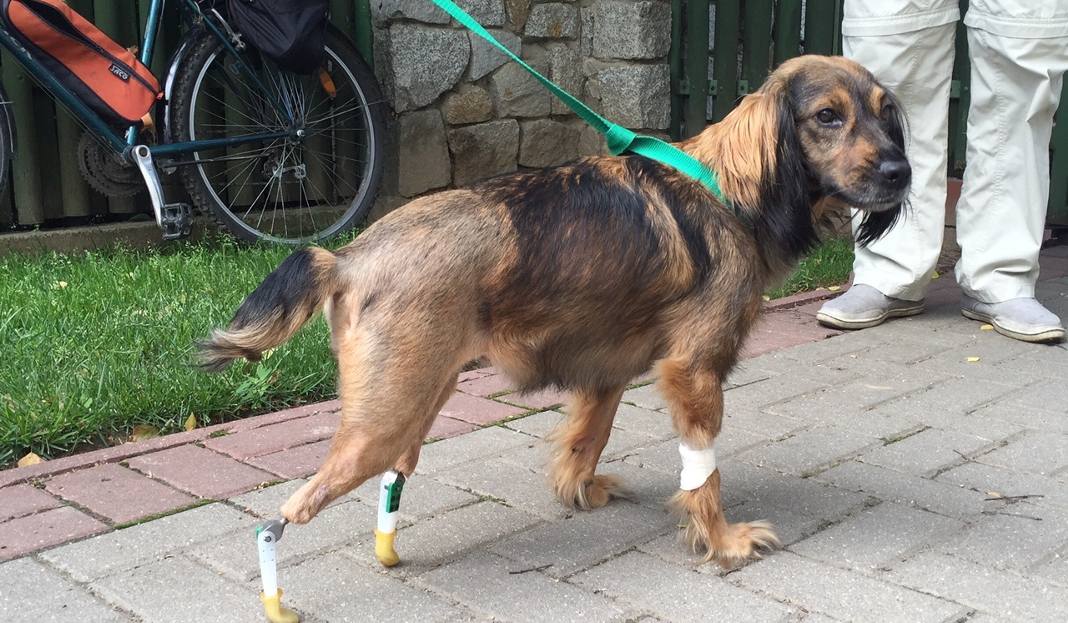
[Image: Arthur Sokolowski]
“She began to walk really early. Now she is even trying to scratch behind her ear with the new back legs. It makes us very happy,” Iwanicki told the Daily Mail.
The rear limb prosthetics were 3D printed in titanium materials and designed to attach to a patient’s real bone. The implant is 3D printed with a very small and complex geometry that will eventually that will eventually lead to the real bone growing into the implant and fusing the two together permanently. The vets now simply need to monitor Shila and make sure that she doesn’t reject the limbs. She will also need to regain the strength in her rear limbs, a process that could take several months. Updates are being offered (in Polish) on a Facebook page for Shila. Discuss further in the Shila’s 3D Printed Legs forum over at 3DPB.com.
[Sources: Daily Mail, Wiadomosci / Images: CEN via Daily Mail, Facebook, Lubelski Kurier]
Subscribe to Our Email Newsletter
Stay up-to-date on all the latest news from the 3D printing industry and receive information and offers from third party vendors.
Print Services
Upload your 3D Models and get them printed quickly and efficiently.













You May Also Like
3D Printing News Briefs, June 13, 2026: Management Changes, Project Calls, & Wheelchairs
We’ll kick this weekend’s 3D Printing News Briefs off with some advisory board and management changes, and then move on to project call news. We’ll end with some heartwarming stories...
Researchers Combine AI and Bioprinting to Create Tiny Blood Vessel Networks
If 2026 has a theme in bioprinting, it may be blood vessels. Researchers can already print incredibly sophisticated tissues. The harder part is keeping those tissues alive. Without a network...
University of Arkansas Researchers Test Metal 3D Printing in a Mars-Like Atmosphere
If humans eventually establish a long-term presence on Mars, they will face a major manufacturing challenge almost immediately. Tools will break. Parts will wear out. Equipment will need repairs. But...
UT Researchers Use 3D Printing to Develop “Tabletop EUV Lithography” Process
Photolithography, the semiconductor manufacturing process whereby lasers transfer patterns onto chemical layers coating a substrate, is one of the most amazing industrial processes humanity has ever created. It is also...