Japanese Woman Arrested for Selling 3D Printable Files of Her Genitals


Megumi Igarashi
With the advent of 3D printing, artists have been given the gift to print literally whatever they want. For the most part, as long as it is created with plastic, it can be 3D printed. On the positive end of things, we have seen 3D printed prosthetic hands, as well as 3D printed toys for kids. On the other side of the fence, there have also been 3D printed guns and knives. These objects have created a ton of debate among politicians, artists, and designers. With the pornography industry being one that has been flourishing for well over a decade, via the internet, it was only a matter of time before pornographic material would make its way to 3D printers. When it comes to nudity, there is a fine line between art and pornography, one that could create a never ending debate. However, in some countries, this line is nonexistent.
Just today, Tokyo Metropolitan Police announced that they have arrested a 42-year-old woman named Megumi Igarashi (aka Rokudenashi-ko) on suspicion of selling and distributing 3D printable design files of her own genitals. These files are said to have been sent via email to a 30-year-old man in Kagawa Prefecture, as well as many others, back in March.

Igarashi’s 3D printable mini vagina boat
According to reports, Igarashi has been selling her 3D design files to raise money to construct a boat that looks like a vagina. Since she began distribution of her art in October, she has raised ¥1 million (approximately $9,845).
Igarashi says that she does not consider the design files that she distributed to contain any obscene material. “I cannot understand why the police recognize the 3D data as obscene material,” Igarashi told police.
Igarashi seemingly makes a good case for her “art”.
“As an artist, I focus on my own vagina as the motif for my art,” she explains on her website (translated to english). “My work is against discriminative/ignorant treatment of the vagina. I thought it was just funny to decorate my vagina and make it into a diorama, but I was very surprised to see how upset people got when they see my works or even hear me say the word Manko.”
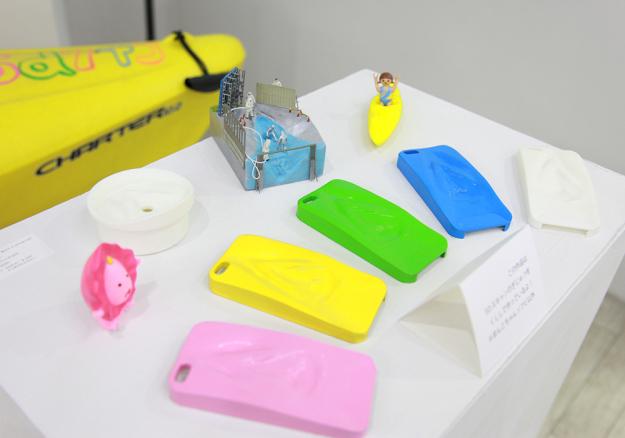
3D printable vagina smartphone cases
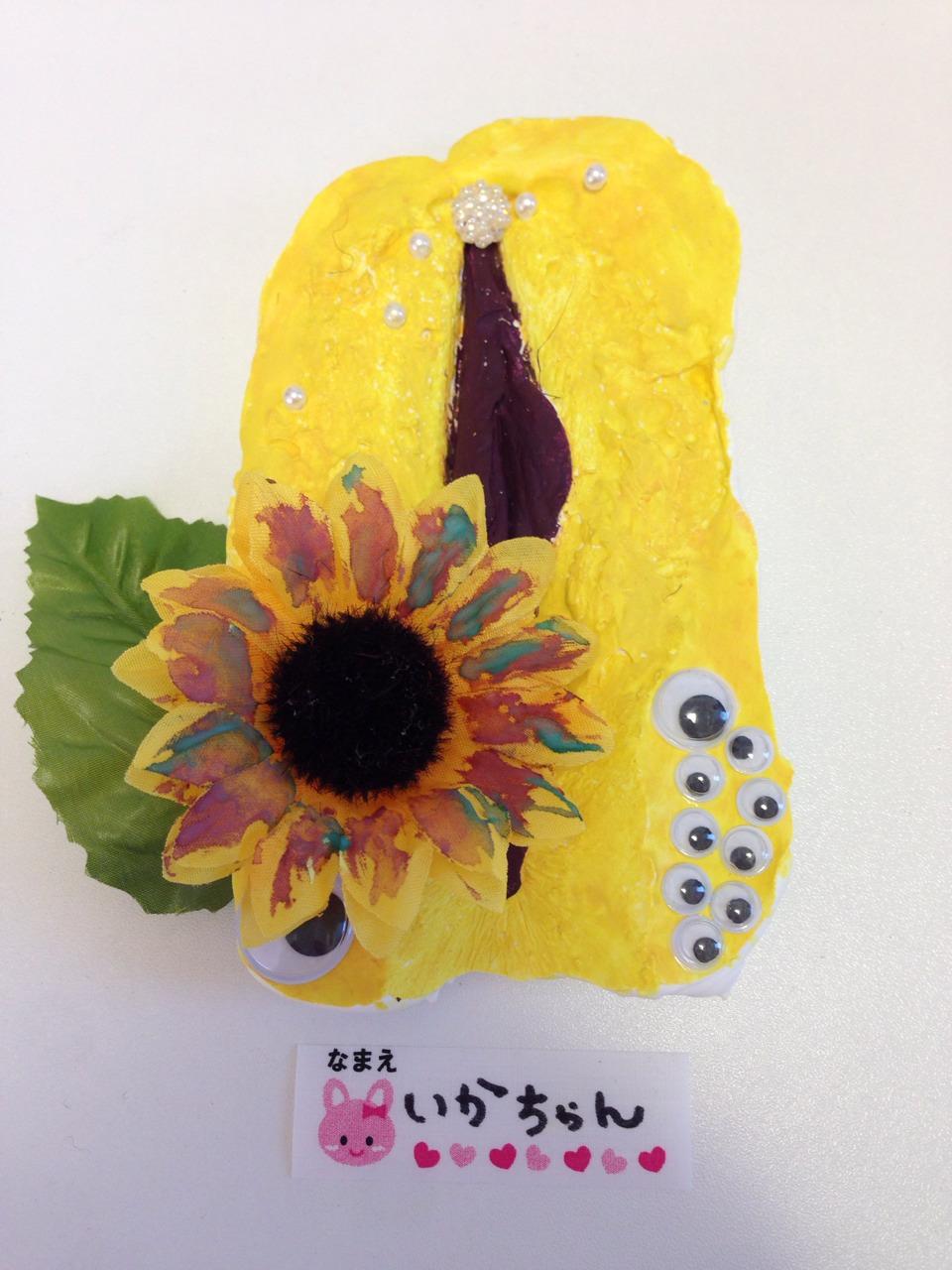
Artistic vagina mold
Igarashi also goes on to explain that she has issues with the fact that in Japanese culture, male genitalia does not carry with it the same level of taboo as that of the vagina. “Vagina has been thought to be obscene because it has been overly hidden; although it is just a part of a woman’s body,” she explained. “I wanted to make the vagina more ‘casual’.”
Igarashi has created several non 3D printed works of art that focus on her vagina. Some examples include a vagina lampshade, a remote-controlled vagina car, a vagina kayak, and several vagina smartphone cases. Check out the video below of Igarashi explaining how she makes many of her molds and dioramas.
As most of you probably know, Japanese laws are quite a bit more strict when it comes to the display of female genitalia, in comparison to laws in North America and most of Europe. While the country has laws in place to prevent the display of female sex organs, it does not hold the male genitalia to the same standards. In fact there is an annual penis festival held each year, in which the country seems to have no problem with.
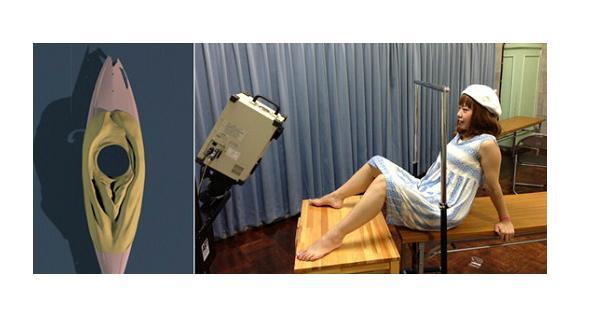 While some people, may believe that Igarashi’s renderings are pornographic in nature, others see her arrest as discriminatory and sexist. There is already an internet petition spreading around, asking for the immediate release of Igarashi, and the removal of such laws that prohibit artful renditions of the vagina.
What do you think about Igarashi’s arrest? Discuss in the 3D printed vagina forum thread on 3DPB.com. Check out the video below of Igarashi asking for donations in order to build her vagina boat.

One of Igarashi’s dioramas
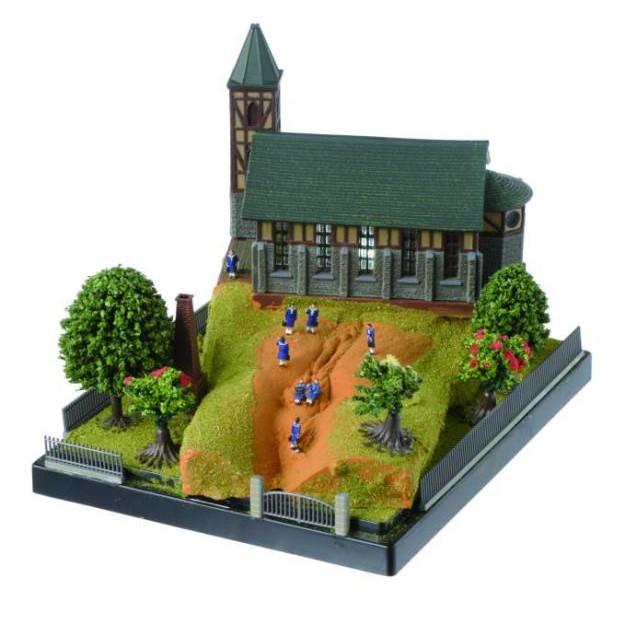
One of Igarashi’s diorama’s
Subscribe to Our Email Newsletter
Stay up-to-date on all the latest news from the 3D printing industry and receive information and offers from third party vendors.
Print Services
Upload your 3D Models and get them printed quickly and efficiently.











You May Also Like
Scaling AM Suppressor Production: Oerlikon AM & ATLIX Rise to the Challenge
End-of-barrel suppressors, oftentimes referred to as silencers, function by capturing and redirecting high-pressure propellant gases through carefully engineered internal structures and channels. By disrupting the gas flow before it exits...
Unlocking Big Part Manufacturing for the Energy Sector: How EPRI’s Convergent Approach Proves the Potential of Large-Area DED 3D Printing
The U.S. hydropower fleet, more than 2,200 plants averaging 65 years of age, relies on large, bespoke components that are increasingly difficult to source. Long lead times, disappearing suppliers, and...
In-Situ Automated Toolpath Generation and Auto-Alignment for Performance-Driven Directed Energy Deposition (DED)
The evolution of Directed Energy Deposition (DED) systems has increasingly focused on improving process adaptability, geometric fidelity, and integration into automated manufacturing environments. FormAlloy has advanced this progression through the...
From Material Maturity to Fleet Execution: What Comes Next for Additive Manufacturing in the U.S. Navy
Additive manufacturing is steadily moving from experimental use toward routine application in U.S. Navy shipbuilding, sustainment, and much more. In recent years, the Navy, working through its Maritime Industrial Base...