Forecast 3D to Show Off This Racecar, Featuring 45 3D Printed Parts at RAPID Event Next Week


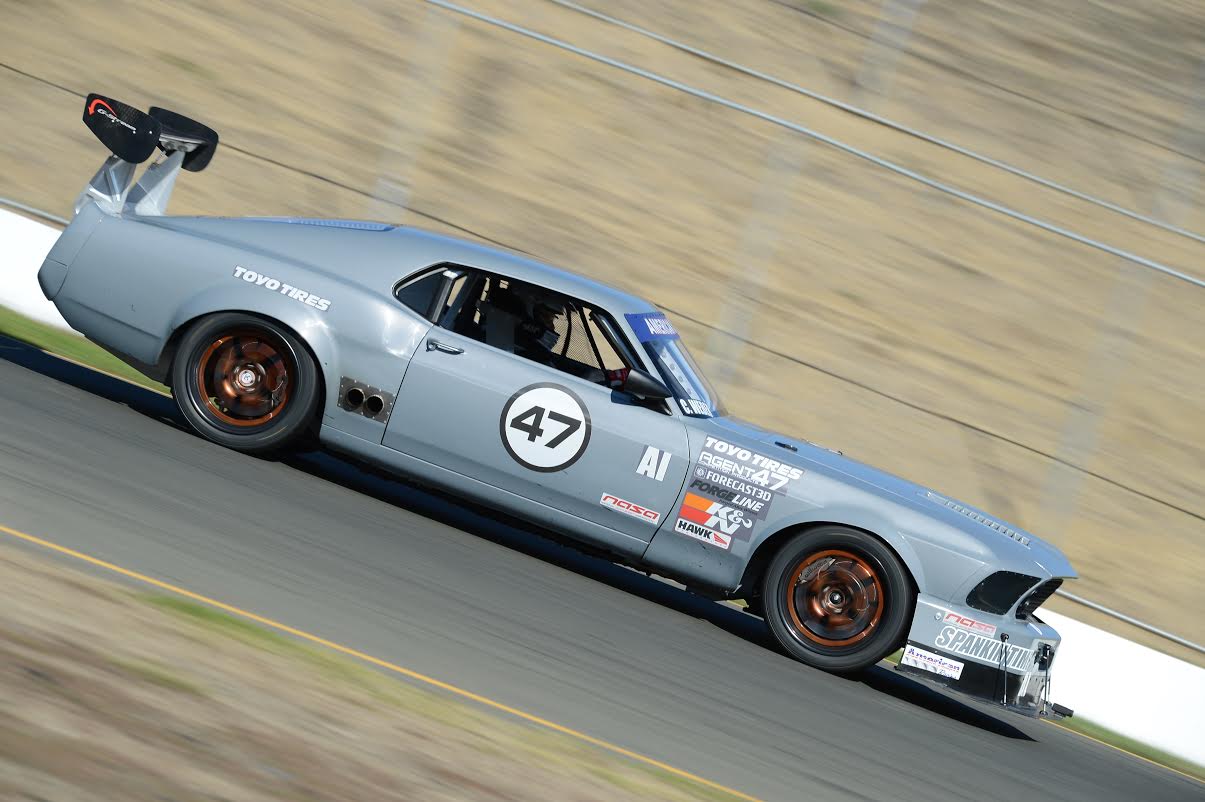 3D printing has gradually been making its way into the automobile industry. Whether it is the use of additive manufacturing to create prototypes for some of today’s most driven cars and trucks, or if it is the 3D printing of entire vehicles by companies like Local Motors, undoubtedly things are progressing quickly. While projects like what Local Motors has done, as well as another company in China called Sanya Sihai, are tremendous, other companies are finally beginning to realize that 3D printing lends quite the helping hand when trying to create, not entire vehicles, but individual custom parts for high performacce cars.
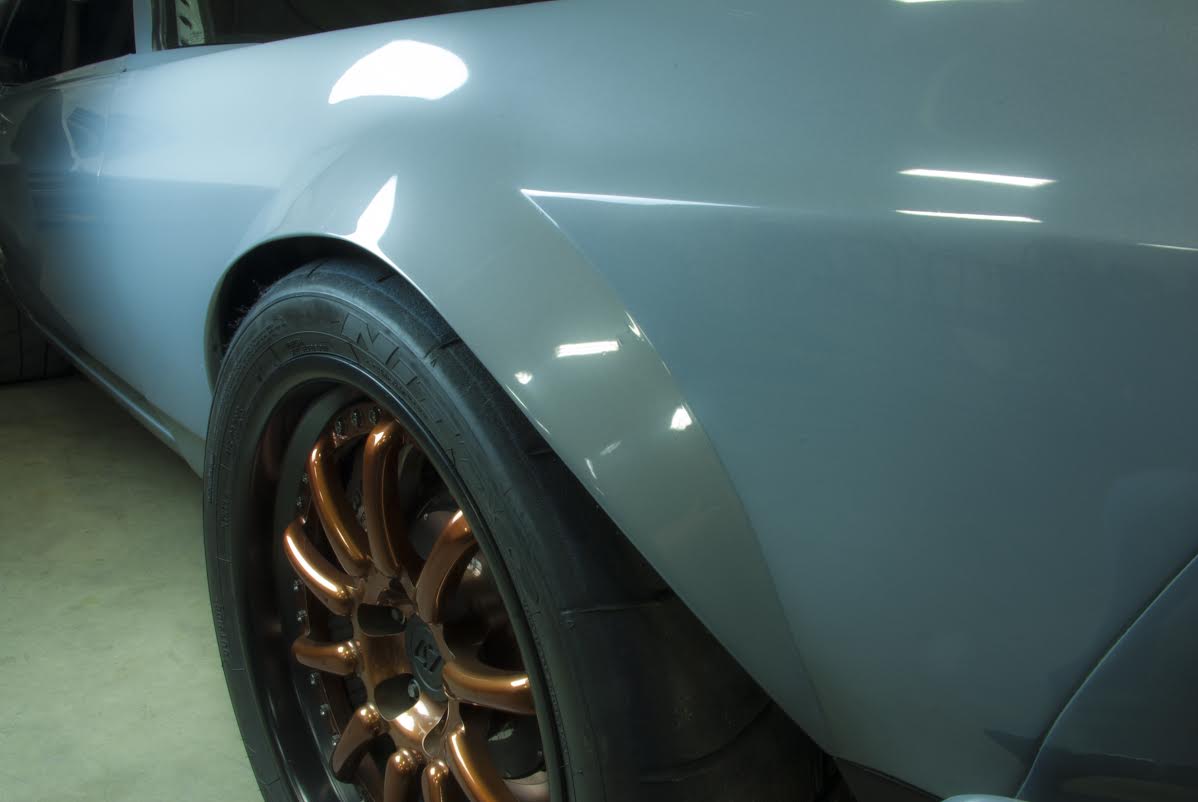
3D Printed SLA Fender Flares
One company called Forecast 3D understands that 3D printing can be used to create fully functional products. In going with this theme, they will be bringing a race car to the upcoming RAPID event in Long Beach, California next week, which features an astounding 45 different 3D printed parts.
The Harbinger, which is a custom made race car based on the 1969 Ford Mustang and built for automobile manufacturer Agent 47 Competition Products, will be unveiled at the event. Within this beast of a car are 45 fully functional parts which have been 3D printed using just about all of Forecast 3D’s seven different additive manufacturing technologies. These technologies included SLA (Stereolithography), a Fortus FDM 3D Printer, Direct Metal Laser Sintering, RTV Casting and some CNC machining, among others. From May 19th through the 21st, Forecast 3D will have the car on display at Booth #749 in the Long Beach Convention Center.
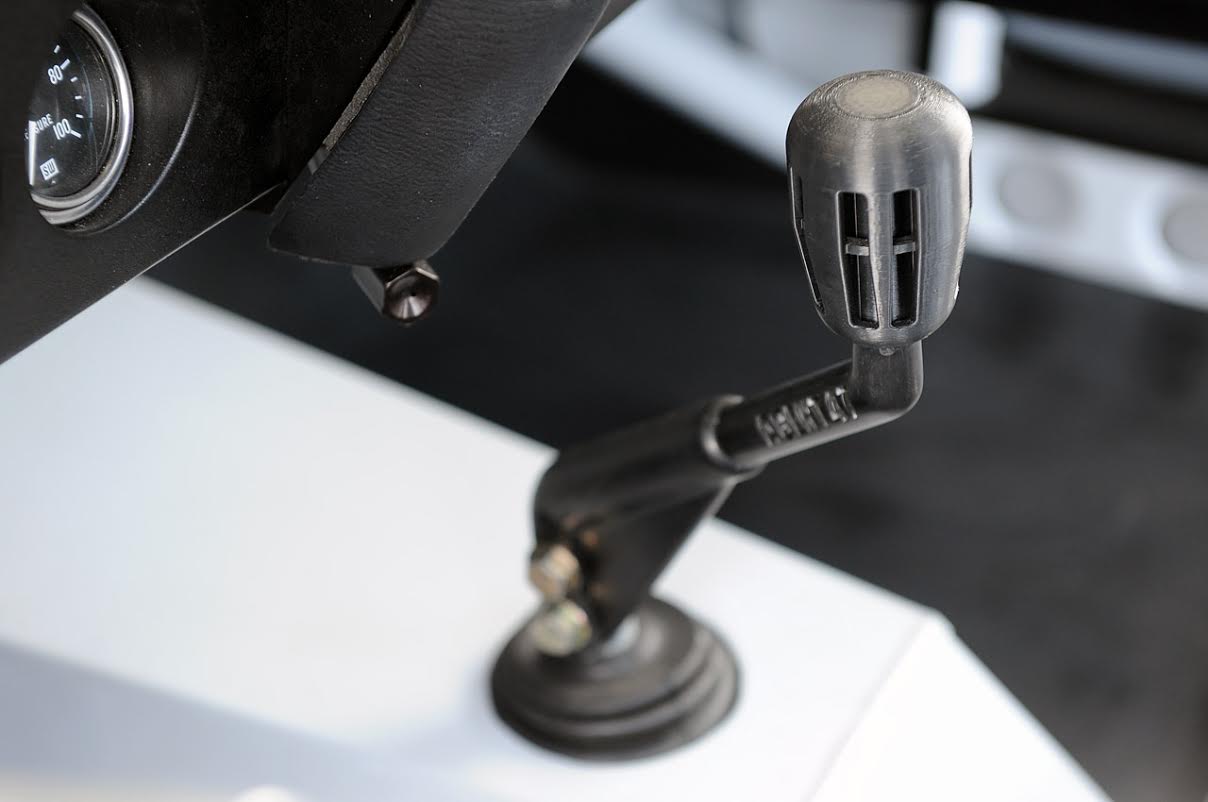
3D Printed FDM Shift Knob
“Working with Agent 47 on the Harbinger project has been very enjoyable and rewarding to all of us at Forecast 3D,” said Corey Weber, President and CEO of Forcast 3D. “Motorsports has always been a hobby of mine, so to be involved on a project of this scale and to see what can be done with Additive and ProCAST RTV in the custom and race car building business… to say it’s exciting is a gross understatement. I believe this is the tip of the iceberg as more and more custom and specialty vehicle shops embrace these technologies.”
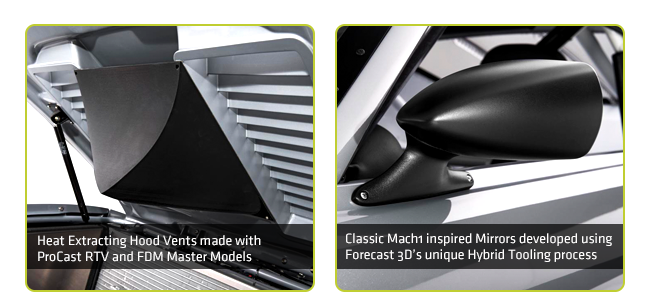 The Harbinger car and the parts made for it, were put to the ultimate test in the form of the entire season of NASA’s American Iron race series which culminated with the 2014 National Championship. It passed with flying colors. Now the world gets to see all of the intricate details and enhancements that 3D printing was able to provide for this stunning vehicle.
Be sure to check out some photos of the amazing 3D printed parts provided to us by Forcast3D, as well as the car in action below. What do you think of this unique race car? Do you plan on attending next week’s RAPID event? Discuss in the Harbinger Race Car Forum thread on 3DPB.com.
-
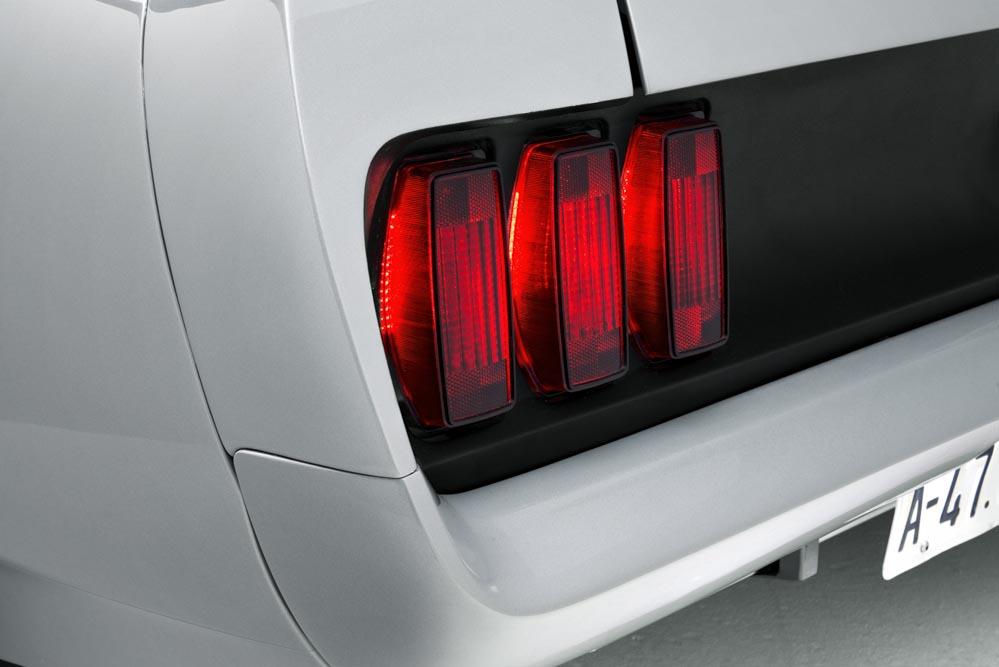
- ProCast Taillight
-
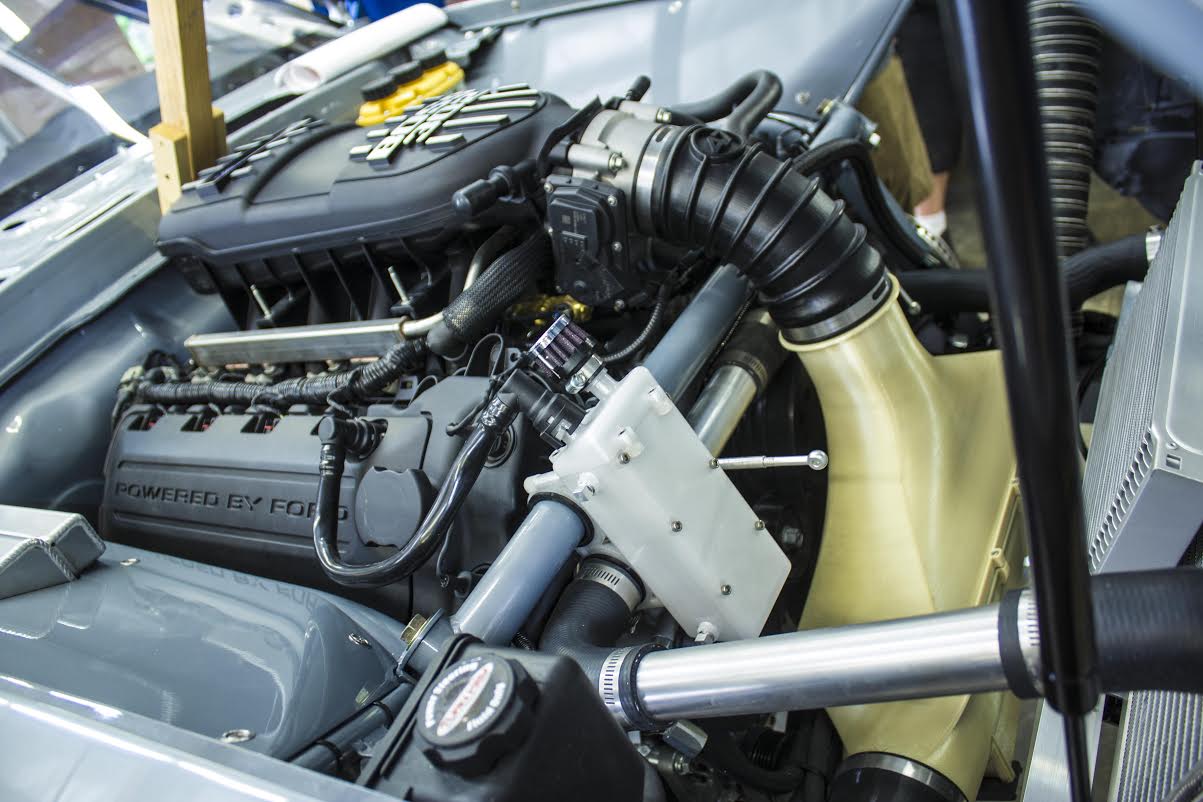
- ProCast Intake Hose
-
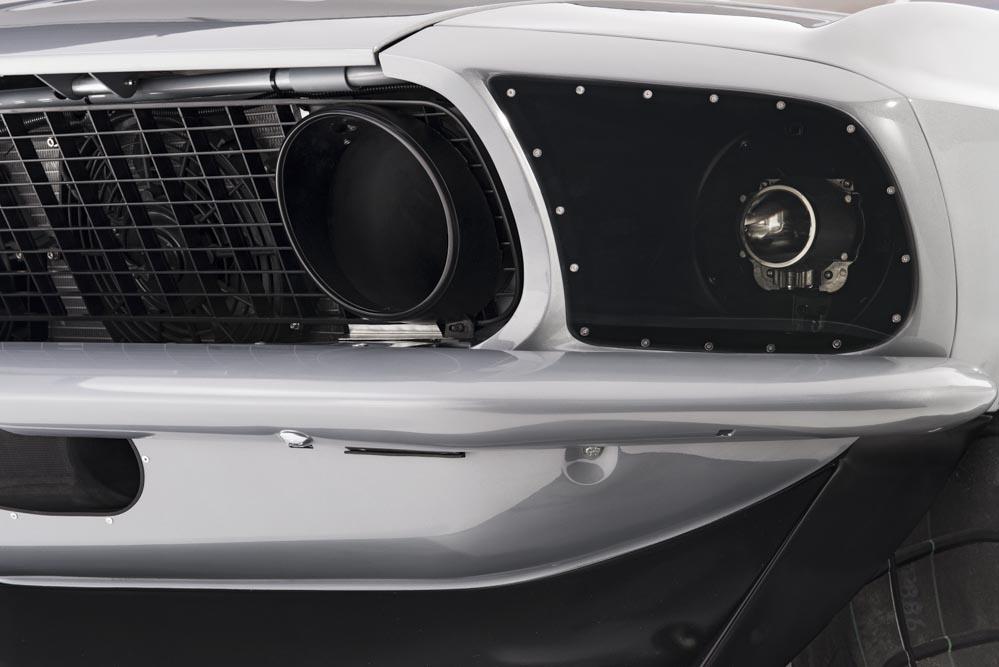
- Procast Headlight Buckets and Ram Air Scoops
-
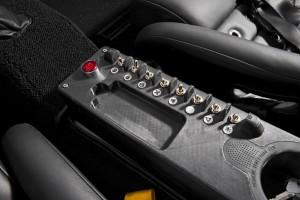
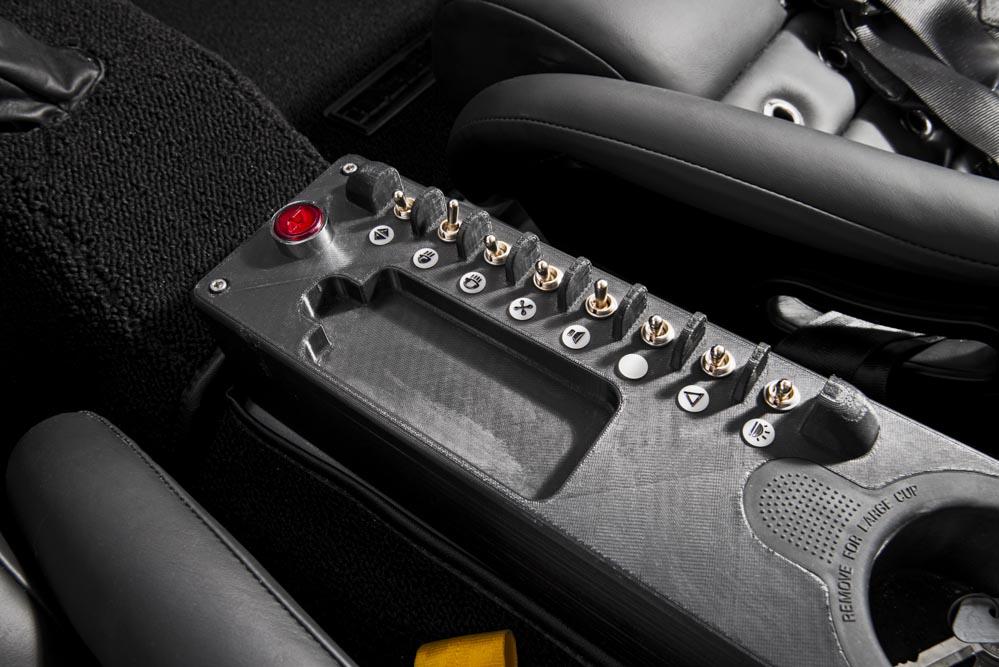
- 3D printed FDM center console
Subscribe to Our Email Newsletter
Stay up-to-date on all the latest news from the 3D printing industry and receive information and offers from third party vendors.
Print Services
Upload your 3D Models and get them printed quickly and efficiently.












You May Also Like
3D Printing News Briefs, August 20, 2026: Metal Powders, Patent Infringement, Scanners, & More
We’re starting with metal 3D printing business news in today’s 3D Printing News Briefs, as SBO is expanding its capacity in the US and the UK, and Continuum Powders is...
Achieving Customer Excellence in AM, Part I: Why AM Strategies Have to Change
Additive manufacturing suppliers have competed on technology for most of the past two decades. Laser count, build volume, build rate, and process monitoring defined the pitch, and for a long...
3D Printing Financials: Tekna Turns Profitable as AM Powder Demand Grows
Metal powder supplier Tekna (FRA: 8VB) reported stronger financial results in the second quarter, as growing aerospace and defense demand helped its Materials business and more additive manufacturing (AM) customers...
3D Printing Financials: Stratasys Sees Defense Growth, Record Consumables Sales in Q2
Stratasys (Nasdaq: SSYS) reported second-quarter results showing strong demand in aerospace and defense, record consumables sales, and further progress in its shift toward manufacturing. Overall sales were pretty much unchanged...