Autodesk Teams with Anaheim Ducks & Tinkercad to Allow Students to Design a Better Hockey Puck


 He shoots! He scores!!
Those words resonate in my head, and they bring back memories of my days growing up in the Philadelphia area, watching the city’s beloved NHL hockey team, the Flyers, play several times a week during the season. I’ve always been a huge hockey fan and to this day still follow the NHL.
One day recently, my nephew asked me a simple question: “Why is the hockey puck shaped the way it is?”
After fumbling around for answers, I came to the realization that I really didn’t know for sure. I simply answered with, “because it moves better on ice than a ball would.”
While this is probably true, I’m still not really all that sure why the hockey puck is shaped the way it is. Made of vulcanized rubber, these thick disc-like objects have been used in the game of ice hockey for well over two decades.
Could modern technology improve upon the simplicity of a hockey puck though? Recently Autodesk, Tinkercad, and the AHL’s Anaheim Ducks decided to take this question, pose it to students, and then use 3D printing to test the results.
“We recently teamed up with the Anaheim Ducks hockey team to create a step-by-step Tinkercad lesson to teach students about 3D printing and design,” Jennifer Gentrup, Public Relations Manager for Autodesk Consumer Group, tells 3DPrint.com. “The online curriculum takes the hockey team’s educational program to a new level and allows students to bring their creations to life.”
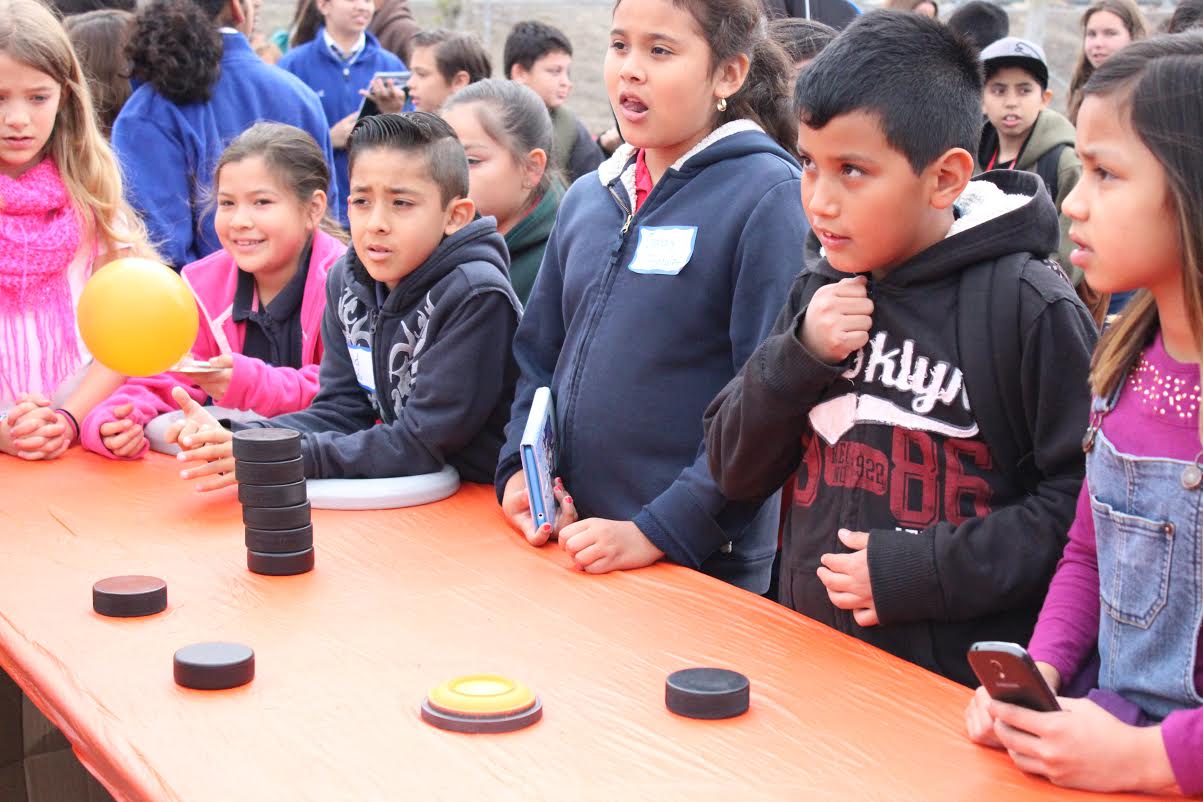
The challenge, called “Build a Better Puck,” asked students to create a 3D design for a hockey puck that would “perform” better than the NHL’s current design. They were permitted to modify the size, weight, materials, and shapes of the puck in doing so.
Autodesk has been known for their continual support of education in providing students, schools, and educators with free access to tools, content, and software they need in order to “unlock their creativity, cultivate a love for design, and prepare for successful careers in design.”
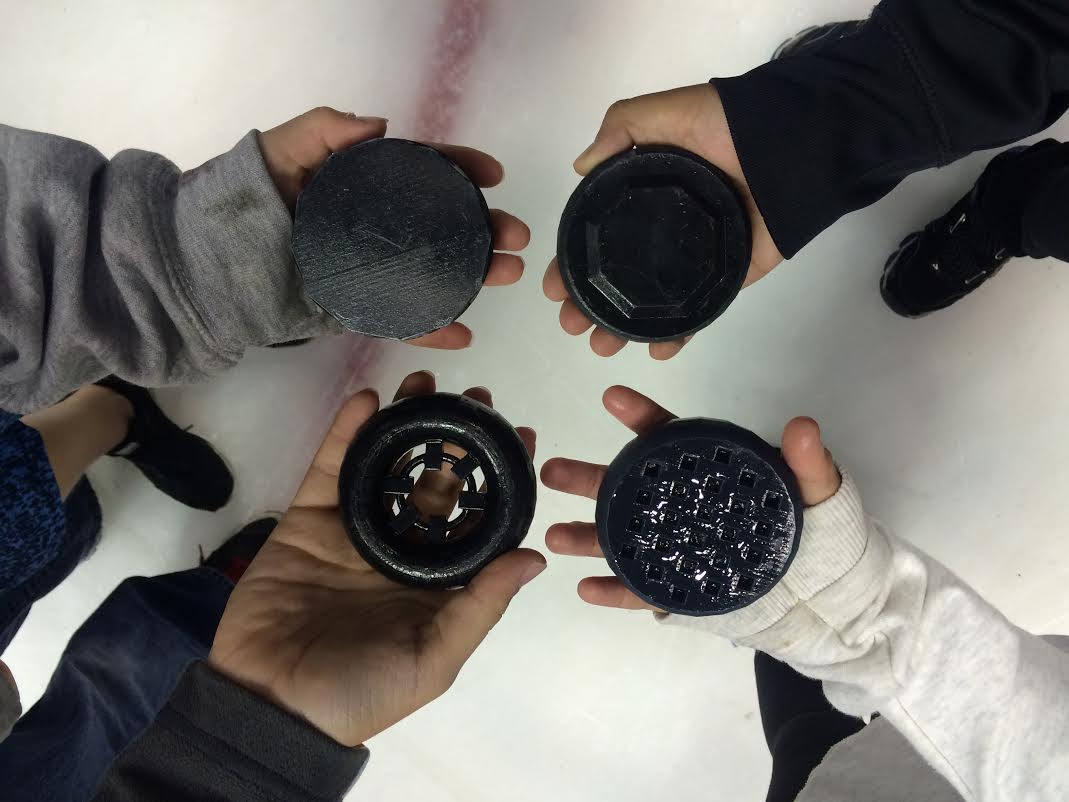
After all of the students had finished designing their hockey pucks, Autodesk selected the finalists. They then 3D printed the final designs at the Autodesk Workshop at Pier 9, before getting the actual Anaheim Ducks players to get in on the fun. The team formed a special “skills challenge” in which players took part in different puck handling and shooting competitions in order to determine the best puck design.
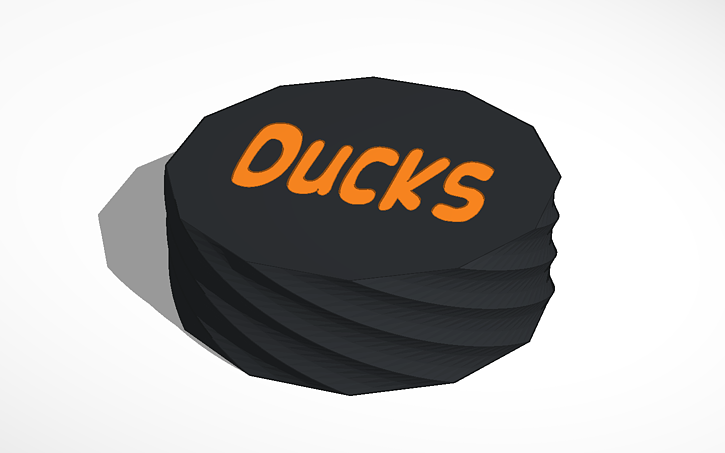
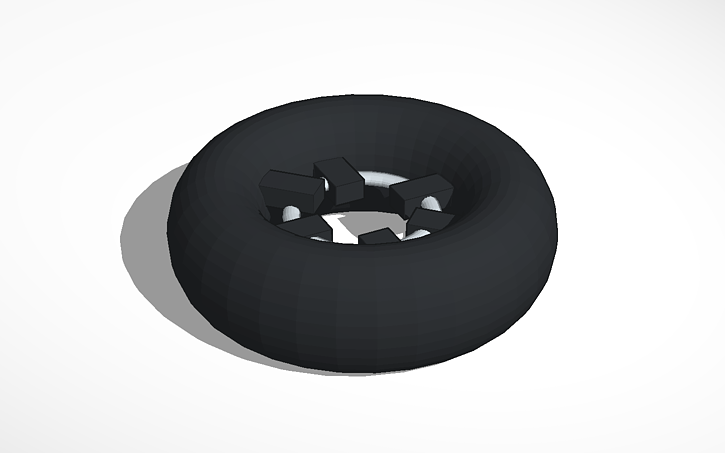
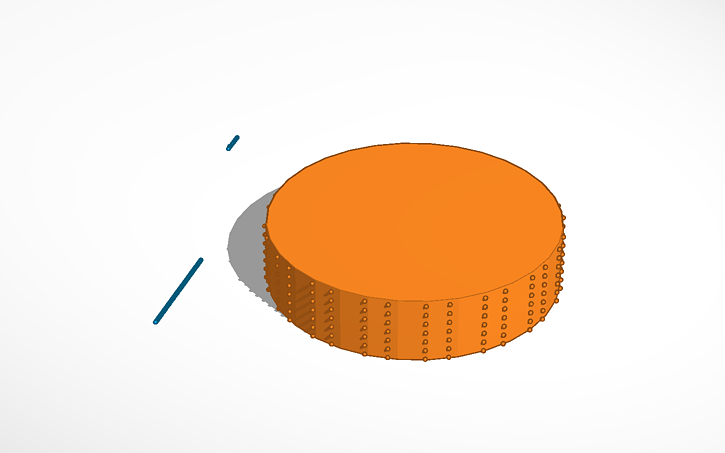
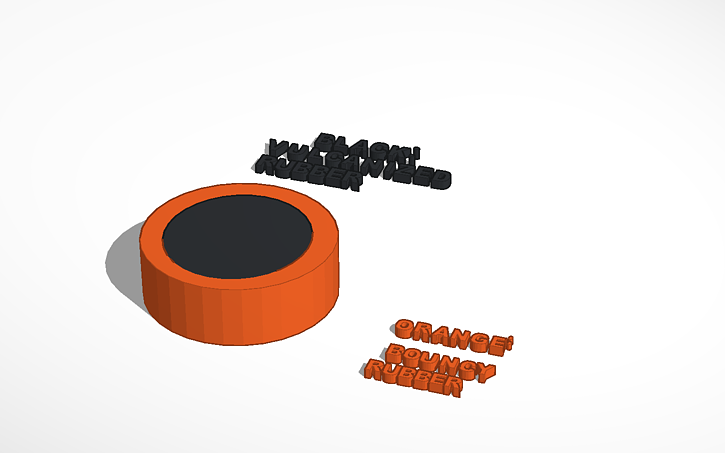
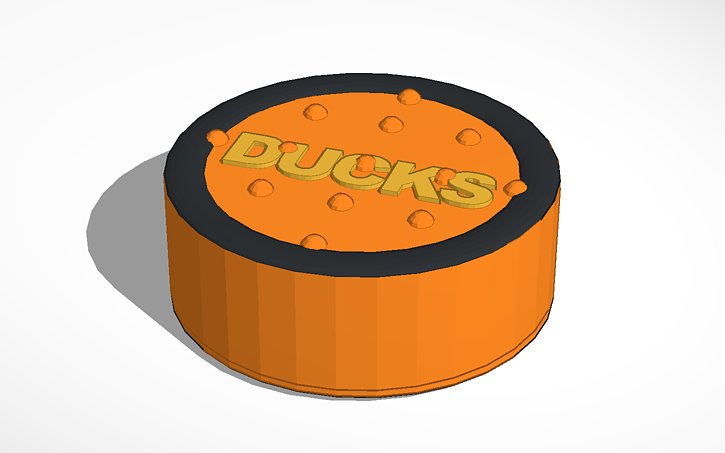
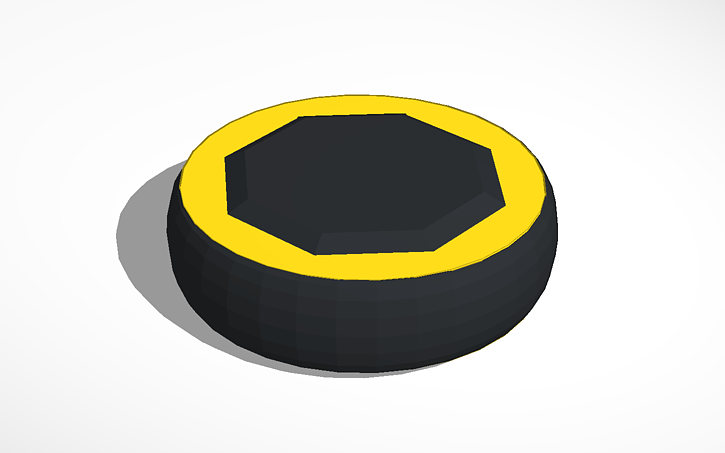
Below you can see some of the final puck designs.

What do you think about what Autodesk and Tinkercad are doing to help making learning about 3D design and 3D printing more fun for kids of all ages? Discuss in the Better Puck Challenge forum thread on 3DPB.com.
Subscribe to Our Email Newsletter
Stay up-to-date on all the latest news from the 3D printing industry and receive information and offers from third party vendors.
Print Services
Upload your 3D Models and get them printed quickly and efficiently.













You May Also Like
Metal 3D Printers for the Desktop Are Finally Starting to Feel Like Desktop Products
FDM 3D printing is becoming increasingly accessible, yet metal 3D printers designed for everyday desktop use remain rare on an ordinary workbench. The real challenge is not making a metal...
What 3D2GO Says About 3D Printing’s Growth in Southeast Asia
The Philippines offers an interesting case study in how 3D printing can develop in Southeast Asia, and Manila-based 3D2GO helps illustrate it. 3D printing in Southeast Asia doesn’t have to...
The Frankenservice Part 2: Have Your Cake and Eat it Too
This series of articles delves into a thought experiment. What if we let go of using a few machines very optimally, but instead use lots of different machines to meet...
Silencer Market Set to Test Metal Additive’s Readiness for Production Prime Time With Enormous Market Expansion
Throughout the history of additive manufacturing (AM) technologies, there are only a couple of really interesting case studies in which we see a market significantly disrupted and revolutionized by AM....