3D Printing Financials: New Money Flows Into Medical, Industrial and AI 3D

Money continued to move into 3D printing in the second half of August. Hike Medical raised $22.5 million as it grows its 3D printed custom medical device business. Swiss additive manufacturing (AM) company Exentis announced two deals covering 23 production systems worth a combined CHF 33 million ($40.8 million). AI 3D company Math Magic has raised nearly $50 million across two rounds in six months. Meanwhile, PyroGenesis picked up several new orders for its titanium powder, including repeat business from a U.S. research customer.
$22.5M for a 600-Printer Farm
Hike Medical has raised $22.5 million in seed and Series A funding as it expands its medical device business. The financing was led by Max Altman at Saga Ventures. Indicator Ventures, Fifth Down Capital and RiverPark Ventures also participated. Orthofeet joined as a strategic investor and commercial partner, along with several angel investors.
The San Francisco-based company started with custom foot orthotics, using 3D printing to make devices for individual patients. A patient’s feet are digitally scanned, and that data is used to make a custom device at Hike’s SoleForge facility in Peoria, Illinois. That facility has grown into what Hike calls the largest orthotics 3D printing farm in the U.S., with hundreds of printers running around the clock.
-
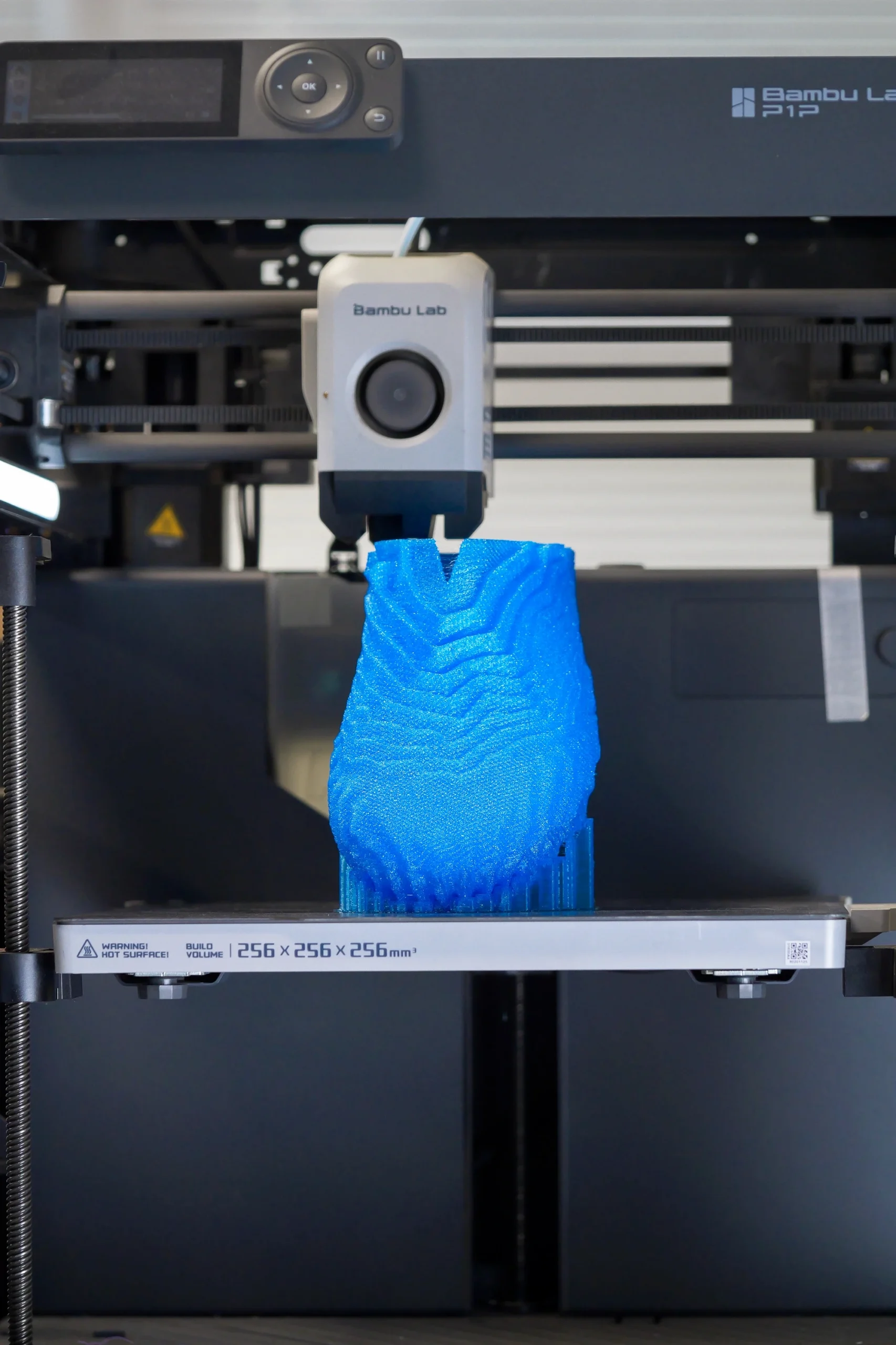
- 3D printed footwear. Image courtesy of Hike Medical.
-
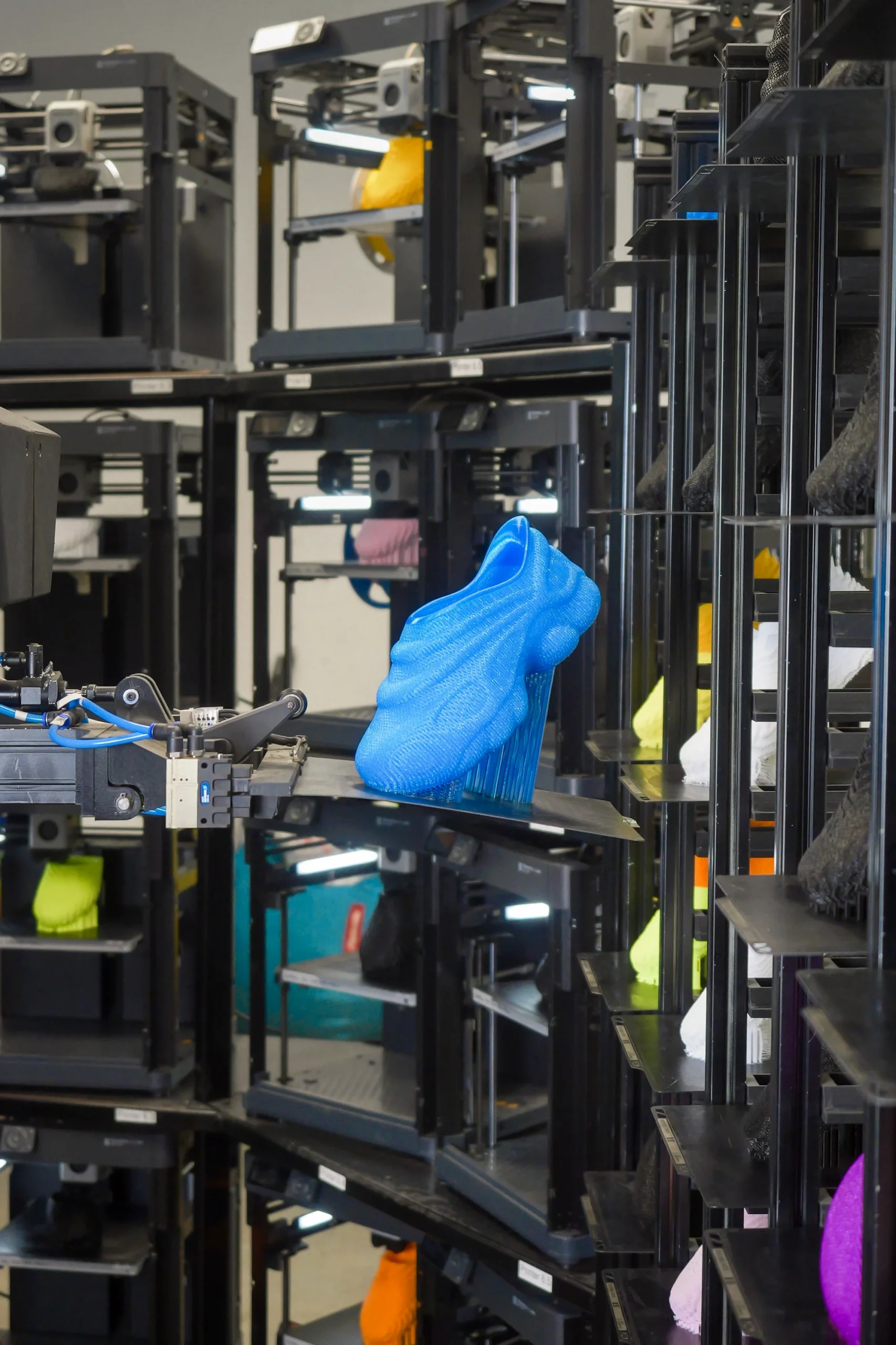
- 3D printed footwear. Image courtesy of Hike Medical.
Production times have also dropped from weeks to days, according to Hike, while remake rates have fallen from about one in 15 devices to one in 400, the company reported.
But Hike wants to go beyond custom insoles. The company also has software for clinicians and AI tools that help with insurance paperwork and other administrative tasks. The idea is to handle more of the process, from a patient’s referral to the delivery of the finished device.
The new funding will help Hike expand into other areas of orthotics, prosthetics, and medical equipment. The company also plans to hire more people in engineering, sales, and manufacturing.
15 Machines, CHF 22M
Exentis has landed two major equipment deals in Asia within days. The Swiss company first announced that a new Asian customer had signed a framework agreement covering 15 Exentis production systems valued at about CHF 22 million ($27.2 million). The customer plans to use the systems for high-volume production of consumer electronics components.
Exentis has now announced a second framework agreement with another new Asian customer. This deal covers eight production systems worth about CHF 11 million ($13.6 million). These machines will also be used for mass production of consumer electronics components. Together, the two agreements cover 23 production systems worth about CHF 33 million.
Exentis has developed what it calls Additive Screen Printing. The process builds parts by depositing material through screens in layers and is designed for high-volume industrial production. The company also has a broader business model around the machines. It sells production systems, services, and materials and offers technology licenses.
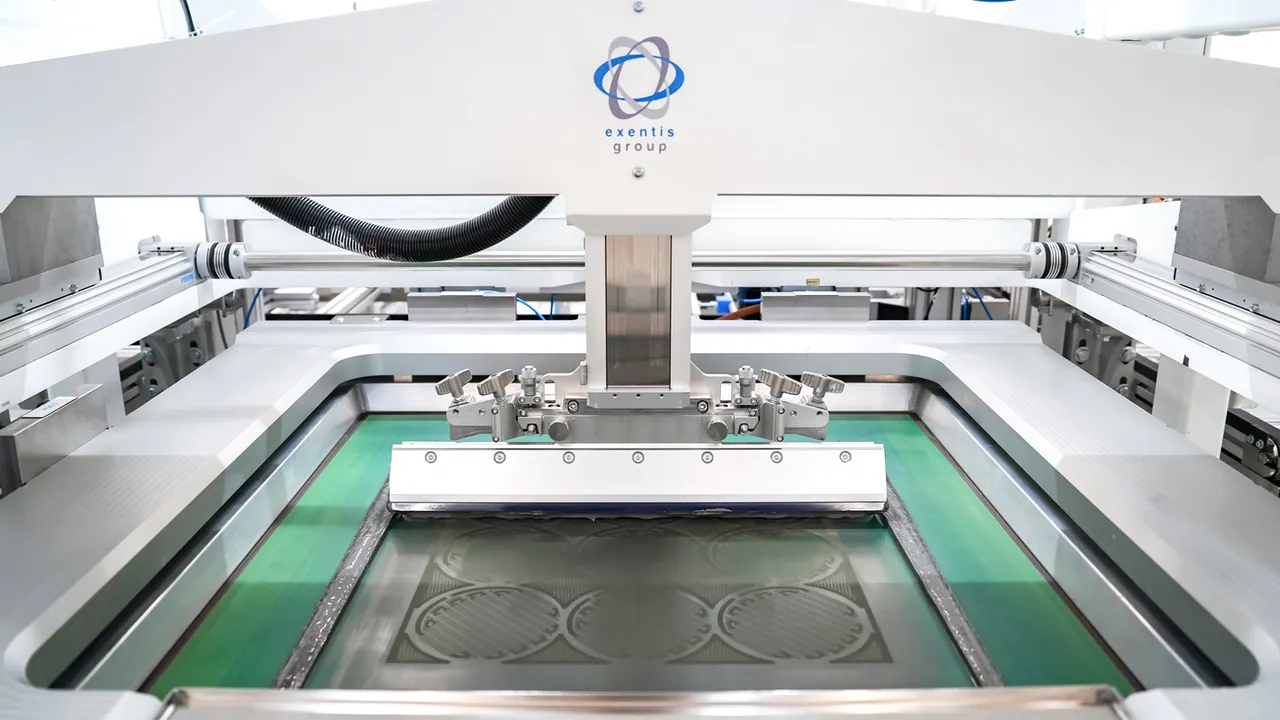
Additive screen printing in action. Image courtesy of Exentis.
Nearly $50M Behind Math Magic’s 3D AI
Another large amount of capital is moving into a much newer part of the 3D market. Beijing-based Math Magic announced it had closed a Series A+ round. The company did not disclose the size of that round itself but said it has raised “nearly $50 million” across two funding rounds over the past six months.
Both rounds were led by BAI Capital and HyT Capital. V Fund participated alongside existing investors including HSG, IDG Capital, Long-Z Investments, Crystal Stream and Jinqiu Capital.
Math Magic is primarily an AI 3D company, so its connection to AM is not as direct as Hike or Exentis. But its Hi3D platform turns images and other inputs into digital 3D models. What’s more, Math Magic is also trying to connect those digital models with physical manufacturing.

A 3D model generated with Hi3D V3.0, showing detailed geometry and surface features. Image courtesy of Hi3D.
Its Builda platform takes the idea a step further by turning AI-generated 3D designs into real products. For example, a user can upload a photo, have AI turn it into a 3D figurine, and order the finished figurine for delivery.
The new capital will go toward Math Magic’s AI 3D technology and product development. What’s quite interesting for the 3D printing industry is that the company also says it will invest in the production and delivery operations behind its “generation-to-delivery” model.

Hi3D V3.0 can generate complex 3D assets with detailed geometry and textures. Image courtesy of Hi3D.
Titanium Powder Orders Start Adding Up
PyroGenesis also picked up several new orders for its titanium powder in late August. The Montreal-based company produces Ti64 powder using its NexGen plasma atomization process.
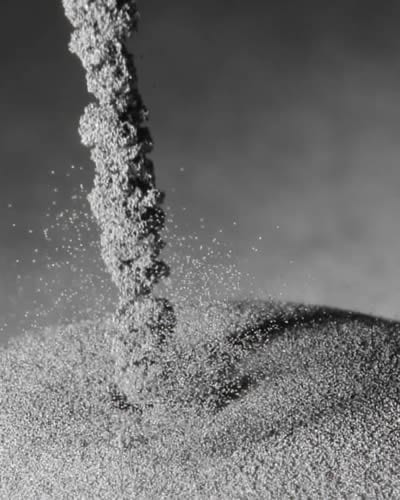
Plasma atomization process for metal 3D printing powder. Image courtesy of PyroGenesis.
On August 20, PyroGenesis announced an order from a large U.S. applied research facility supported by the Department of Defense and NASA. The powder will be used with electron beam melting (EBM) for research into critical materials. Six days later, the same customer placed a second order. The company said the customer has indicated that more orders could follow.
PyroGenesis also announced a separate order on August 24 from an unnamed U.S. AM equipment maker. That customer had previously tested the company’s powder samples and is now buying coarse Ti64 powder for directed energy deposition (DED).
The company did not disclose the value or size of these orders, so it is too early to know how much they will contribute to its AM business. Still, the repeat order and the move from sample testing to a commercial purchase give PyroGenesis something important to watch: customers are starting to come back for more powder.
Subscribe to Our Email Newsletter
Stay up-to-date on all the latest news from the 3D printing industry and receive information and offers from third party vendors.
Print Services
Upload your 3D Models and get them printed quickly and efficiently.













You May Also Like
3D Printing News Briefs, October 10, 2026: Drones, WAAM, Ceramics, & More
We have a packed 3D Printing News Briefs for you this weekend! First, America Makes celebrated the recent National Manufacturing Day with 3D printed drones, and then it’s on to...
10 Years of Multi Jet Fusion: Onsite at HP’s Vancouver, Washington Facility
At this year’s RAPID event in Boston, HP Additive Manufacturing Solutions celebrated ten years in the additive manufacturing (AM) market. The company ushered in the milestone with several innovations, including...
PharmaTher Plans U.S. Network to 3D Print Medicines on Demand
3D printing medicines has often been tied to the idea of personalization, basically making a pill in the right dose, shape, or drug combination for a patient. PharmaTher is now...
3D Printing News Briefs, September 17, 2026: 3D Printed Boat, UAS Development, & More
We’ll start with maritime manufacturing in this week’s 3D Printing News Briefs, and continue on to defense 3D printing. We’ll end with funding for Tripo AI. Read on for all...