Conflux Partnering with Airbus for ZEROe Heat Exchangers

Conflux Technology has collaborated with Airbus on its ZEROe project, which is Airbus’ attempt to build a hydrogen-powered commercial aircraft. Apart from being the best thing ever to happen to fossil fuel companies, this ambitious vision aims to create a viable hydrogen fuel cell for powering a commercial airliner. These tanks will have to store hydrogen at -253° while also reducing CO2 and NOx emissions, working with a new electric motor, and be propellor-driven. This is a tall order, and other than giving Boeing a chance to catch up, it serves little purpose currently. But, it may well be viable if no one ever works on any other battery technology than hydrogen. Thankfully of course, no one at all is working on better batteries, so full steam ahead for hydrogen! Remember kids, it’s called green hydrogen because of the color of the money, not because it’s green.
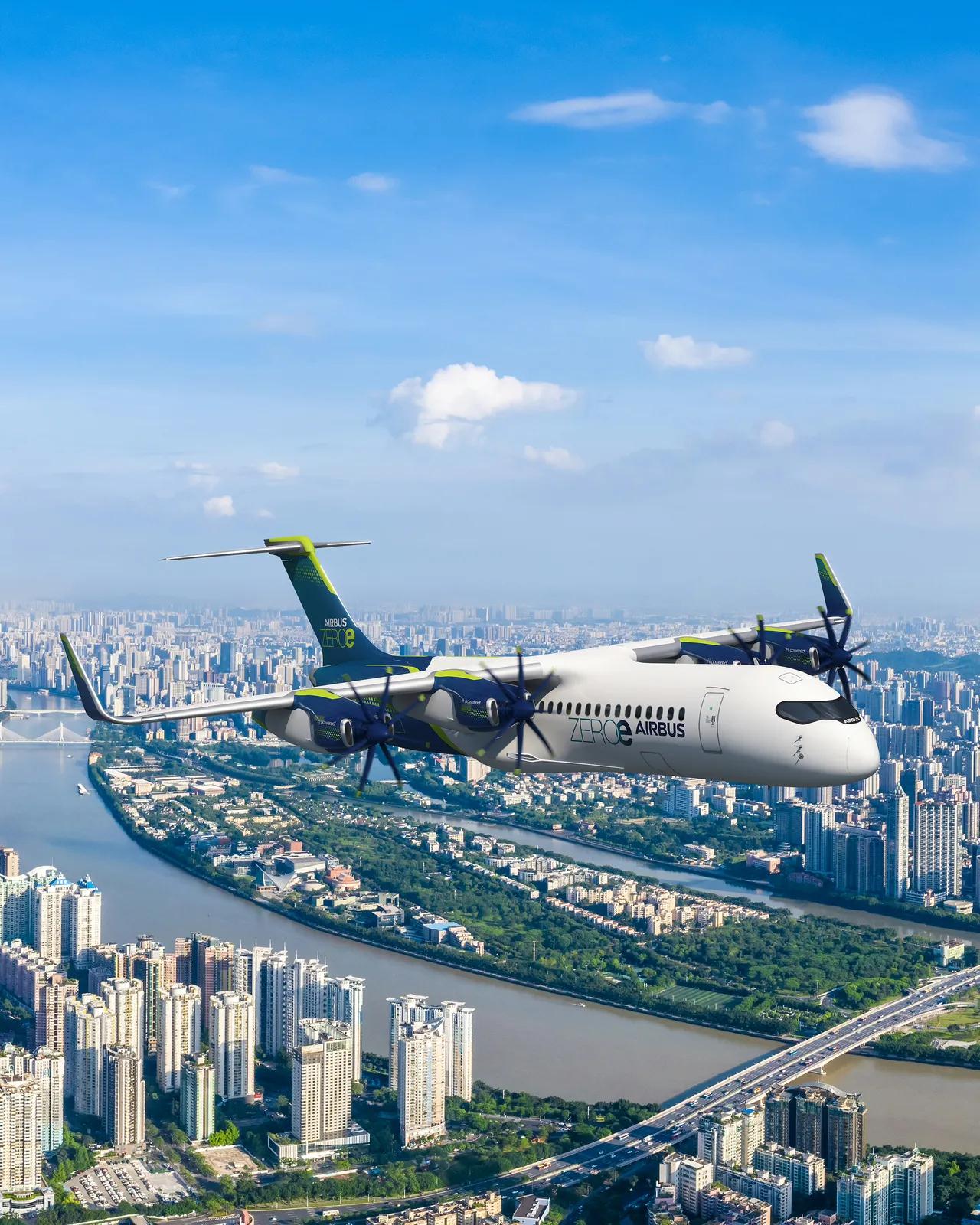
Airbus is currently evaluating Conflux’s 3D printed heat exchanger within the over 1 megawatt fuel cell assembly.
Conflux Technology CEO Michael Fuller said,
“Our work with Airbus marks a significant step forward in the application of additive manufacturing to sustainable aviation. Thermal management is a core enabler for hydrogen propulsion, and our expertise is helping to advance this technology from lab to flight.”
Yes, this is a supremely ambitious and technically difficult project. Airbus is trying to make actual aircraft, however. In May, we reported that project OVERLEAF had accomplished the 3D printing of a cryogenic tank for a hydrogen fuel-powered aircraft. That consortium also had to overcome immense challenges with heat and cooling. Conflux also worked on Australia’s AMSL Aeros hydrogen powered VTOL electric aircraft, meant to able to fly up to 1,000 kilometers.
A lot of money has been invested in new aircraft manufacturing firms. An extended boom time has seen interest wax in the sonic boom, VTOL aircraft, personal aviation, and many completely new craft of all types. A lot of this money was SPAC money and will have been ill spent. But, some of it could help usher in a new energy revolution. New ways of flying and storing energy could profoundly affect the planet. Of course we currently do have SAF, Sustainable Aviation Fuel, which lowers emissions by 80%. This fuel can be used by carriers in their current aircraft without modification. SAF is only being used for around 1% of all fuel consumption in aircraft however, despite being pushed by the EU. The EU is trying to set a minimum 2% limit in 2025 and hopes that this will increase to 70% in 2050. SAF is 300% more expensive than kerosine jet fuel and will stay that way if airlines don’t invest. Careening from bankruptcy to bail out airlines are probably the worst investments made by society and the stock market. Governments could do more the next time they all huddle into the bankruptcy courts.
SAF could therefore be a solution to a lot of aviation’s emissions with much lower costs. Switching to a hydrogen system replete with storage at hundreds of airports, piping all over the place, and pumping it up from the ground, will be one of the most expensive investments humanity has ever made. Potentially local and made in Europe, hydrogen can be appealing, but we should probably do a bit more math before we all leap ahead into an unknown future.
Subscribe to Our Email Newsletter
Stay up-to-date on all the latest news from the 3D printing industry and receive information and offers from third party vendors.
Print Services
Upload your 3D Models and get them printed quickly and efficiently.













You May Also Like
How Should Businesses Build New Business? Dirk Simon Weighs In — Part 1
Dirk Simon had deep experience in materials and chemistry before joining the 3D printing industry. Instrumental in BASF and Farsoon’s market introduction, Dirk has spent a lot of time thinking...
The Frankenservice Part 2: Have Your Cake and Eat it Too
This series of articles delves into a thought experiment. What if we let go of using a few machines very optimally, but instead use lots of different machines to meet...
The Additive Chicken Coop, Part IV: Lemmings
If we look at our past, we can see how making custom machines, incessantly watching ourselves, and our inability to rescope shaped our industry. We have also looked at the...
The Additive Chicken Coop, Part III: Bananas
A friend of mine, Ed Davis, once pointed out the level of strategic replication in additive. I wasn’t aware of it before and haven’t been able to unsee it since....