UAS Additive Strategies 2026
AMS X

Foundry Lab Direct Offers On-demand Casting


Formnext
IMTS

Share this Article

New Zealand microwave foundry company Foundry Lab has announced Foundry Lab Direct, an on-demand casting service. The company aims to deliver cast parts directly to customers, targeting short-run production, prototyping, lead time reduction, and supply chain challenges as key drivers for adoption. Foundry Lab hopes users will bypass 3D printing as an intermediate step and go straight to casting with their technology. The company has already secured clients such as Eaton and the U.S. Army.
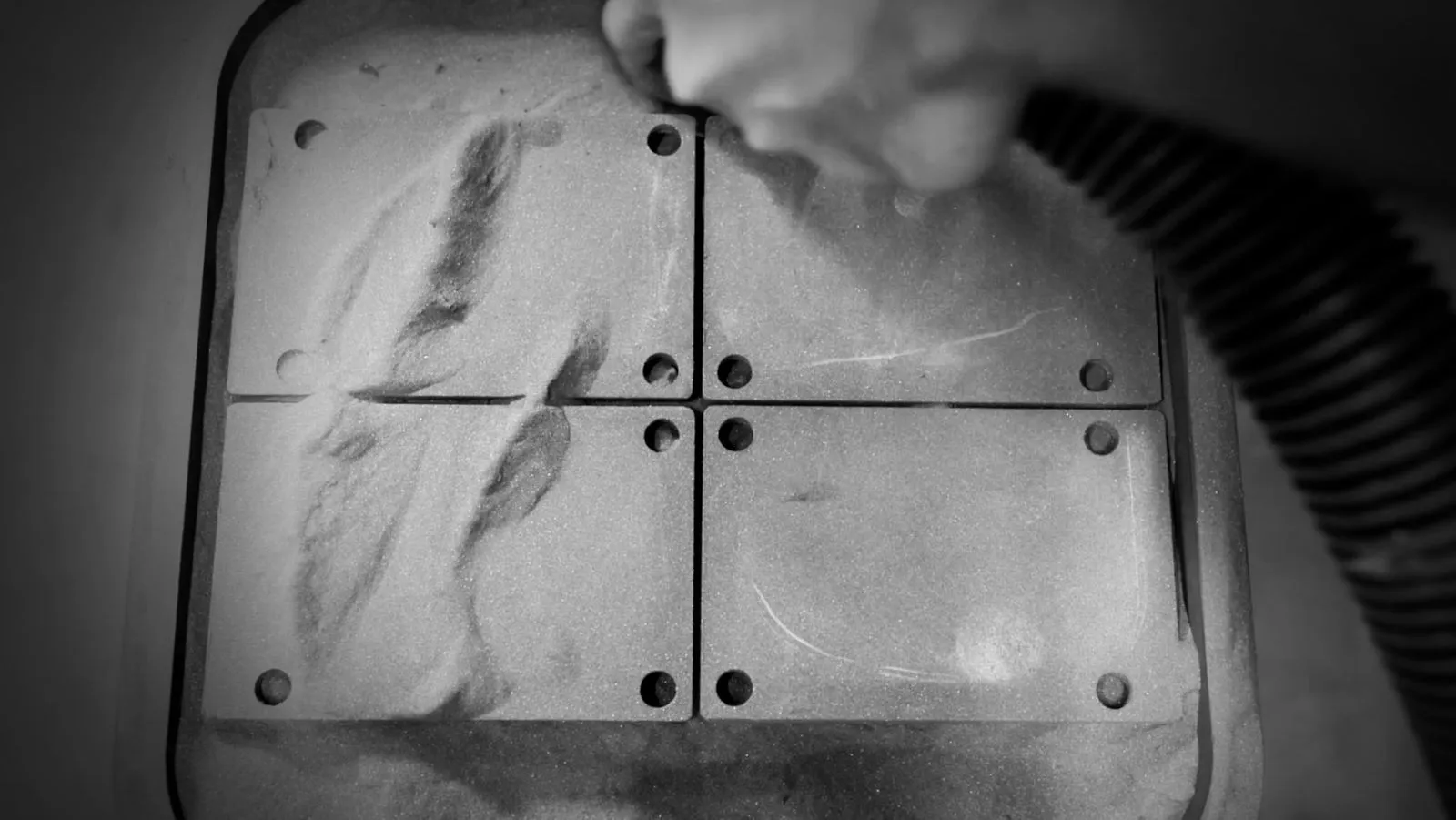
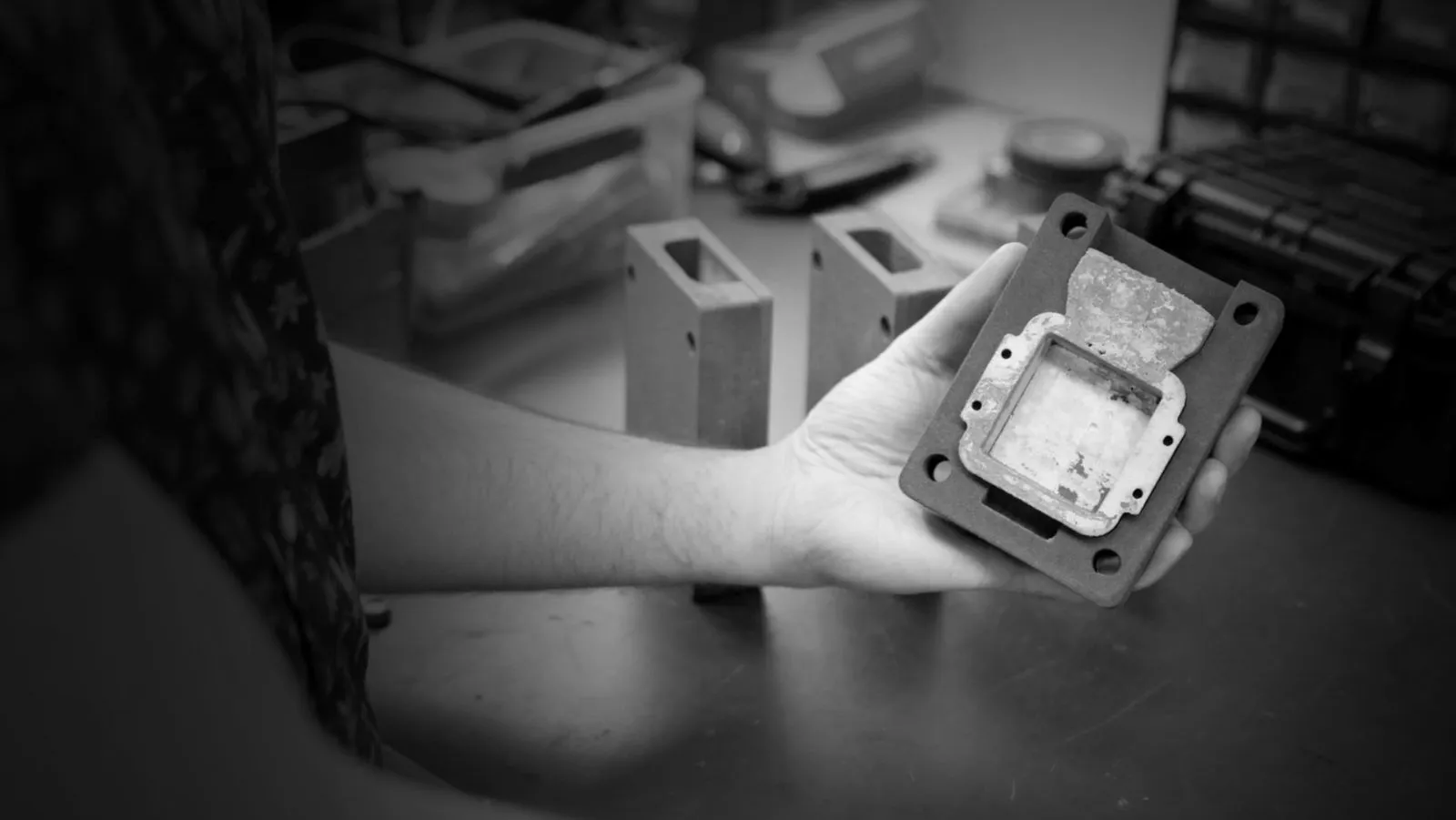
Foundry Lab uses binder jetting to create mold parts from ceramic powders. The molds are then baked in a furnace to harden before being combined with a metal slug and subjected to another furnace cycle for casting. Foundry Lab is the result of nearly a decade of refining the process of putting metal into a microwave.
The New Zealand-based company has raised $12 million and has an office in California. In manufacturing, it sits at the intersection of several significant trends. Foundry Lab can help companies reduce lead times in response to supply chain disruptions and support bridge manufacturing. These challenges are amplified by rising global competition and an increasing number of product variants that have shorter market lifespans than their predecessors. For example, Volkswagen once offered only a few models but now sells 26 different cars worldwide, each updated every two years, with customization options making every vehicle potentially unique. Foundry Lab also stands to benefit from growing awareness of the fragility of global supply chains. At the same time, CNC and foundry services are disappearing in the West just as they become increasingly critical to defense efforts.
On the downside, many companies are wary of microwaves outside the kitchen, and industrial microwave technology remains relatively uncommon. This unfamiliarity is Foundry Lab’s biggest challenge. Its first customers, the New Jersey Innovation Institute (NJII) and Eaton, are organizations that recognize the challenges facing CNC machining, understand the need for accelerated manufacturing options, or require specialized parts that are otherwise difficult to produce.
I’ve advocated for 3D printing OEMs to adopt service models for years. A service provides a lightweight, quick, and easy way for customers to try out a product. The lack of service options in binder jetting, directed energy deposition, and electron beam manufacturing has contributed to these technologies being underrepresented for a long time. For corporate professionals, a $1 million investment that fails could be a career-ending decision, whereas a small order—framed as an experiment—might still attract attention even if it doesn’t succeed. By reducing risk and complexity, service models accelerate the adoption of 3D printing and help companies move toward major investment decisions more quickly. Additionally, the industry has long focused on companies capable of purchasing multiple machines and making substantial investments, but most businesses don’t fit that profile.
Specific to your technology, a firm could use it daily or rely on it for critical parts without producing enough volume to justify investing in a machine. Many asset-light companies prefer to act as the connective tissue in a solution rather than handle manufacturing or own extensive equipment. Service offerings help address these needs.

With risk becoming more widely dispersed and China’s economic challenges affecting global markets, companies are increasingly hesitant to make CapEx commitments. While bold moves can yield significant rewards in uncertain times, most businesses—like people—tend to be cautious. As a result, renting machines or utilizing services may be the only viable option for many firms.

I see this as an excellent move by Foundry Lab. It should accelerate its growth and attract customers who might never have considered purchasing a machine.


Share this Article


Recent News

SpaceX IPO Puts a Major 3D Printing Powerhouse on Wall Street

The Seminal Moment: Creality’s IPO Analysis & Possible Effects


Categories

3D Design

3D Printed Art

3D Printed Food

3D Printed Guns


You May Also Like

AM Asia Watch: China Exported 2.46 Million 3D Printers in Four Months

China’s consumer 3D printer industry seems to be reaching a new level of global dominance. According to Chinese state media outlet China Global Television Network (CGTN), China exported 2.46 million...

As Longevity Gains Momentum, Rem3dy Health Raises £14 Million for 3D Printed Nutrition

Longevity hack or healthcare trend? The answer may depend on who you ask, but investor interest in personalized nutrition is growing as consumers search for the next longevity hack. Now,...

Creality’s Listing: A Sign That China’s Consumer 3D Printing Has Entered a New Phase of Global Competition

Just days ago, the bell rang at the Hong Kong Stock Exchange (HKEX) for Creality. The company opened at HK$33.80 per share, up from the IPO price of HK$18.8, giving...

AMPulse Asia: Creality IPO Headlines APAC 3D Printing Market Roundup

Asia’s additive manufacturing sector spent the back half of May moving capital and capacity, not just demos. Chinese desktop and consumer printer makers pushed onto public markets, metal powder producers...