GaeaStar and Verve Coffee Roasters Start Pilot Production of Sustainable 3D Printed Coffee Cups


Following a 2022 debut in Germany, GaeaStar, a startup based in San Francisco and Berlin, has begun US pilot production of its sustainable, disposable clay cups and bowls made with additive manufacturing (AM). In a partnership first teased last year, GaeaStar is collaborating with California-based coffee chain Verve Coffee Roasters to offer customers the option of purchasing 12-ounce beverages in GaeaStar cups.
GaeaStar announced that it would incorporate Verve into its US pilot production phase a year ago alongside the announcement of its $6.5 million seed round. Now, the company has announced that, for $2 extra, Verve customers at locations in Paulo Alto, Santa Cruz, and Los Angeles can get their 12-ounce drinks in 3D printed clay cups, with customers receiving a discount for reusing the cups on future purchases.
The main premise behind GaeaStar’s business model is that only 1 percent of the 500 billion single-use coffee cups every year ultimately get recycled, meaning that a sustainably disposable alternative may be the only viable long-term way to address that waste issue. GaeaStar’s product design was inspired by kuhlars, disposable clay vessels that are estimated to have been in use for over 5,000 years in South Asia.
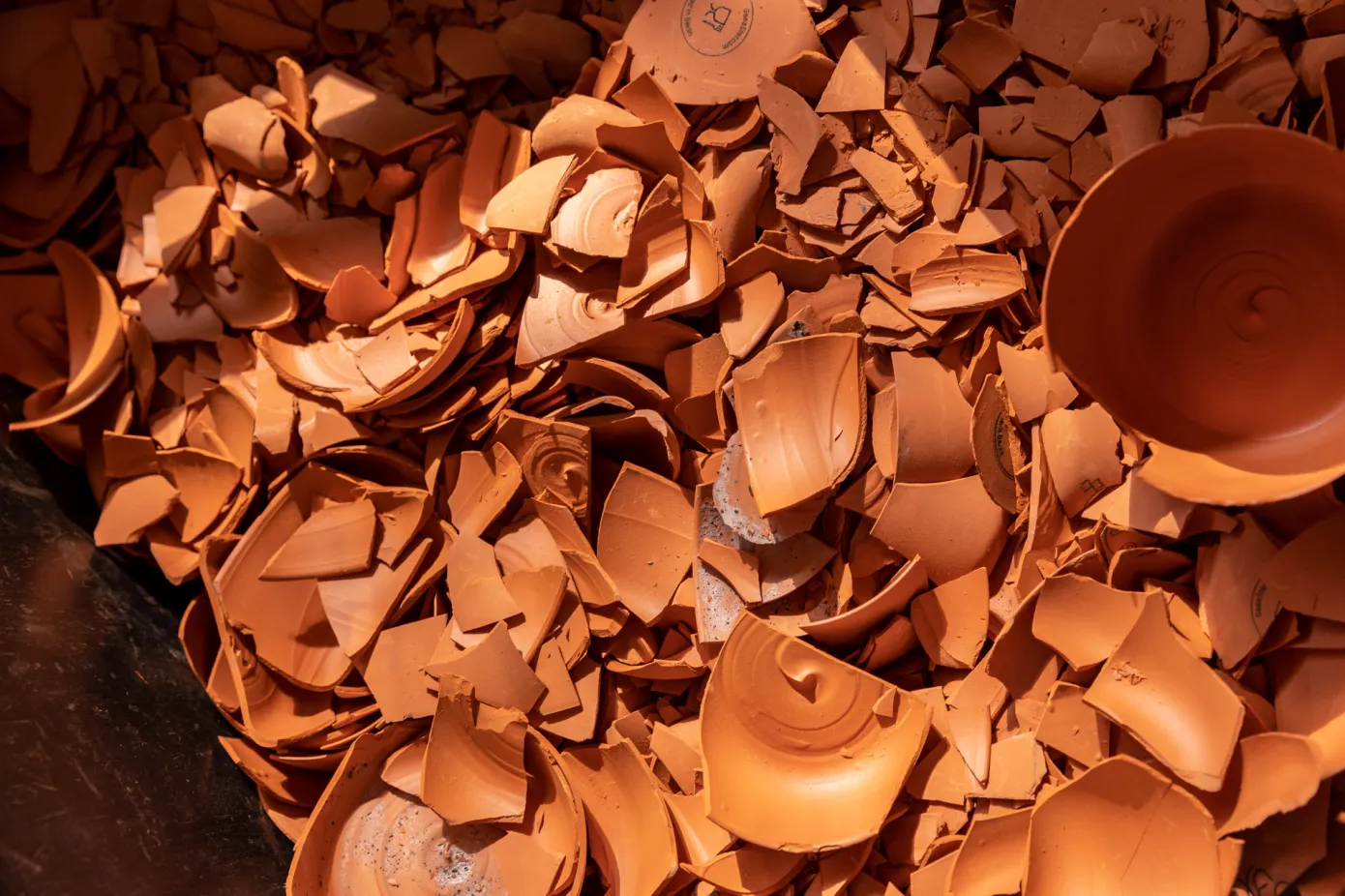
In a press release about GaeaStar’s rollout of its US pilot phase in California, the founder and CEO of GaeaStar, Sanjeev Mankotia, said, “As we progress into pilot production with Verve Coffee Roasters, we’re not just sharing a product, but an ethos of sustainability and innovation that enhances the coffee experience. …We’re introducing a new standard for plastic alternatives that don’t sacrifice design, function or beauty. While we’re proud that GaeaStar cups are more sustainable, we’re confident that Verve customers will choose our product because they enjoy the experience.”
Colby Barr, CEO and co-founder of Verve Coffee Roasters, said, “Our partnership with GaeaStar has the potential to transform the future of go-to coffee. We know it’s not always convenient for customers to bring their own cup, so this is the perfect solution, enabling elevated in-cafe experiences with the convenience of to-go, and without the guilt of takeaway packaging.”

There’s much to like about GaeaStar’s vision behind its product. In general, deploying AM for sustainable packaging solutions is a highly promising approach for gradually decreasing supply chain wastefulness over the long-term. The big differentiator with GaeaStar is precisely what the company’s CEO noted about enhancing the customer experience. High-end coffee is already a luxury purchase that customers seek out for the experience, suggesting that the relevant consumer market likely won’t be too put off by the slightly higher price tag, especially with the discount on future purchases for reuse.
Above all, though, the most intriguing aspect of GaeaStar may be how quickly the company has gone from concept to pilot production, highlighting the potential for 3D printing to change the very nature of how new businesses can emerge. This is particularly important concerning the precise context within which GaeaStar is demonstrating that potential: it obviously won’t be the only factor involved, but emissions targets likely won’t be reachable without this kind of thinking filtering into every facet of the consumer-facing economy.
Images courtesy of GaeaStar
Subscribe to Our Email Newsletter
Stay up-to-date on all the latest news from the 3D printing industry and receive information and offers from third party vendors.
Print Services
Upload your 3D Models and get them printed quickly and efficiently.













You May Also Like
$51 Million Revenue VMP Wants to Become a Leading Additive Manufacturing Metal Powder Producer
Chinese powder producers have traditionally had little impact on the additive manufacturing market. Typically, they offer low-cost powders without much in the way of settings or application support. But China’s...
SprintRay Releases Midas Restore
SprintRay‘s new U.S. Food and Drug Administration (FDA)-cleared Midas Restore is a material for restorative dentistry. The ceramic-doped resin is meant for definitive inlays, crowns, and veneers. The resin has...
Alibaba Selling Fiber Optic Military Drones for $200
Ukraine was saved by Turkish-made Baykar Bayraktar drones and many brave soldiers in the first stages of the conflict. Then hobbyists and their DJI Mavics showed how drones could be spotters...
The Formlabs Shuffle
For the latest development on 8/31/26, please see an update at the end of this article. Formlabs is doing a management shuffle, pointing the firm even more surely towards an...