ChefDoodler Reinvents 3Doodler to 3D Print Sugar

As an evolution of its original 3Doodler 3D printing pen, launched via Kickstarter in 2013, Wobble Works has just launched its latest product, the ChefDoodler, a pen that uses sugar to make all kinds of creations. The ChefDoodler was developed by my 3DPOD co-host, Max Bogue. I’ve already bought two, so I’m more than biased in this case.
With a price tag of $79, the ChefDoodler extrudes sugar to make intricate sugar structures in several different colors. You can use it to write names on muffins, make candy, and decorate all manner of food. The idea for the sugar pen was conceived in 2013 while the first prototype pen was first developed in 2016 and the team have been developing it ever since. At the time of writing, Wobble Works’ Kickstarter is on track to raise €46,693 to launch the project, having racked up €41,500 so far.
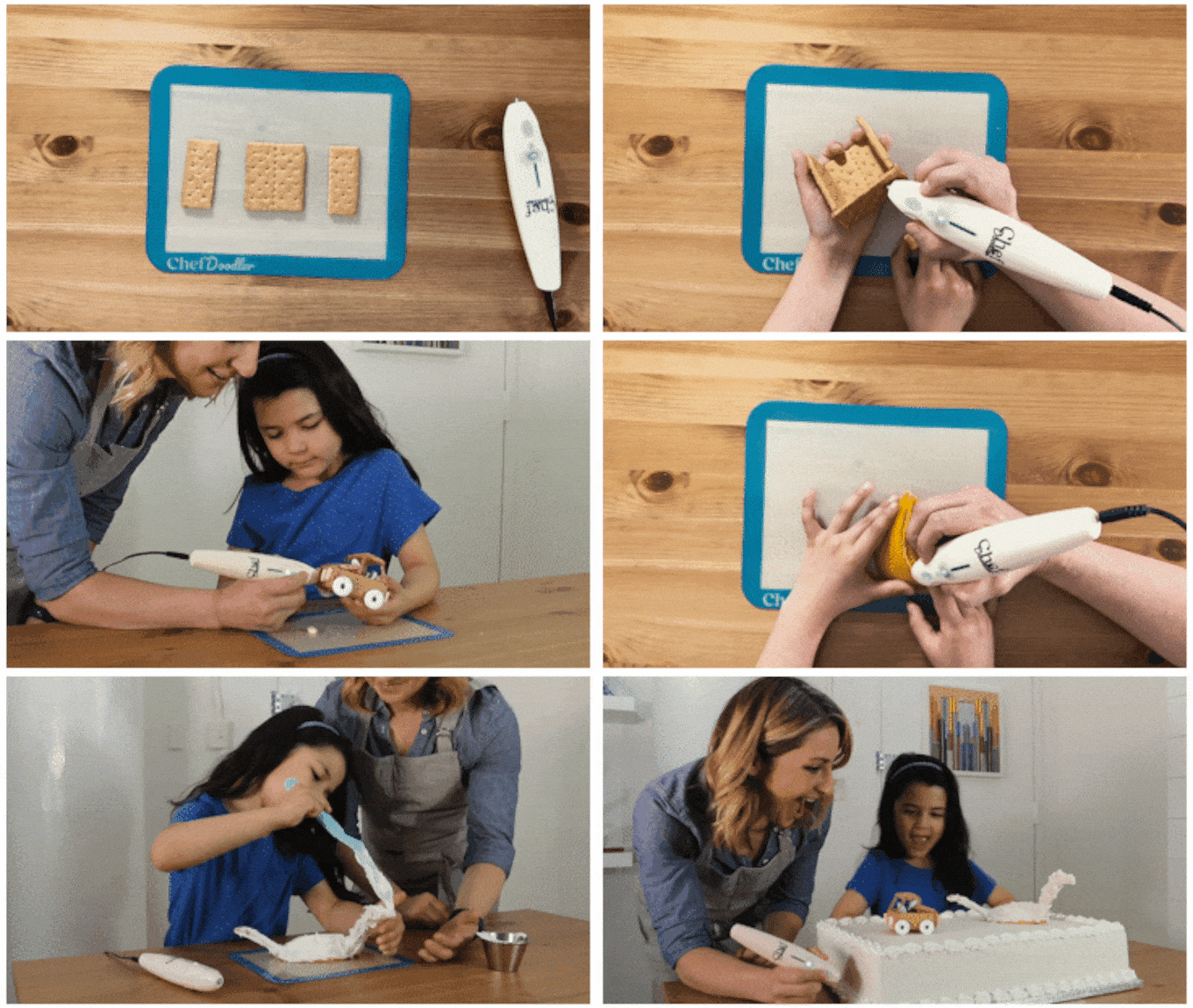
The team thinks that people will use it to glue certain baked goods together, as well as decorate atop baked goods and make standalone items that can later be used to decorate something. One could also use it with stencils, using the see-through silicone mat. This makes it possible to copy images below the mat to obtain specific designs. The pen has a fast mode for larger elements and infill geometry, and a slow mode for more detailed drawing in sugar. I really like the idea of using the pen to make composite cookies from different types of cookies connected via 3D printed sugar.
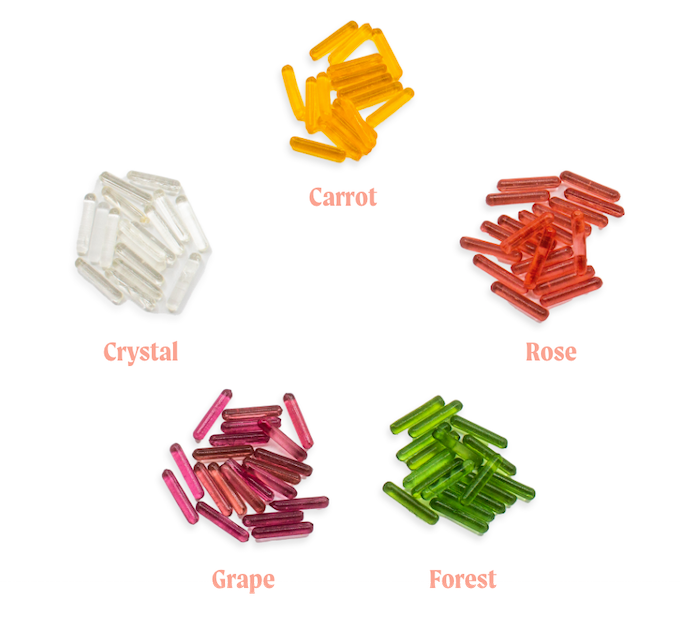
The pen features interchangeable nozzles and a cleaning brush to make washing the tips easy. You can load the pen with up to five different, isomalt sugar capsules in a single pen. These could be different colors for mixing hues in the same creation by switching between cartridges on the pen. Current, naturally-derived colors are carrot, rose, forest, grape and crystal. If you wish to refill your Isomalt capsules, they will cost $14.99 for 200 grammes.
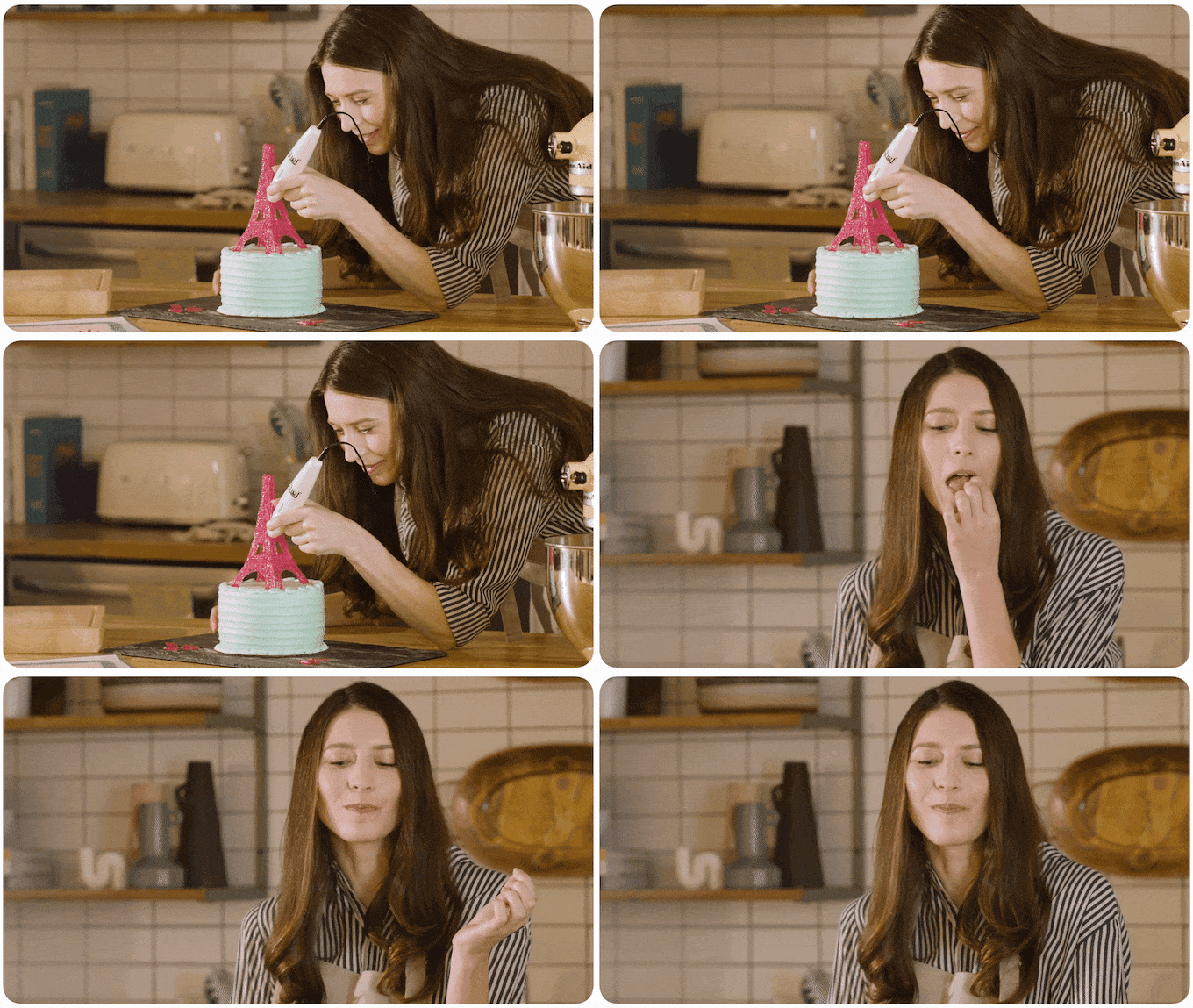
Over three million 3Doodler pens have been sold so far, making the small handheld device a resounding success. Will the ChefDoodler do as well? On the one hand, the application area is much more limited for the sugar pen. While the polymer pen can be used for 3D printing part repair and creations in PLA, PCL, and other materials, the sugar pen is limited to professional and home kitchens.
If you make a lot of cakes in a professional setting, I could really see this getting great use. Chefs can use it to personalize all of their desserts or to creatively vary a dish with particular sugar components. You could have different designs for every day of the week or year. I can’t wait to see what cutting-edge pastry pros do with this pen. I think that there are a lot of possibilities that we can scarcely imagine. Will it have a place in your kitchen? It seems like a lot of fun. If the initial crowd of users share inspiring and fun things to do with the ChefDoodler, then it could snowball into something huge. If you’d wish to support the ChefDoodler, you can do so here.
Subscribe to Our Email Newsletter
Stay up-to-date on all the latest news from the 3D printing industry and receive information and offers from third party vendors.
Print Services
Upload your 3D Models and get them printed quickly and efficiently.













You May Also Like
Kickstarter is Testing the Next Wave of Desktop 3D Printing
3D printers are raising serious money again…on Kickstarter, that is. Over the last few months, a new group of 3D printer campaigns has attracted millions of dollars and thousands of...
Stratasys vs. Bambu Lab: What’s Really Behind the $27.6M Patent Verdict?
Editor’s note: This is Part 1 of a two-part series by Xu Fanglei examining the technology and patent issues behind the Stratasys-Bambu Lab dispute. Part 1 looks at the U.S....
Bambu Lab and SUSAN FANG 3D Print for London Fashion Week
At London Fashion Week, some of the more unusual pieces on the runway came from 3D printers. Chinese fashion designer SUSAN FANG presented her Spring/Summer 2027 Air-Illusion collection at the...
Stratasys Wins $27.6M in Patent Case Against Bambu Lab; Bambu Challenges Verdict
Update, September 21, 2026: This article has been updated with a statement from Bambu Lab responding to the verdict, along with additional information about the company’s ongoing patent challenges against...