UCLA Materials Scientists Awarded Grant for 3D Printed Batteries

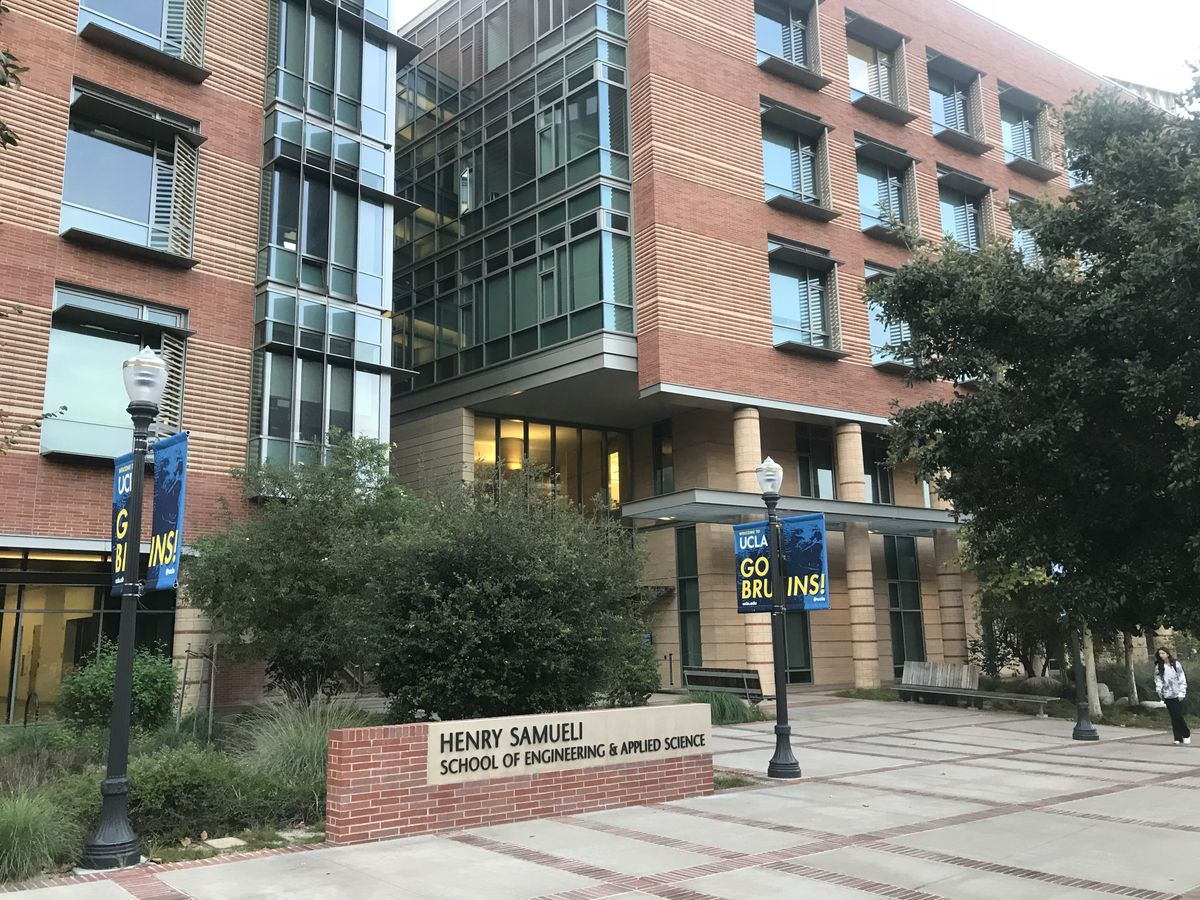
The University of California, Los Angeles (UCLA) announced that a team of materials scientists at the university’s Samueli School of Engineering has received a grant to develop a new additive manufacturing (AM) process for lithium-ion battery production. The US Department of Energy (DOE) will give the team $900,000 towards its research.
The UCLA team will be headed by two professors of materials science and engineering, Bruce Dunn —also the interim dean of the engineering school — and Morris Wang. The team will also work with researchers from the Silicon Valley-based Lawrence Livermore National Laboratory (LLNL) on the project.
One of the most influential Federally Funded Research and Development Centers (FFRDCs), the LLNL depends mainly on DOE funds. Historically, its primary work involves management of the US’s nuclear weapons stockpile. However, the LLNL’s focus on computer science has allowed it to branch out into the full array of advanced scientific fields, including a diverse range of energy technologies.
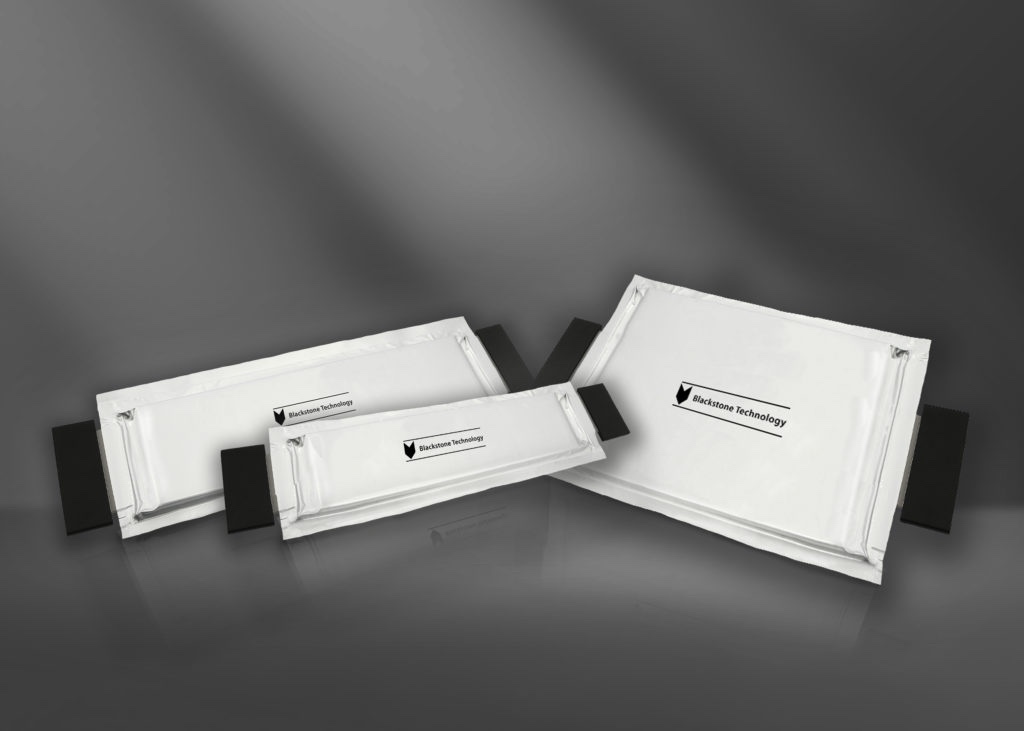
The money was allotted from a total of $57.9 million awarded to 30 different renewable energy projects back in June, via the DOE’s Advanced Manufacturing Office (AMO). At least 8 of those projects involve AM, and, including the UCLA and LLNL project, 5 of those involve lithium-ion batteries.
Specifically, the project that UCLA/LLNL were awarded the grant for is titled, “Direct Ink Writing of 3D Architectures for Lithium-Ion Batteries”. In the project description, it states, “Introducing 3D structures to Li-ion electrodes enables an increase in surface area relative to electrode volume.” Essentially, the team will be trying to utilize the complex lattice structures characteristic of AM to create lithium-ion batteries capable of charging more quickly, while also storing more power.
Lithium-ion batteries are still the most commonly used in all the devices and cars and refrigerators, etc. comprising the IoT. On the other hand, lithium iron phosphate (LFP) batteries have become increasingly preferred for a variety of reasons in recent years, and LFP batteries certainly seem poised to become the most prevalent, in the not-too-distant future.
Yet, as the makeup of the grantees for the DOE money shows, there have also been many significant developments lately regarding AM applications for producing lithium-ion batteries. Long-term, these applications have potential, in particular, owing to the possibility of using recycled materials in AM-driven circular economies. Thus, the current waning in customer preference for lithium-ion could, in the long run, end up being a positive for lithium-ion’s market share, if applications for printed batteries made from recycled materials continue to gain traction.
Subscribe to Our Email Newsletter
Stay up-to-date on all the latest news from the 3D printing industry and receive information and offers from third party vendors.
Print Services
Upload your 3D Models and get them printed quickly and efficiently.












You May Also Like
3D Printing Financials: XTPL Adds New Semiconductor and Defense Customers in Q1 2026
Polish microprinting company XTPL (WSE: XTP) reported first-quarter 2026 revenue of PLN 1.6 million (roughly $441,000) as the company expands into the semiconductor and advanced electronics markets, while also launching...
3D Printing News Briefs, May 30, 2026: RIMPAC 2026, Acquisition, Ceramic Implants, & More
We’re kicking things off with materials news in this weekend’s 3D Printing News Briefs. Then it’s on to a hybrid manufacturing system for a maritime exercise, an expansion of industrial...
The University of Utrecht: “3D Printing Could Change Who Gets to Become a Manufacturing Power”
For decades, manufacturing has mostly been controlled by countries with huge factories, lower labor costs, and industrial systems that took years, sometimes decades, to build. But Utrecht University human geographers...
3D Printing News Briefs, May 28, 2026: Continuous Fiber Reinforcement, Bioprinted Trachea, & More
In today’s 3D Printing News Briefs, America Makes announced the winners of its JAQS-SQ Project Call. Axtra3D is partnering with Keystone Industries to expand its dental material ecosystem, while BigRep...