
Recycled, 3D Knitted Shoe Company Rothy’s Announces New Funding

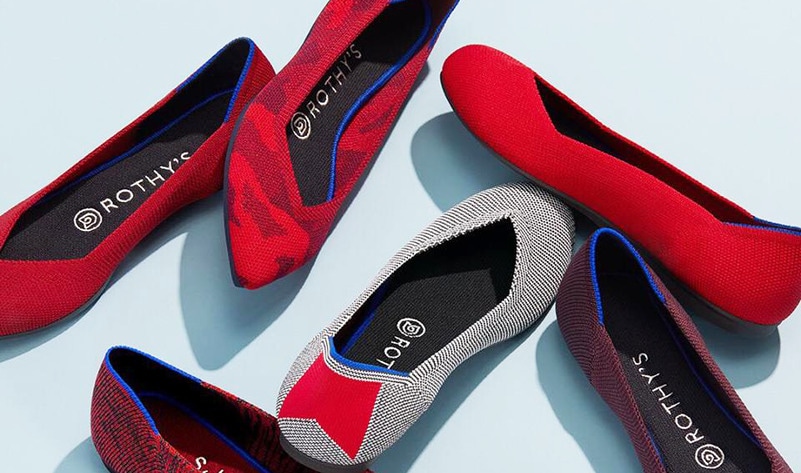
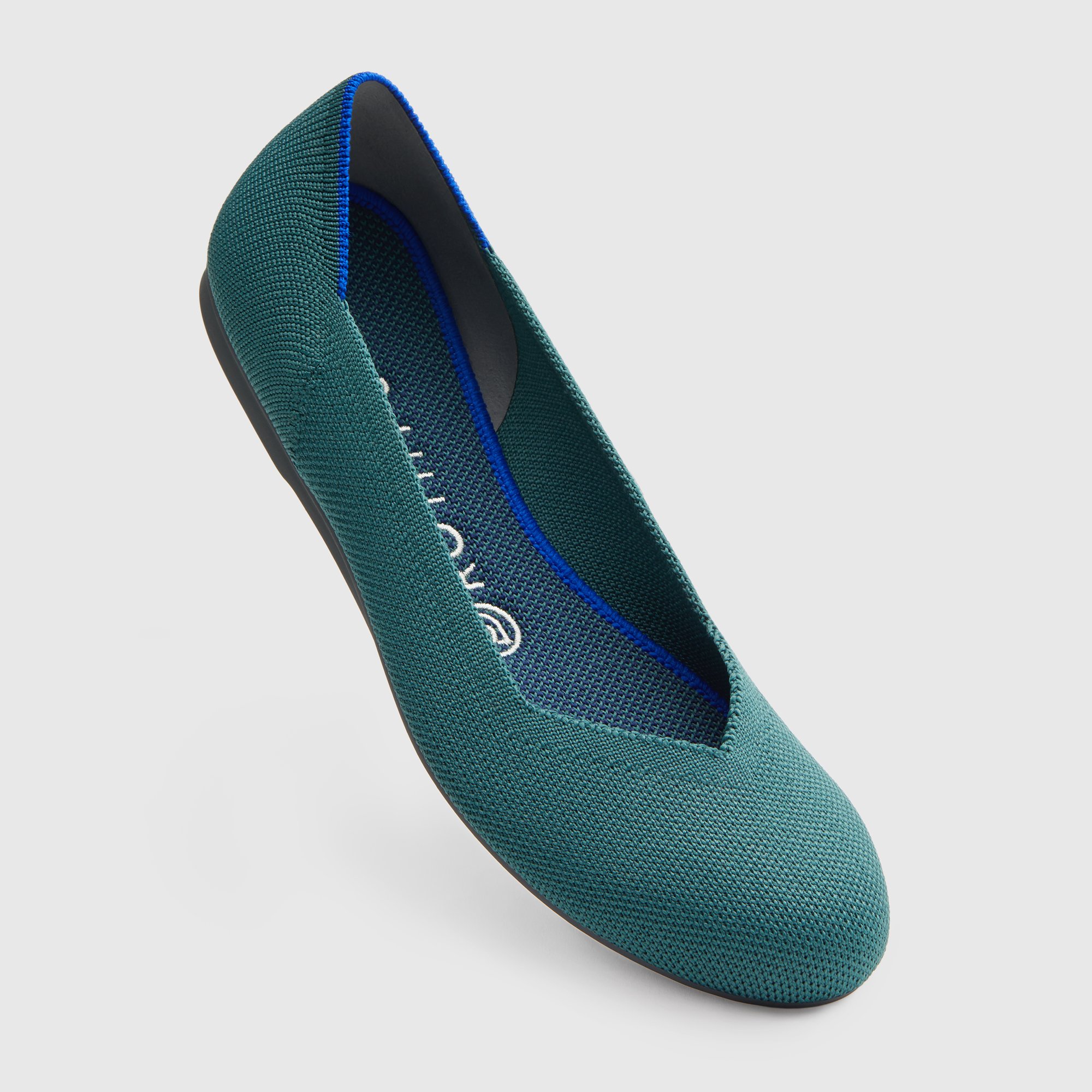 It’s hard to find a good pair of shoes that looks attractive and will last. And if you’re like me, you may sometimes feel guilt when you make new shoe or clothing purchases, knowing that you’re encouraging the use of more resources and materials, contributing to the massive consumption that is troubling the planet. That’s why, whenever possible, I try to shop at thrift stores, and I keep an eye out for clothing and shoe companies that are using recycled materials in their apparel. There aren’t enough of those companies out there yet, but one of them is Rothy’s, a shoe company that was founded in 2016 and makes its attractive ballet flats, loafers and sneakers from recycled plastic bottles.
Rothy’s also uses a 3D knitting technique to manufacture its shoes. 3D knitting, like 3D printing, wastes far less material than other manufacturing techniques. According to the company, its waste amounts to about six percent, compared to traditional companies that rack up about 37 percent waste. Its seamless knitting technique eliminates cutting and allows each shoe to be manufactured to exact size, resulting not only in less waste but in better fit.
The combination of sustainability, cool technology, and just overall nicely made, good-looking shoes has made Rothy’s a popular brand in its few years of existence. The company projected that its 2018 sales would reach $140 million, and it counts among its customers celebrities including Meghan Markle.
Recently, Rothy’s announced that it just raised $35 million in venture capital from Goldman Sachs Investment Partners. This brings the company’s total funding to $42 million.
“Rothy’s has achieved the rare combination of attributes we look for in a brand: a production process and product offering with differentiated IP, a passionately supportive and loyal customer base and rapid growth achieved through viral means,” said Ian Friedman, Co-head of the Venture Capital and Growth Equity team at Goldman Sachs. “We believe that Rothy’s has the opportunity to eliminate consumers’ historical need to compromise on style, comfort, or sustainability.”
Rothy’s employs 173 people at its factory in Dongguan, China. Lest you jump to any sweatshop conclusions, Rothy’s assures that it provides fair wages, living accommodations and daily meals to its workers in what it says is one of the “cleanest, safest, most state-of-the-art factories in the region.”
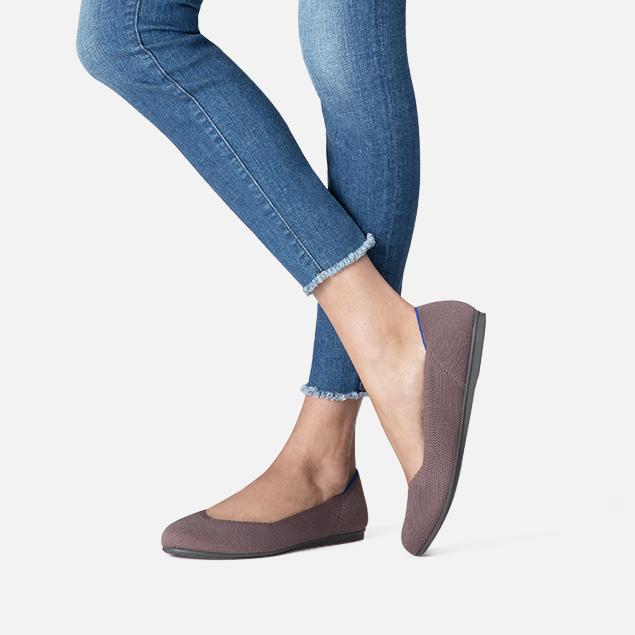 Since its founding, Rothy’s has recycled about 20 million plastic bottles. The company also uses carbon credits to fund Project Envira, which converts carbon emissions back into oxygen. Its office is powered entirely by wind, and it uses energy-efficient lights and appliances as well as environmentally friendly cleaning supplies. Rothy’s shoes are made to last, too – they’re even machine washable, and once they do wear out, they can be recycled through a partnership with PLUSfoam. If there’s such a thing as a guilt-free purchase, a pair of Rothy’s shoes may be it. They’re not cheap, with a pair of women’s shoes starting at $125, but if you’re willing to pay a bit more for good quality that lasts – along with all the social and environmental responsibility points – the price actually isn’t too bad.
Discuss this and other 3D printing topics at 3DPrintBoard.com or share your thoughts below.
Subscribe to Our Email Newsletter
Stay up-to-date on all the latest news from the 3D printing industry and receive information and offers from third party vendors.
Print Services
Upload your 3D Models and get them printed quickly and efficiently.













You May Also Like
South Korea’s Lincsolution Lands Hanwha Defense Deal as Hanwha Invests Billions in US
I recently wrote about how the South Korean additive manufacturing (AM) firm Lincsolution is building an aerospace and defense hub, part of the company’s construction of “the largest AM facility in...
Bambu Lab and SUSAN FANG 3D Print for London Fashion Week
At London Fashion Week, some of the more unusual pieces on the runway came from 3D printers. Chinese fashion designer SUSAN FANG presented her Spring/Summer 2027 Air-Illusion collection at the...
Why Cross-Border 3D Printing Is Closing the Speed Gap with Local Manufacturing
The fastest 3D printing supplier in your shortlist may no longer be the one closest to your office. That sounds unlikely to many engineers. For years, overseas 3D printing carried...
Arridex Expands 3D Printing Network to Ghana
Nigeria-based Arridex has deep experience in oil and gas additive manufacturing. Previously known as RusselSmith, the firm has in-house metal and polymer additive technology. The company is making 3D printed...























































