Nano3D Biosciences Makes Major 3D Bioprinting Breakthrough in Breast Cancer Research

 Last week we did a story on Organovo and their sophisticated techniques which allow them to reconstruct breast cancer tissue via 3D printing. Although not ready for market yet, eventually the company aims to sell these breast cancer tissue samples to pharmaceutical companies looking to test drugs to combat this terrible disease.
Organovo, however, isn’t the only company 3D printing cancer cells in a drive to better treat patients. A small company called Nano3D Biosciences, working with Rainbow Coral Corp via a joint venture, has made a breakthrough in regards to breast cancer research using a 3D bioprinting technique.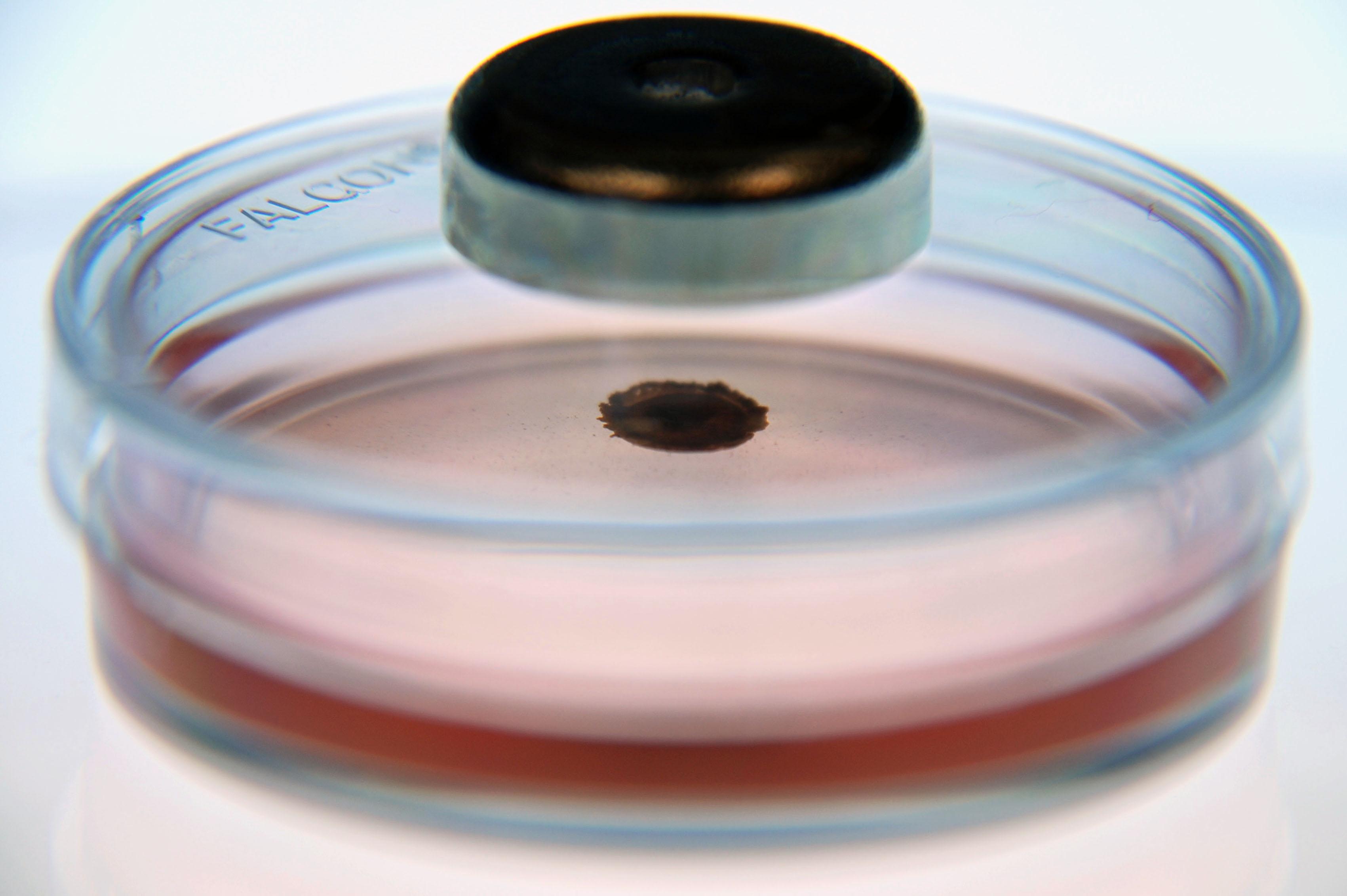
Nano 3D Biosciences, founded by four Ph.Ds — Glauco R. Souza, David J. Lee, Thomas C. Killian, and Robert M. Raphael — has a mission to turn their magnetic cell culture technology into the industry standard when it comes to bioprinting human tissues.
Using their NanoShuttle technology, within a machine they call the Bio-Assembler, Nano3D is able to create 3-dimensional breast cancer tissue via the manipulation of cells using magnetic nanoparticles. This technology allows for the rapid printing of cells in a tissue-like structure, meaning that animal testing and 2-dimensional cellular testing can be things of the past. The Bio-Assembler works within a common petri-dish or multiwell plate with any cell type. The tissue can then be imaged and studied similarly to that of any other microtissue.
“These results signify a crucial breakthrough in studying cancer cells outside the body and developing new treatments. We at n3D are very proud that the Bio-Assembler, a technology we developed, is being used in critical research such as this important study,” said Dr. Glauco Souza, n3D president and chief science officer.
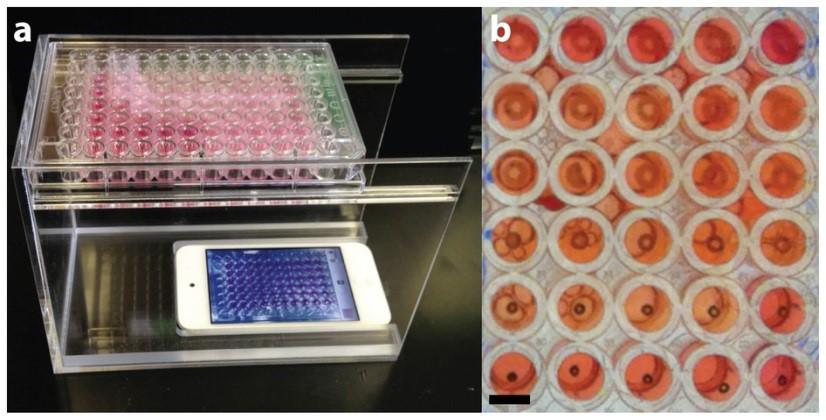
Rainbow Coral Corp and Nano3D have been working together diligently to create a technique in which large tumor tissues could be fabricated within a short period of time, and that is seemingly what they have accomplished. They have been able to create breast tumors within a 24 hour period measuring 1mm in diameter, control the density and composition of that tumor, and test the efficiencies of common drugs like doxorubicin and Doxil® within that tumor.
“The Bio-Assembler uses biocompatible magnetic nanoparticles to levitate cells, allowing them to grow into 3D structures much faster, easier and more affordably than competing technology currently on the market,” said RBCC CEO Kimberly Palmer. “This cutting-edge study by the team in Texas perfectly shows why the Bio-Assembler is a technology coveted by leading scientists across a variety of disciplines and beautifully illustrates how it’s pushing cellular research forward.”
The hope of researchers is that this technology will enable for much quicker drug testing and discovery, hopefully leading to better treatments of breast cancer. Let’s hear your thoughts on this incredible use of bioprinting within the 3D Printing & Breast Cancer forum thread on 3DPB.com.
Subscribe to Our Email Newsletter
Stay up-to-date on all the latest news from the 3D printing industry and receive information and offers from third party vendors.
Print Services
Upload your 3D Models and get them printed quickly and efficiently.











You May Also Like
Reuniting ExOne and voxeljet: An Investor’s View on Building a Global Industrial Sand Printing Leader
Authored by Whitney Haring-Smith, Chair of the Board, ExOne Global Holdings & Managing Partner, Anzu Partners At Anzu Partners, we invest with conviction in industrial technologies that create categories—and then...
Adoption of Advanced Powder Metal Manufacturing in the Global Small Arms Space – SHOT Show 2026 Additive Manufacturing Analysis
Back in 2013, I remember being completely blown away when a company called Solid Concepts reportedly additively manufactured nearly a complete firearm as a proof of concept. Although desktop polymer...
AM-Europe, operated by CECIMO: Positioning Additive Manufacturing at the Core of Europe’s Industrial Competitiveness
As European industries face growing pressure to strengthen resilience, reduce supply chain risks, and meet sustainability objectives, additive manufacturing (AM) is emerging as a practical and strategic solution. Closely align...
Five Imperatives for CAD and PDM In The Additive Era
Additive manufacturing has reached an inflection point. Hardware capabilities continue to advance, materials portfolios are expanding rapidly, and automation is reshaping post‑processing and production workflows. Yet many additive programs still...